
Historical
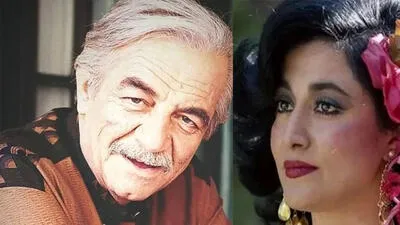
Never-before-seen footage of a conversation between Manouchehr Nozari and Homeyra in the courtyard of the singer's palace-like home / "My husband doesn't let me sleep at night."
Read more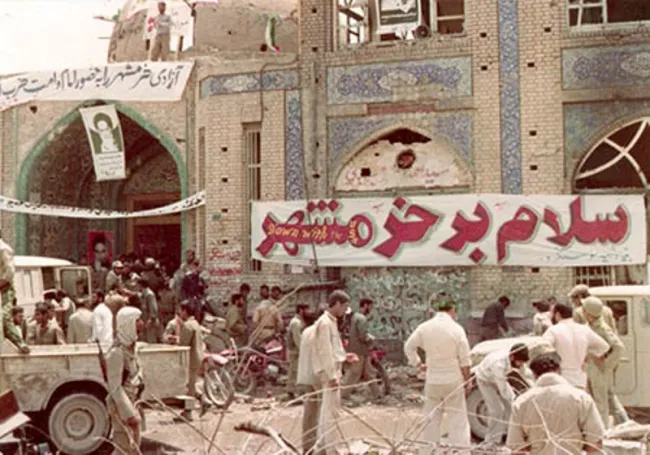
Video of the final moments before the liberation of Khorramshahr.
Read more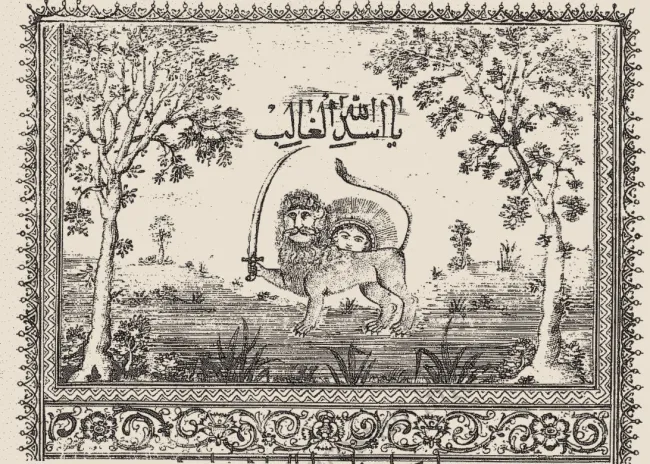
The history of the Lion and Sun motif
Some artists had proposed designs for the official emblem of the country. The Prime Ministry organized a meeting to review them, in which Morteza Momayyez participated.
Read more
Listen | Harvard Oral History | Part Five
Memoirs of Ardeshir Zahedi; Minister of Foreign Affairs (1967-1971), Iranian Ambassador to England, Iranian Ambassador to the United States, edited by Habib Lajevardi
Read more
Listen | Harvard Oral History | Part Four
Memoirs of Ardeshir Zahedi; Minister of Foreign Affairs (1967-1971), Iranian Ambassador to England, Iranian Ambassador to the United States, edited by Habib Lajevardi
Read more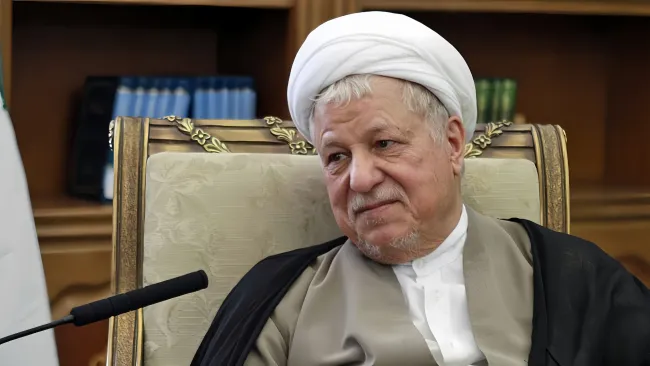
Memories of Akbar Hashemi, 20th January 2002
Hussein Marashi said that the people of Khordad are worried about the news in Kayhan [the newspaper] that predicted the dissolution of the Participation Party.
He wanted to find out what was going on at the meeting of the heads of forces in the presence of the leadership.
Read more
Listen | Harvard Oral History | Part Three
Memoirs of Ardeshir Zahedi; Minister of Foreign Affairs (1967-1971), Iranian Ambassador to England, Iranian Ambassador to the United States, edited by Habib Lajevardi
Read more
Listen | Harvard Oral History | Part 1
Memoirs of Ardeshir Zahedi; Minister of Foreign Affairs (1967-1971), Iranian Ambassador to England, Iranian Ambassador to the United States, edited by Habib Lajevardi
Read more
Yalda, this beautiful and graceful long-haired Iran, is the legacy of our ancestors.
Abdullah Abdi - Abdi Media
A monument that has reached us from the heart of distant nights, from the fire and ashes of history.
Read more
Listen | Harvard Oral History | Part Two
Memoirs of Ardeshir Zahedi; Minister of Foreign Affairs (1967-1971), Iranian Ambassador to England, Iranian Ambassador to the United States by Habib Lajevardi
Listen without filter, on Abdi Media Castbox
Read more
Listen | Echoes of History | Episode 102 Mohammad Reza Shah in the Marble Palace 1960 after the birth of the Crown Prince
Listen without filters on Castbox
Read more
Watch | Mohammad Reza Pahlavi's rare and shocking news conference on oil, inflation and economic issues
Currently on Abdul Media's YouTube channel.
Read more
Watch | Rare interview with Sadegh Khalkhali; the Islamic judge of the Revolutionary Courts
Currently on the YouTube channel Abdi Media
Read more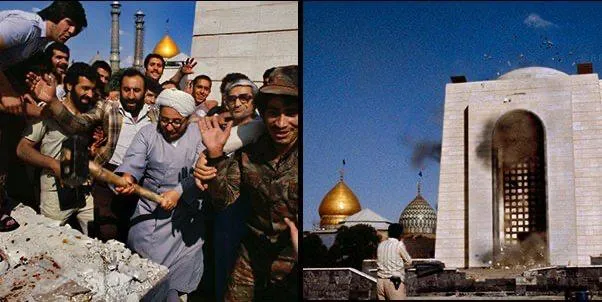
The agreement of the first leader of the Islamic Republic of Iran, Seyyed Ahmad Khomeini, and the opposition from Banisadr and Mahdavi Kani regarding the demolition of the grave of Reza Shah Pahlavi.
With the issuance of the command to move towards the Pahlavi tomb, the people mobilized.
Read more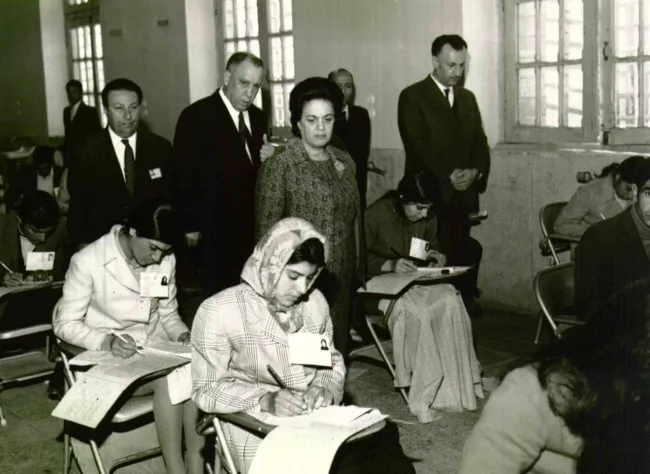
Ms. Farrokhro Parsa, the Minister of Education of the Hoveyda government, is visiting the exam session of one of the teacher training centers in Fars province.
Ms. Parsa was executed on this day in 1980.
Read more
On his deathbed, Shah Ismail was only thinking about Iran.
In the world of Safavid opinions, it is stated: "And now I am afraid that all the troubles and troubles of our Nawab have been wasted, and this son will not be able to advance the kingdom of Iran..." Taken from the Azeri Network
Read more
News of 1995: The United States has once again called for negotiations with the Islamic Republic of Iran!
What dreams that did not die, what breasts that did not burn
Read more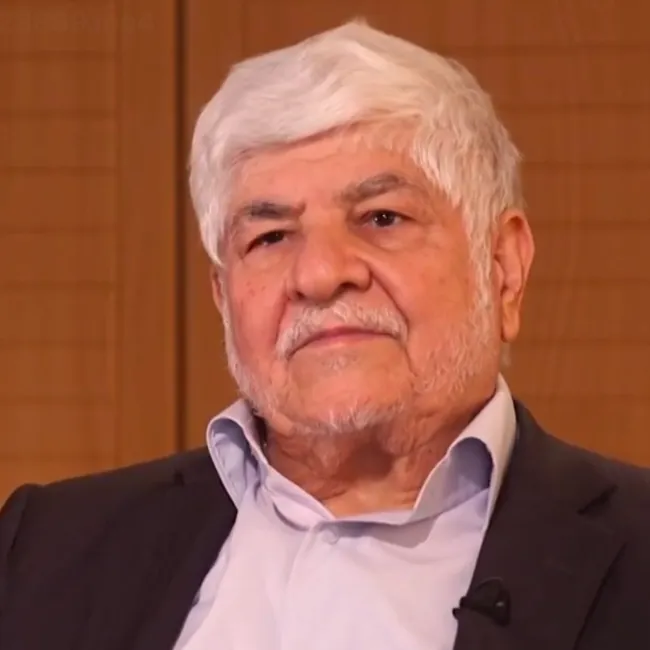
Listen | The Secrets of Mohammad Hashemi Rafsanjani: The "Imam" had suggested the successor of the Supreme Leader to Baradam - Part 1
Listen without filters in the cast box
Read more
Ayatollah Seyyed Ahmad Khwansari, Allama Seyyed Mohammad Hossein Tabataba'i, Seyyed Reza Sadr and Seyyed Mohammad Rouhani did not participate in the elections of the Islamic Republic of Iran
On March 29 and 30, 1979, when the referendum of the Islamic Republic was held, most of the marjas and scholars also participated in it.
Read more
Watch | The Secrets of Mohammad Hashemi Rafsanjani: The Successor of the Leader of the Imam's Proposal to Baradam
Right now on Abdi Media's fifth YouTube channel
Read more
The anniversary of the bombing of the Razavi shrine by Russia on March 29, 1912
After the formation of the gendarmerie for the General Treasury of Iran by the American Morgan Schuster
Read more
Dr. Mohammad Mossadegh: We, the representatives, must first of all look at Iran and prioritize the interests of the public over our personal interests.
Read more
Opening of VOA Persian program;
Iran and the United States share the dream of creating a free world
Read more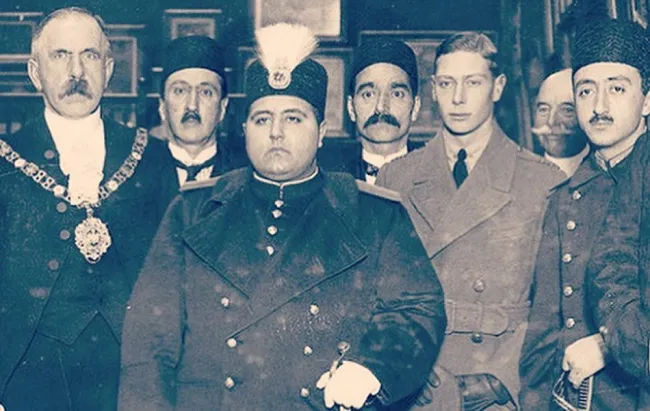
His Holiness's trade with the price of currency!
On the occasion of the death of Ahmad Shah on February 29
Read more
Listen | Episode 47: Asadullah Malik, a master violinist and fiddle player, talks about his life
Listen without filters in the cast box
Read more
Listen | Abadan's Cinema Rex Court - Part 2
Listen without filters in the cast box
Read more
Listen | Episode 44: Colonel Ali Naqi Vaziri from the Constitutional Era to the Asylum of Mohammad Ali Shah Qajar
Listen without filters in the cast box
Read more
Listen | Episode 46: A Historic Interview with Prime Minister Amir Abbas Hoveyda, from Social Developments to Economic Developments
Listen without filters in the cast box
Read more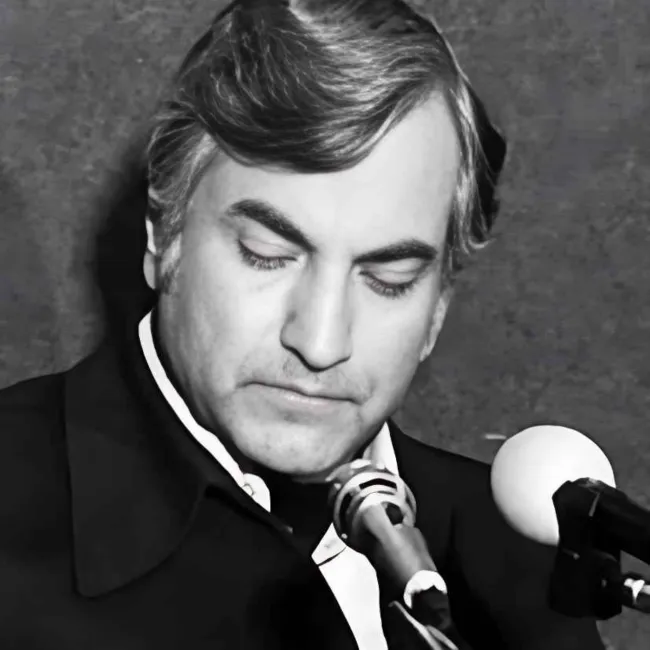
Listen | Part 45: Part of Abbas Amir-Entezam's defense in the Revolutionary Court for the first time
Listen without filters in the cast box
Read more
Listen | Abadan Cinema Rex Court - Part 1
Listen without filters in the cast box
Read more
Listen | Episode 43: Colonel Ali Naqi Vaziri memoirs from the constitutional era
Listen without filters in the cast box
Read more
Listen | Episode 42: Mehdi Bazargan and the Revenge of the Revolutionaries in the First Days of Coming to Power
Listen without filters in the cast box
Read more
Listen | Episode 41 of History from the Heart of History History Congress in 1968 with a message from Mohammad Reza Shah and speeches by Hoveida and Sadeq Kia
Listen without filters in the cast box
Read more
Listen | Part 40 of Dr. Sadegh Rezazadeh Shafagh's Memoirs from the Constitutional Era
Listen without filters in the cast box
Read more
Listen | Part 39 of Mohammad Reza Shah Pahlavi press interview, from addressing soil erosion to paying attention to atomic and laser energy
Listen without filters in the cast box
Read more
Listen | Part 38 of Mohammad Reza Shah Pahlavi's speech at the inauguration ceremony of Ariamehr Steel Mill (Isfahan)
Listen without filters in the cast box
Read more
Listen | Rereading the trial and defense of Captain Bahram Afzali by Sheikh Mohammad Rayshahri
Listen without filters in the cast box
Read more
Listen | Episode 37 Empress Farah Pahlavi: My greatest ambition is to find my way into the hearts of the people
Listen without filters in the cast box
Read more
Interesting will of "Dr. Mohammad Mossadegh" to his son during his time as Prime Minister
At the same time that Dr. Mohammad Mossadegh became Prime Minister, his son, Engineer Ahmad Mossadegh,
Read more
Listen to | Thirty -sixth part of Sheikh Sadegh Khalkhali: If the Iranian people accept someone to lead the House of Experts, he must obey the Assembly of Experts
Listen without a filter in Castbox
Read more
Listen to | Part thirty -fifth of the twenty -sixth anniversary of the establishment of the United Nations and the King of Iran
Listen without a filter in Castbox
Read more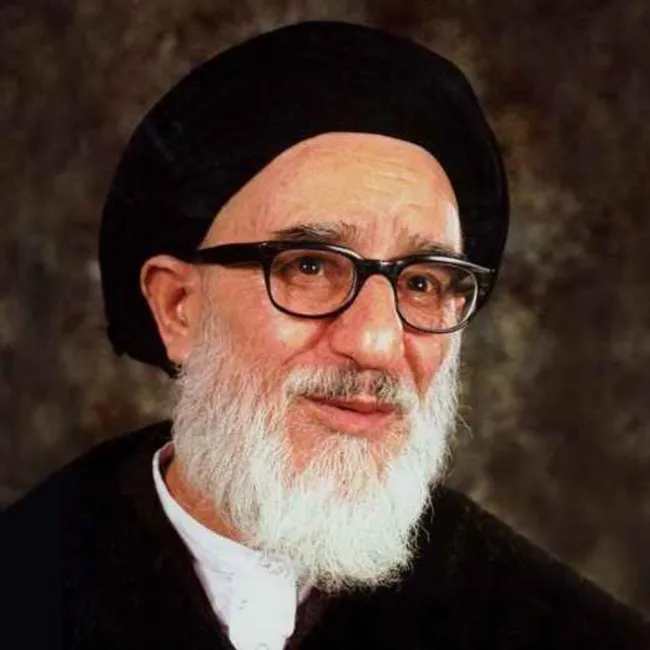
Listen to | The thirty -fourth part of Ayatollah Taleghani's explicit obligations, the head of the Revolutionary Council, "no compulsion to hijab"
Listen without a filter in Castbox
Read more
"Clippings of the Newspaper News of the Death of Adolf Hitler" among notes in the handwriting of Allameh Mohammad Qazvini, Archive of the University of Tehran Library
Read more
The announcement of the election of "Hojjatoleslam Khamenei" for a second term as president, congratulated by Prime Minister Engineer "Mir Hossein Mousavi Khamenei," is published for the first time.
These remarks were made precisely during the days when the conflict between the Prime Minister and the President had reached its peak.
Read more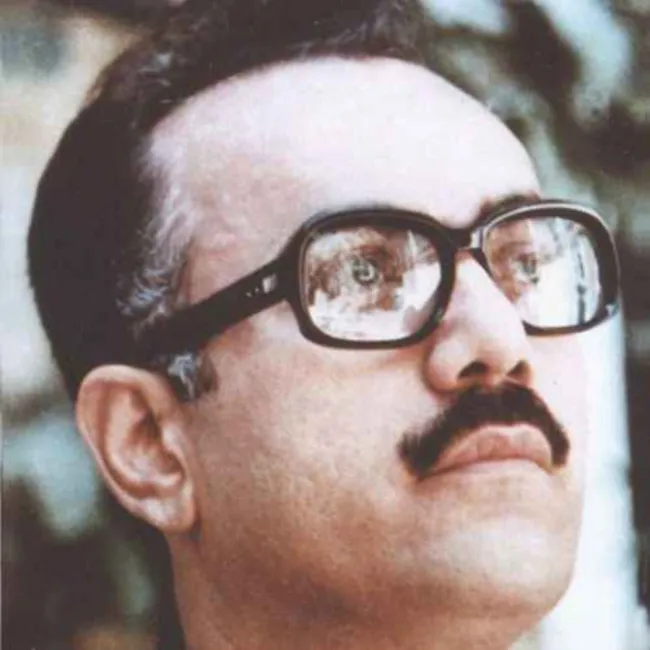
Listen | Speech of Ahmad Muftizadeh, a Sunni leader and a prisoner of the Pahlavi era, rejecting Velayat-e Faqih (Guardianship of the Jurist) - 1978
Listen without filters in the cast box
Read more
Listen | In the thirty-third episode, Shahbanu Farah Pahlavi talks about the disadvantages of flattery.
Listen without filters on Castbox.
Read more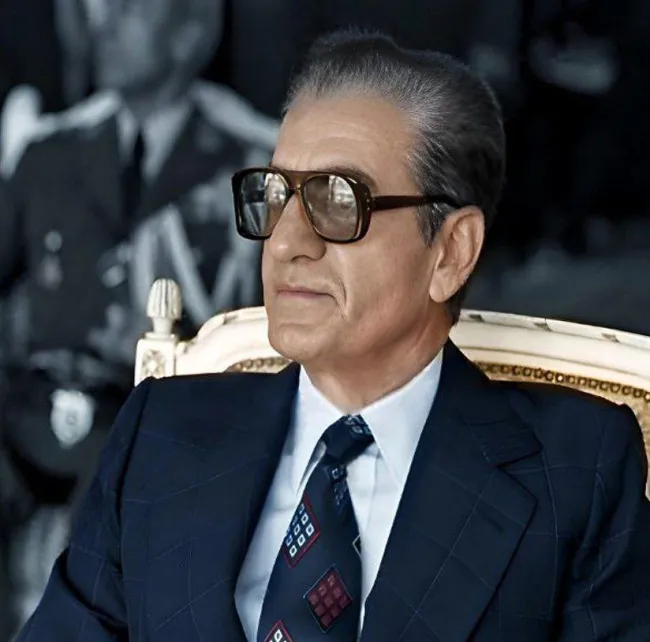
Listen | Part 32 of Mohammad Reza Shah Pahlavi's speech to the members of the Iranian Chambers of Commerce and outlining the general economic policies of the country
Listen without filters in the cast box
Read more
Don't interfere.
At that time, there was no Expediency Discernment Council. The council that Imam had mentioned consisted of five people.
Read more
Listen | Episode 31 of Mehdi Bazargan's speech on April 4, 1979, three days after the referendum, available unfiltered on Castbox.
Read more
Listen | Part 28 of the Historical Conference of Mohammad Reza Shah Pahlavi on the occasion of the inauguration of the Rastakhiz Party on March 2, 1975
Listen without filters in the cast box
Read more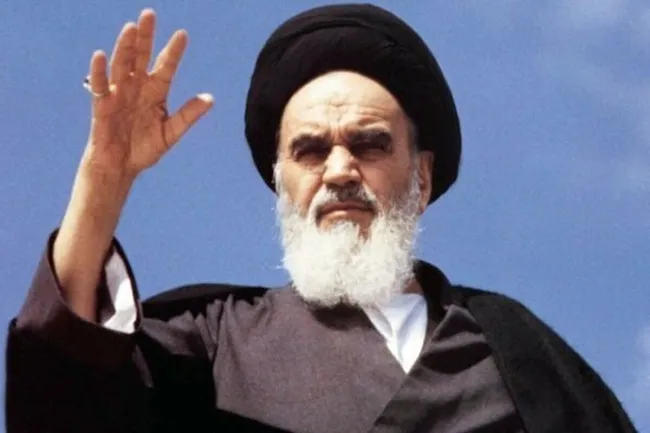
Listen: Publication for the first time of reading Ayatollah Khomeini's announcement by Akbar Hashemi Rafsanjani on the radio, February 11, 1979
Ayatollah Khomeini had stated in this announcement
Read more
Pictures of the Islamic Revolution of 1979
Spectacular Pictures of the Days of the Victory of the Islamic Revolution in February 1979
Read more
Listen | From guarding the Refah School to sponsoring the fundamentalist movement, Habibollah Bourbour, the former head of the Alavi Foundation, said in an interview with Iran Watch
Listen without filters in the cast box
Read more
Listen | The 27th episode of the women's gathering in Mohammad Reza Shah Pahlavi Hall on the occasion of February 28 and the speech of Princess Ashraf Pahlavi
Listen without filters in the cast box
Read more
Listen | The Resonance of History | Episode 26: Mohammad Reza Shah Pahlavi's Concern about Corruption in Iran
Listen to Mohammad Reza Shah Pahlavi's meeting and speech with students living in Europe and the United States in 1963 without filters on Cast Box
Read more
Listen | One of the sessions of the trial of Abbas Amir-Entezam presided over by Mohammadi Gilani - Part 1
Publish for the first time without filters in Cast Box
Read more
Listen | The Echo of History | Episode Twenty-Four: The Speech of General Gholamreza Azari in Parliament - November 1978 - For the First Time.
Listen without filters in the cast box
Read more
Listen | The Resonance of History | Episode 23 of Mahmoud Jafarian's Interview in 1971
Jafarian was a member of the Tudeh Party Organization who rose to the rank of deputy of the National Radio and Television Organization and deputy of the Rastakhtar Party of Iran
Read more
Listen | The Resonance of History | Episode 21: Speech of Empress Farah Pahlavi and Princess Ashraf Pahlavi at the United Nations Commission on the Status of Women in Tehran
Read more
Listen | The Resonance of History | The twentieth part of Mohammad Reza Shah's speech at the opening of the Amol (Haraz) road in 1963
Read more
Listen | Ganjineh Abdi Media - Seyyed Abolhassan Banisadr's Speech on Hijab
Broadcast for the first time
Read more
Listen | The Resonance of History | Episode 19: Hasan Ali Mansour's first press conference after becoming prime minister.
Read more
Listen | Echo of History | Part 18 of the trial of Mohamed Taqi Shahram for the first time
The trial of Mohamed Taqi Shahram for the first time
Read more
Listen | The Resonance of History | Episode 17: Sobhan Gholi Khalatbari's Unheard Memories of Reza Shah
Read more
The opening of Farah Pahlavi University and Empress Farah Pahlavi's concern about the cultural attack
Read more
Listen | The Resonance of History | Episode 15: The Unheard Voice of Master Banan, From the Foundations of the Golha Program to the Preservation of Iranian Language and Culture
Read more
Listen | The Resonance of History | Part 14 of the Pahlavi government's program for managers in Iran through the Employment Affairs Organization of the country and the Management Training Center
Publishing for the first time
Read more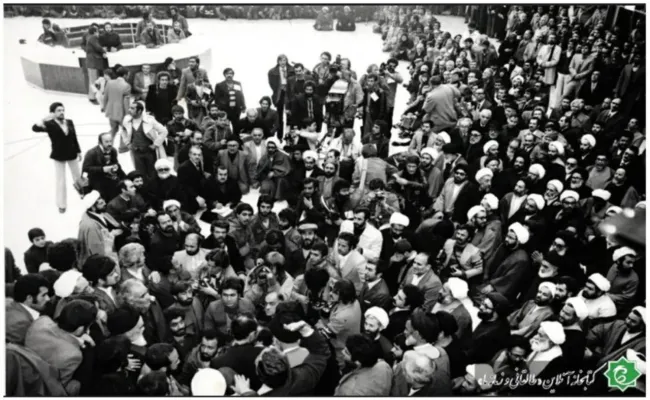
Ayatollah Taleghani sits on the ground and watches the crowd overtake each other in welcoming each other.
February 1, 1979, Mehrabad Airport, a photo published today by Taleghani and Zamana Online Library
Read more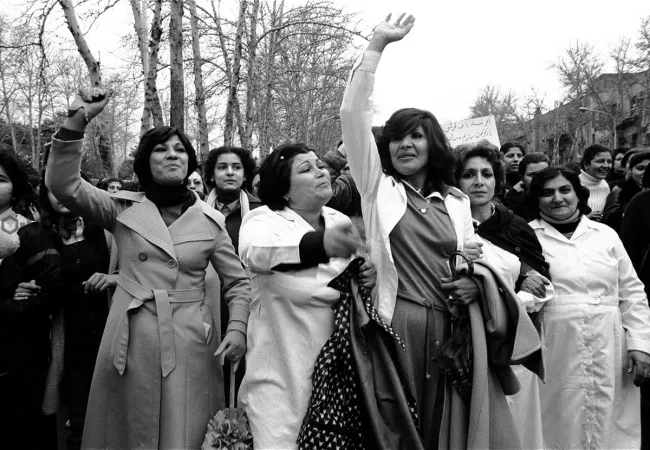
Revolutionary anthem when the hijab was not yet compulsory
Read more
Listen | The Resonance of History | Part 13: The Trial of Abbas Amir-Entezam by Sheikh Gilani
Publishing for the first time
Read more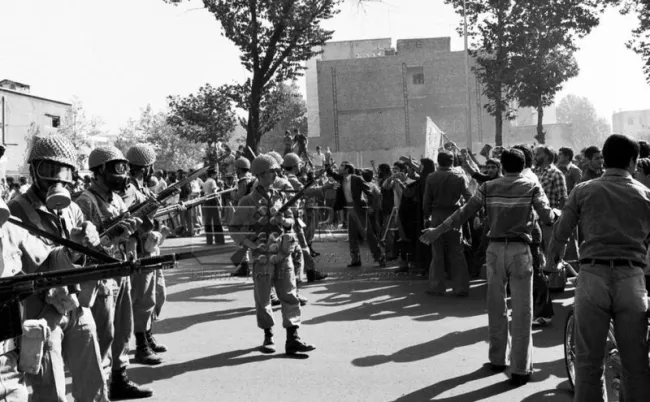
Historical Review / Revolution of 1979 / February
Read more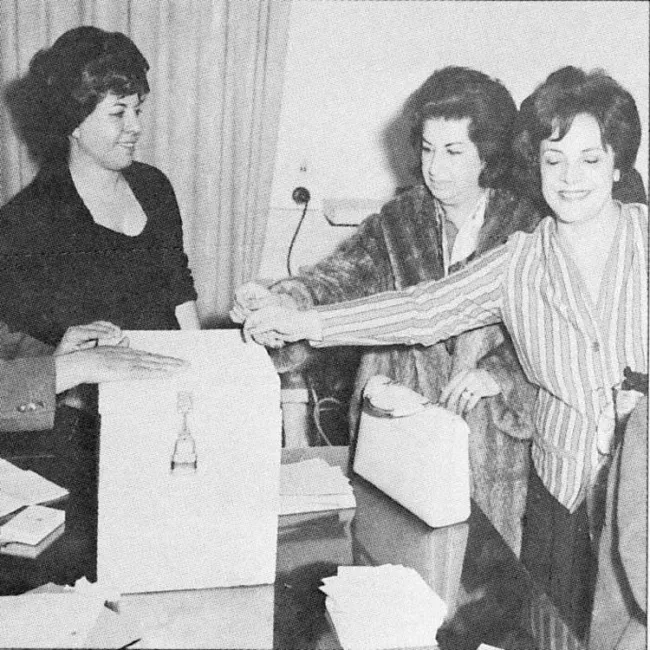
Listen | The Resonance of History | The Twelfth Unheard of on the Ratification of Women's Rights in Iran: From the Ayatollah's Confrontation with the Shah to the Ratification
Read more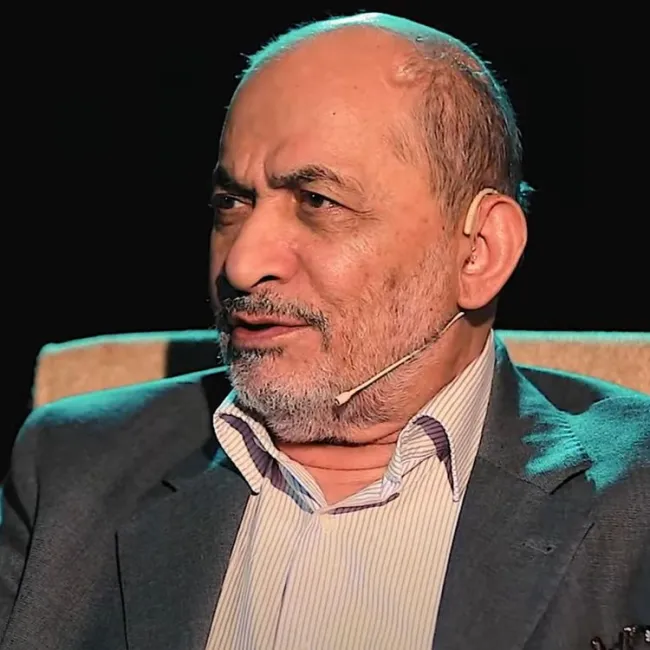
Listen | Comrade Dost: Hadi Ghaffari definitely killed Hoveyda / Buying weapons from Britain and Israel / Friendship with Gaddafi
Mohsen Rafiqdoost's Interview on the Crossroads Program
Read more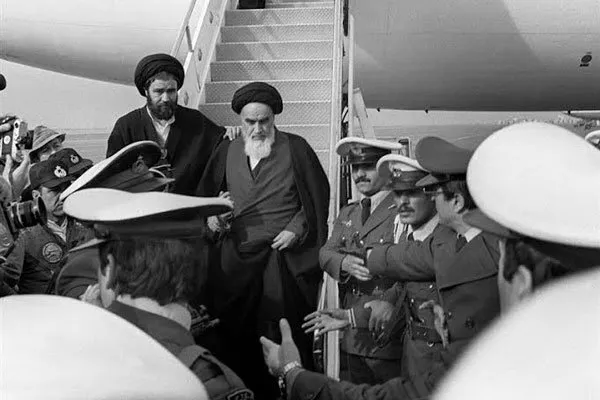
Part of the first speech of the founder of the Islamic Republic after returning to Iran 46 years ago / Behesht-e Zahra
A nation that shouts that we are against the laws, this government, this king, this parliament
Read more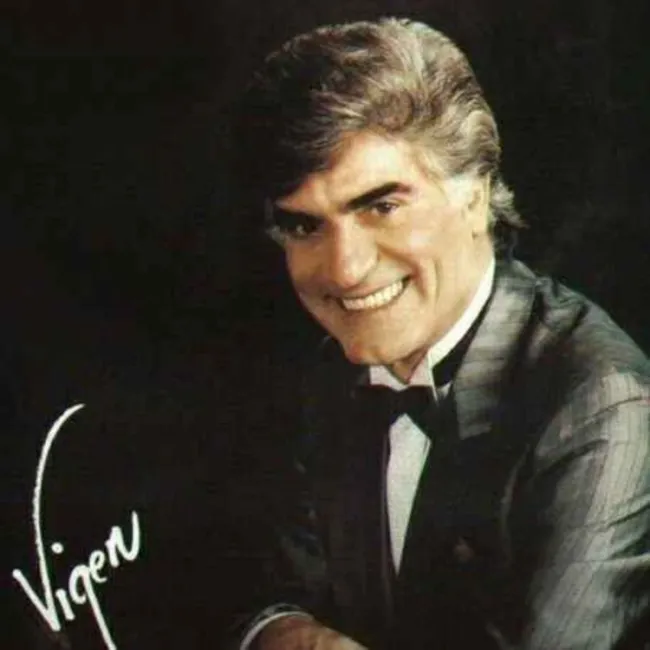
Listen | The Resonance of History | Episode 11: The Echo of Wiegen's Voice: An Unheard Conversation from the Sultan of Iranian Jazz
Read more
Listen | The shocking revelation of the secrets and behind the scenes of the SAVAK operation, the fifth and final part
The fifth and final part - a controversial narrative by Ahmad Frosti, the head of the operations of the third SAVAK directorate,
Read more
Listen | The Resonance of History | Part 10: Ashraf Pahlavi and Farrokhro Parsa at the Conference on Fighting Illiteracy
For the first time
Read more
Listen | Audio file of the TV debate - Ayatollah Beheshti, Kianvari, Mehdi Fatapour, Habibollah Peyman - 1981
Read more
Listen | The Resonance of History | Part 9 of the memoirs of General Gholamali Oveisi in his own voice, for the first time
Read more
Listen | The Shocking Revelation of the Secrets and Behind the Scenes of the SAVAK Operation Part 4
Part 4 - A Controversial Narrative by Ahmad Farasti, the Operations Leader of the Third Directorate of SAVAK
Read more
Listen | The Resonance of History | The eighth part of the opening session of the two parliaments with the presence of Mohammad Reza Shah and Shahbanu and emphasis on education in 1973
Read more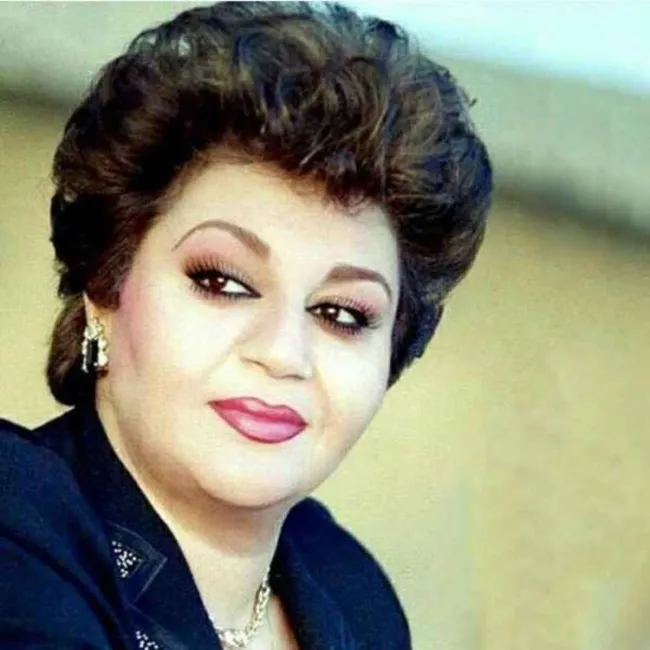
Listen | The Resonance of History | The seventh episode is an unheard line from the resonant history of one of the legends of Iranian music, Hayedeh
Read more
Listen | Shocking Disclosure of Secrets and Behind the Scenes of SAVAK Operations
Part 3 - A Controversial Narrative by Ahmad Farasati, the Operations Leader of the Third Directorate of SAVAK
Read more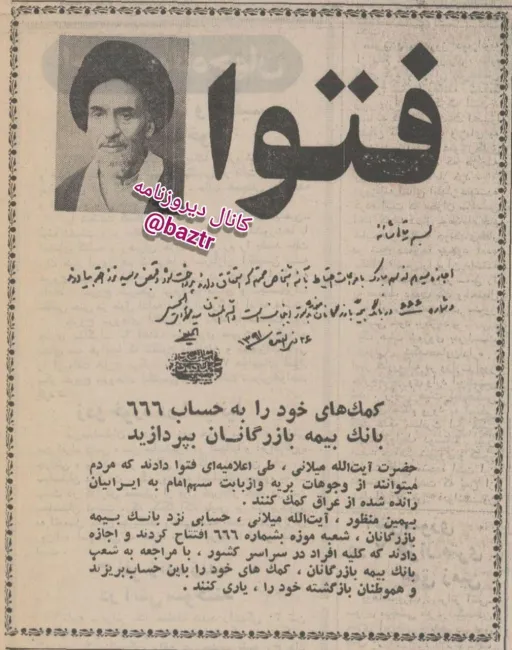
Ayatollah Milani's new fatwa. Ettela'at newspaper, January 30, 1971
Read more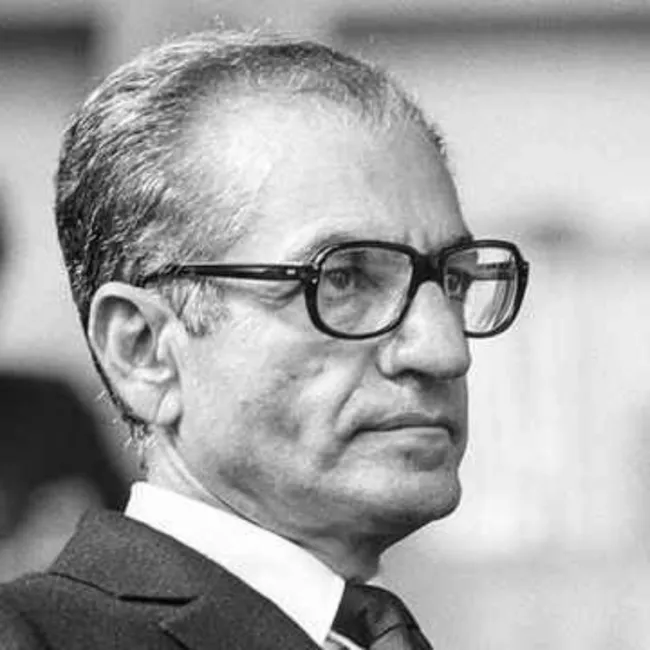
Listen | Mohammad Reza Pahlavi's Most Important Little-Heard Press Conference with American Reporters - Oil, Inflation, Economic Issues
It is historically important to hear this file
Read more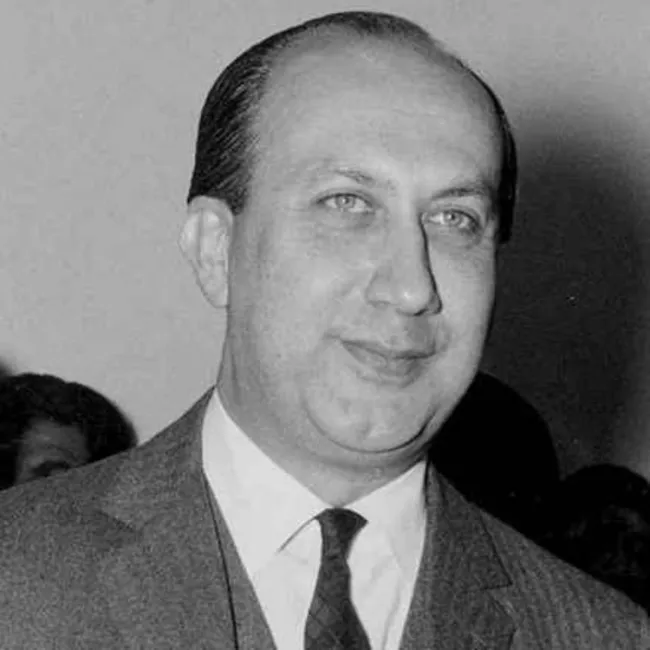
Listen | The Resonance of History | Part 6: Prime Minister Hasan Ali Mansour's visit to Gilan and Mazandaran a few months before his assassination
Publication of speeches for the first time
Read more
Listen | Shocking Disclosure of Secrets and Behind the Scenes of SAVAK Operations
Part 2 - A Controversial Narrative by Ahmad Frosti, the Operations Leader of the Third Directorate of SAVAK
Read more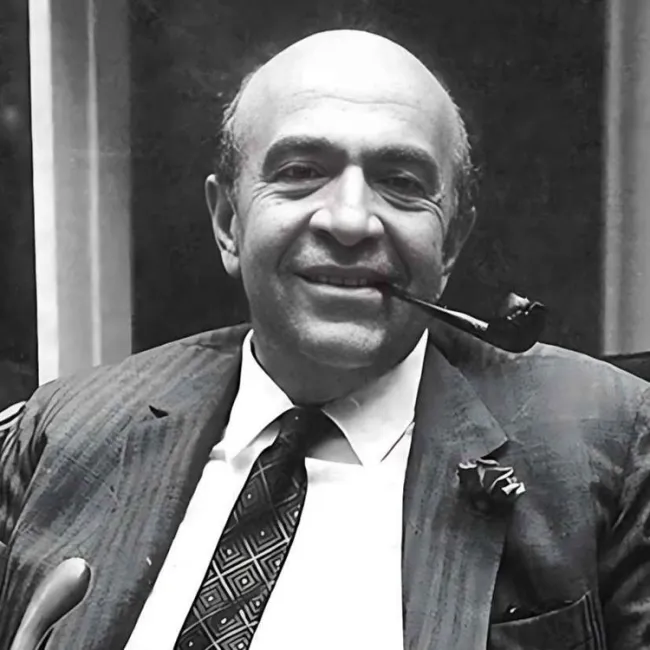
Listen | The Resonance of History | Part 5: Amir Abbas Hoveyda's first speech as Prime Minister in the National Assembly after the assassination of Hasan Ali Mansour
Publication of speeches for the first time
Read more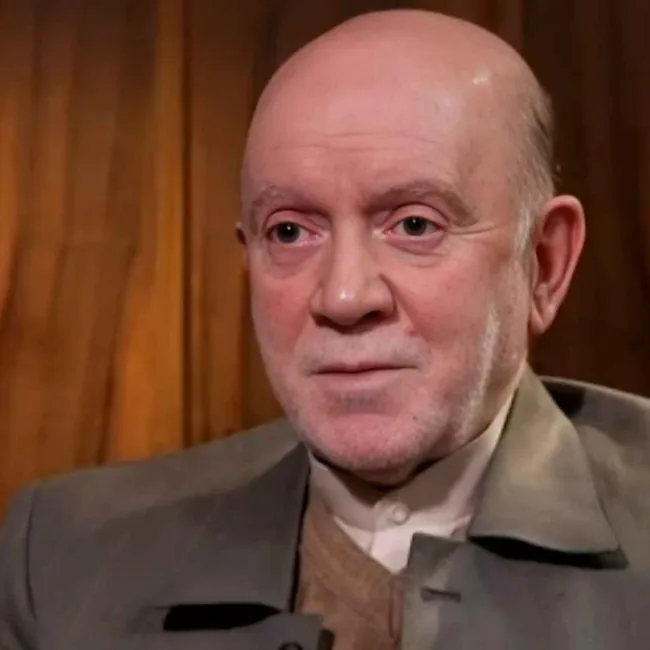
Listen | Who ordered Ayatollah Khomeini? A Historic Interview with Mohammad Nabi Habibi, Secretary General of the Coalition Party for More than 14 Years
Read more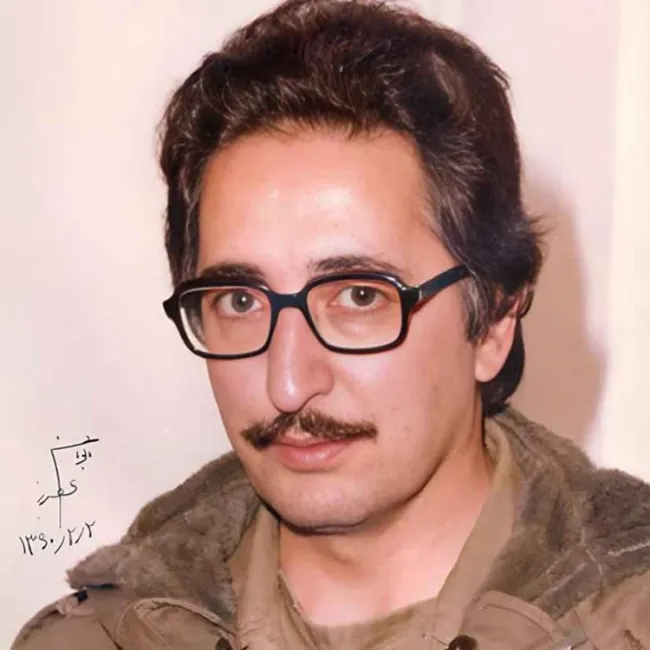
Listen | The Resonance of History | Part 4: Seyyed Abolhassan Banisadr and the Compulsory Hijab: For or Against Banisadr's Unheard Speech in March 1979 on Hijab
Read more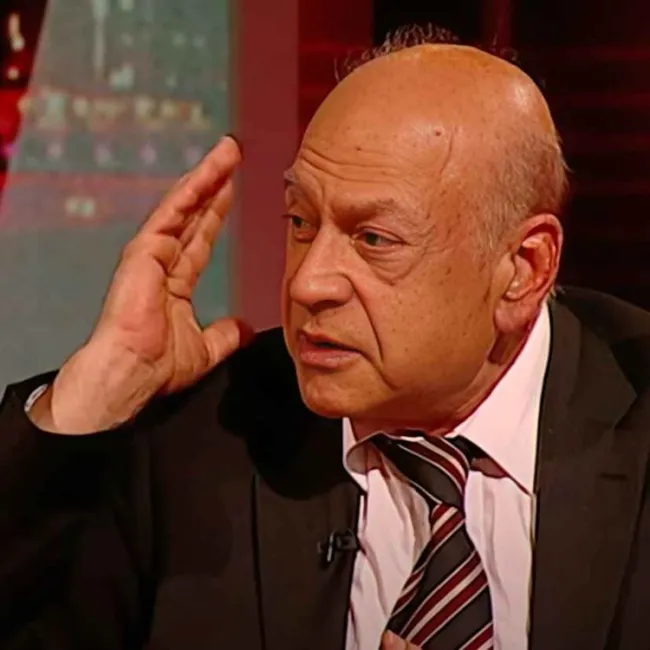
Listen | Shocking Disclosure of Secrets and Behind the Scenes of SAVAK Operations
A Controversial Narrative by Ahmad Farasati, the Operations Leader of the Third Directorate of SAVAK - Part 1
Read more
Listen | The Resonance of History | The third part of an unheard interview with Mohammad Javad Badiezadeh, the famous Iranian singer, musician and composer and son of Seyyed Anari, with voices from him and his daughter for the first time
Read more
Listen | Full file - National Security Council meeting chaired by Shapour Bakhtiar, one day before Ayatollah Khomeini's arrival
Read more
Listen | The Resonance of History | The second part of Mohammad Mossadegh's unheard speech on March 20, 1952 and the rejection of the proposals of the United States and Britain
Read more
Listen | The Resonance of History | Part 1: Publication for the first time - An unheard speech by Mohammad Reza Shah Pahlavi in 1955 on the first anniversary of the coup d'état of August 19, 1955
Producer & Presenter: Abdollah Abdi
Read more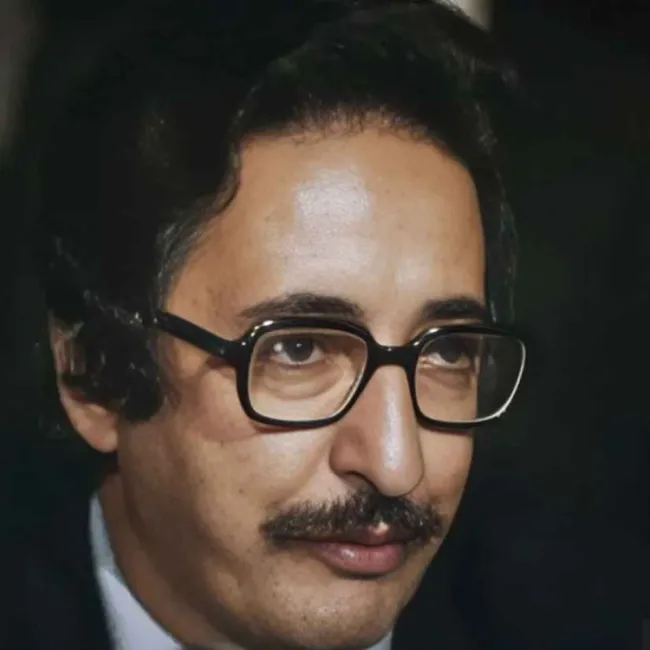
Listen | Bani-Sadr and Exposing the Secrets of the Revolution in a Historic Conversation: The Letter from Mr. Khomeini Was Forged
Interview with Seyyed Abolhassan Banisadr, the first president of Iran
Read more
Listen | Full file - Meeting of the National Security Council chaired by Shapur Bakhtiar on January 18, 1979
Read more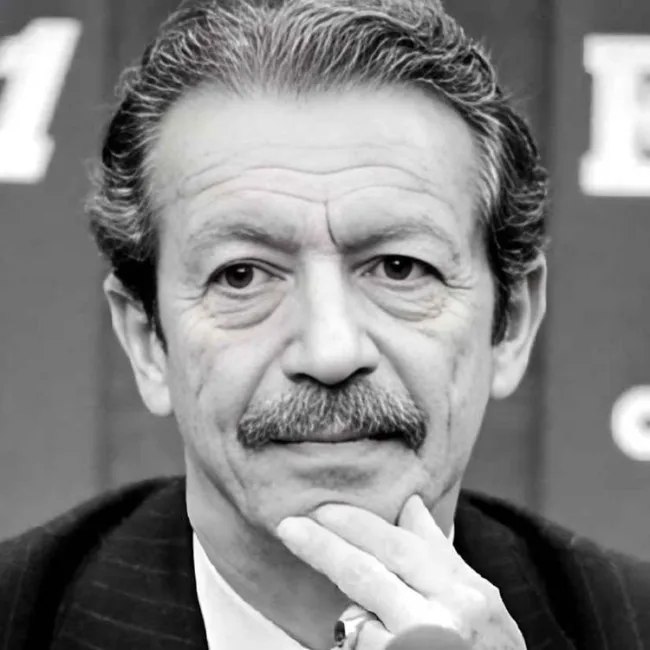
Listen | Full file - Meeting of the National Security Council chaired by Shapur Bakhtiar, January 17, 1979
Read more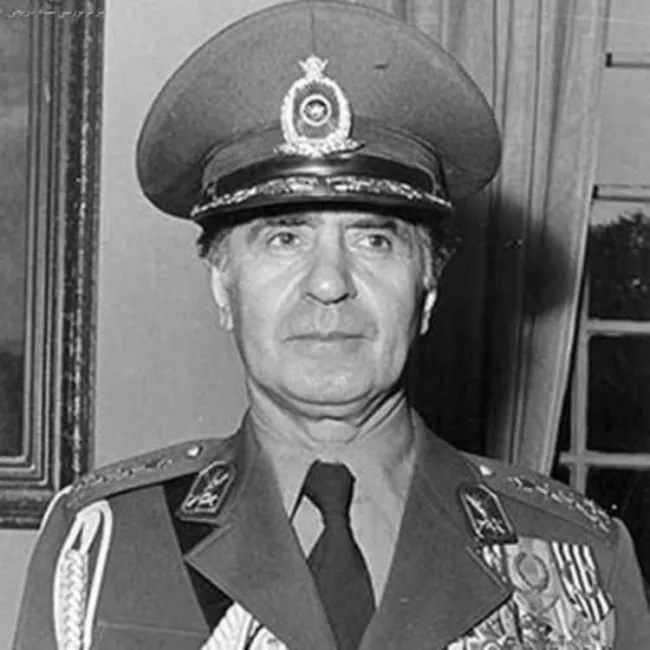
Listen | The Resonance of History | Episode 71: How Lt. Gen. Gholamali Oveisi Became a Revolutionary Guard
Read more
Listen | Part of the trial of Farajollah Seifi Kamangar, known as Kamali, presided over by Sheikh Mohammad Mohammadi Gilani
Read more
A Historical Review: The Invitation of Iranian Businessmen Living Abroad: From Political Guarantees to Revolutionary Opposition
In 1991, Akbar Hashemi, with Sadegh Najafizadeh, a well-known businessman, held a gathering with the participation of 600 Iranian investors and businessmen living abroad
Read more
Listen | The most complete available file of the meeting of the National Security Council chaired by Jafar Sharif Emami before September 8, 1978
Read more
Listen | Full file - Audio file of the creeping coup d'état of the secret meeting of IRGC commanders with Mohsen Rezaei in the fourth year of the war
Listening to this file is a must for every Iranian
Read more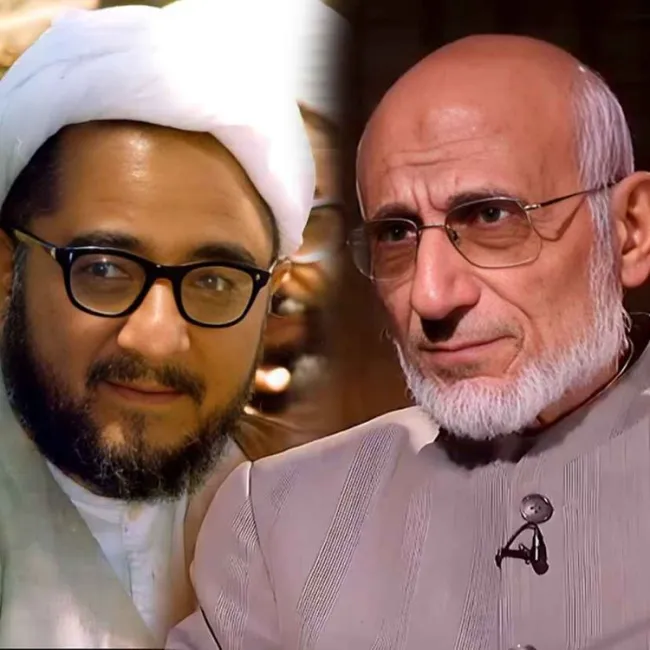
Listen | The Secrets of Sheikh Sadegh Khalkhali / How Did He Execute?
Interview with Seyyed Mostafa Mirsalem
Read more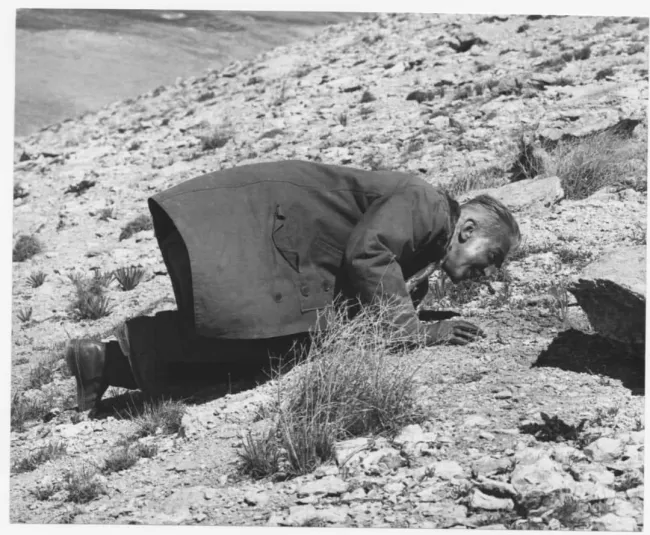
Dr. Marcel Balthazar, the head of the Pasteur Institute of Iran at the time, in search of rodents infected with plague in the nests of these animals, in the village of Akenloo, Kabudarahang city of Hamedan province, in 1958.
Between 1946 and 1961, Dr. Balthazar was the then director of the Pasteur Institute of Iran in Tehran.
Read more
The Special Court for the Clergy to investigate the charges against Seyyed Mehdi Hashemi. Hosseinieh Evin. 1987
Razini, the religious judge. Fallahian, Special Prosecutor. Mohseni Ejeh in charge of the case
Read more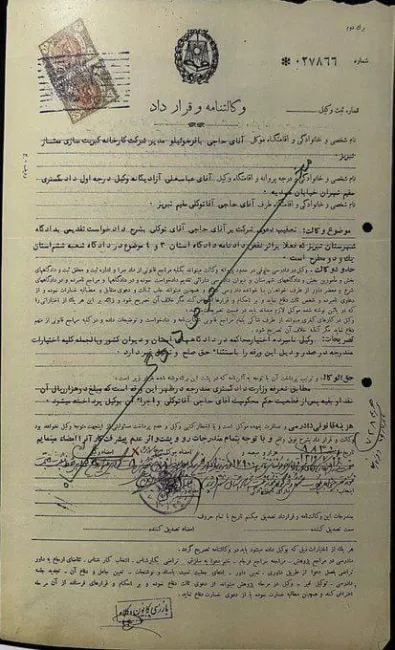
A picture of the power of attorney of a first-degree lawyer in 1930
Power of attorney of Mr. Azad Yeganeh from the manager of Tabriz Mumtaz Match Factory (client) in 1930 Photo source: Tavakoli Matchmaking Family
Read more
Listen | The Resonance of History | Episode 70: How General Gholamali Oveisi Became a Revolutionary Guard
Read more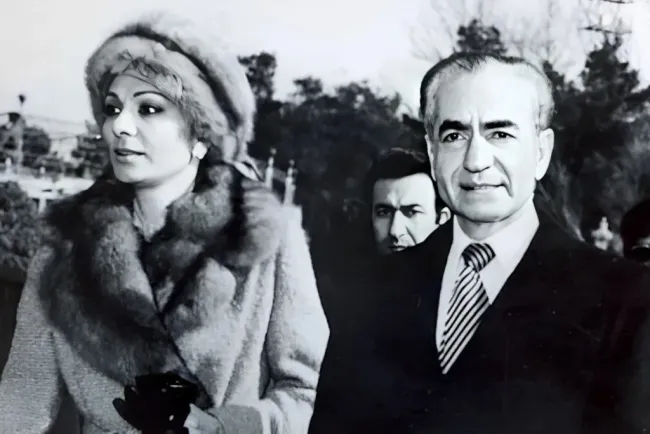
January 16, the anniversary of Mohammad Reza Shah Pahlavi's departure from Iran
Read more
Listen | The Historical Voice of the Debate on the Disclosure of Ayatollah Khomeini's Letter on the Reasons for the Adoption of Resolution 598 in the Presence of Sadegh Zibakalam, Saeed Yari, and Ahmad Bozorgian
Read more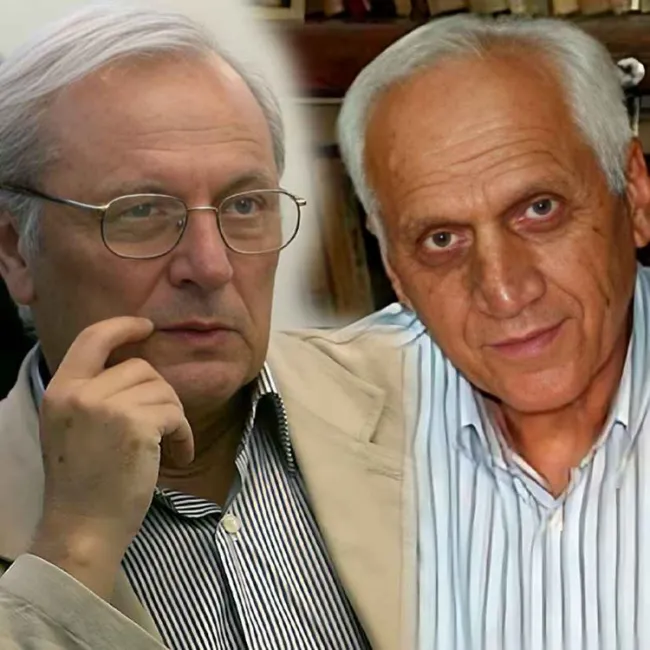
Listen | The Historical Voice of Professor Esmaeil Mirfakhraei's Historical Conversation with Dr. Ahmad Ghahreman, Botanist and Father of Iranian Botany
Read more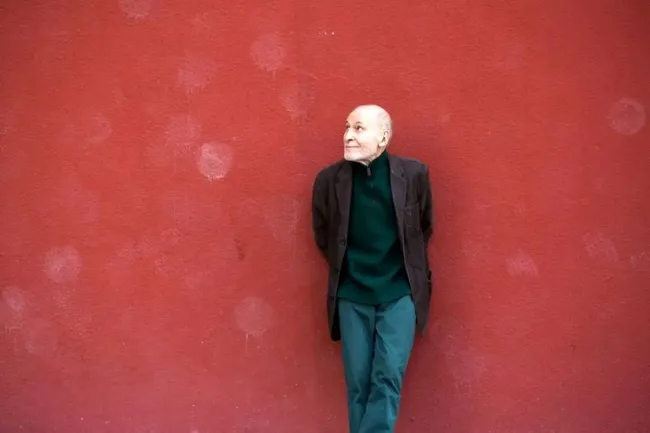
Exclusive/Publication for the first time Behzad Nabavi's response to North Korea's assistance to the Islamic Republic during the war
Read more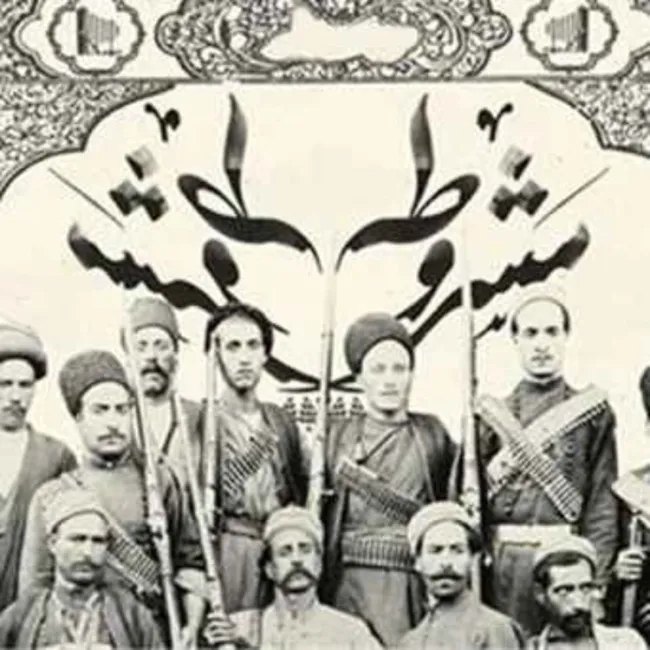
Listen | The Voice of History / The Constitutional Movement or the Constitutional Sedition
Debate between Musa Najafi and Lotfollah Ajdani performed by Ali Shokouhi
Read more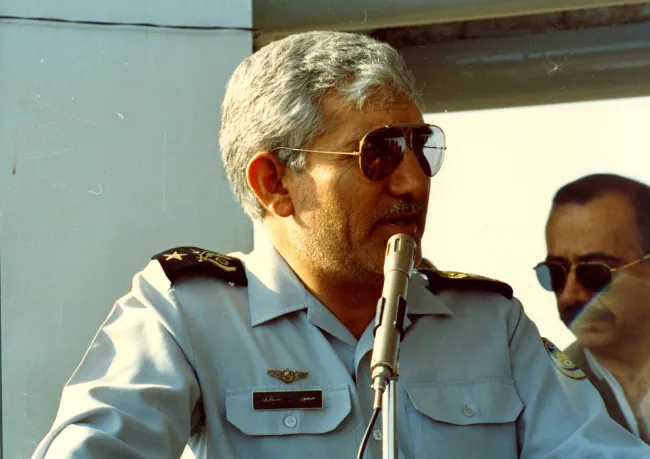
In Memory of the Martyr Commander!
The scene you see is a visit to the Jihad Self-Sufficiency Unit of the University of Hawaii in the early 1990s
Read more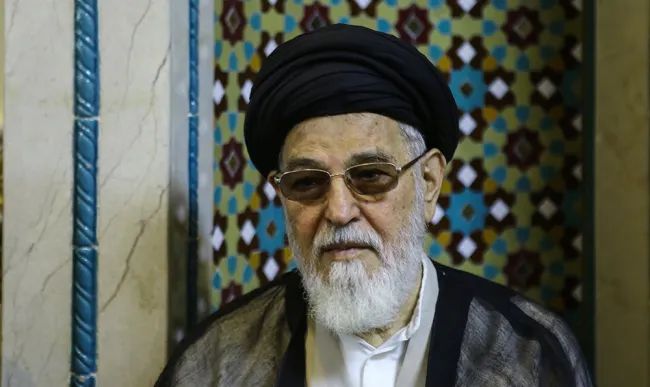
Return of the endowment to the trustee
A few years after Bazargan's interim government was dismissed, the government's view of the Freedom Movement and Mr. Bazargan's affiliates was generally negative
Read more
Listen | The Historical Voice of the Second Part of Dr. Ghasem Pourhassan's Historical Interview with Ayatollah Yousef Sanei, Ayatollah Yousef Sanei, Former Prosecutor of the Islamic Republic of Iran on Women's Rights
Read more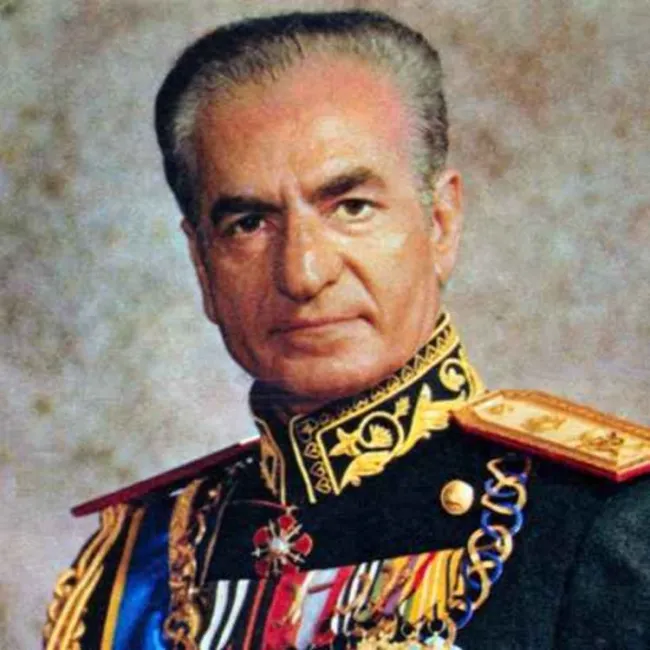
Listen | The Resonance of History | Part 69 of Mohammad Reza Shah Pahlavi's speech at the International Workers' Day session in 1976
Read more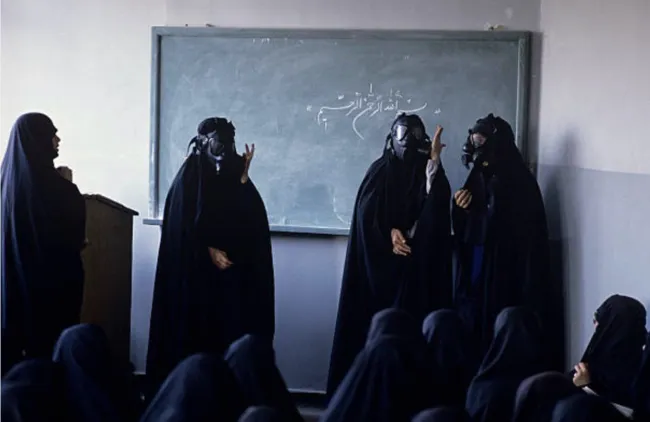
"Military training class in the final years of the war."
Photo by Kaveh Kazemi Ali Malihi page
Read more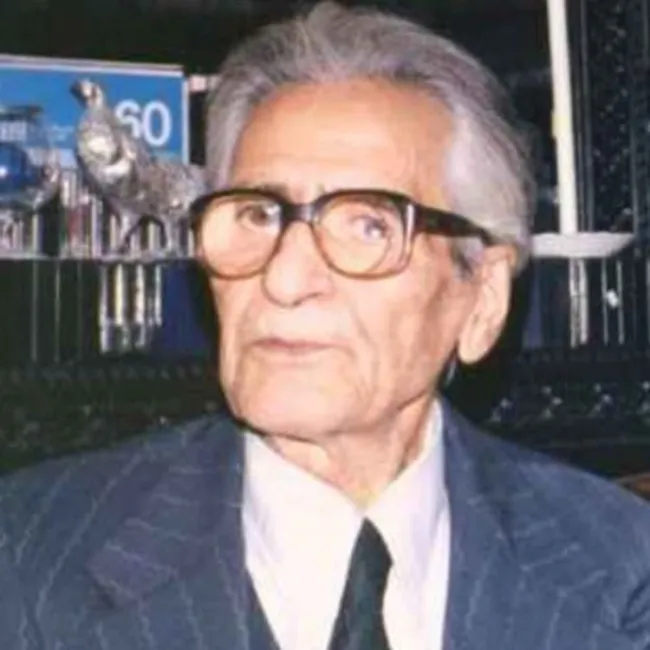
The Resonance of History | Episode Sixty-Eight | An Unheard Conversation from the Living Memory of Master Hossein Ghavami - Part 2
Read more
Listen | Abdi Media Podcast Echoes History | Episode Sixty-Seven | An Unheard Conversation from the Living Memory of Professor Hossein Ghavami - Part 1
Read more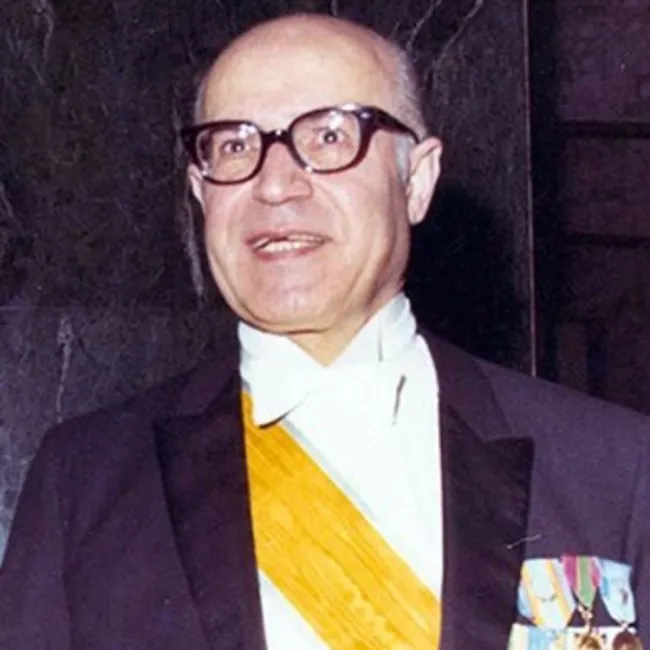
Listen | Full file - Meeting of the National Security Council chaired by Jafar Sharif Emami before September 8, 1978
Read more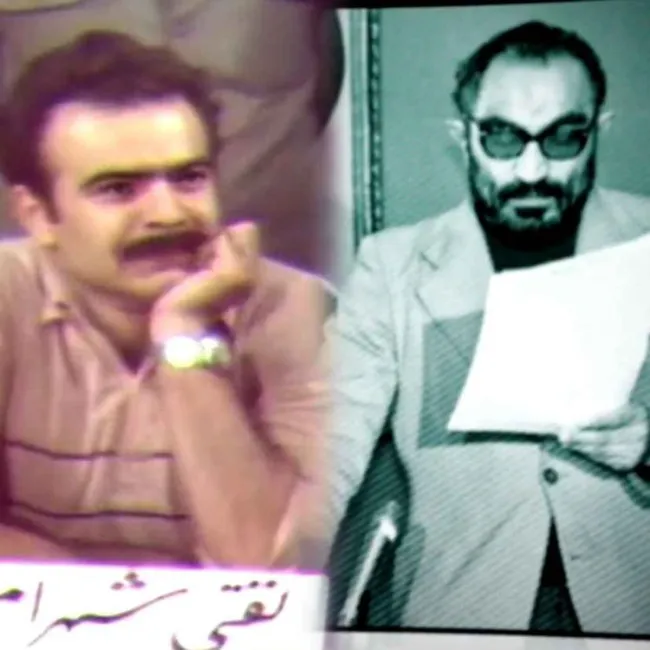
Listen | Abdi Media Podcast Echoes History | Episode Sixty-Six | Reading the indictment of Mohammad Taghi Shahram by Asadollah Lajevardi
Read more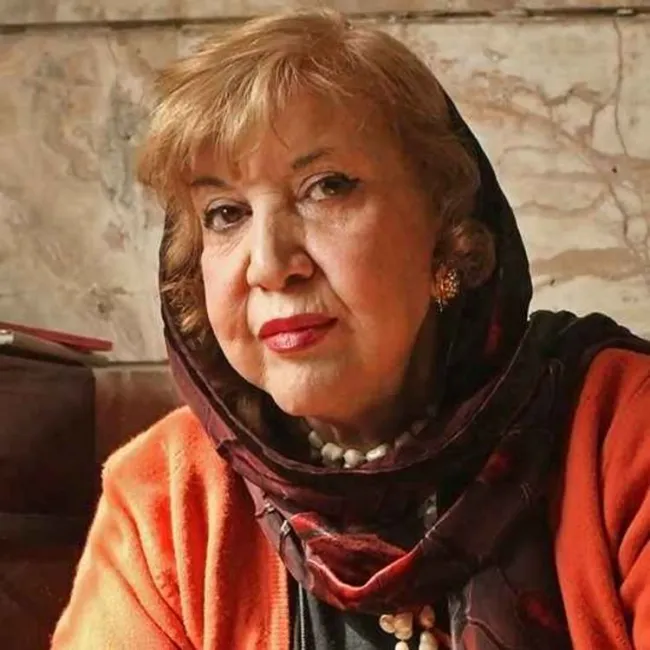
Listen to Abdi Media podcast
The Resonance of History, the sixty-fifth part of a historical conversation with Simin Behbehani, the famous Iranian poet
Read more
Listen | Audio file of the "Creeping Coup," a confidential meeting of IRGC commanders with Mohsen Rezaei during the fourth year of the war.
Full and uncensored file.
Read more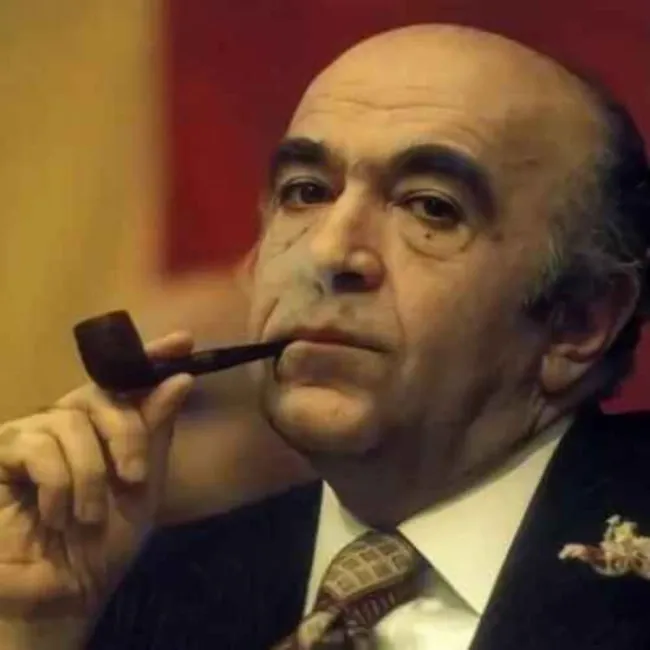
Listen | Abdi Media Podcast
The Resonance of History | Episode 64 | Hoveyda's press conference in 1965 on the Iran-Iraq disputes
Read more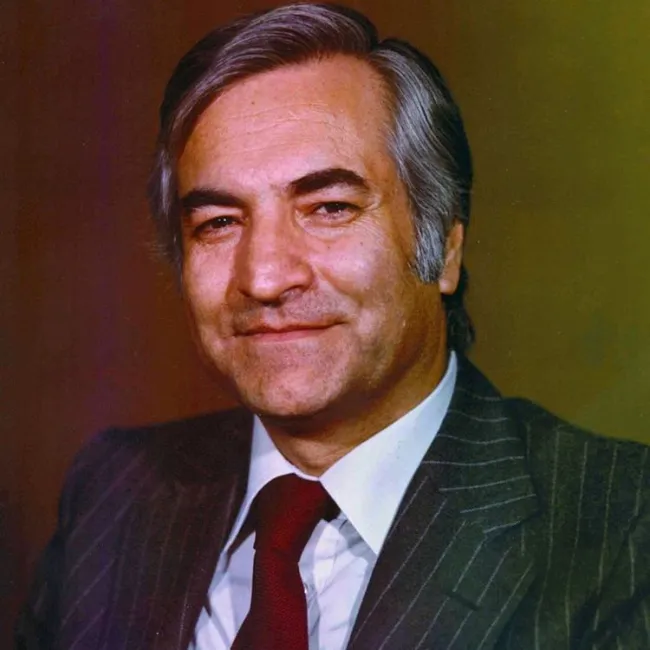
Listen | Published for the first time - One of the sessions of Abbas Amir-Entezam's trial presided over by Mohammadi Gilani
Part One
Read more
Listen | Abdi Media Podcast
The Resonance of History | Episode 63 | Hoveyda's press conference in 1965 about the contract for the construction of the Ariamehr iron smelter with the Soviet Union
Read more
Hassan Ali Mansour's speech at the Chamber of Commerce
Read more
Salary slip showing that a teacher in 1971 had a salary of 564 Tomans
The price of a gold coin was about 113 tomans, so a teacher could buy 5 coins with his monthly salary, which is now about 200 million tomans.
Read more
The Resonance of History | Episode 61 | An unheard interview with Mehdi Soheili, a well-known contemporary poet of Iran
Read more
Mohsen Sheikhpour, an economics student (left), and Ali Shakouri Rad, a medical student (right), in the elections of the first term of the Islamic Association of Tehran University in 1979.
Read more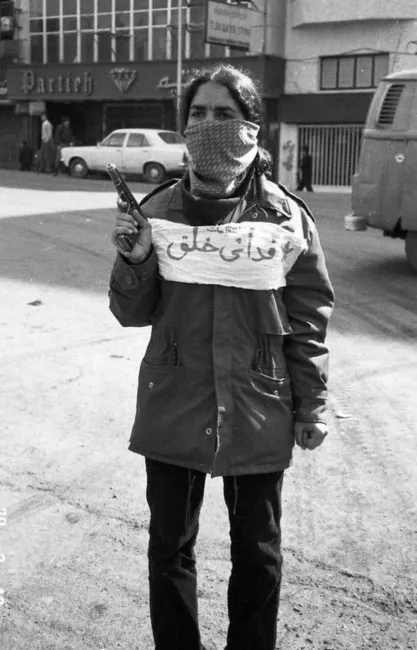
November 4, 1979, outside the U.S. Embassy in Tehran, Photo by Alfred Yaghoubzadeh
Read more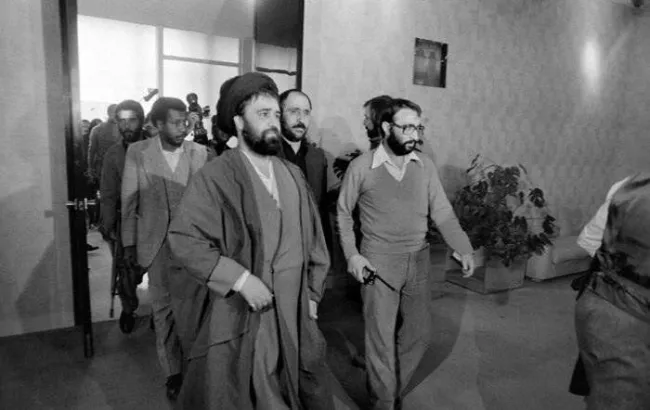
Lesser-Seen Images of the Takeover of the U.S. Embassy on November 4, 1979
Read more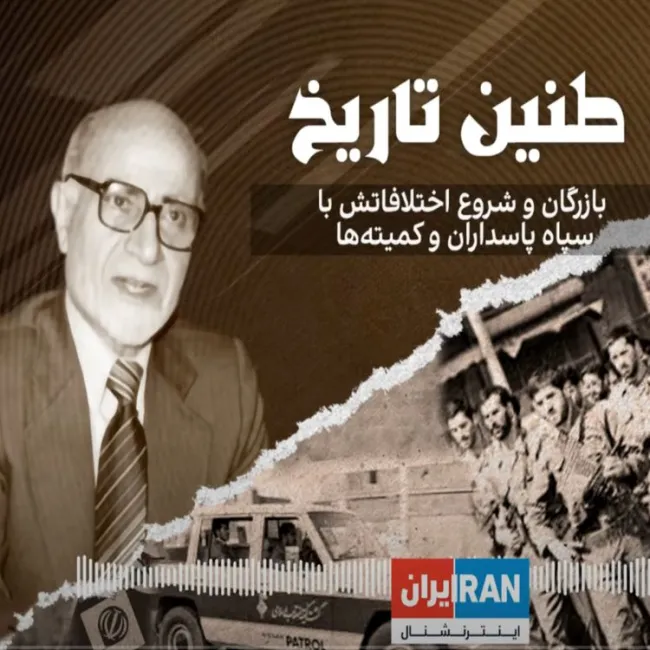
The Resonance of History | Episode 59 | Bazargan and the beginning of his disputes with the Revolutionary Guards and the committees
Read more
The Resonance of History | Episode 58 | An Unheard Conversation by Master Mansour Nariman, the Father of Iran's Oud Producer and Performer: Abdollah Abdi
Read more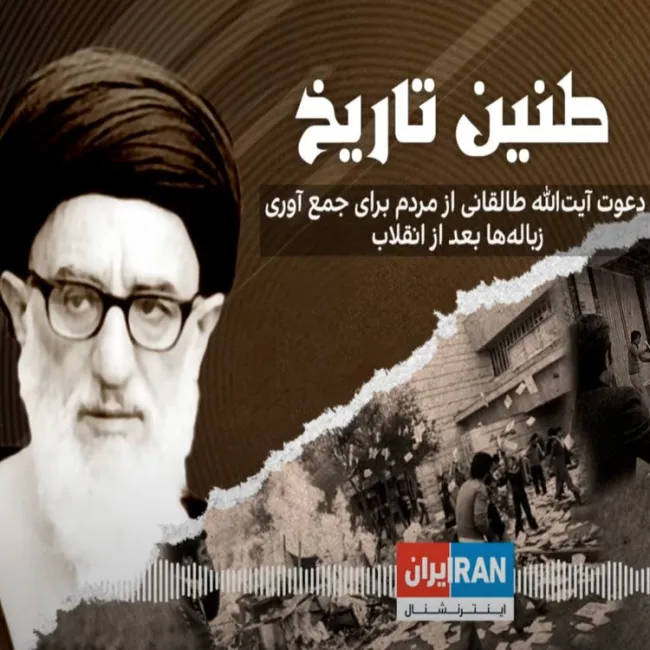
The Resonance of History | Episode 57 | Ayatollah Taleghani's Invitation to People to Collect Garbage after the Revolution
Read more
The Resonance of History | Episode 56 | An Unheard of the Personal and Professional Life of Ezzat Roohbakhsh, the Famous Iranian Singer
Read more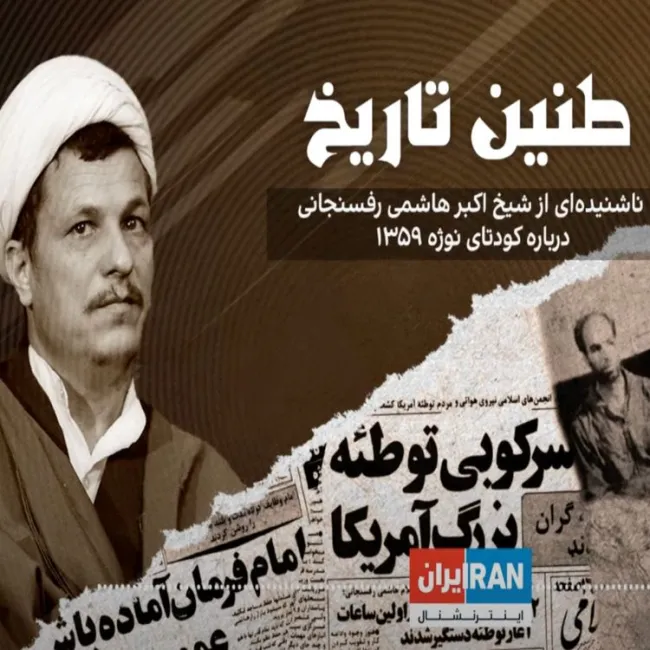
The Resonance of History | Episode 55 | Unheard of by Sheikh Akbar Hashemi Rafsanjani about the 1980 Nojeh coup d'état
Read more
The Resonance of History | Episode Fifty-Four | c. Seyyed Abolhassan Banisadr's remarks on February 25, 1979: The country of Iran is on the abyss
Read more
The Resonance of History | Episode Fifty-Three | Friday BazaarFereydoun Farrokhzad
Read more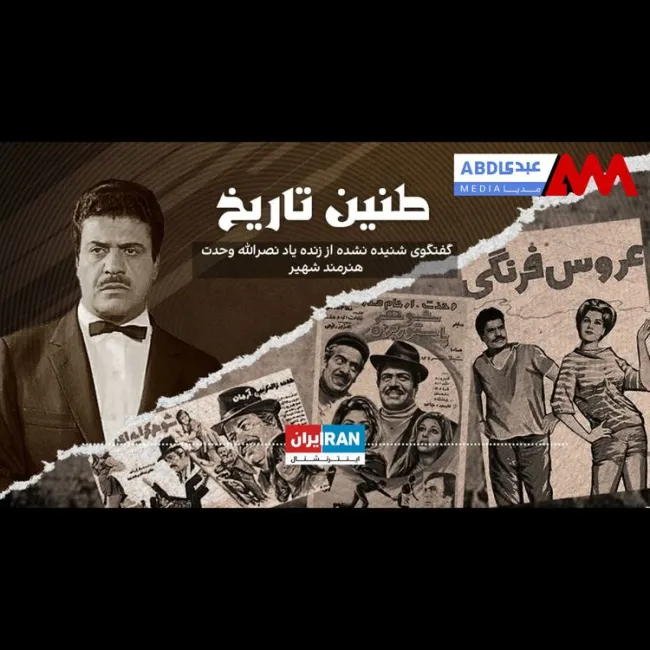
The Resonance of History | Episode Fifty-Two | An unheard interview with Nasrollah Vahdat, the famous artist
Read more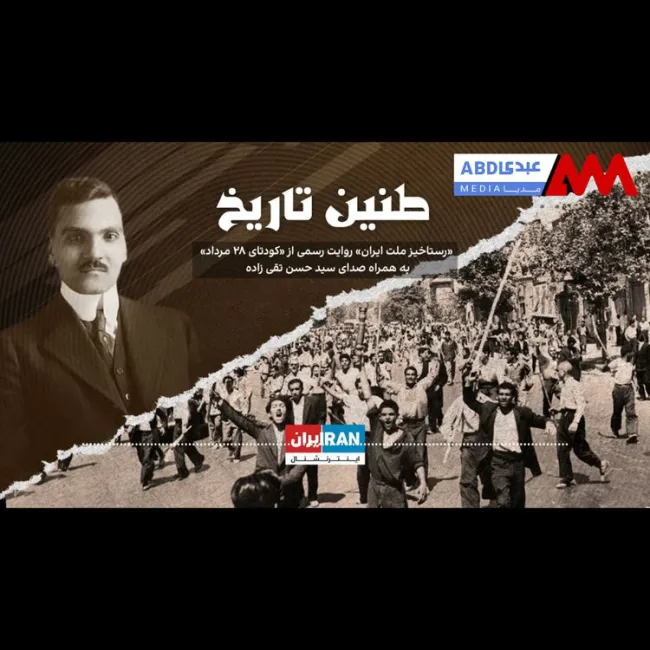
The Resonance of History | Episode 51 | "The Resurrection of the Iranian Nation": The Official Narrative of the "August 19 Coup" with the Voice of Seyyed Hassan Taghizadeh
Read more
The Resonance of History | Episode 50 | The First Iranian Party Student Congress in the Pan-Iranist Party
Read more
The Resonance of History | Episode 49 | An unheard conversation with Mahsti, a well-known singer of Iran
Read more
The Resonance of History | Episode 48 | Mohammad Reza Shah Pahlavi's speech on the occasion of Dehghan Day in 1966 and attention to the issue of water resources
Read more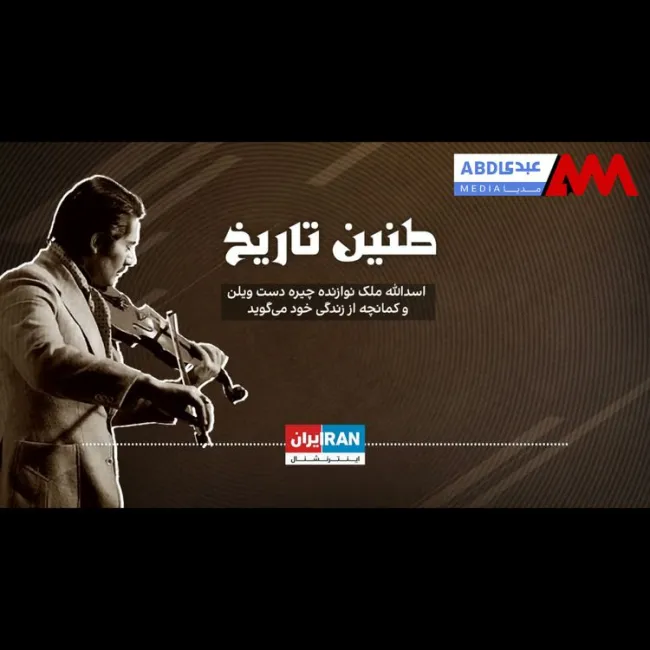
The Resonance of History | Episode 47 | Asadullah Malik, a master violinist and fiddle player, talks about his life
Read more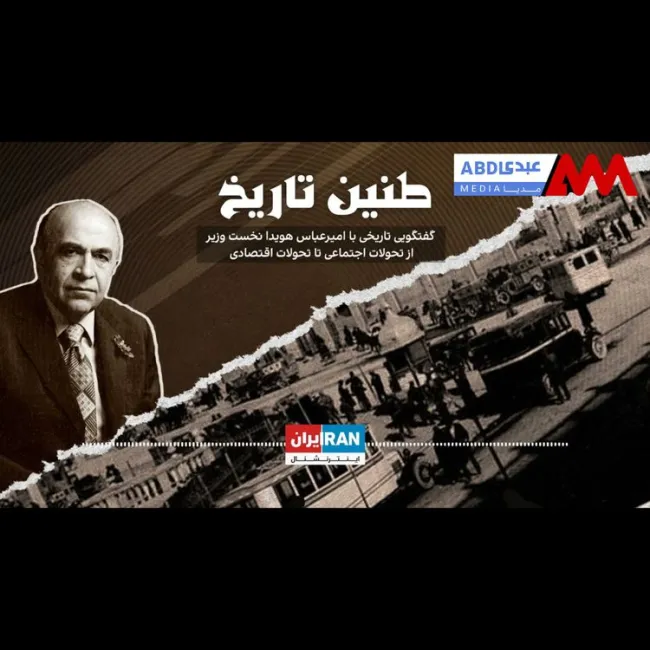
The Resonance of History | Episode 46 | A Historic Interview with Prime Minister Amir Abbas Hoveyda, from Social to Economic Developments
Read more
The Resonance of History | Episode 45 | Part of Abbas Amir-Entezam's defense in the Revolutionary Court for the first time
Read more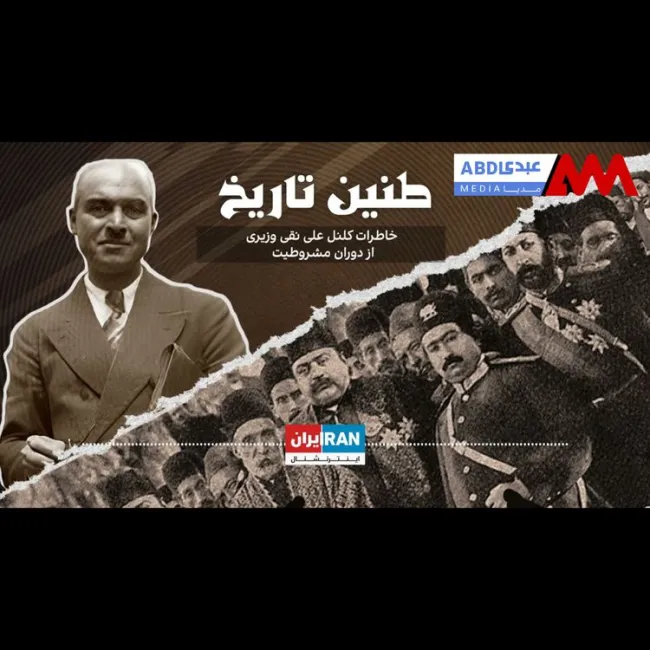
The Resonance of History | Episode 44 | Colonel Ali Naqi Vaziri from the Constitutional Era to the Asylum of Mohammad Ali Shah Qajar
Read more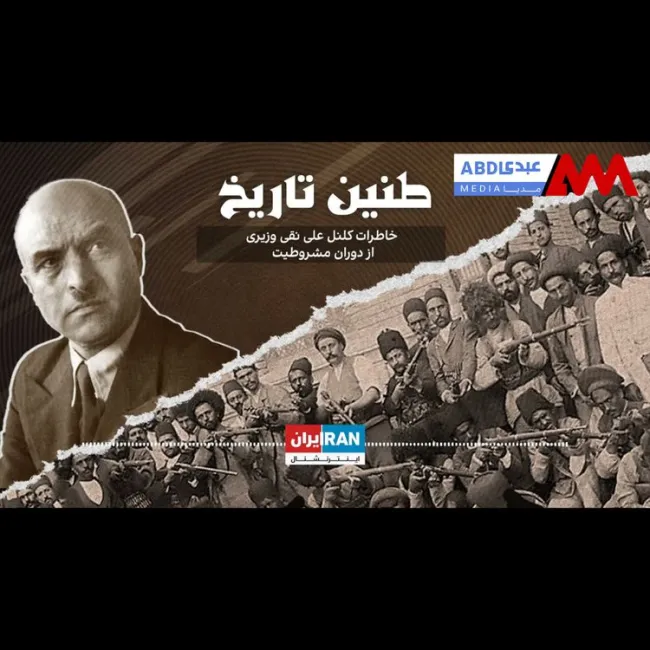
The Resonance of History | Episode 43 | Colonel Ali Naqi Vaziri's Memoirs of the Constitutional Era
Read more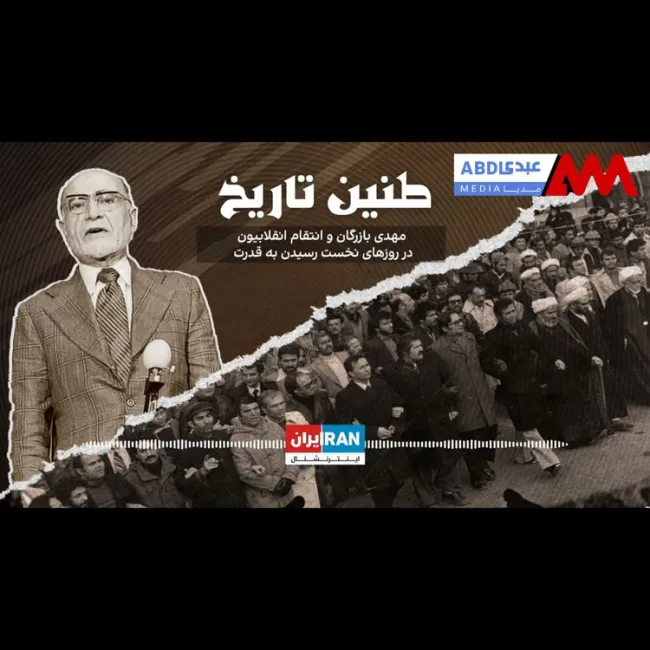
The Resonance of History | Episode 42 | Mehdi Bazargan and the revenge of the revolutionaries in the first days of coming to power
Read more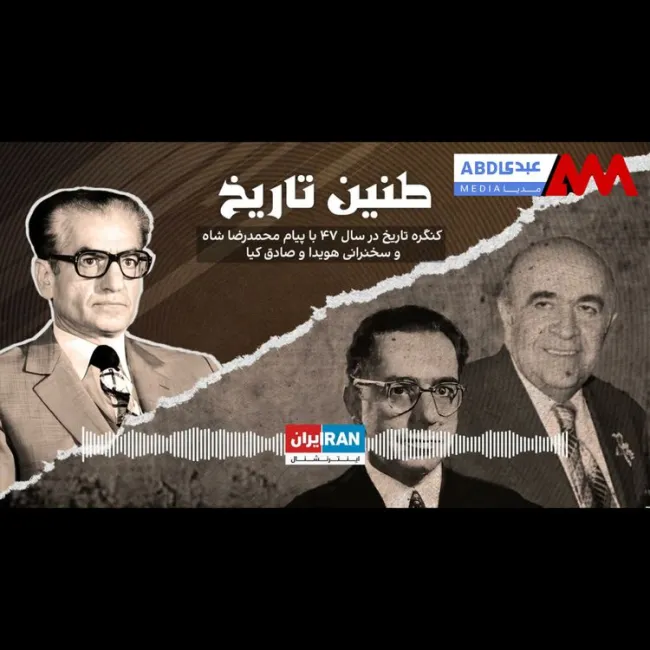
The Resonance of History | Episode 41 | History from the Heart of History: The History Congress in 1968 with the Message of Mohammad Reza Shah and the Speech of Hoveyda and Sadegh Kia
Read more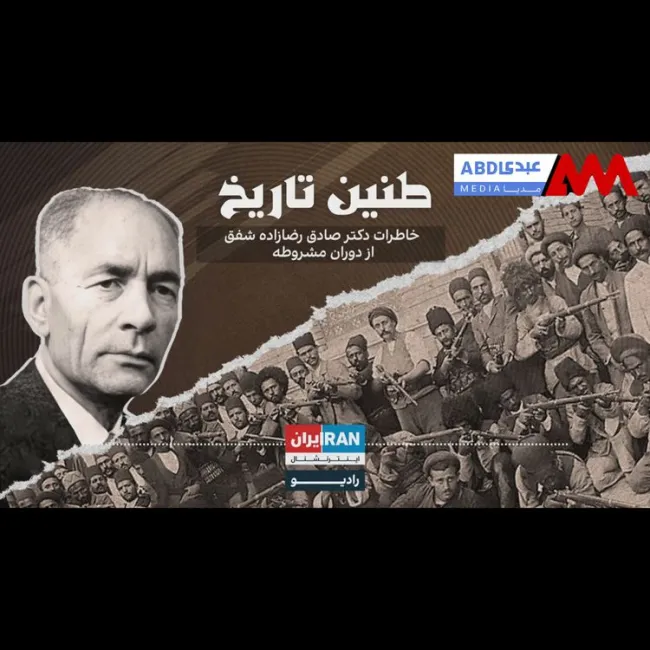
The Resonance of History | Episode 40 | Dr. Sadegh Rezazadeh Shafagh's Memories of the Constitutional Era
Read more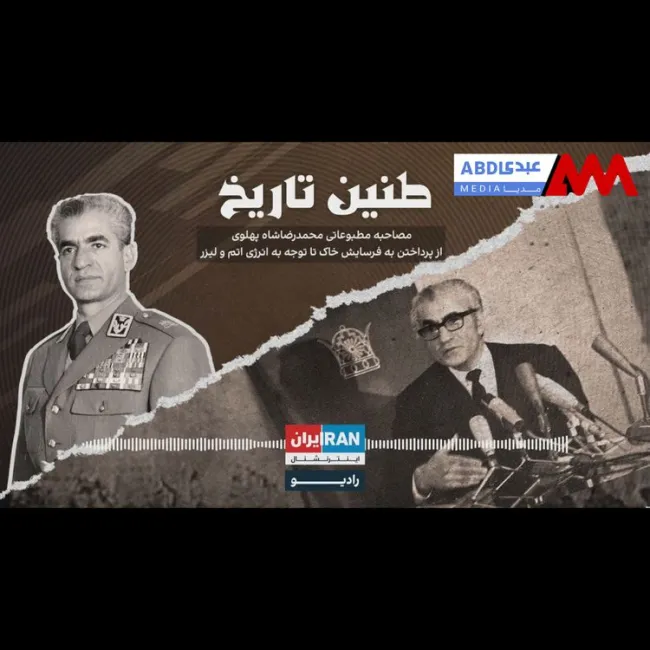
The Resonance of History | Episode 39 | Press Interview of Mohammad Reza Shah Pahlavi From Addressing Soil Erosion to Paying Attention to Atomic Energy and Laser
Read more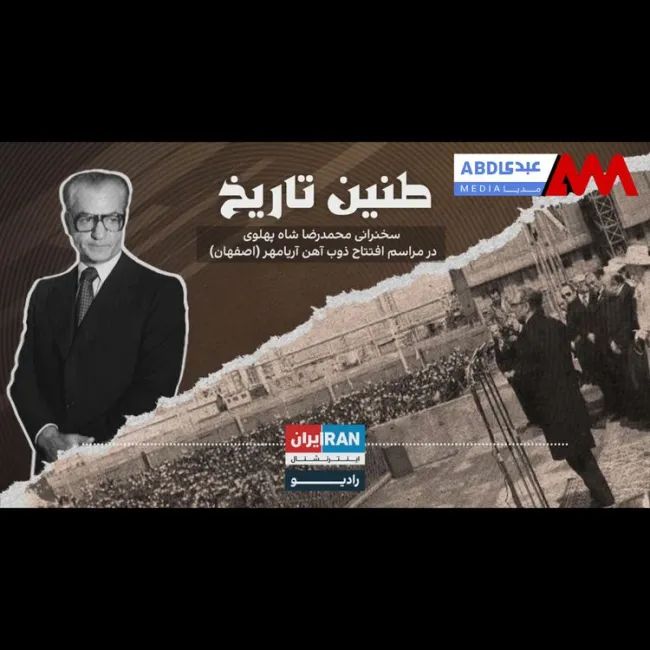
The Resonance of History | Episode 38 | Mohammad Reza Shah Pahlavi's speech at the inauguration ceremony of Ariamehr Steel Mill (Isfahan)
Read more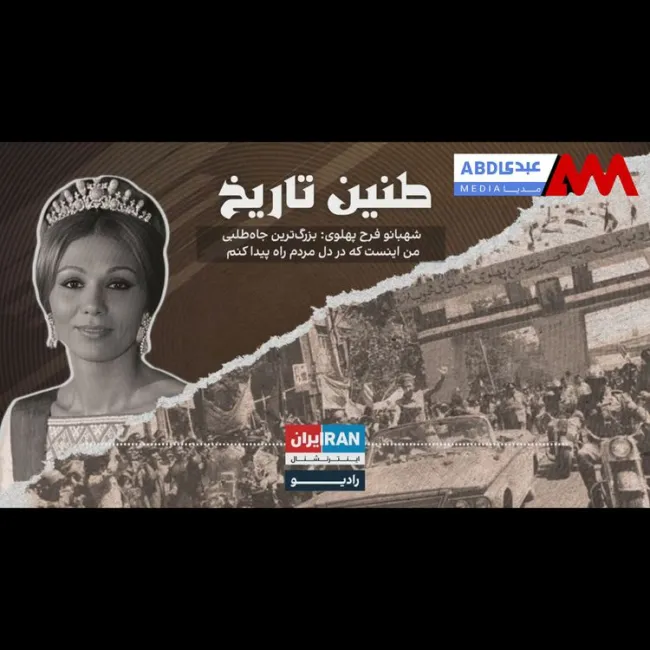
The Resonance of History | Empress Farah Pahlavi: My greatest ambition is to find my way into the hearts of the people
Read more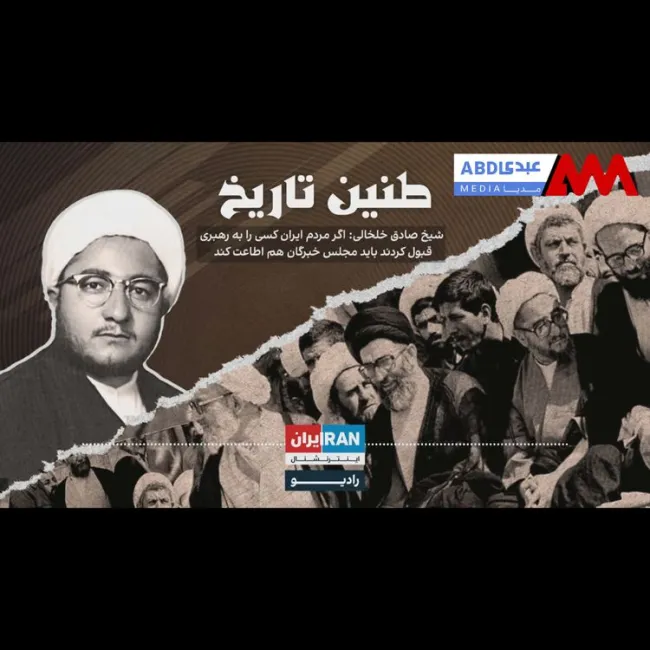
The Resonance of History | Episode 36 | Sheikh Sadegh Khalkhali: If the Iranian people accept someone as the Supreme Leader, the Assembly of Experts must also obey
Read more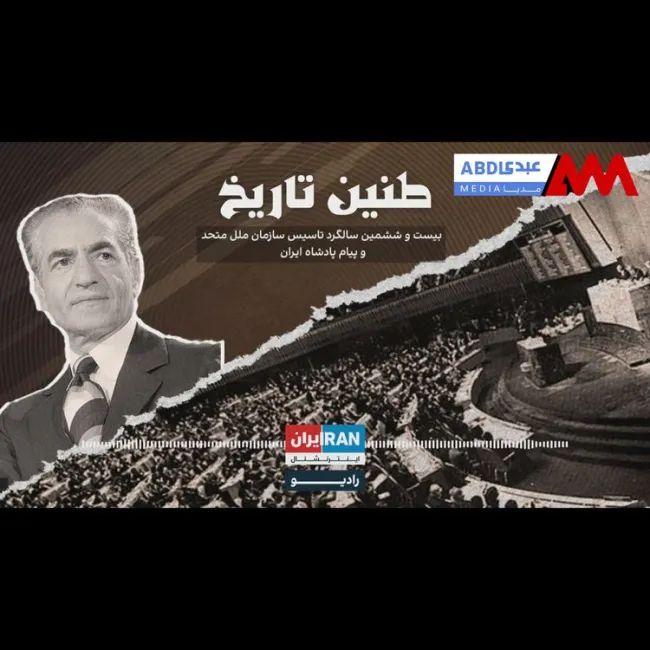
The Resonance of History | Episode 35 | The 26th Anniversary of the Founding of the United Nations and the Message of the King of Iran
Read more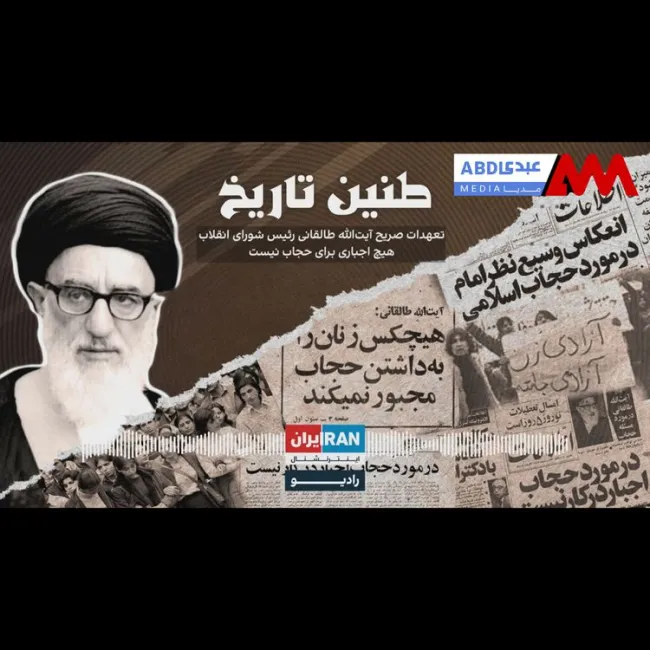
The Resonance of History | Episode 34 | Ayatollah Taleghani's explicit commitments: "There is no compulsion for the hijab"
Read more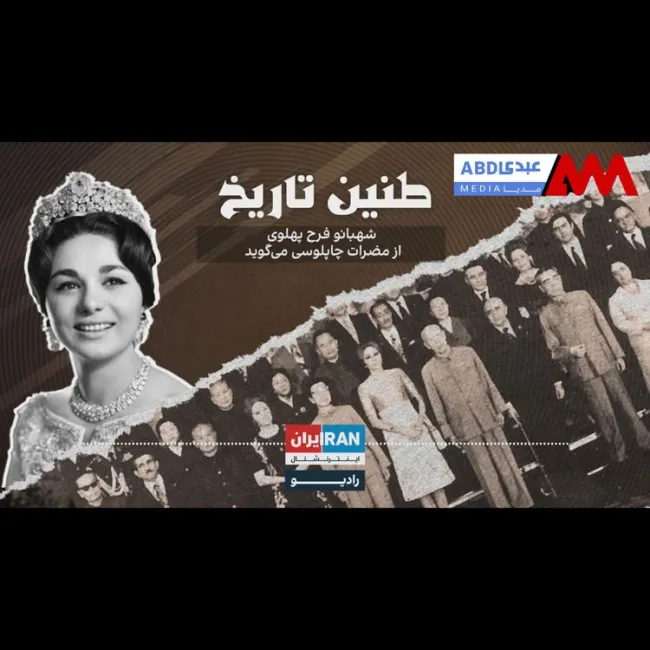
The Resonance of History | Episode 33 | Empress Farah Pahlavi talks about the harms of flattery
Read more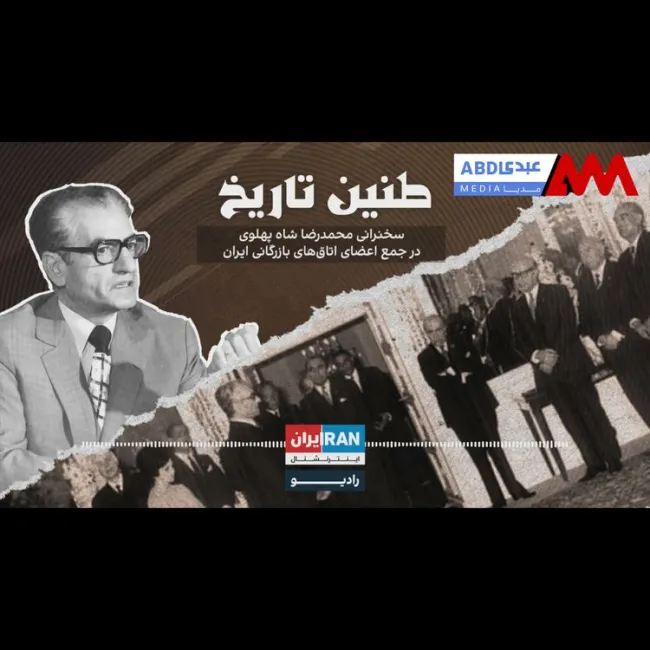
The Resonance of History | Episode 32 | Mohammad Reza Shah Pahlavi's speech to the members of the Iranian Chambers of Commerce
Read more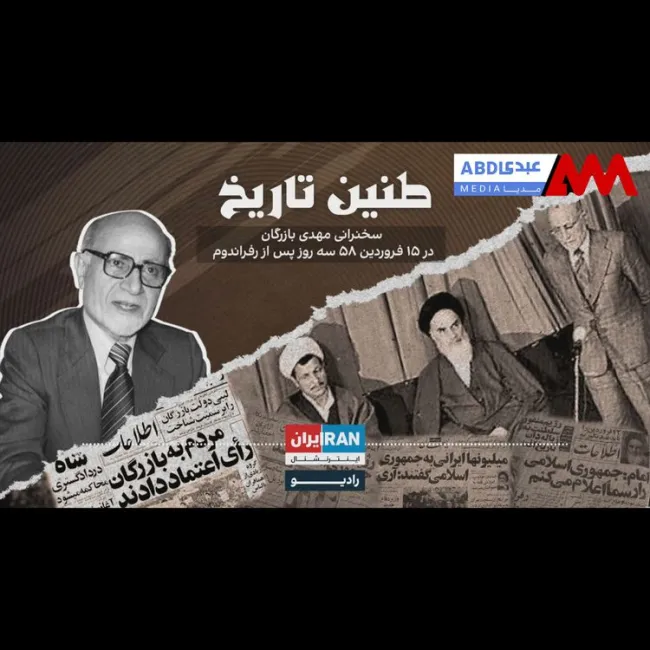
The Resonance of History | Episode 31 | Mehdi Bazargan's speech on April 4, 1979, three days after the referendum
Read more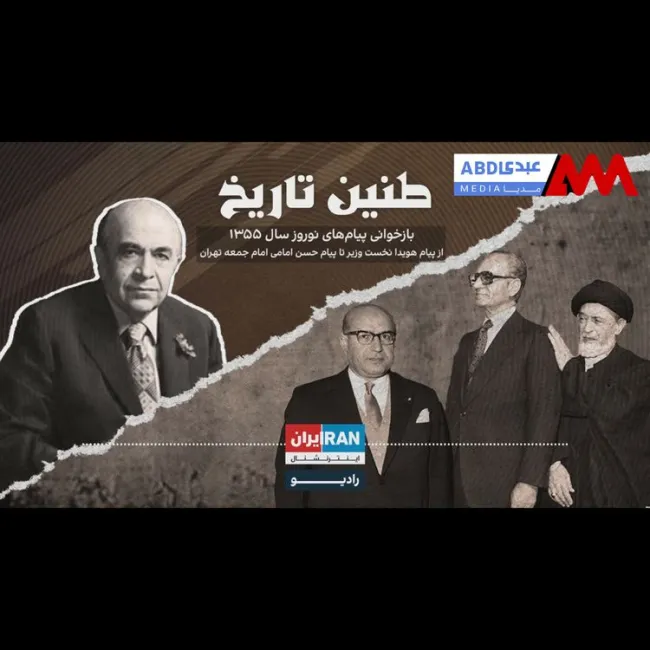
The Resonance of History | Part 30 | Rereading the messages of Nowruz in 1976
Read more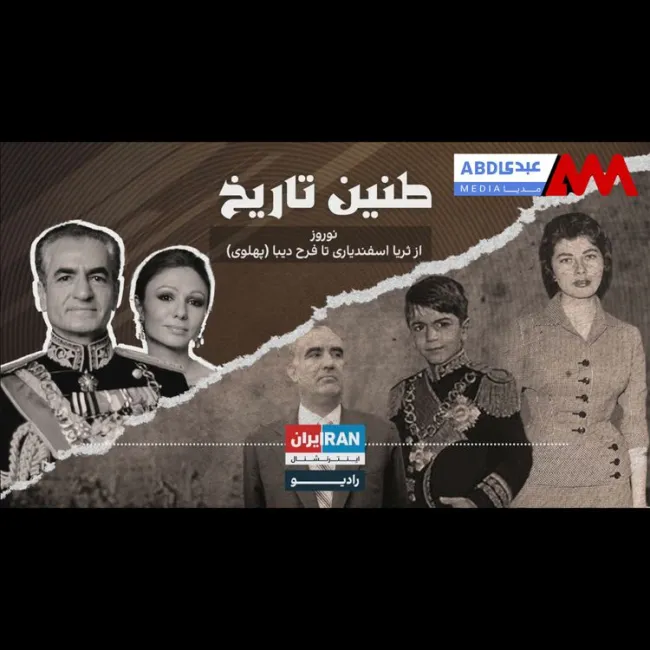
The Resonance of History | Episode 29 | Nowruz: From Soraya Esfandiari to Farah Diba (Pahlavi)
Read more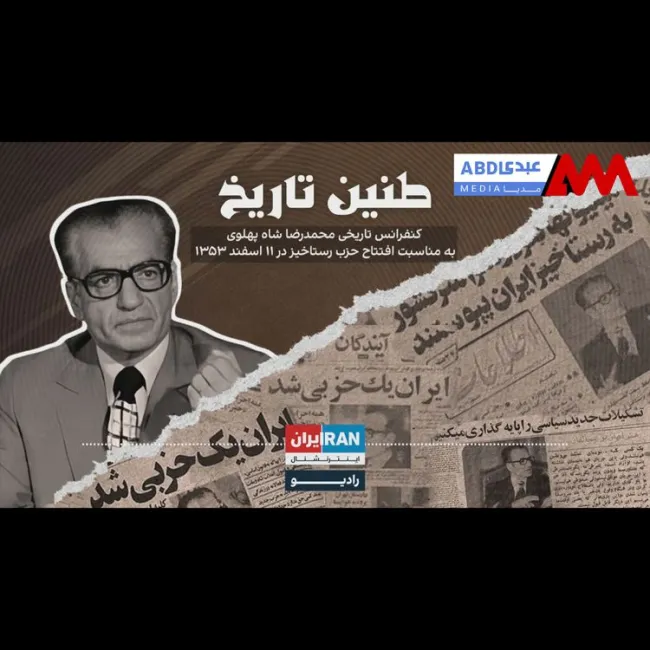
The Resonance of History | Episode 28 | Mohammad Reza Shah Pahlavi's Historical Conference on the Occasion of the Inauguration of the Rastakhiz Party on March 2, 1975
Read more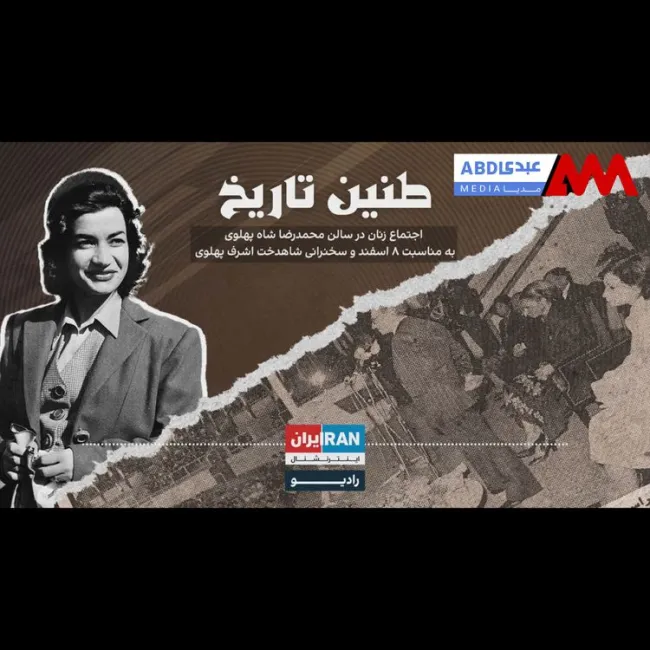
The Resonance of History | Episode 27 | Princess Ashraf Pahlavi's speech on the occasion of February 28
Read more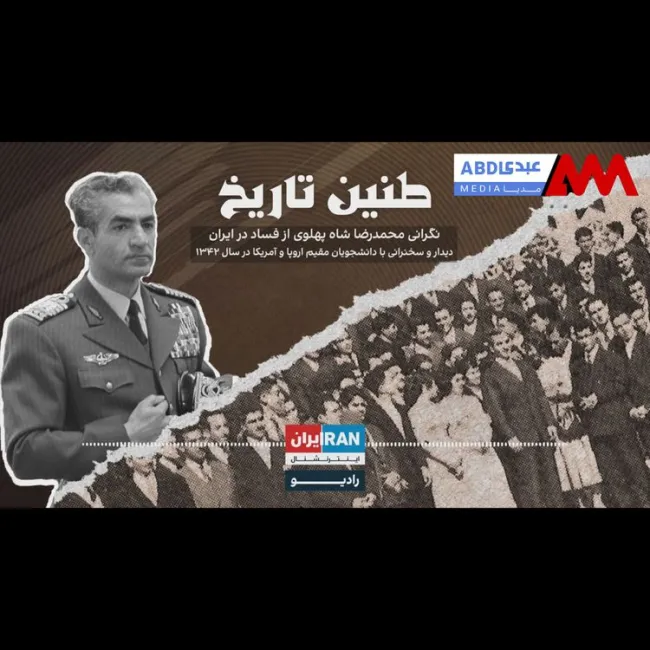
The Resonance of History | Episode 26 | Mohammad Reza Shah Pahlavi's concern about corruption in Iran
Read more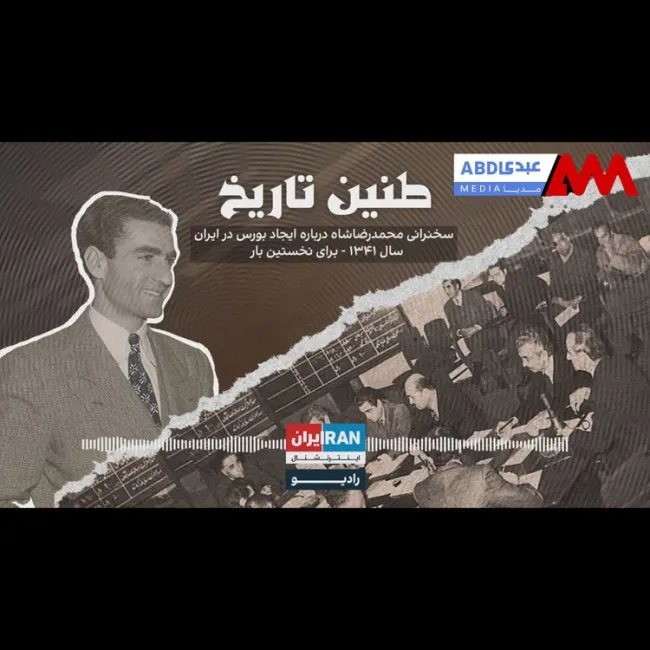
The Resonance of History | Episode 25 | Mohammad Reza Shah's Speech on the Establishment of the Stock Exchange in Iran - 1962
Read more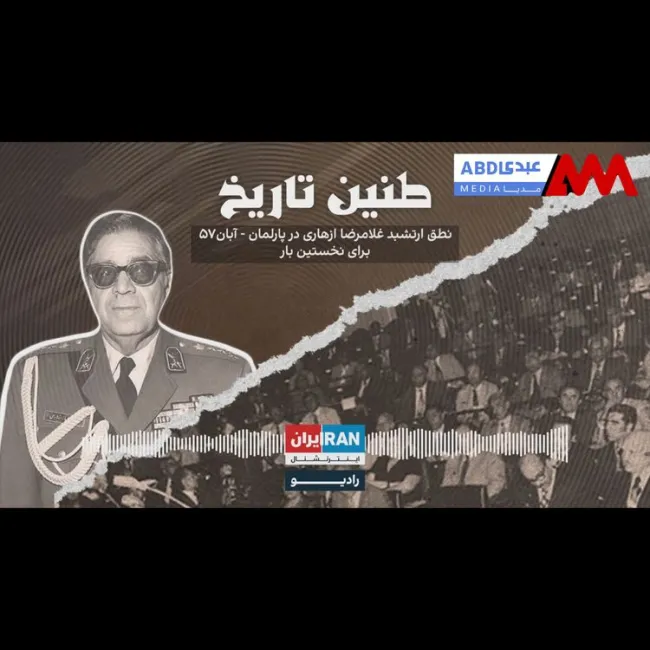
The Resonance of History | Episode 24 | General Gholamreza Azhari's speech in the parliament - November 1978 for the first time
Read more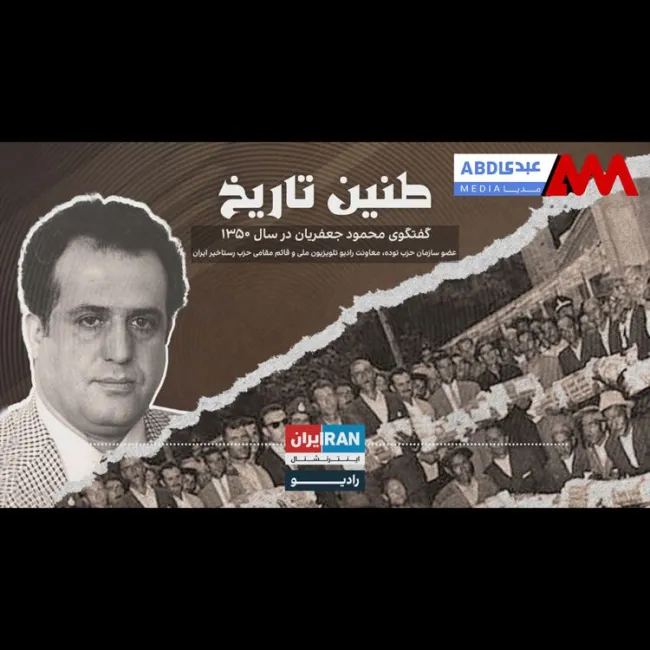
The Resonance of History | Episode 23 | Mahmoud Jafarian's Interview in 1971
Read more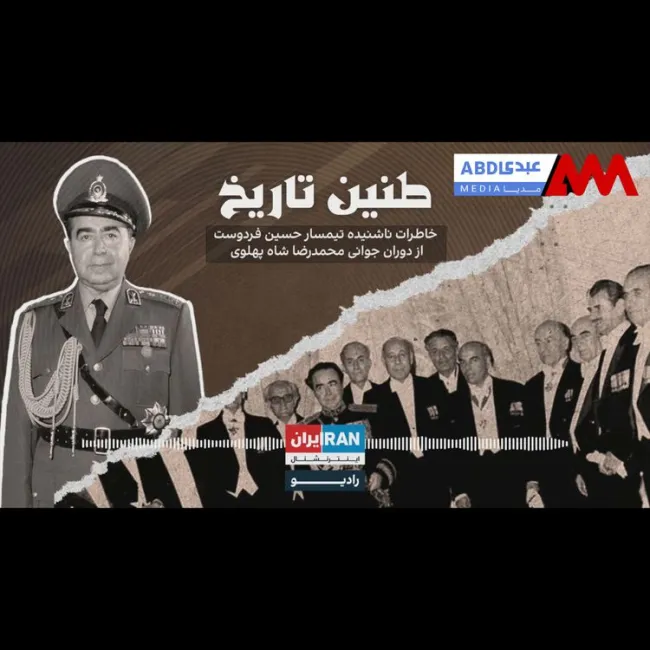
The Resonance of History | Episode 22 | The Unheard Memories of General Hossein Fardoost from the Youth of Mohammad Reza Shah Pahlavi
Read more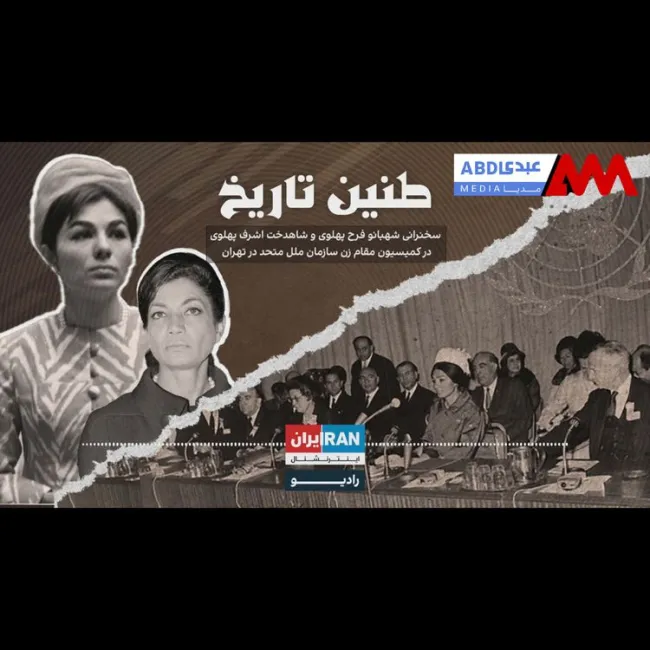
The Resonance of History | Episode 21 | Speech by Empress Farah Pahlavi and Princess Ashraf Pahlavi at the United Nations Commission on the Status of Women
Read more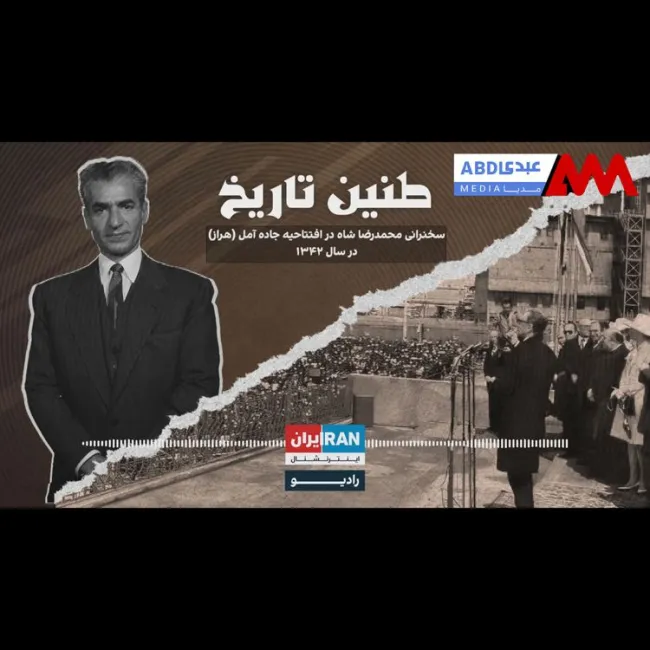
The Resonance of History | Episode 20 | Mohammad Reza Shah's speech at the inauguration of the Amol (Haraz) road in 1963
Read more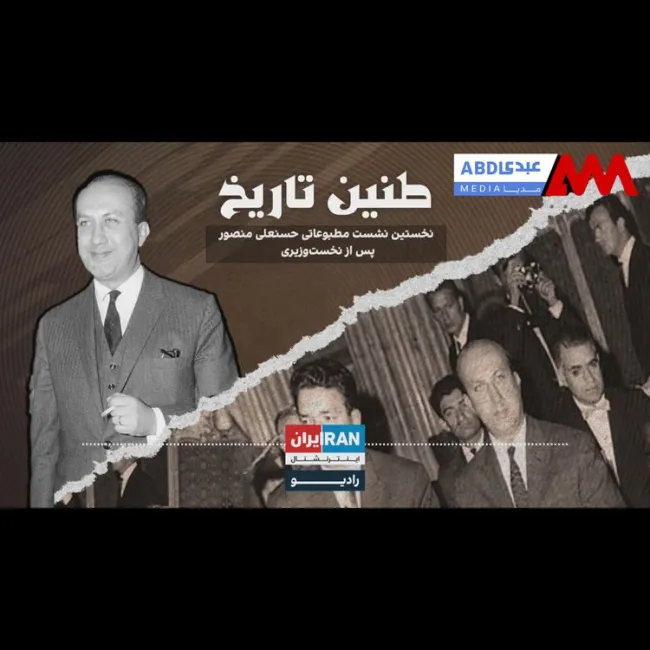
The Resonance of History | Episode 19 | Hasan Ali Mansour's first press conference after becoming prime minister
Read more
The Resonance of History | Episode 18 | Mohammad Taghi Shahram's trial session for the first time
Read more
The Resonance of History | Episode 17 | Sobhan Gholi Khalatbari's Unheard Memories of Reza Shah
Read more
The Resonance of History | Episode 16 | The opening of Farah Pahlavi University and Empress Farah Pahlavi's concern about the cultural attack
Read more
The Resonance of History | Episode 15 | The Unheard Voice of Master Banan
Read more
The Resonance of History | Episode 14 | From Hossein Kazemzadeh in the 1960s to Meysam Lotfi in 2021
Read more
The Resonance of History | Episode 13 | Sheikh Gilani tried Abbas Amir-Entezam for the first time
Read more
The Resonance of History | Episode 12| Unheard of the ratification of women's rights in Iran, from the Ayatollah's confrontation with the Shah to the ratification of the
Read more
The Resonance of History | Episode 11 | The Echo of Wigen's Voice: An Unheard Conversation from the Sultan of Iranian Jazz
Read more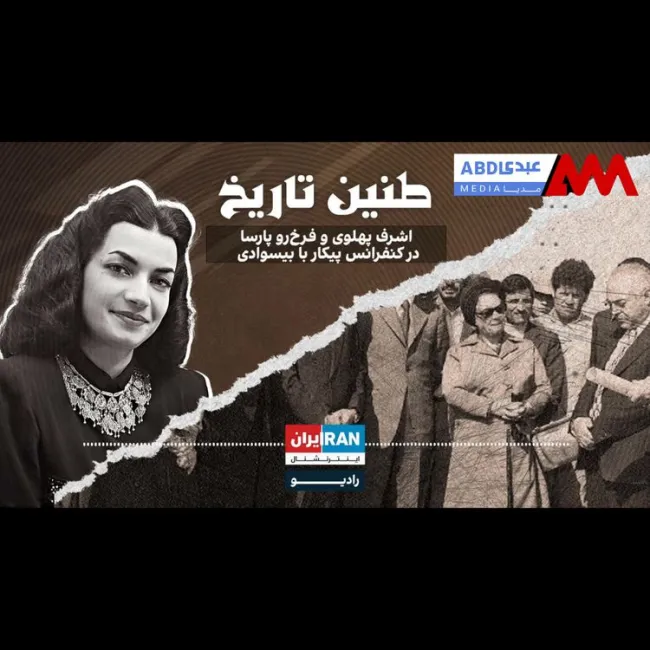
The Resonance of History | Episode 10 | Ashraf Pahlavi and Farrokh Roo Parsa at the Conference on Fighting Illiteracy, for the first time
Read more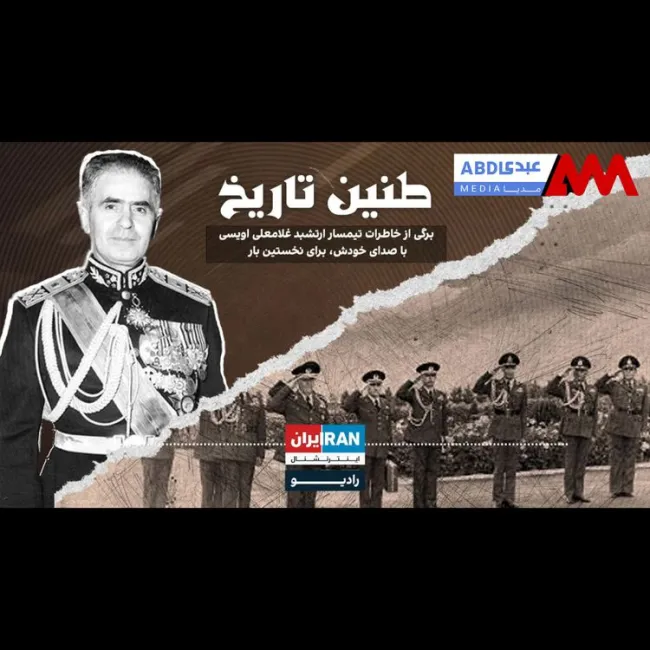
The Resonance of History | Episode 9 | A page from the memoirs of General Gholamali Oveisi in his own voice, for the first time
Read more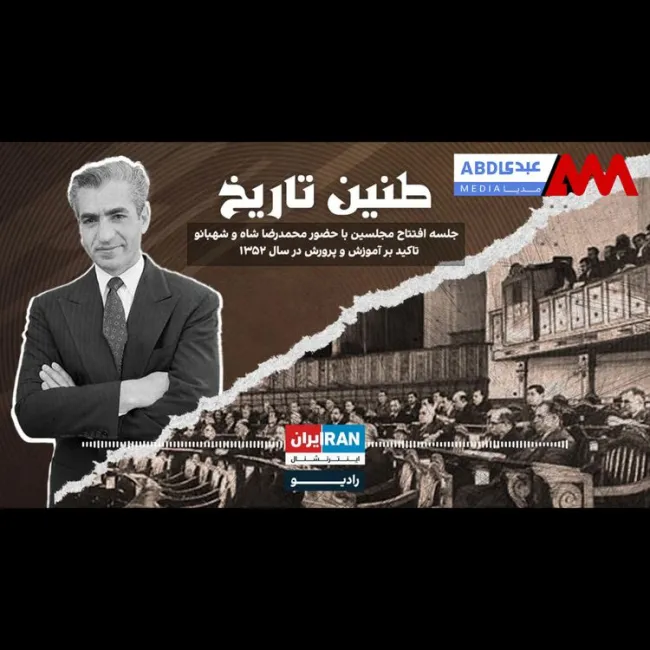
The Resonance of History | Episode 8 | The opening session of the two chambers with the presence of Mohammad Reza Shah and the Empress
Read more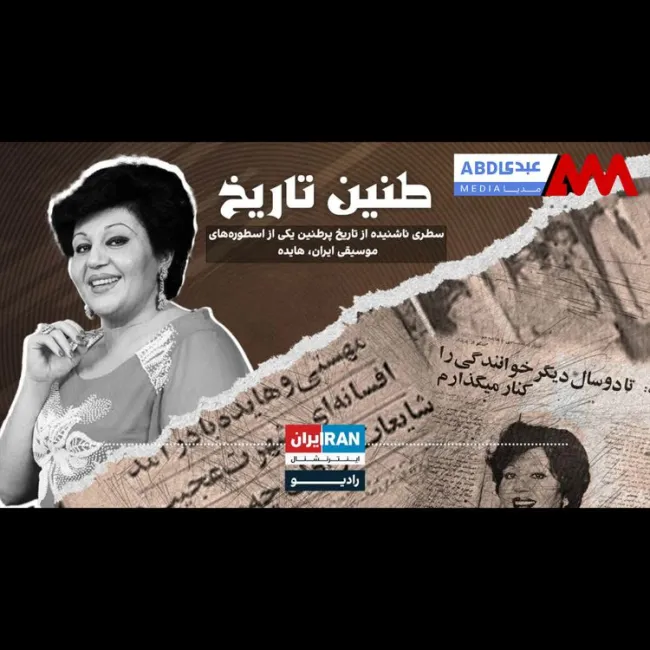
The Resonance of History | Episode 7 | An unheard line from the resonant history of one of the legends of Iranian music, Hayedeh
Read more
The Resonance of History | Part 6 | Prime Minister Hasan Ali Mansour visits Gilan and Mazandaran a few months before his assassination
Read more
The Resonance of History | Part V | Amir Abbas Hoveyda's First Speech as Prime Minister in the National Assembly
Read more
The Resonance of History | Part 4 | Seyyed Abolhassan Banisadr and the Compulsory Hijab: For or Against
Read more
The Resonance of History | Part 3 | An unheard interview with Mohammad Javad Badiezadeh, a famous Iranian singer, musician and composer
Read more
The Resonance of History | Part II | Mohammad Mossadegh's Unheard Speech on March 20, 1952 and Rejection of American and British Proposals
Read more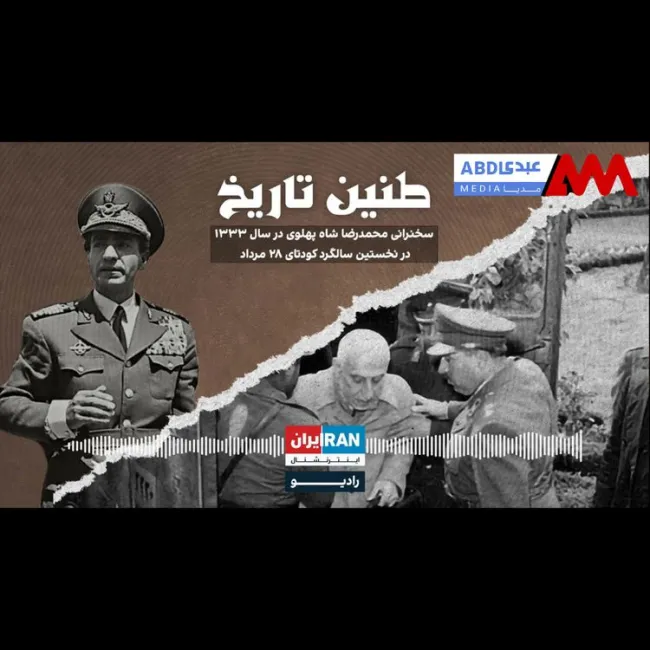
The Resonance of History | Part 1 | Mohammad Reza Shah Pahlavi's speech in 1954 on the first anniversary of the August 19 coup d'état
Read more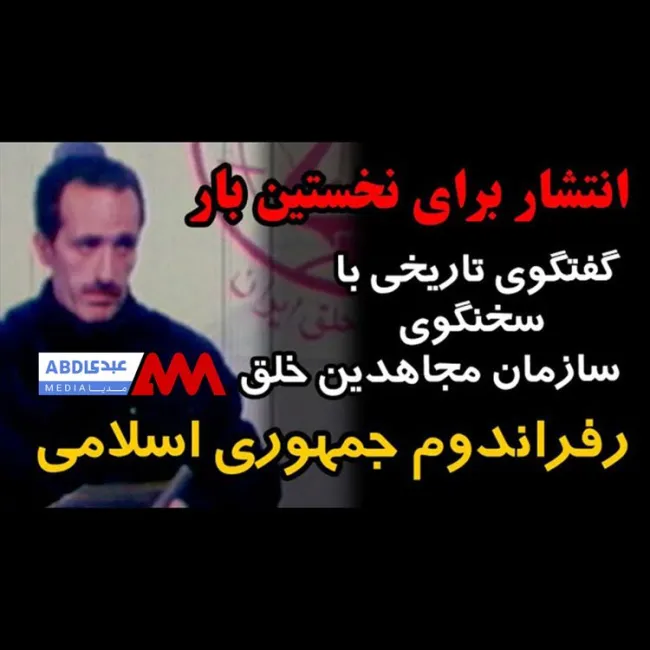
Publication for the first time/Historical conversation of the spokesperson of the MEK about the referendum of the Islamic Republic
Read more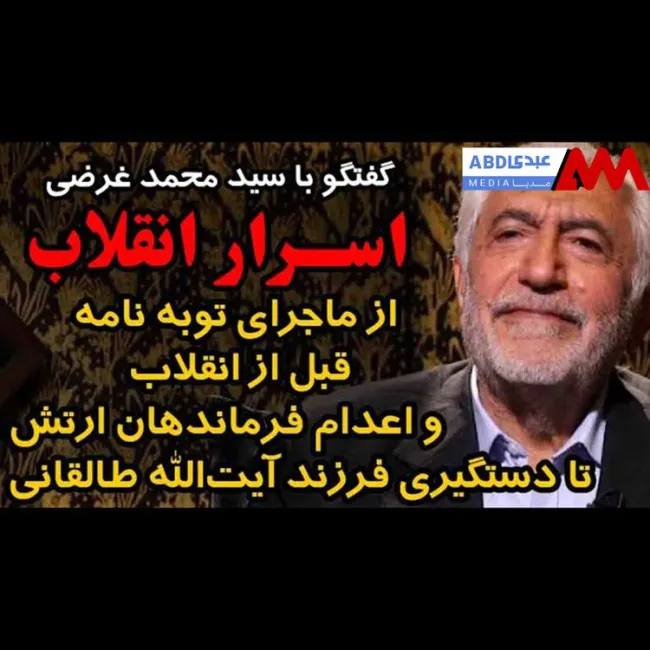
Secrets of the Revolution-From the story of repentance to the arrest of Ayatollah Taleghani's son/Conversation with Seyed Muhammad Gharazi
Read more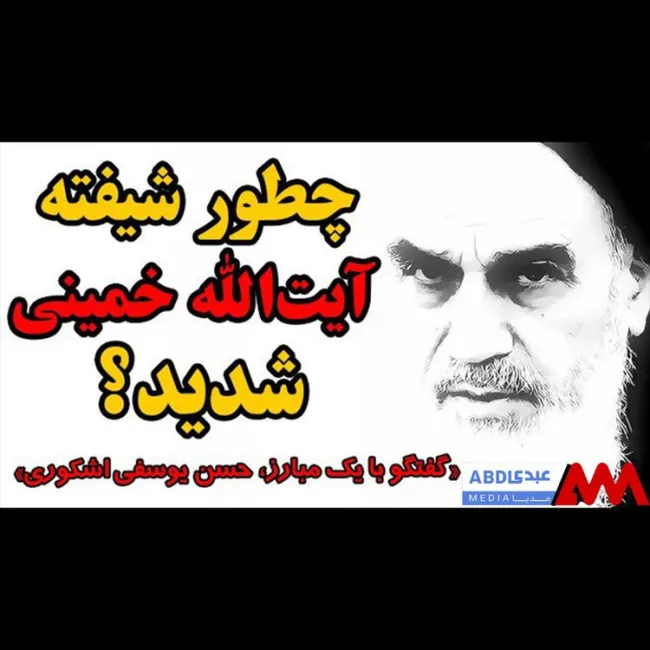
How did you find God's Word? /Conversation with Hassan Yousafi Ashkori, representative of the first term of the Islamic Council
Read more
Who commanded God? /Historic conversation with Mohammad Nabi Habibi, Secretary General of the Mutalfa Party for more than 14 years
Read more
The Secrets of Sheikh Sadiq Khalkhali's Magvi/How He Executed/A Conversation with Seyed Mustafa Mirsallim
Read more
Revealing interesting facts from the language of the first president of Iran, Seyed Abolhassan Bani Sadr
Read more
Secrets of Mohammad Hashemi Rafsanjani: "Imam" had proposed leadership succession to my brother
Read more
Cement at the heart of the reactor? From the story of his assassination to the honor of Akbar Etemat/Conversation with Dr. Ali Akbar Salehi
Read more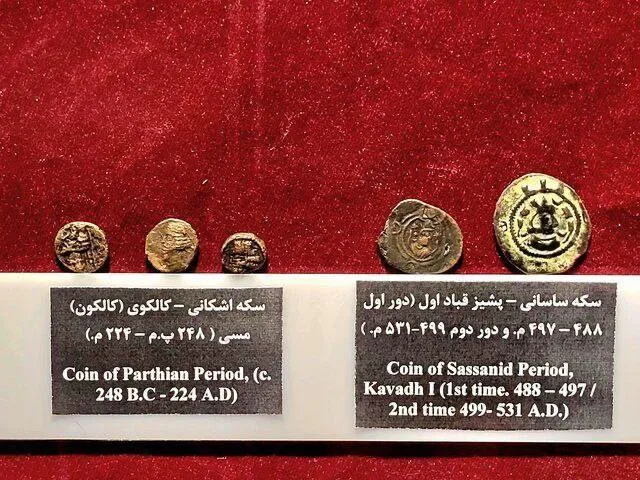
A Bitter Narrative of the Era of Iran's Historical Coins
Read more
Ahmad Farasti, Operations Leader of SAVAK Third Department-Part 1
Read more
Resonance of history The fifty-seventh episode Ayatollah Taleghani's invitation to people to collect garbage after the revolution
Read more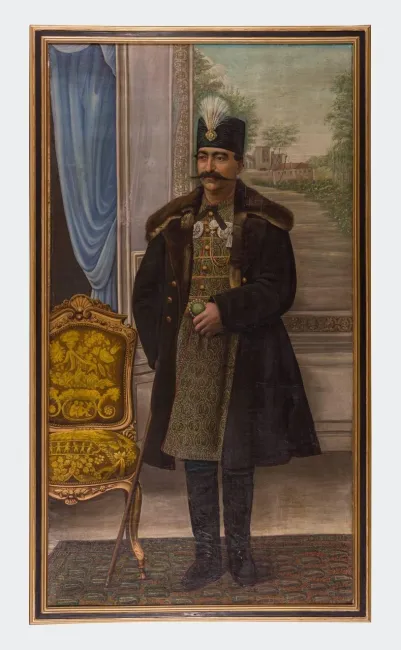
Unveiling a photo of Naser al-Din Shah Qajar for the first time.
Read more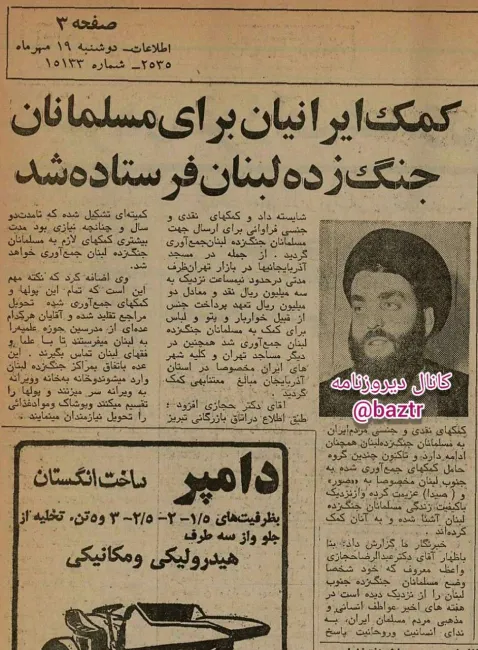
Iran's aid was sent to the war-stricken Muslims of Lebanon
Read more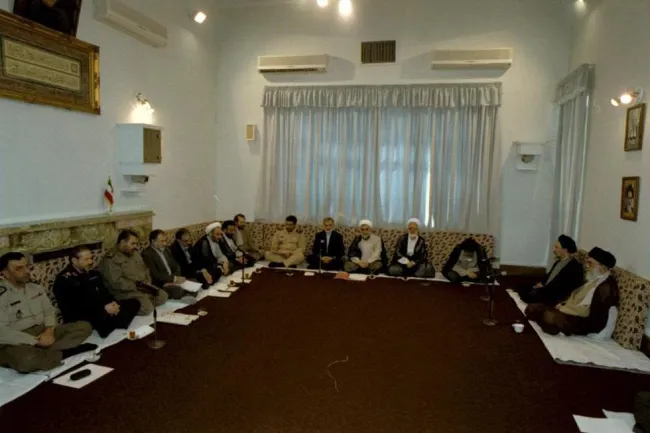
A Commentary on a Photo: A Meeting Held Before the U.S. Attack on Afghanistan in the Presence of Ayatollah Khamenei
Read more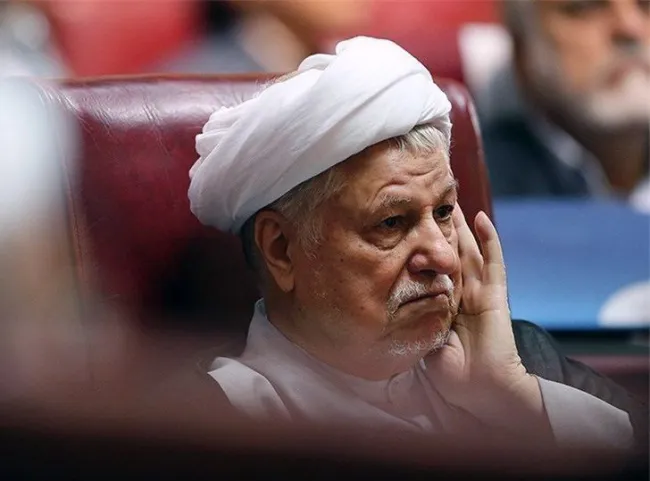
Memoirs of Akbar Hashemi - 12 October 2001
Read more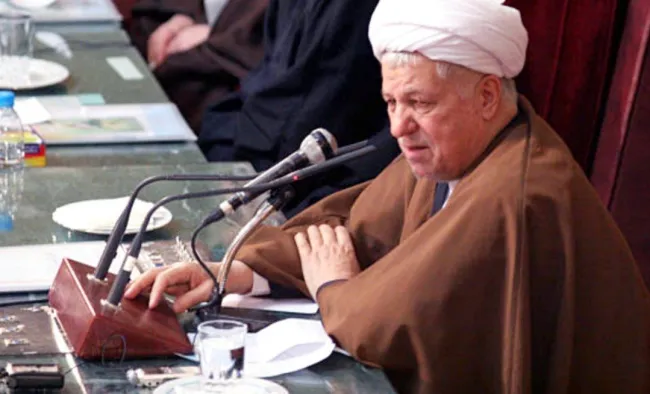
Memoirs of Akbar Hashemi - October 11, 2001 - Hashemi’s Narrative on the Constitutional Warning from President Khatami to the Head of the Judiciary
Read more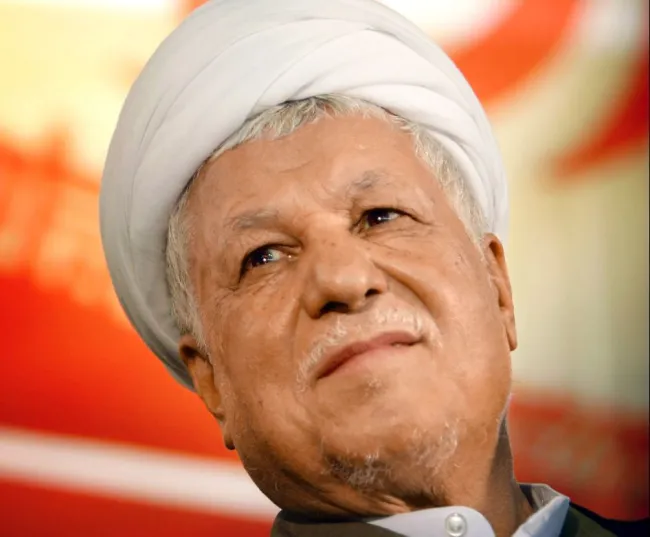
Memoirs of Akbar Hashemi - October 10, 2001 - Report by Hassan Rouhani on Negotiations with Ayatollah Khamenei Regarding the Potential Threat of U.S. Attack and Regional Situation
Read more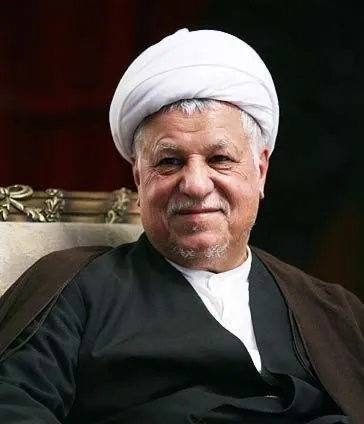
Memoirs of Akbar Hashemi - October 9, 2001 - Participation in the Commemoration of Martyrs of the Police Force in the Shahrak-e Shahr-e Fadaiyan-e Islam Area
Read more
Memoirs of Akbar Hashemi - October 8, 2001 - Hashemi's Account of Ayatollah Khamenei's Strong Speech Against America During the Meeting with Friday Prayer Leaders
Read more
Memories of Akbar Hashemi - October 7, 2001 - Meeting with a number of female representatives of the Sixth Parliament
Read more
Memories of Akbar Hashemi - October 6, 2001 - Approval of Retirement for Workers in the Expediency Council
Read more
Akbar Hashemi's Memoirs – October 5, 2001 (Mehr 13, 1380) – Continued Ambiguity Regarding the Crash of the Russian Plane
Read more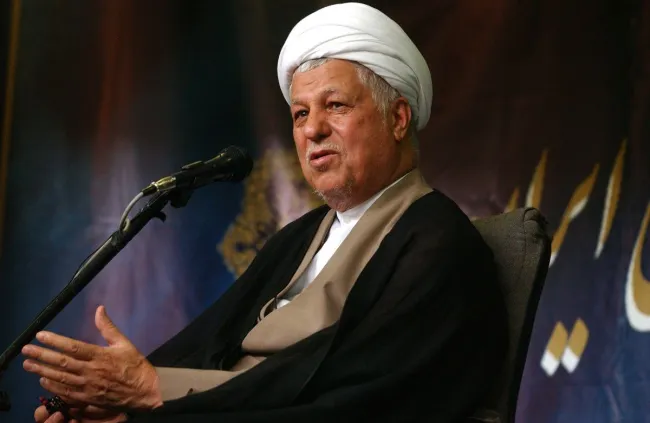
Akbar Hashemi's Memoirs – October 4, 2001 (Mehr 12, 1380) – Hashemi’s Account of the Pool Where He Eventually Passed Away
Read more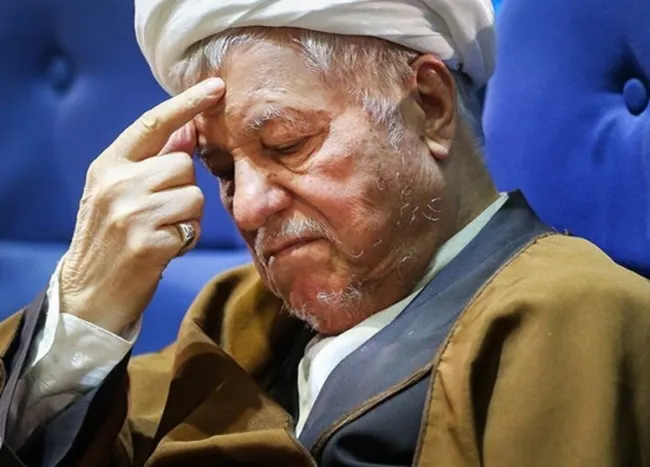
Akbar Hashemi's Memoirs – October 3, 2001 (Mehr 11, 1380) – Hashemi's Account of Ali Shamkhani’s Trip to Russia
Read more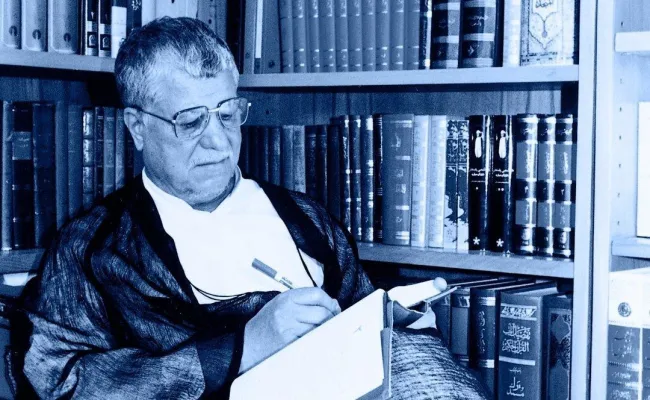
Akbar Hashemi's Memoirs - October 2, 2001 - Consultative Meeting with Hassan Rouhani on International Affairs, Particularly Ayatollah Khamenei's Warning Against Relations with the U.S.
Read moreMemoirs of Akbar Hashemi - October 1, 2001 - Bin Laden's Statement and Denial of Involvement in the Explosions in America
Read more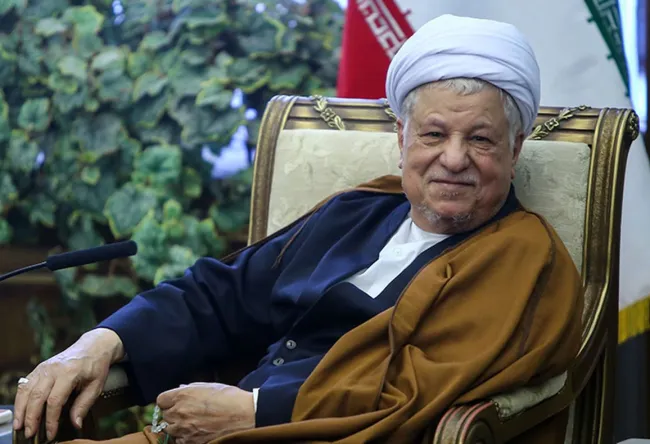
Memoirs of Akbar Hashemi - October 1, 2001 - Continuing consultations of Sheikh Masiha Mohajeri, this time meeting with Hashemi to prevent the extension of the detention order for his brother Hadi Mohajeri
Read more
Here’s the translation of the provided text from Farsi to English: Memoirs of Akbar Hashemi - October 1, 2001 - Report by General Qassem Soleimani on the Activities of the Quds Force of the IRGC
Read more
Memoirs of Akbar Hashemi - October 1, 2001 - Hashemi's account of the citizens' condolences in Mohseni (Madar) Square, Tehran, for the victims of September 11
Read more
Memoirs of Akbar Hashemi - October 1, 2001 - Kamal Kharrazi's advice to Hashemi regarding potential extremism during tomorrow’s Friday prayer in Tehran
Read more
Memoirs of Akbar Hashemi - October 4, 2001 - Consultative Meeting with Sheikh Mohammad Reza Abbasi on Ongoing Affairs of the Assembly of Experts
Read more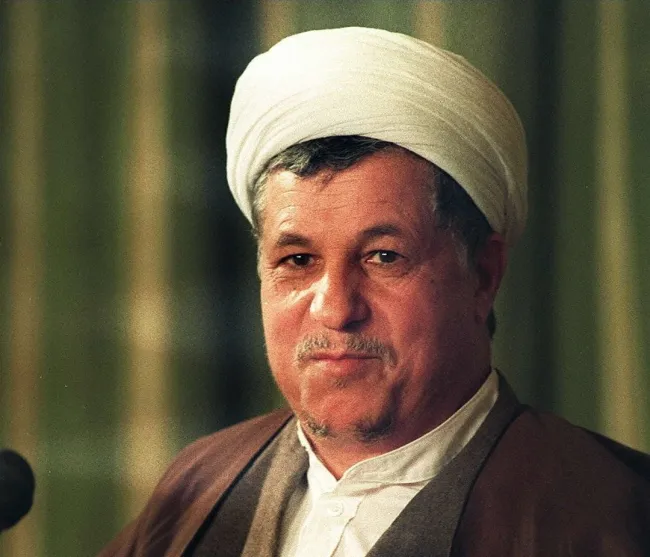
Memoirs of Akbar Hashemi - October 3, 2001 - Follow-up Meeting with Masih Mohajeri and Case of His Brother, Hadi Mohajeri, Chief of Staff to the First Vice President
Read moreMemoirs of Akbar Hashemi - October 2, 2001 - Important Political and International Consultative Meeting with Kamal Kharrazi, then Minister of Foreign Affairs
Read more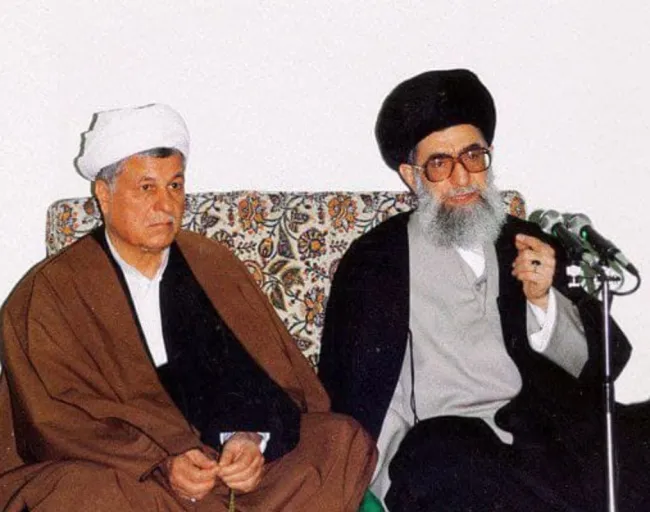
Memoirs of Akbar Hashemi - October 1, 2001 - Consultative Meeting with Seyed Noorollah Taheri, Imam of a Mosque in Tehran
Read more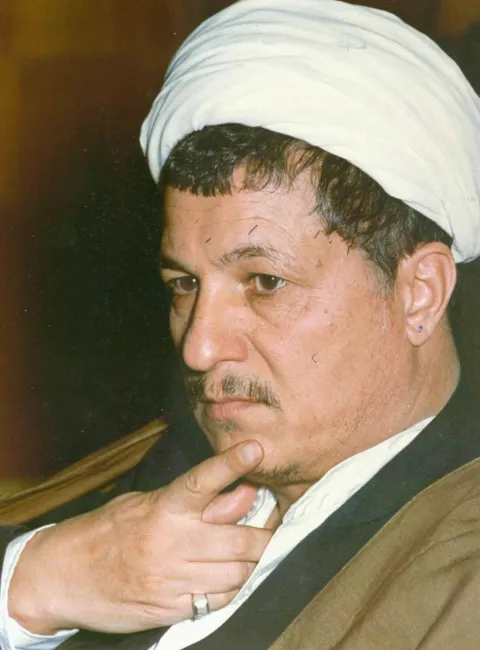
Memoirs of Akbar Hashemi - September 22, 2001 - Review of the Dimensions of the September 11 Attacks in the Assembly of Experts for Leadership
Read more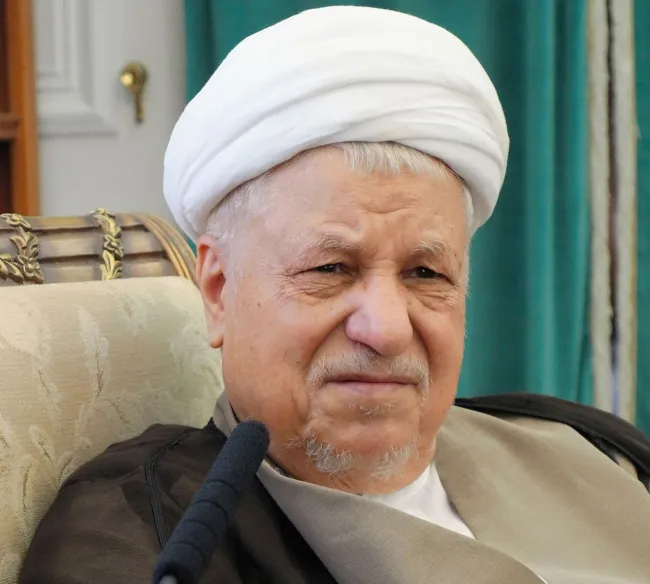
Memories of Akbar Hashemi - September 21, 2001 - Opening of the Sacred Defense Epic Exhibition by Hashemi and listening to the report from Brigadier General Alireza Afshar, along with answering questions about the war.
Read more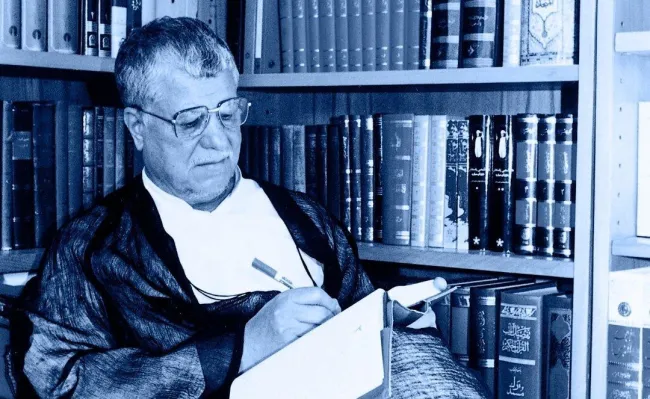
Memoirs of Akbar Hashemi - September 20, 2001 - Continuing Hashemi's Narratives on the Reactions Following September 11
Read moreMemoirs of Akbar Hashemi - September 19, 2001 - Consultative Negotiations of Mohammad Hashemi
Read more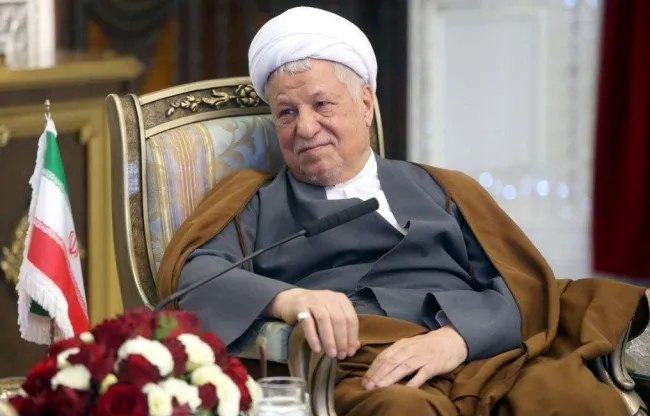
Memoirs of Akbar Hashemi - September 18, 2001 - Meeting with Ali Asghar Jafari Isfahani, Former Representative of Lenjan
Read moreMemoirs of Akbar Hashemi - September 17, 2001 - Meeting with Brigadier General Ahmad Haqtalab, Commander of the Guard Corps, and Security Recommendations
Read more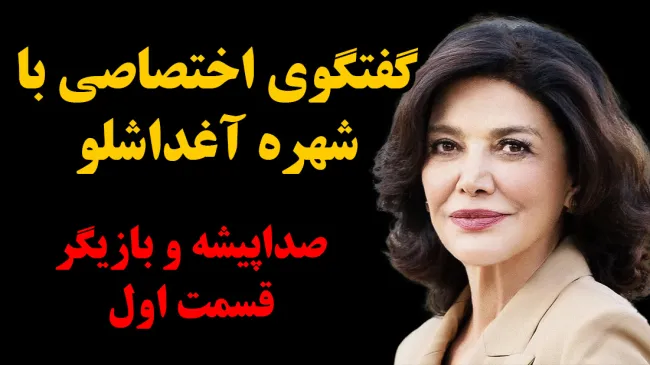
Abdi Media's Interview with Shohreh Aghdashloo, Voice Actor and Actress - Part One.
Read more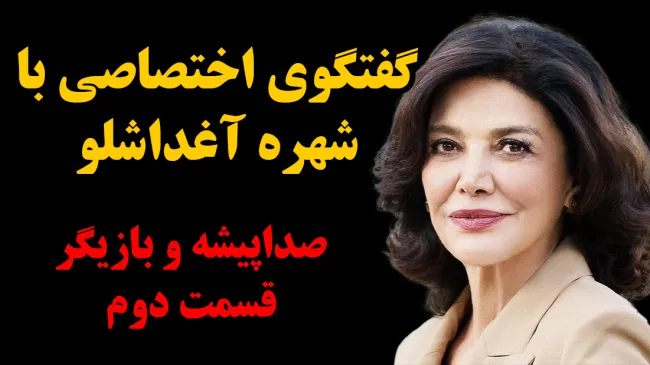
Part Two of Abdi Media's Interview with Shohreh Aghdashloo, Voice Actor and Actress.
Read more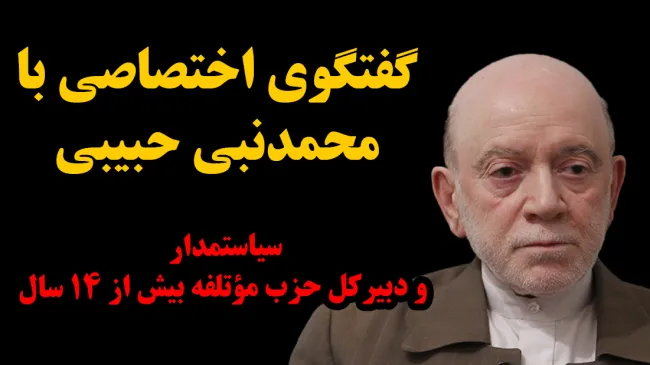
Abdi Madia's historic conversation with Mohammad Nabi Habibi, politician and general secretary of the United Party for more than 14 years
Read more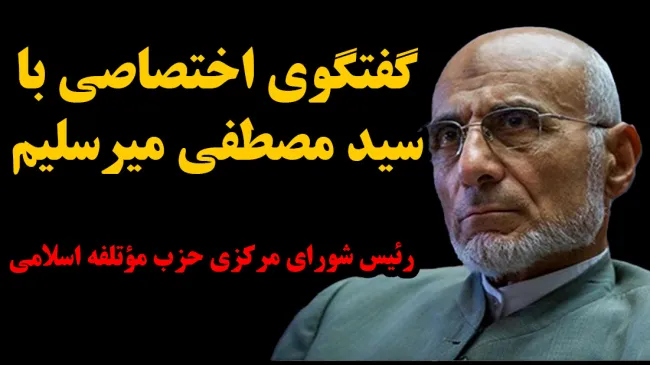
Abdi Media's interview with Seyyed Mustafa Mirsalim, Chairman of the Central Council of the Islamic United Party
Read more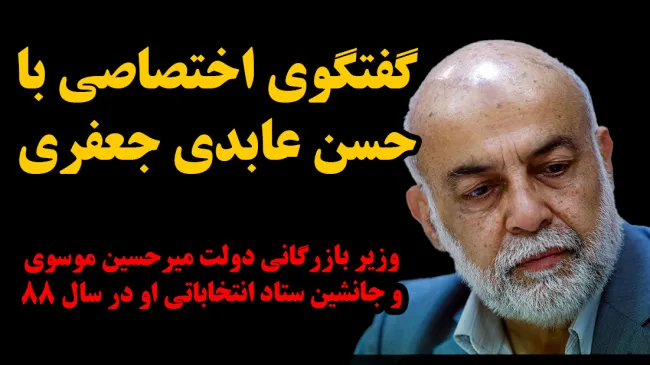
Abdi Media's conversation with Hassan Abedi Jafari, Minister of Commerce in the first and second governments of Mirhossein Mousavi for five years
Read more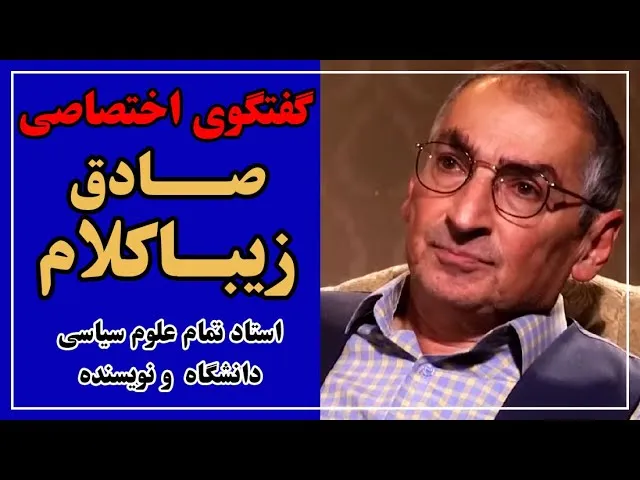
An interview by Abdi Media with Sadegh Zibakalam, author and full professor of political science
Read more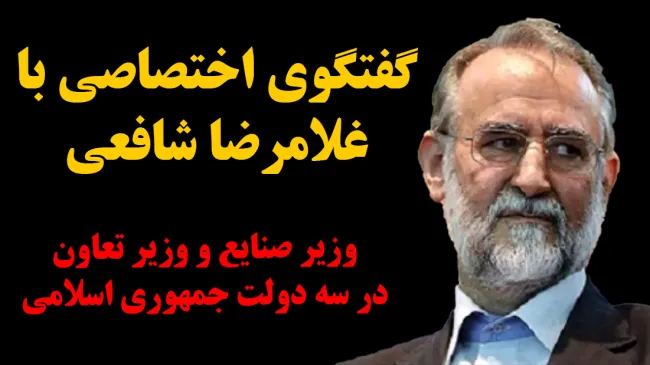
An interview by Abdi Media with Gholamreza Shafiei, the Minister of Industries and Minister of Cooperatives in three administrations of the Islamic Republic
Read more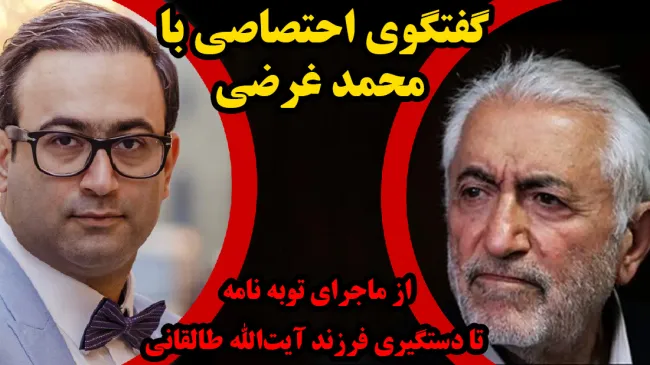
An interview by Abdi Media with Seyyed Mohammad Gharazi - Minister of Oil, Minister of Post, Telegraph, and Telephone, and one of the founders of the Revolutionary Guard
Read more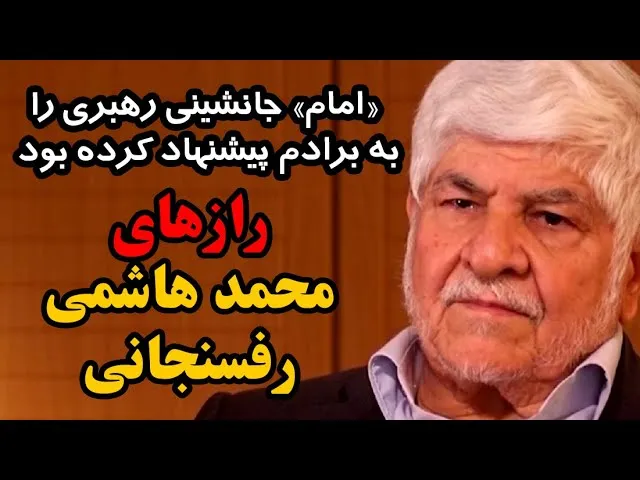
An interview by Abdi Media with Mohammad Hashemi Rafsanjani in 2018
Read more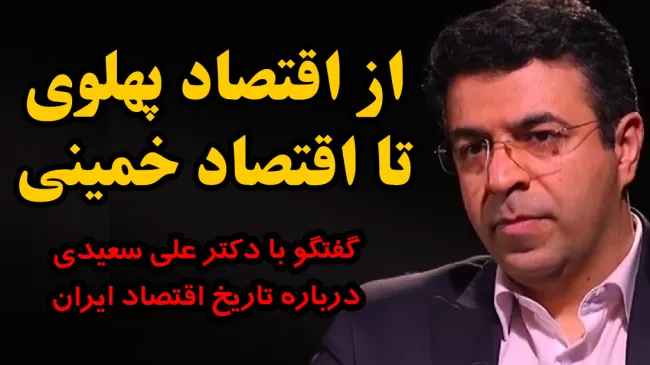
An interview by Abdi Media with Ali Saeedi, PhD in Financial Management and Economic Historian
Read more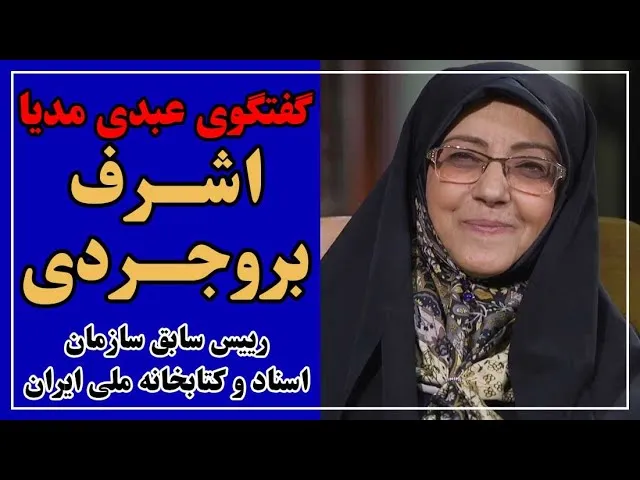
Abdi Media's conversation with Ashraf Boroujerdi, the former head of the National Library and Documents Organization of Iran
Read more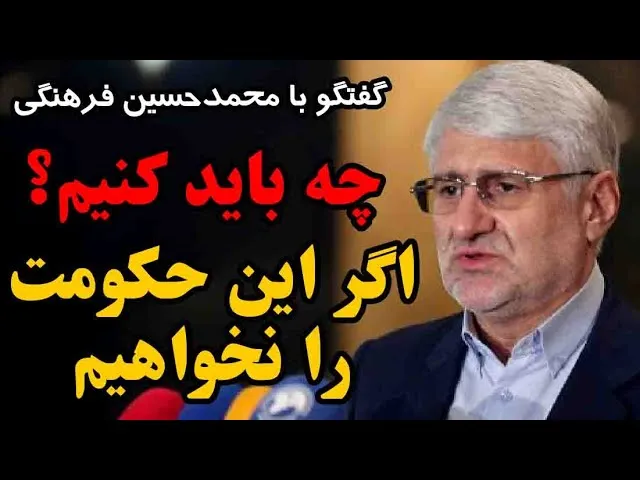
Abdi Media's conversation with Mohammad Hossein Farhani - the fundamentalist representative of several terms of the Islamic Council
Read more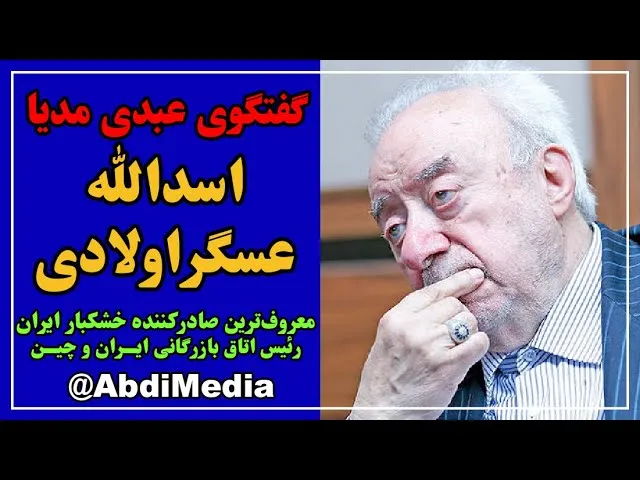
Abdi Media's interview with Asadollah Asgrawaladi in 2017
Read more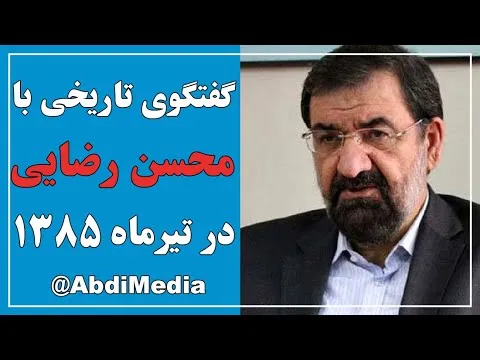
Abdi Media's conversation with Mohsen Rezaei, politician and military commander
Read more
Ganjineh Abdi Media - Speech by Seyyed Abul Hassan Bani Sadr about Hijab - Part II
Read more
Ganjineh Abdi Media - Sayyid Abolhasan Bani Sadr's speech about hijab - part one
Read more
Release for the first time - One of the court sessions of Abbas Amir-Entezam presided over by Mohammad Ghilani - Part Two
Read more
Release for the first time - One of the court sessions of Abbas Amir-Entezam presided over by Mohammad Ghilani - Part One
Read more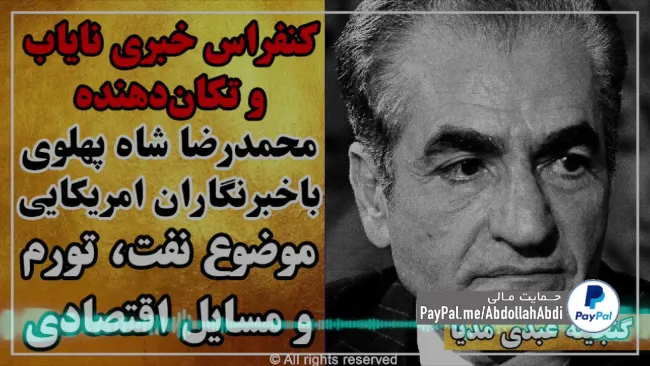
Abdi Media Treasure: The Rare Press Conference of Mohammad Reza Pahlavi with American Journalists - Oil, Inflation, Economic Issues
Read more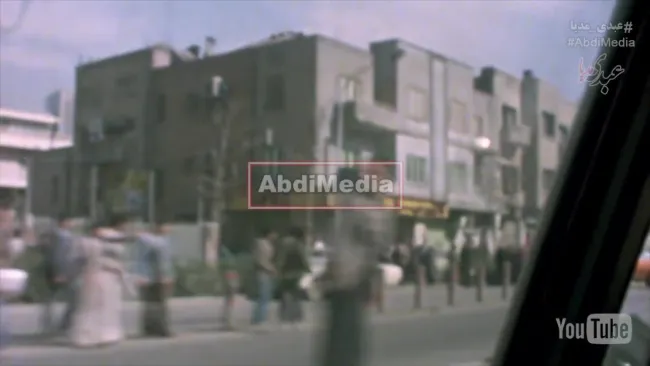
Unseen images of the lifting of martial law and the protests of 1978 - released for the first time.
Read more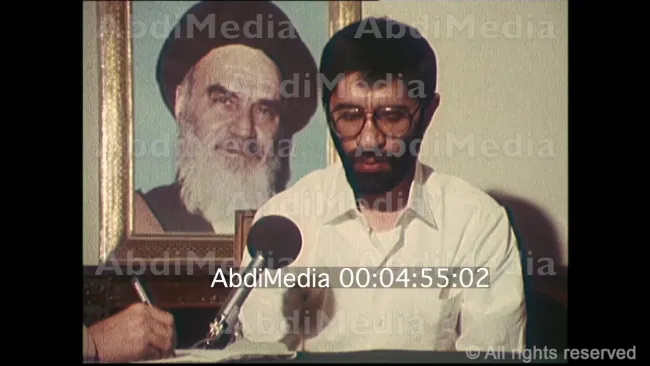
Abdi Media Treasure: Unseen Interview with Mir Hossein Mousavi, Former Foreign Minister, on the Impact of War on Foreign Policy
Read more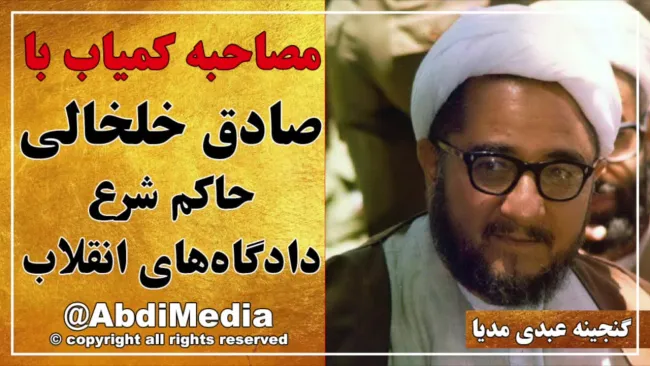
Abdi Media Treasure - Rare Interview with "Sadegh Khalkhali," the Islamic Judge of Revolutionary Courts
Read more
The Iranian and Asian boxing champion has passed away.
Read more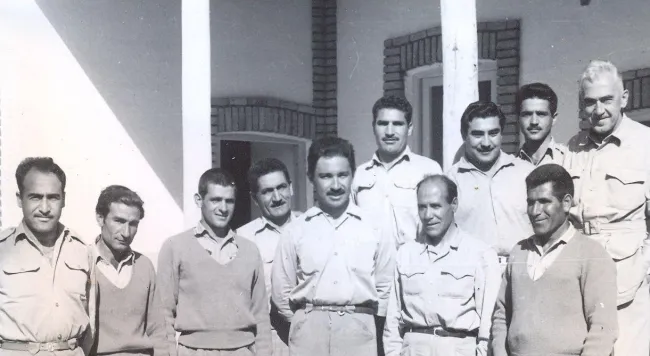
Plague study teams of Pasteur Institute of Iran in the 1940s
Read more
"Let's read history so that we are not lost in geography"
Read more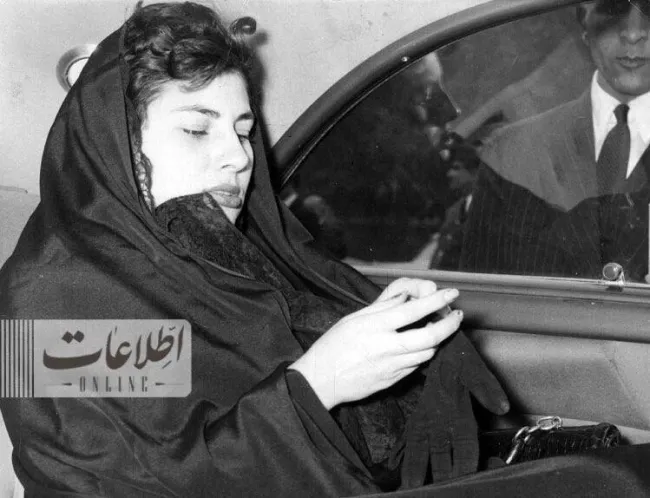
Online information: Unpublished photo of Mohammad Reza Shah and Soraya in the shrine of Imam Hossein
On the morning of August 25, 1332, Mohammad Reza Pahlavi and Soraya Esfandiari left Iran for Italy. The failure of the initial coup against Dr. Mohammad Mossadegh's government led to the departure of the king and queen from Iran.
Read more
21 years ago on this day, 2nd of Shahrivar 2002, the first issue of Sharq newspaper was published in 24 pages and at a price of 50 Tomans
Editor-in-chief; Mehdi Rahmaniyan
Managing editor; Mohammad Ghochani

The representatives of the 6th Parliament, despite initially opposing Mr. Bijan Namdar Zanganeh's appointment as Minister of Oil, ultimately gave a vote of confidence to all the members of Mr. Seyyed Mohammad Khatami's proposed cabinet!
This vote took place during the session on August 21, 2001, and the names of the ministers were as follows:
Read more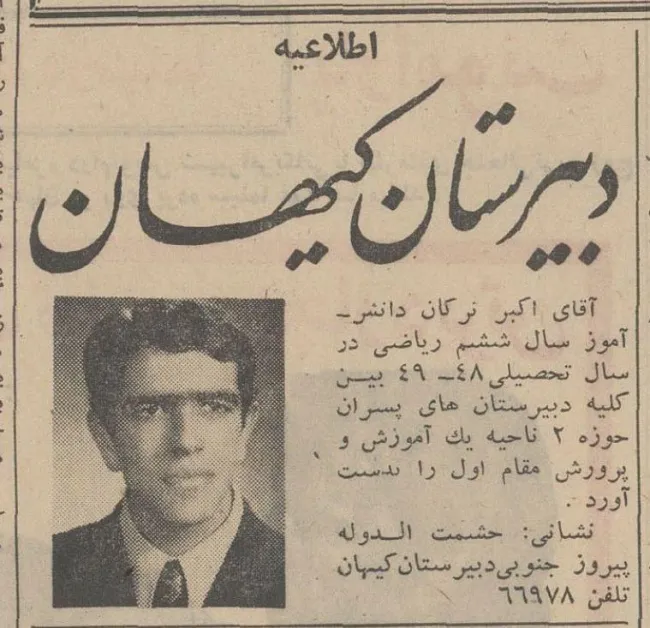
Announcement regarding Turkan
An advertisement by Kayhan High School about its outstanding student, Akbar Turkan, published in the newspaper in 1970.
Read more
After the death of Javad Ali Akbarian, Sheikh Mustafa Pourmohammadi issued a message of condolence from the old forces of the Ministry of Information
Read more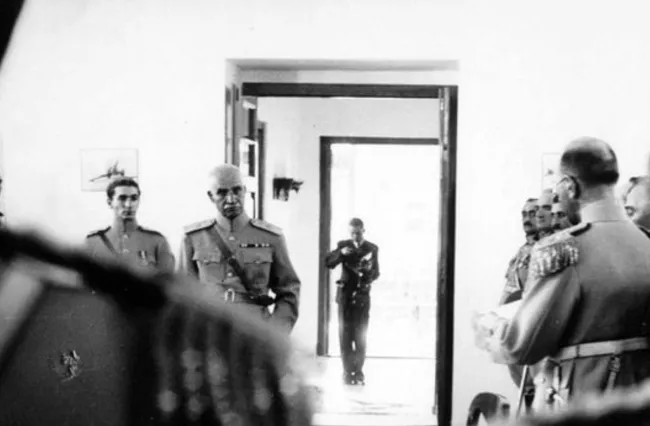
A rarely seen picture of the visit of Reza Shah and his crown prince to the University of War - 1941
Read more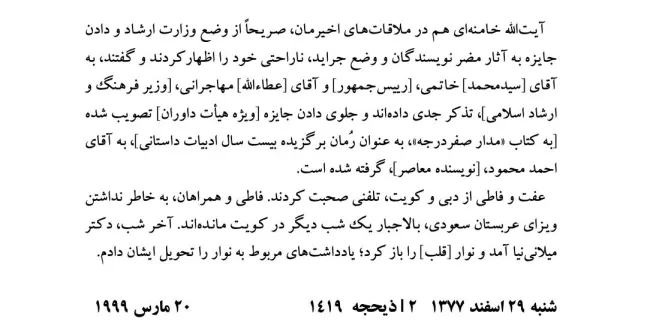
On March 17, 1999, Ayatollah Khamenei admonished the Ministry of Culture and Islamic Guidance to prevent the awarding of a prize to Ahmad Mahmoud, the author of the book "Zero Degree Turn"
Read more
War with the Monafeghin
Part Four, a Narrative of the Life and Times of Ayatollah Akbar Hashemi Rafsanjani
Read more
Publishing for the first time, Amir Abbas Hoveyda's visit to the shrine of Imam Hussein and Hazrat Abbas in Karbala
Read more
What is the relationship between the Islamic Republic and the provincial government?
Ashkuri: During the caliphate of Hazrat Ali, there was no provincial government.
Read more
Ashkouri: As far as I remember, none of Imam Hossein's enemies considered him outside the religion
Read more
Ashkouri: After the incident of Karbala, we are witnessing a rebellion among the Shiites
Read more
Ashkuri: The armed uprising of Imam Hossein continued from Makkah until the meeting with Hor, and after that there was no such intention
Read more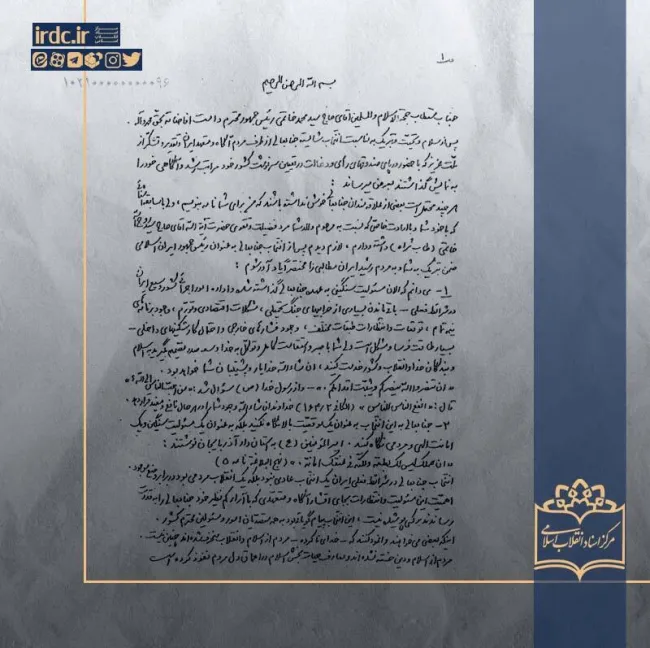
The Islamic Revolution Documentation Center has published a letter from Ayatollah Montazeri on May 26, 1997, to congratulate Seyyed Mohammad Khatami on his election to the presidency
Read more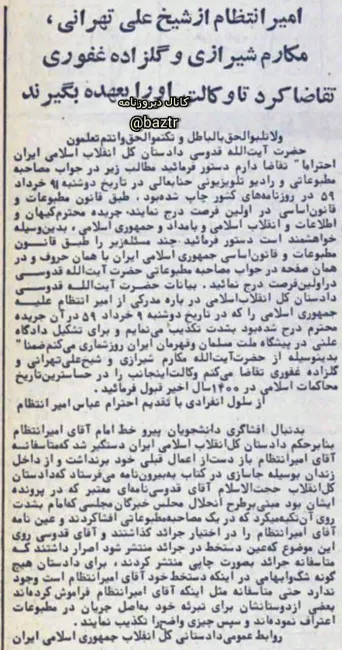
Amir Entezam asked Sheikh Ali Tehrani, Makarem Shirazi and Golzadeh Ghafouri to represent him
Islamic Revolution 1980 July 12; Diruz nameh channel
Read more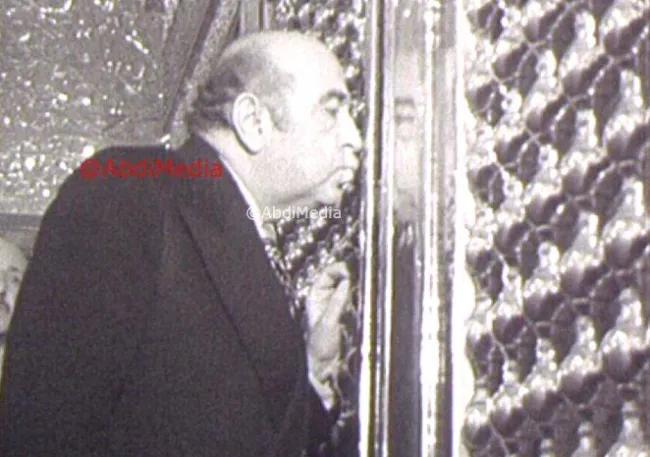
An unseen image of Amir Abbas Hoveyda's pilgrimage and kiss on the window of Hussain bin Ali's mosque in Karbala Mu'ala
Read more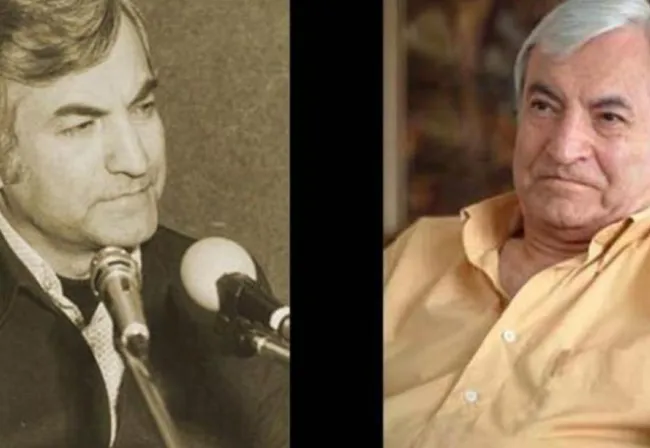
I wish we had read the story of Abbas Amir Entezam carefully.
Read more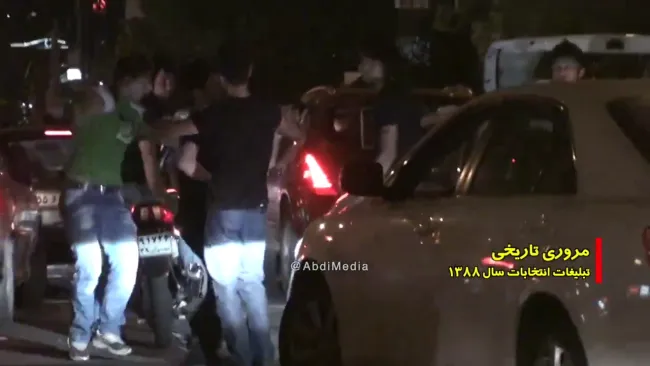
Published for the first time, fifteen years ago, by the people who participated in the elections in pursuit of their dreams
Read more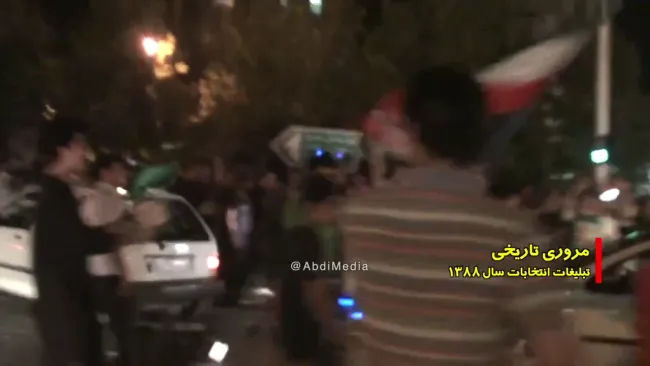
People who participated in the elections following their dreams, but
Read more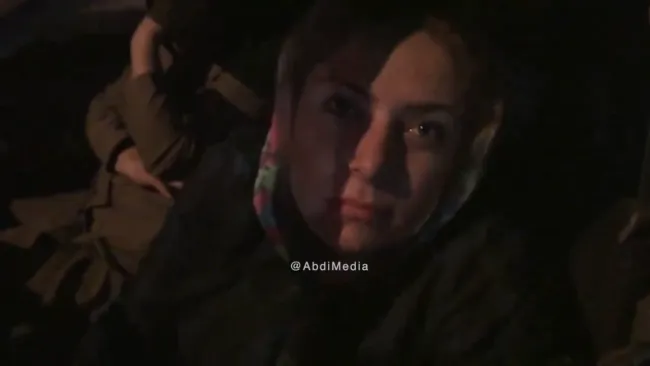
Published for the first time/Fifteen years ago, people who participated in elections in pursuit of their wishes, but....
Read more
Fifteen years ago, people who followed their dreams participated in the elections
Read more
Fifteen years ago, people who followed their dreams participated in the elections, but...
Read more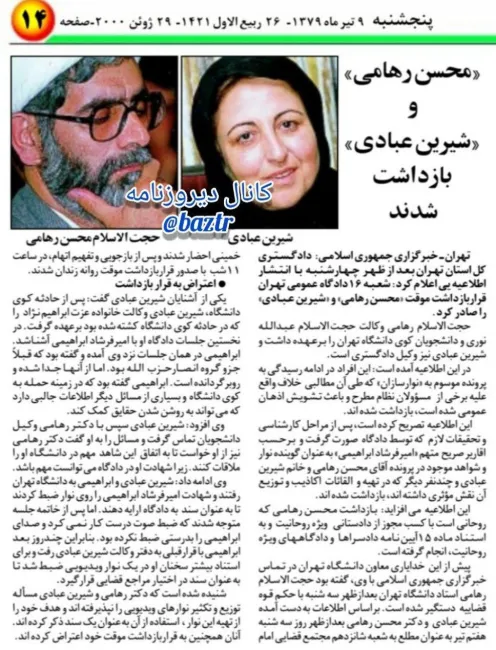
Mohsen Rahami and Shirin Ebadi were arrested
Iran, 2000 June 29 , Thursday;
Read more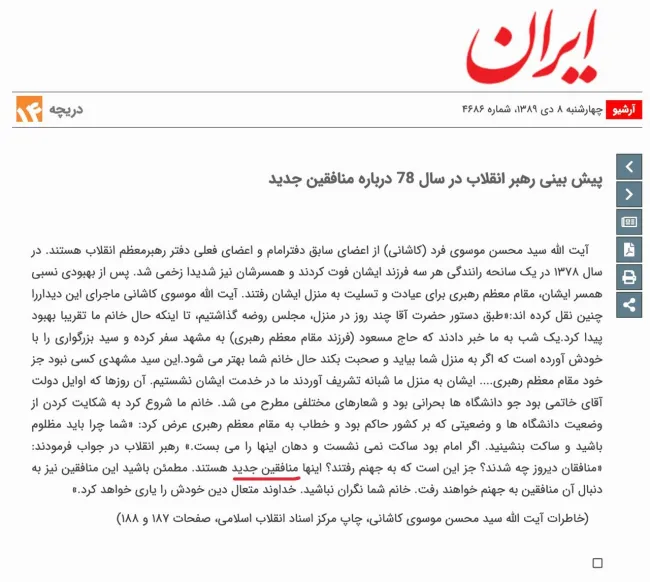
Review of History / When Ayatollah Khamenei Labeled the Winning Reformists in the Elections as "New Hypocrites"
June 29, 2024 and Its Similarity to May 22, 1997.
Read more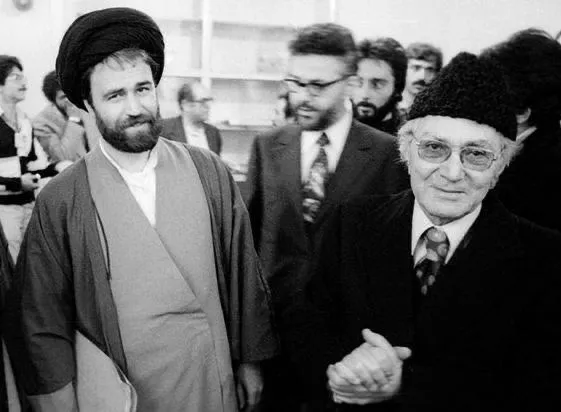
Did you know that Karim Sanjani sought to return to Iran in the 1990s?
Read more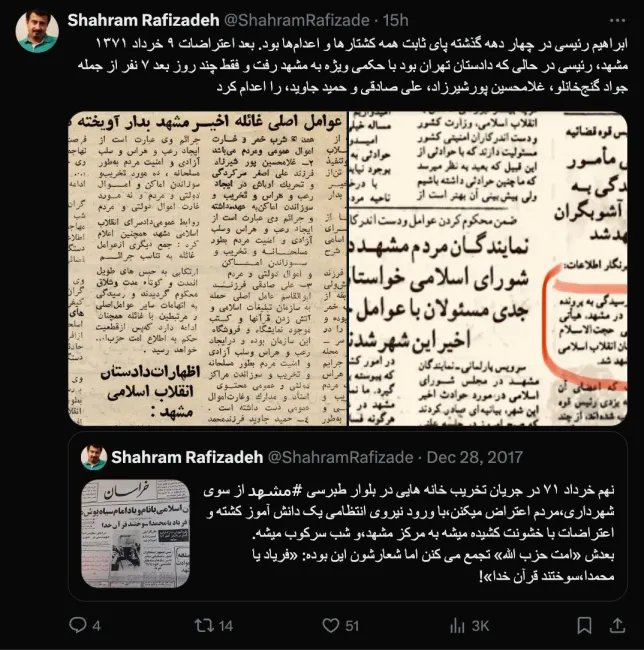
In this case, Ebrahim Raisi was not the Sharia judge; rather, he was the prosecutor of the Revolutionary Court of Tehran and was dispatched to Mashhad at the head of a delegation by the special order of Sheikh Mohammad Yazdi. The special Sharia judge was
Read more
The secrets of Sheikh Sadegh Khalkhali's Magui / How he used to execute
We are sending an exclusive conversation with Seyed Mustafa
Read more
A recently released video featuring "Mohammad Reza Shafiei Kadkani," a poet, writer, and researcher, discussing the historical role of "Dr. Mossadegh," has garnered significant attention from social media users.
In this video, which was first published on April 23, 2024, on the personal page of "Arash Afshinfada," a teenager interested in history, Mr. Shafiei shares the memory of Dr. Mossadegh as a national hero during the nationalization of the oil industry in his childhood, stating: "Clerics and religious people were generally either hostile to him or pretended to be supportive. For example, Ayatollah Kashani secretly worked against him."
Read more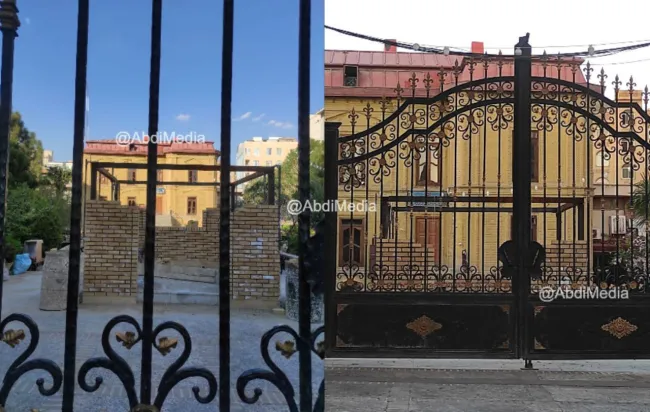
Construction in the Qajar prince's mansion, which became the home of the eulogists of the Ahl al-Bayt, under the name of the shrine of the unknown martyr."
The Fakhr al-Dawla Mansion is a house located on Fakhr Abad Street in District 12 of Tehran, where the daughter of Mozaffar ad-Din Shah Qajar once lived. However, as far as the neighborhood residents can remember, the tall walls around the mansion had hidden the main building from view until a few years ago, when the walls were replaced with metal railings, and the mansion's courtyard became a recreational spot for the local community.
Read more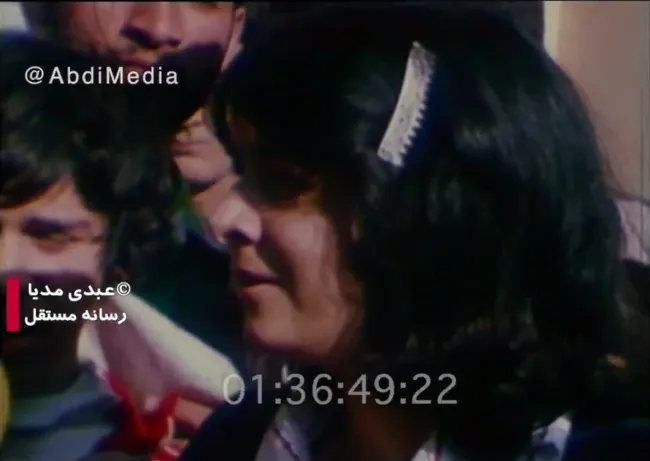
"One of the women who voted 'no' to the Islamic Republic in the referendum."
Read more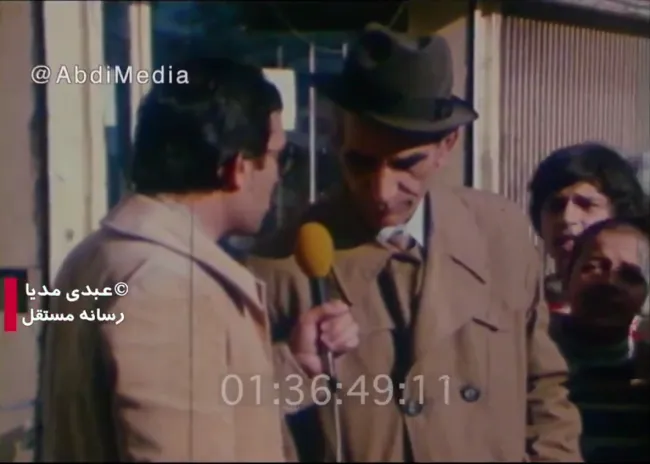
One of the men who voted 'yes' to the Islamic Republic in the referendum
Read more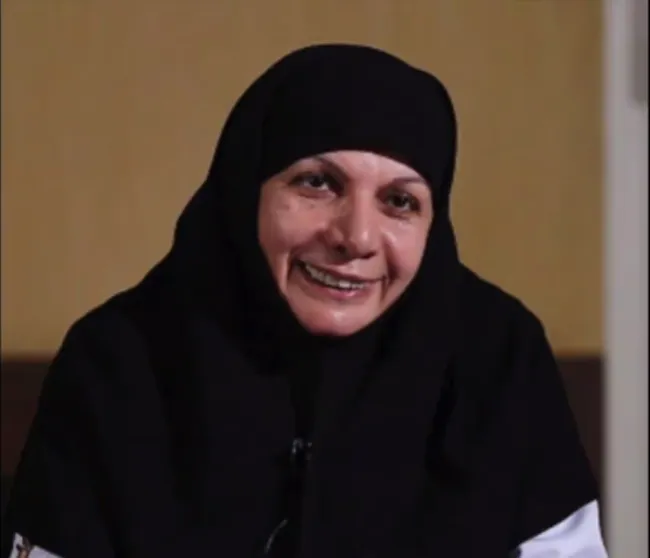
Tahereh Labbaf, one of the women who voted 'yes' to the Islamic Republic in the referendum
"Dr. Tahereh Labaf is currently a faculty member and assistant professor at the university and a specialist in obstetrics and gynecology.
The photo at the beginning of the clip is from the Bahman Hospital website."
Read more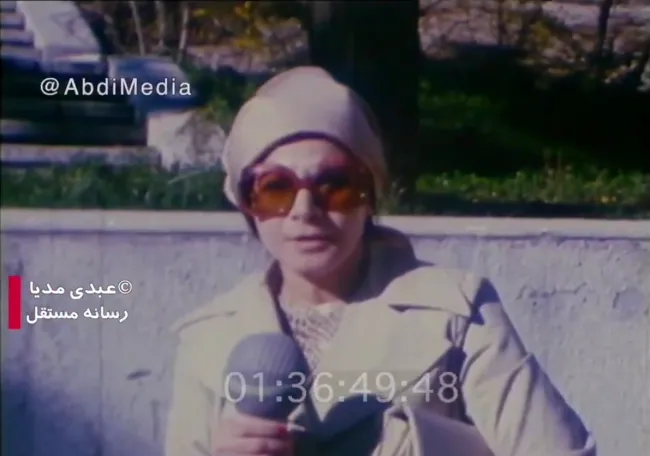
One of the women who voted "Yes" in the referendum for the Islamic Republic.
Read more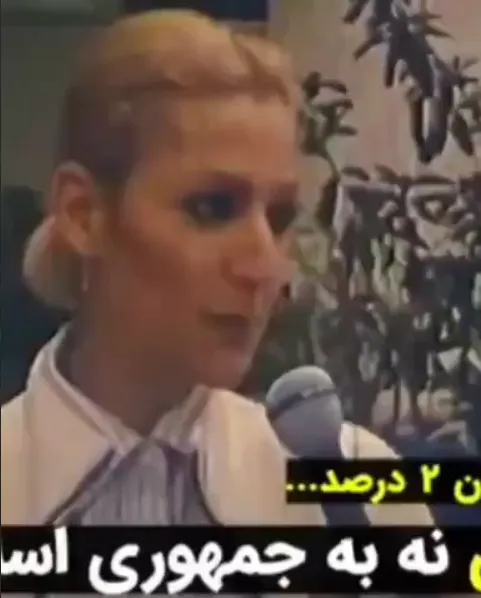
One of the women who voted "No" in the referendum against the Islamic Republic.
Read more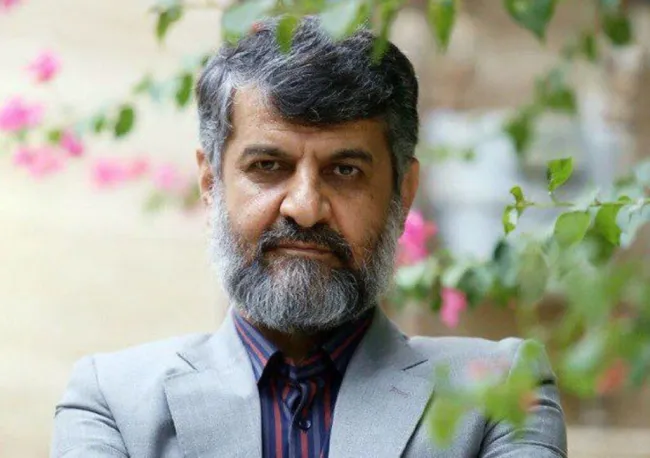
Mehdi Nasiri's thought-provoking note on the anniversary of the Islamic Republic with the title "No to the Islamic Republic!"
In 1958, I was not old enough to say yes to the Islamic Republic and I could not vote, but from that day, like millions of Iranians, I fell in love with the slogans of the 1957 revolution and the person of Mr. Khomeini, and in vain and out of ignorance, I fantasized about the sea:
Read more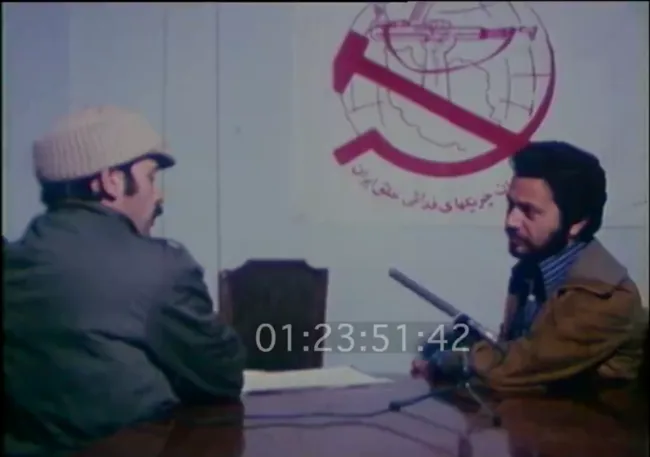
Publishing for the first time - an interview of Farrokh Naghdar, a member of the Iranian People's Sacrifice Guerrilla Organization, who explains the reasons for this organization's non-participation in the referendum of the Islamic Republic
Mr. Neghadar said that the reason for sitting with his back to the camera is the presence of terror teams.
Read more
The second meeting of the lawyers of the Bar Association with Ayatollah Seyed Ruhollah Khomeini, the founder of the Islamic Republic, on March 7, 1357, in Alavi school.
Read more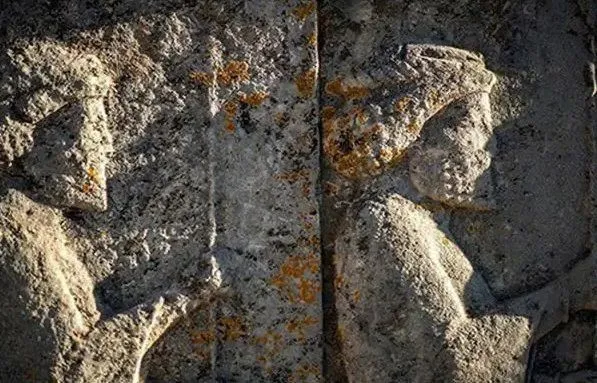
The silent death of Persepolis and Biston due to the emission of nitrogen compounds from petrochemical companies
Read more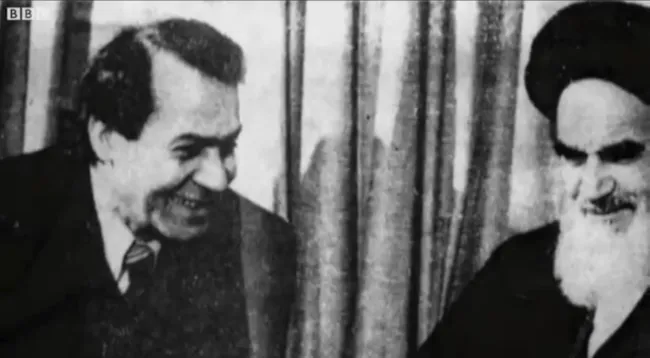
"Today marks the anniversary of the birth of Sadegh Qotbzadeh, an opponent of the Pahlavi regime and a fighter in the 1979 revolution, who was with Ayatollah Khomeini on the French plane.
Today marks the anniversary of the birth of Sadegh Qotbzadeh, a critic of the Pahlavi regime and a fighter in the 1979 Revolution, who was with Ayatollah Khomeini on the French plane. After the victory of the 1979 Revolution, he held positions as the Minister of Foreign Affairs, the Managing Director of the National Iranian Radio and Television Organization, and a member of the Islamic Revolutionary Council.
Read more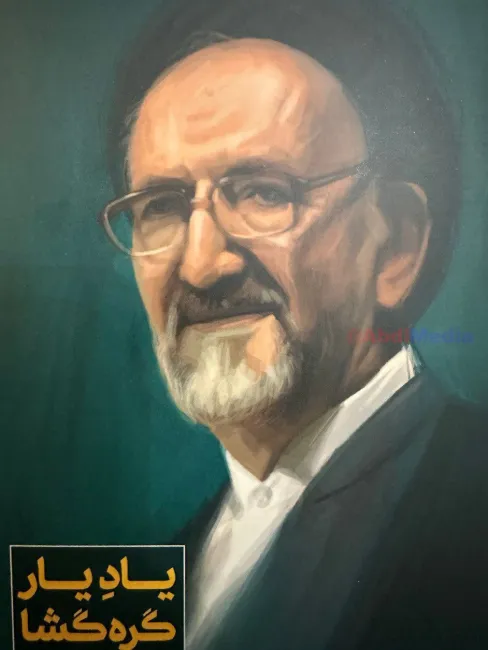
I hope your mind doesn't get overwhelmed / You've probably followed the news about Javad Azadeh, the chief interrogator of those accused in the chain murders, and the controversies surrounding his team on social media?
"In the book *Remembering the Problem Solver*, which was published on the anniversary of the death of Seyyed Mahmoud Doaei, I came across an interesting and extremely important document."
Read more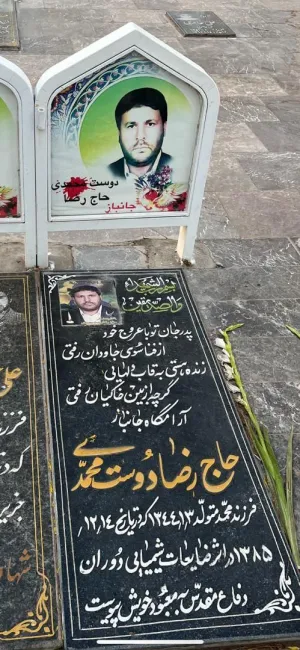
In the Memoirs of Ahmad Zeidabadi, Reza Doost Mohammadi, the Then-Director of Evin Prison, Is Mentioned Briefly in the 80s.
در خاطرات احمد زیدآبادی از رضا دوست محمدی مدیر وقت زندان اوین در مدت کوتاهی در دهه ۸۰، نام برده شده که نسبت به سایر مدیران قبل آن زندان (با شرایط و اوضاع زمانی آن سالها) تلاش داشته محیط بهتر و تعامل بیشتری با زندانیان برقرار کند، تا جایی که پس از «شهادت ناشی از جراحات جنگ» انجمن دفاع از حقوق زندانیان او را شایسته تکریم وتقدیر دانست.
Read more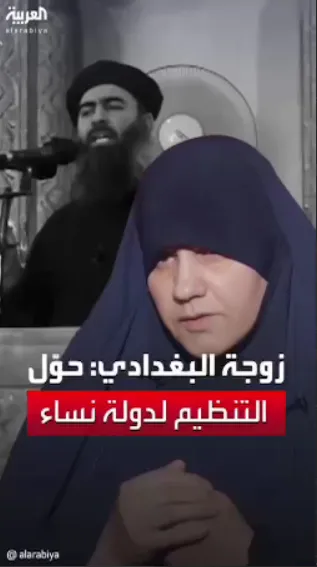
The first public appearance of Abu Bakr al-Baghdadi's wife and an interview with the Saudi network
The first wife of Abu Bakr al-Baghdadi, the slain leader of the ISIS terrorist group, in her first public appearance, talked to the Saudi TV channel "Al-Hadath" and explained in detail the secrets of al-Baghdadi's personal and organizational life and his last days.
"Asma Mohammad" said in this interview: Abu Bakr al-Baghdai became proud after assuming the responsibility of the Islamic caliphate. I did not know about his election as the caliph of ISIS until al-Baghdadi's famous sermon in Mosul Mosque. He wished to extend his caliphate to Rome.
He clarified: When the American forces were looking for al-Baghdadi, they attacked his house and arrested his elder brother. The conditions of ISIS became catastrophic after the death of Abu Sayyaf in 2015. Al-Baghdadi traveled with few bodyguards to avoid attracting attention.
I was surprised by al-Baghdadi's marriage with an Iraqi girl. He even married his daughter who was 12 years old. I never observed that al-Baghdadi was saddened by the death of his comrades.
Read more

Yazdi asked General Rahimi: "Do you want to repent?" He said: "No. I have sworn loyalty to the Shah and I will remain faithful to my oath." That's it.
Abbas Attar became a member of "Magnum," the most prestigious photography agency in the world, in 1980 and served as its rotating president from 1998 to 2001.
Read more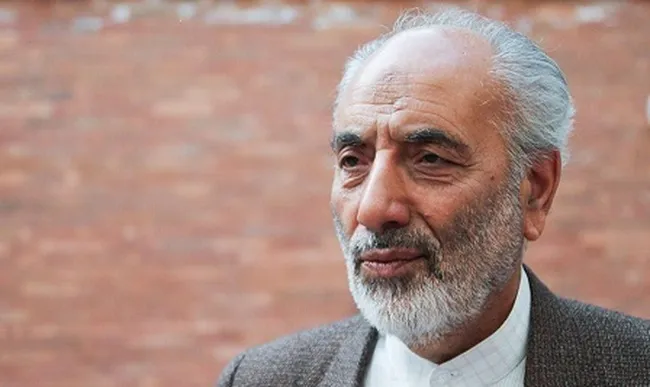
Abolfazl Tavakoli-Bina: We placed the death sentence for Khalkhali among other papers and handed it to him; he signed that paper as well!
Read more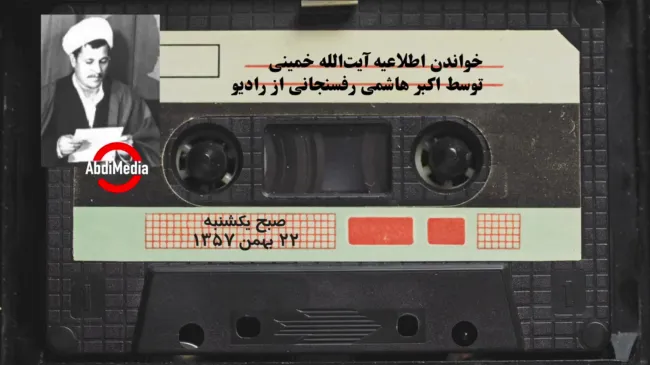
Listen: First-time publication
Reading of Ayatollah Khomeini's announcement by Akbar Hashemi Rafsanjani on Radio – February 22, 1979.
Read more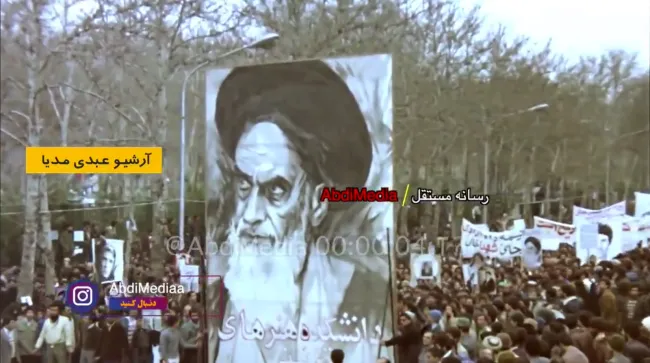
A snippet of slogans from the revolutionaries of 1979
"We follow the government of Ali,
We will overthrow the Pahlavi regime."
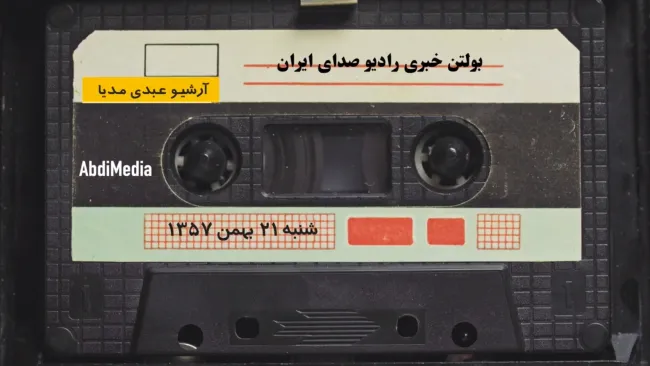
ran Voice News Bulletin on February 10, 1979
A number of motorcycles were on a mission to block the road with used tires.
Read more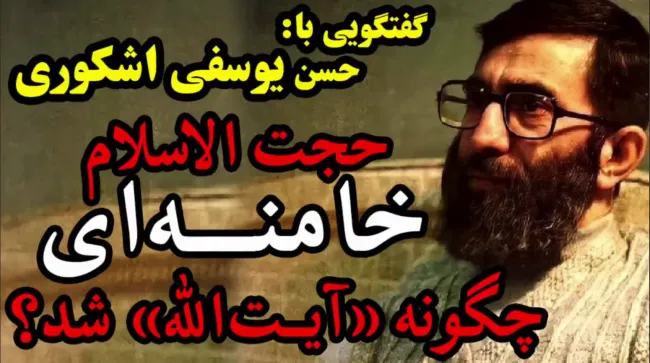
"Hassan Yousefi Eshkoori: The Structure of the Islamic Republic is Practically Similar to that of the Muslim Brotherhood"
"Hassan Yousefi Eshkoori" stated that it has become customary for anyone wishing to run for the presidency to coordinate with "Ayatollah Khamenei," and only if he agrees, can they proceed.
He noted that "Khamenei" had told "Khatami" that he had utilized only a small portion of his legal authority up to that point.
Read more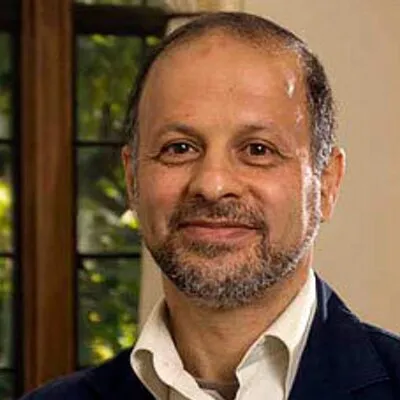
"Akbar Ganji Denies Ali Larijani's Quote Regarding Akbar Hashemi Rafsanjani"
"Akbar Ganji" has thoroughly denied the quote attributed to "Ali Larijani" in a diary entry dated January 22, 1999, regarding "Akbar Hashemi Rafsanjani," providing detailed explanations.
Read moreHasan Yousefi Eshkevari: Mr. Khomeini said in his book "Guardianship of the Jurist" that "In our Islamic government, we do not need a parliament, the legislator is God".
If we have a parliament, it is a governmental advisory parliament. We had really not read this book.
Read moreHasan Yousefi Eshkevari: Mr. Khomeini abandoned the absolute guardianship, not Mr. Khamenei.
Sheikh Mohammad Yazdi told me in the first session of the parliament that the Guardianship of the Jurist is above the law. The legitimacy of the law is entirely based on the Guardianship of the Jurist.
I said that the Imam did not say this. He asked why in the book of the Guardianship of the Jurist. I read the book and saw that he was telling the truth.
Read moreHow was the term "Supreme Leader" created?
Read more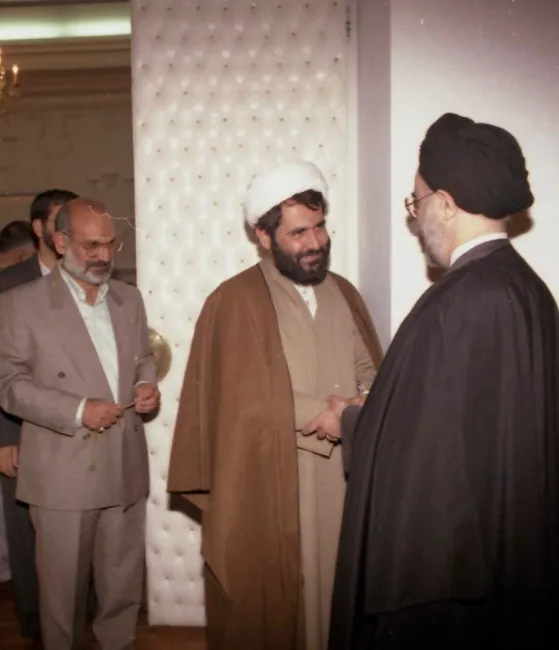
"Sheikh Hossein Taeb" in the Presence of "Seyed Mohammad Khatami," President of the Reformists
he image likely pertains to the period when Sheikh was the Deputy Minister of Information.
Read moreYousefi Ashkuri: Mr. Seyyed Ali Khamenei was called Hojjat-ul-Islam Khamenei before he became the leader
Read more
On the occasion of the 80th birthday of Abbas Attar (magnum photographer), I am sharing some of the unique photos he captured from all over the world
Read more
Ezzatullah Motahari, one of the revolutionaries of 1979: In 1970, when Iran and Israel were playing football in the Asian Games, we formed a group to assassinate Israeli athletes, then we found out that they were heavily protected
Read moreHow did "Hujjat al-Islam Khamenei" become "Ayatollah"?
A clear conversation with Hassan Yousefi Ashkouri, a representative of the first term of the Islamic Council
Ashkouri, who has a seminary education, is one of the defendants of the Berlin Conference, who was sentenced to death for apostasy.
Read more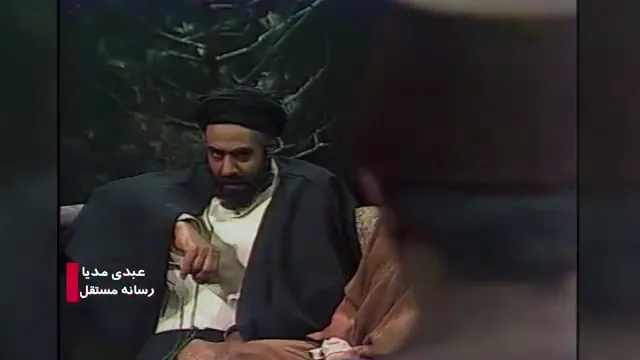
My problem with the army chief is not about the hat and turban, I disagree with the basis of this system
Read more
Continuation of the claims of Rabayesh Mohammad Nazimzadez of Muridan
Read more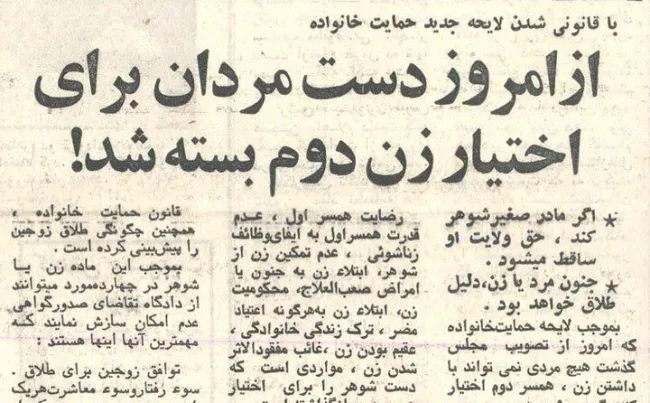
"Men's hands were tied for the authority of the second woman"
A clipping from the news newspaper on Tuesday 15th of Bahman 1353 and announcing the approval of the family support bill
It should be noted that the implementation of this law was stopped 2 weeks after the victory of the Islamic Revolution by sending a letter from Ayatollah Khomeini's office.
Read more
Happy Nowruz - In remembrance of all the waiting mothers, fathers, and lovers.
Read more
At the height of the revolutionary movements on December 18, 1957, some supporters of Shapour Bakhtiar and Mohammad Reza Shah Pahlavi also came to the streets.
At the height of the revolutionary movements on December 18, 1957, some supporters of Shapur Bakhtiar and Mohammad Reza Shah Pahlavi also came to the streets and addressed the revolutionaries who came to the streets on the same day and chanted: Compatriot brother, do not set fire to the country.
Read more
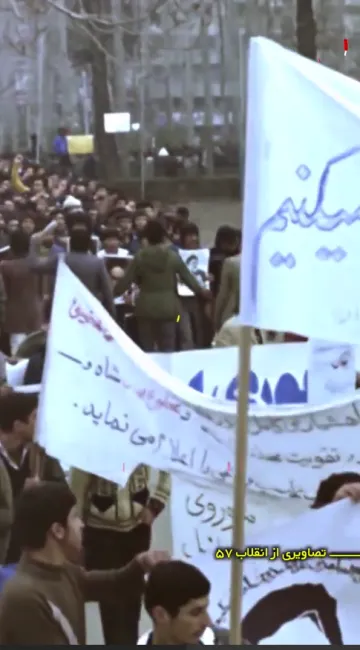
As long as the blood of the oppressed boils, the call of Ashura will be heard.
Images from the 1979 Revolution.
Read more
"Images of the 1979 Revolution"
Read more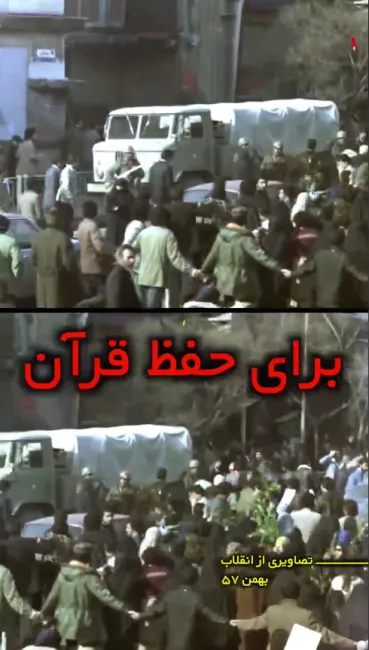
To preserve the Quran, army, be with us
Images of the 1979 revolution
Read more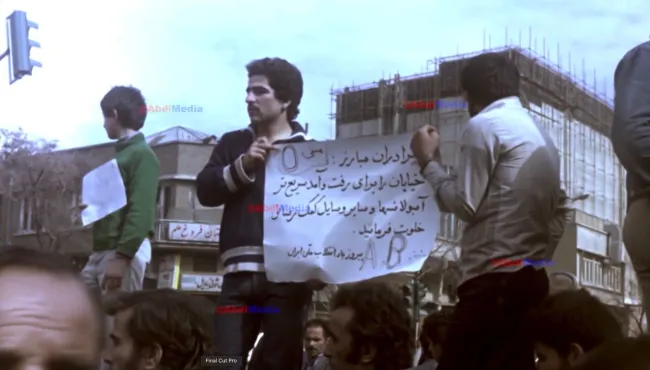
"Unseen Images from February 1979"
In one of the images, you can see a placard that reads: "Long live the National Revolution of Iran."
Read more
Unseen Image of One of the Violent Public Declarations by Revolutionaries in Bahman 1979
Instructions for Making Grenades
Read more
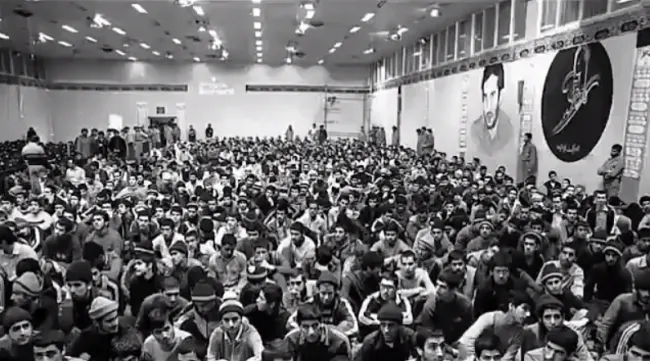
The Takbir of the political prisoners who repented in the 1980s, which is being published for the first time."
This is the famous Hosseiniyeh of Evin Prison, which was later renovated and transformed into a cultural unit and an amphitheater, among other sections, and was burned in the fire at Ward 7 of Evin Prison.
Read more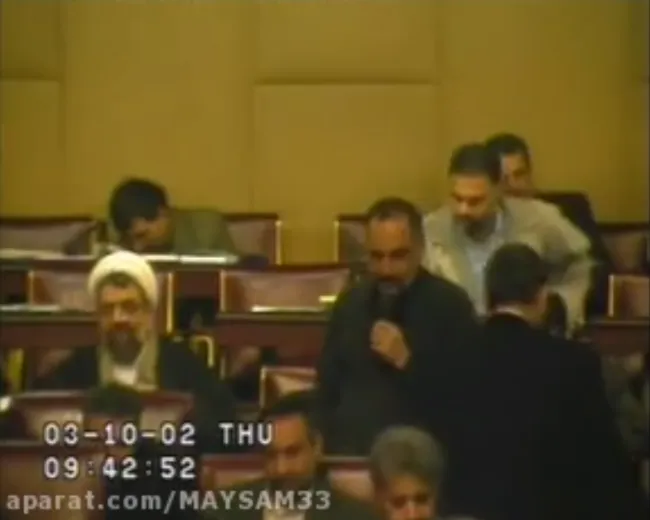
A Supplement to a Memoir of Hashemi Rafsanjani
Memories of Akbar Hashemi - February 1, 2001:
Read more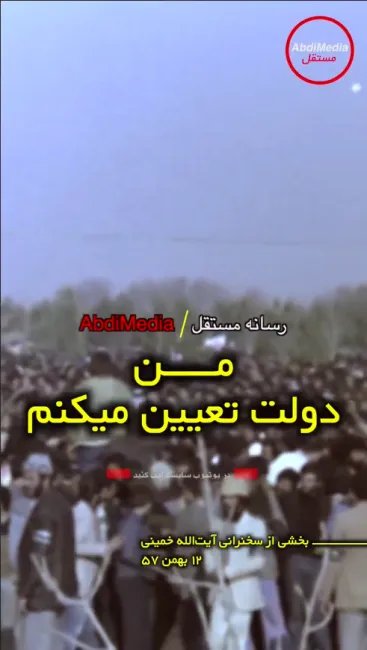
Ayatollah Khomeini on Bahman 12, 1357 (February 1, 1979): "Because the people accept me..."
Read more
Some Slogans from the Islamic Revolution of 1979
Read more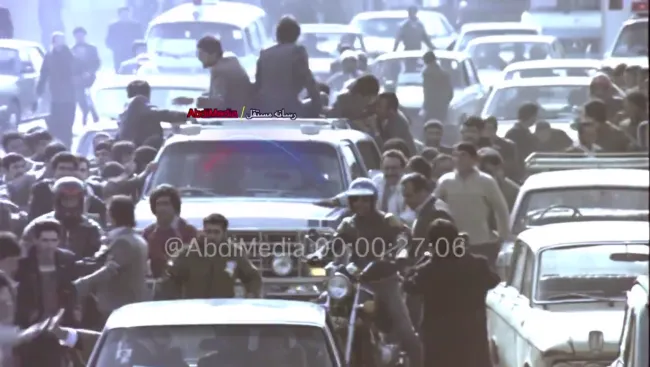
Less seen historical images of Ayatollah Khomeini's return to Iran and his famous bulletproof blazer
Read more
Shapour Bakhtiar: Ayatollah Khomeini is blessed whenever he comes...
One of the last video interviews of Shapour Bakhtiar in Iran - February 1979
Read more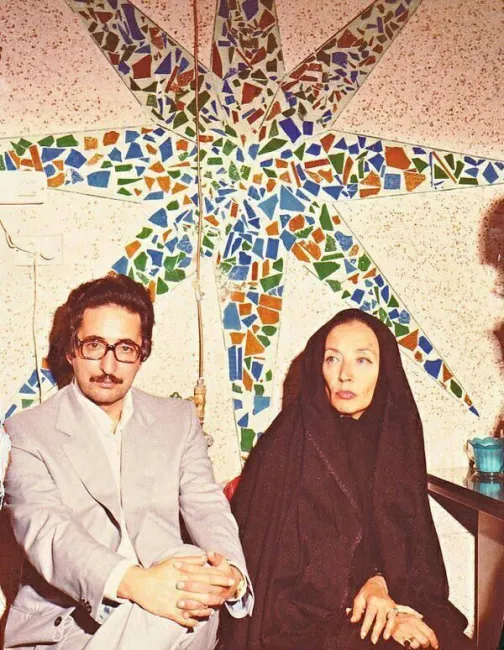
Famous Italian Journalist Alongside Banisadr Before He Became President
Read more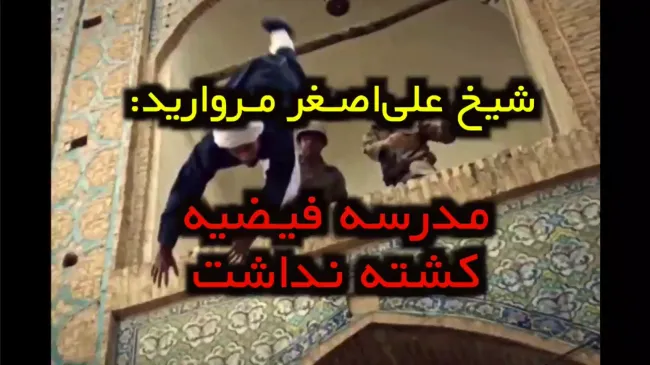
A piece from the "Motherland" series about "the massacre of the Shah's army in the seminary of Qom" and images of the throwing of students have become controversial
This is the narration of Sheikh Ali Asghar Marwaid, one of the witnesses present in the cases of June 5, 1963, who clearly tells that there were no deaths on this day.
Read more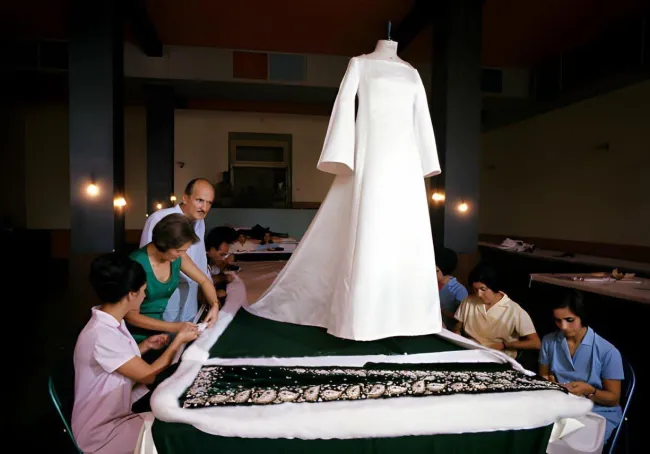
56 years ago; Royal dress design in Tehran
Read more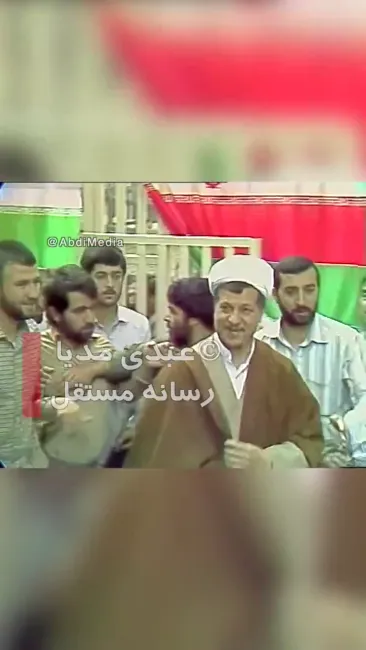
Previously Unseen Images from the Time When Akbar Hashemi Rafsanjani Cast His Vote Just Like Ayatollah Khomeini in Ballot Box 110
Read more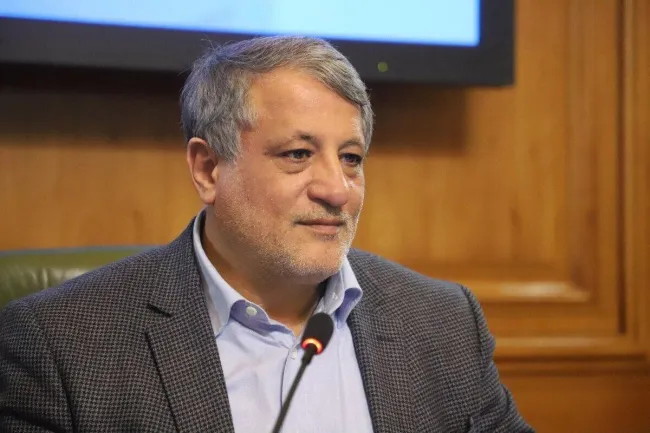
Mohsen Hashemi: In 2013, Mr. Moslehi Committed an Unfair Act Against Ayatollah Hashemi / The Authority Has Yet to Justify My Father's Death as a Normal Passing
Read more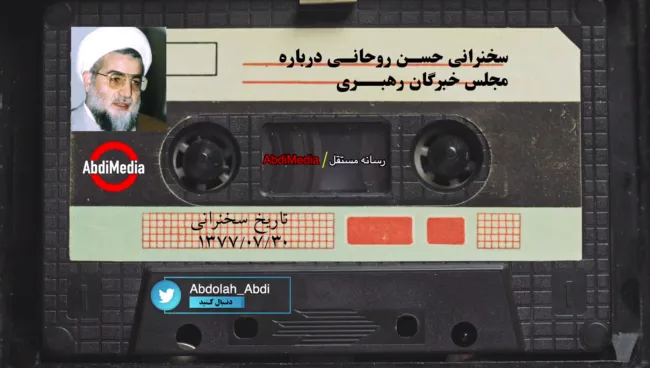
Sheikh Hassan Rouhani's speech on the Assembly of Experts
Date of the speech: October 22, 1998
Read more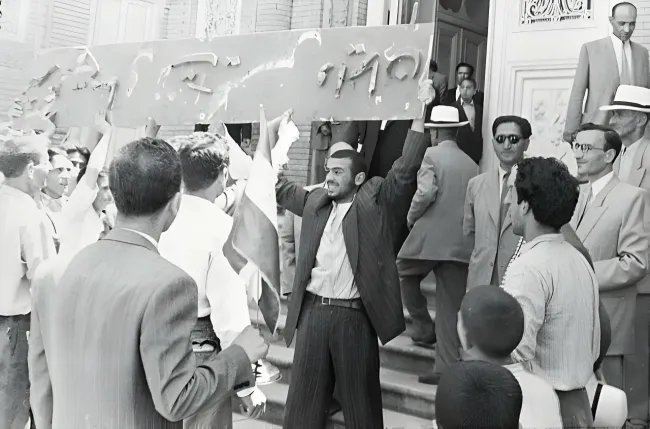
A rare image of an Iranian and a banner of the British following the nationalization of the oil industry.
Read more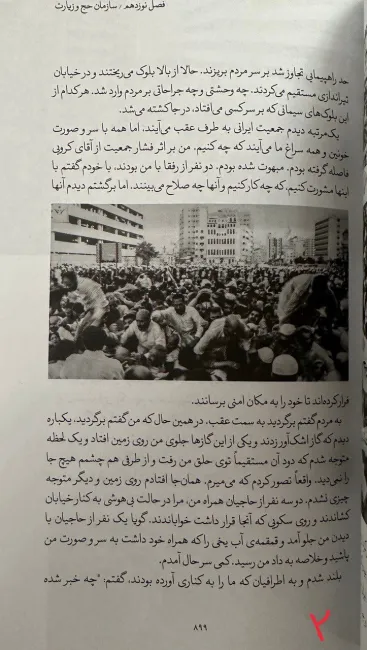
Earlier, I Shared the Account of an Organized Conspiracy by the Security Forces of the Islamic Republic During the 1986 Hajj Tragedy, Quoted from Seyyed Mahdi Imam Jamarani. I Hope You Have Read It.
Here is his firsthand account of the suspicious actions of a group attempting to exit the designated area set by the Saudi police during the Hajj, as well as the pre-organized counteraction by the Saudi police that led to the massacre during the pilgrimage.
Read more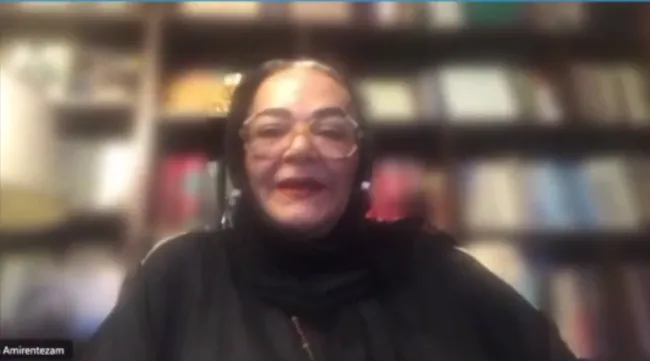
Elahe Amir-Antazem stated, "I have been informed that we are also on the list of 'chain murders.'"
"In 1999, I was in solitary confinement at the Joint Committee, which has now turned into the Museum of Regret."
This is part of an exclusive interview with Elaha Amir-Antazem, the wife of Abbas Amir-Antazem.
Read more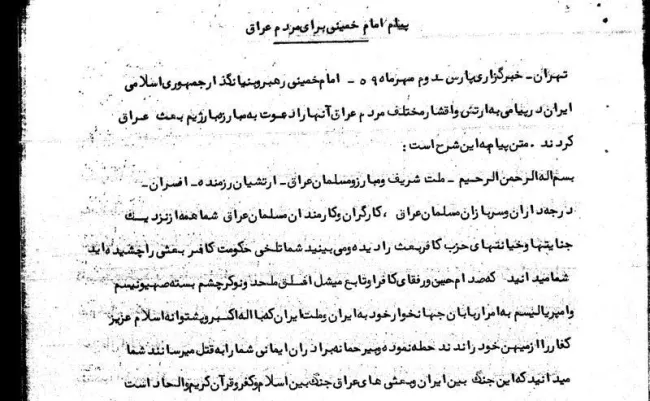
The publication of a document from the Pars News Agency telegram from Jamaran
Read more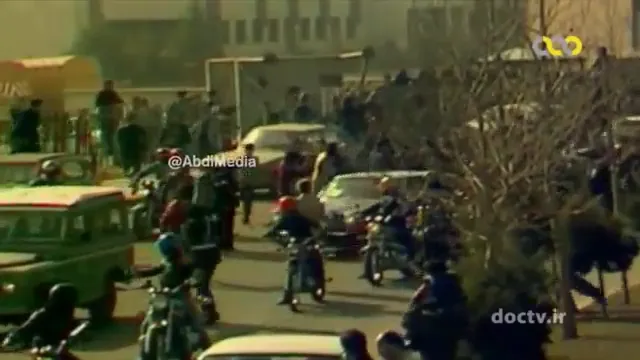
A video of the revolutionaries welcoming Ayatollah Khomeini upon his return to Iran in February 1979
Read more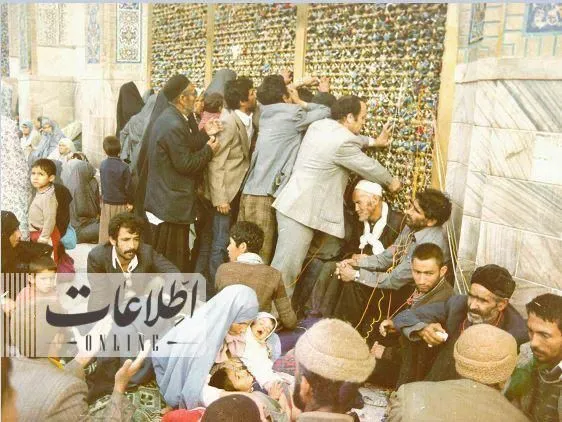
Unpublished images around the Razavi Shrine and the Steel Window, 1977
Read more
Eating caviar and sturgeon fish is now halal!
Read more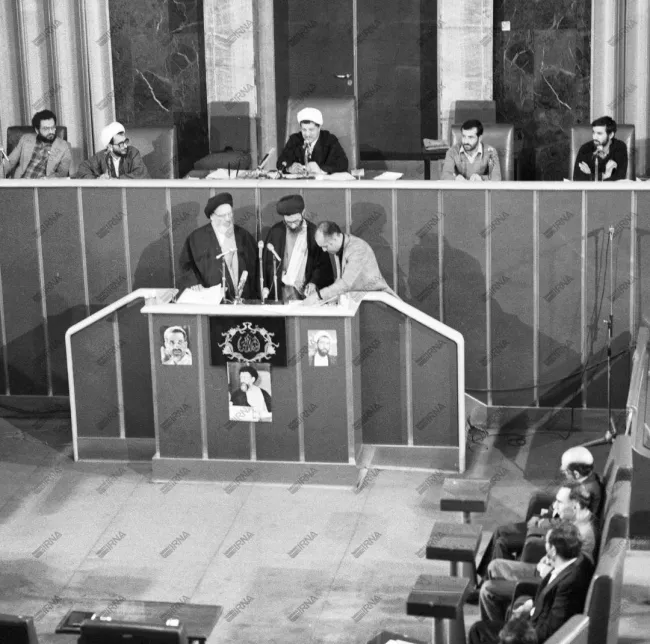
The swearing-in ceremony of the president-elect in the presence of the head of the judiciary in the parliament
Read more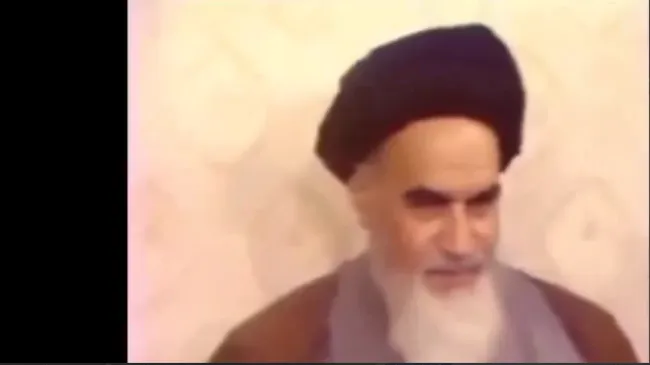
Mohammad Nasiri, who once proposed and requested the creation of the national anthem of the Islamic Republic to Ayatollah Khomeini, said today in an interview with *Iran Varzeshi*: "I wish for death every day."
Mohammad Nasiri said, "Every day, I wish for death from God. Because wherever Mohammad Nasiri was, with all these honors and medals, he had no financial or livelihood concerns. At 78 years old, I shouldn't be worried about paying rent and making ends meet. It is my constant worry, and it eats away at me like a pest."
Read more
Seyyed Mohammad Khatami, December 6, 2008, University of Tehran: Today, going to prison in this system is not a humiliation and it causes sadness
Read more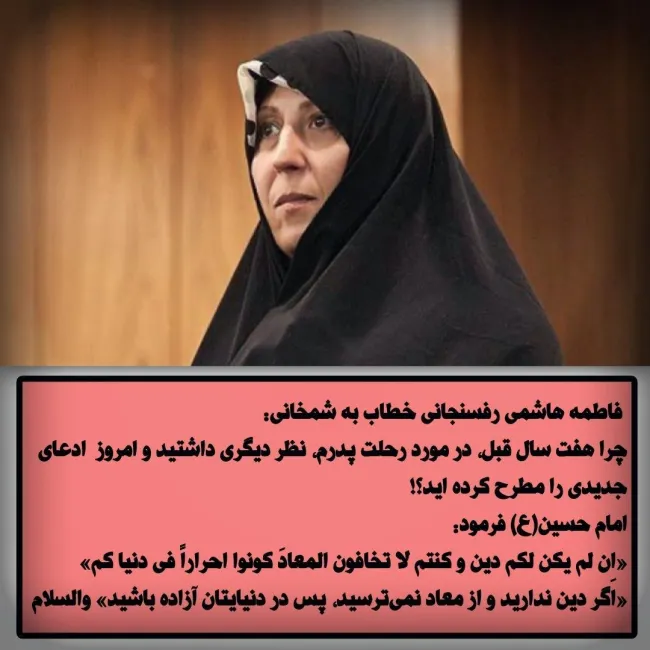
Fatemeh Hashemi Rafsanjani to Shamkhani: Why Did You Have a Different Opinion Seven Years Ago Regarding My Father's Passing, and Why Are You Presenting a New Claim Today?!
Read more
First-Time Publication - Akbar Hashemi Rafsanjani: The Leadership Decided to Support Them (the Ninth Government). Sometimes, when they saw that I was making heavy statements, they would say: It is not like that; people come and provoke you.
Read more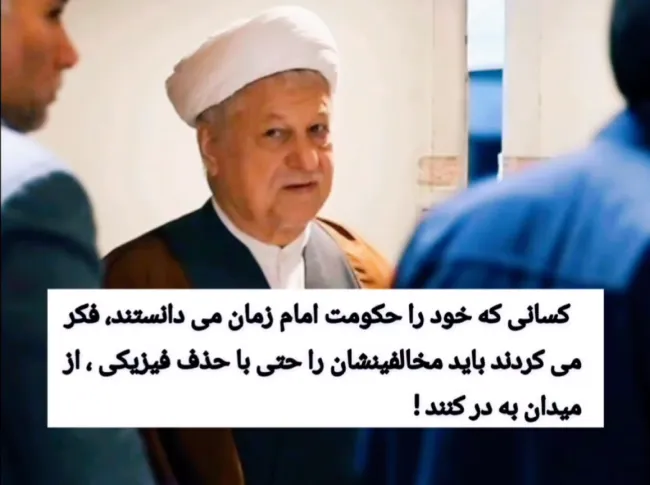
Watch Until the End: Those Who Considered Themselves the Government of Imam Mahdi Believed They Must Eliminate Their Opponents, Even Physically.
Akbar Hashemi Rafsanjani, in response to a question regarding the issue of house arrest, stated:
Read more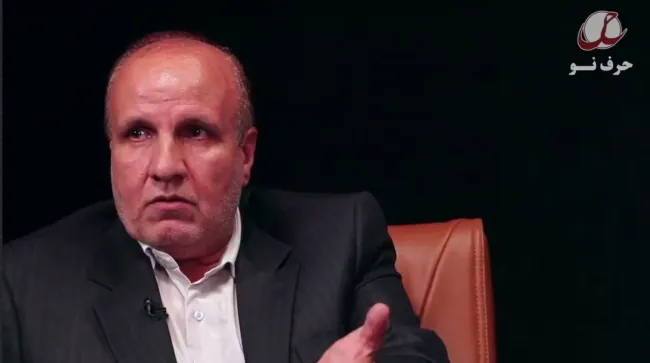
Mohammad Mohammadi: My servant and many others like me had not read even a single article of the constitution, but when Imam said, we went and voted
A part of the debate between Jalil Mohebi and Mohammad Mohammadi on the topic "Islamic Republic, Law System or Order?"
Read more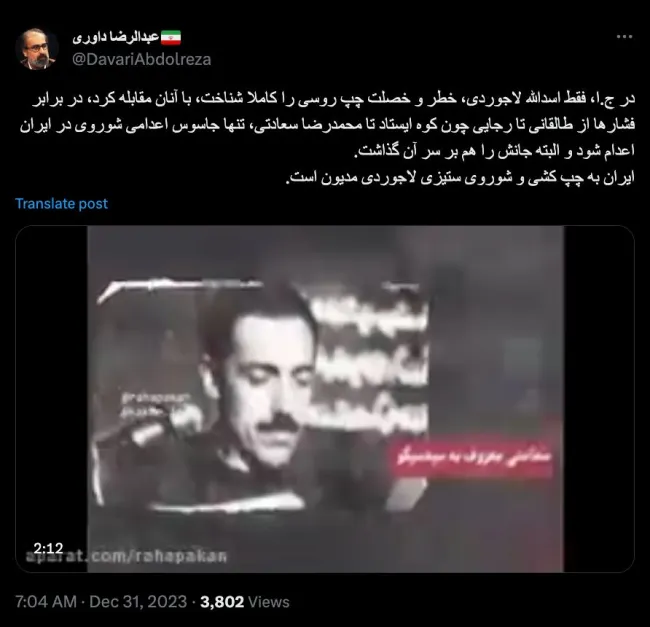
Mr "Davari" : Greetings
In the book "Sakhre Sakht," published by the Center for the Documents of the Islamic Revolution, there are moments where "Rajai" is conversing with "Asadollah Lajevardi," discussing sending a representative to see "Sadiqi" before his execution. If you haven't read it yet, I strongly recommend doing so.
Read more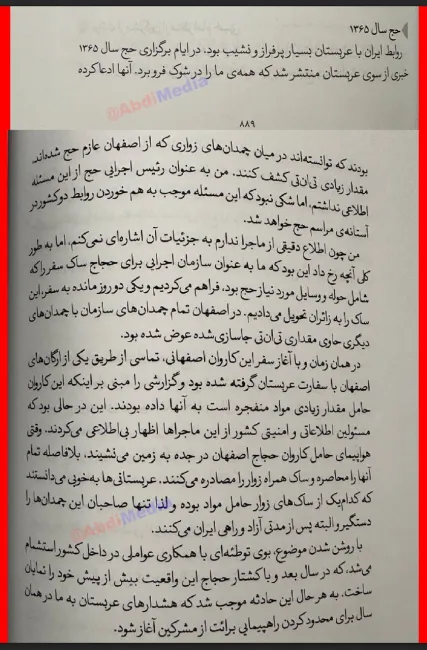
Excerpt from the Shocking Memoirs of "Seyyed Mahdi Imam Jamarani" and the Role of Security Elements in Disrupting Hajj in 1986
To gain a deeper understanding of the complexities and strange layers of power within the Islamic Republic, pay close attention to a small excerpt from the edited memoirs of "Seyyed Mahdi Imam Jamirani" in Volume Two, pages 889 and 890, published by the "Arooj Institute."
Read more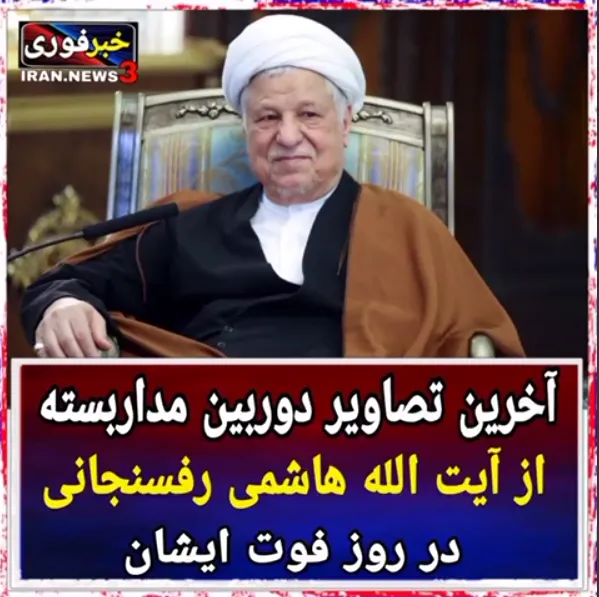
"Gholam Ali Rajaie," an Iranian politician and advisor to "Ayatollah Akbar Hashemi Rafsanjani," has released a video of his last appearance and moment of arrival at the Expediency Discernment Council.

The discovery of a cannonball fired during the constitutional era in Naqsh Jahan Square, Isfahan
Read more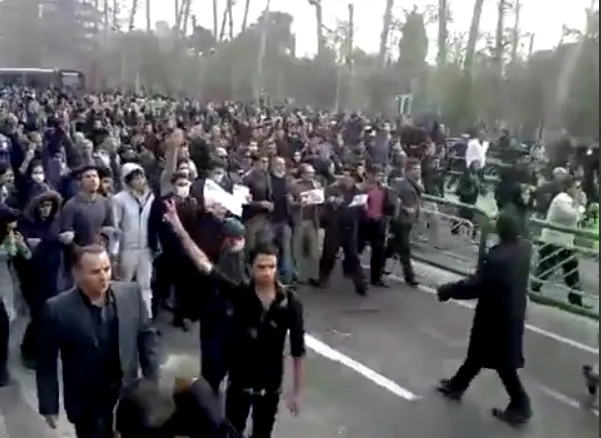
On Ashura in 2009, the voices of protesters who chanted 'Ya Hussein, Mir Hussein
At the end of this day, state television broadcast several scenes claiming that protesters were insulting the mourning for Imam Hussein.
Read more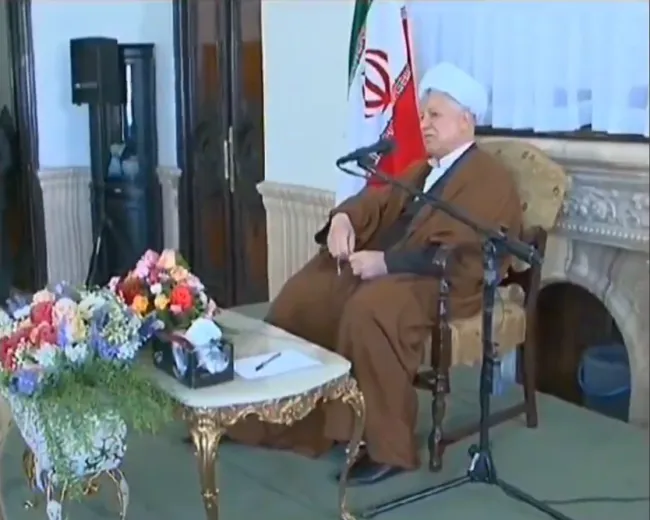
Bar - When do people feel obligated to participate in elections?
Read more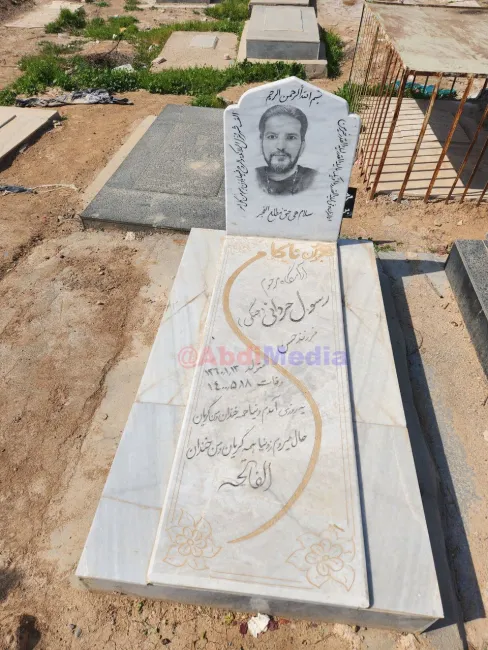
A memoir of a secret IRGC aviation security officer, which was published on the occasion of the establishment of the IRGC
Read more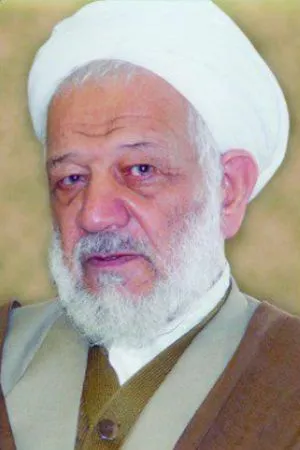
Dr. Rasool Jafarian's thoughtful note from parts of Sheikh Ali Asghar Marwarid's memoirs Stat
Read more
Ayatollah Seyed Sadegh Rouhani: Mr. Khomeini wrote to me that if you defend him [Ayatollah Shariatmadari], we will make you like him
Faryad Darun - Seyyed Mohammad Nazemzadeh
Read more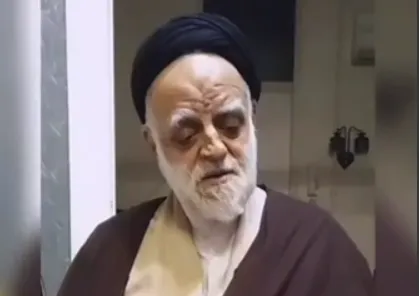
Ayatollah Mousavi Tehrani: Khalkhali belongs in hell / What answer will Mr. Khomeini give on the Day of Judgment...
From Faryad Daron channel (Syed Mohammad Nazimzadeh)
Read more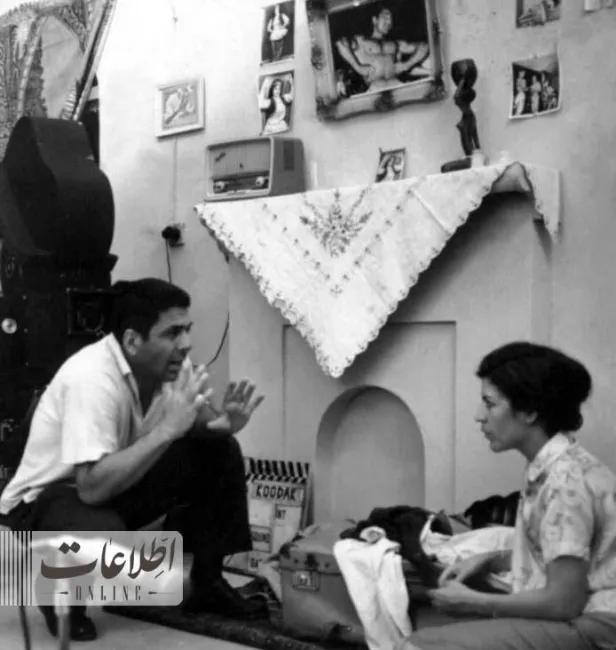
Unpublished photo of Ebrahim Golestan: 58 years ago
Read more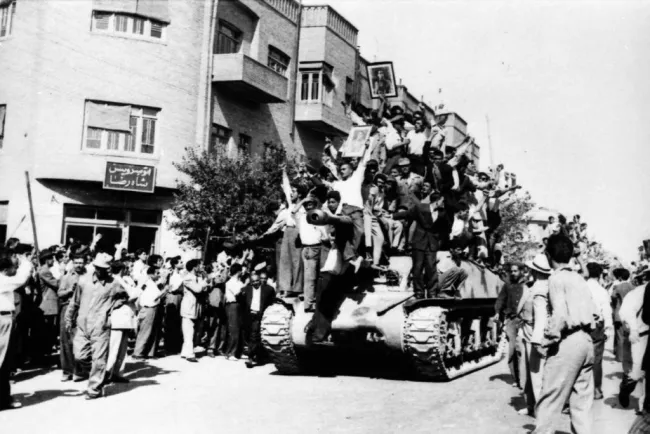
Tehran on the Day of the Coup, August 19, 1953
Read more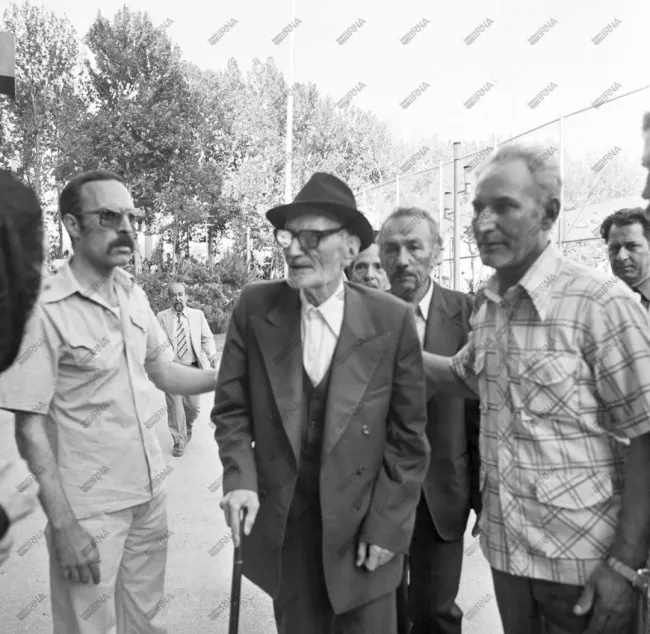
Published for the first time | Mohammad Taghi Shariati (Quran teacher and father of Dr. Ali Shariati) at the memorial ceremony commemorating the death of Ali Shariati
Date: June 19, 1979 / Location: University of Tehran / Photographer: Yeganeh Doost.
Read more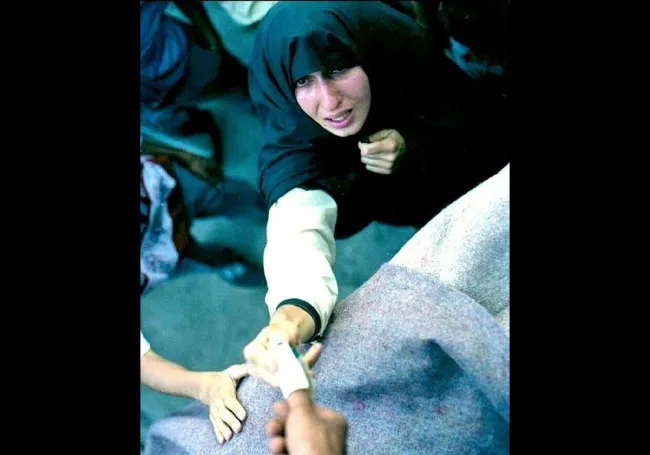
The saddest photo of the 8-year war
Read more
As more time passes since the "1979 Revolution," the facts become clearer with the release of additional films and documents.
Read more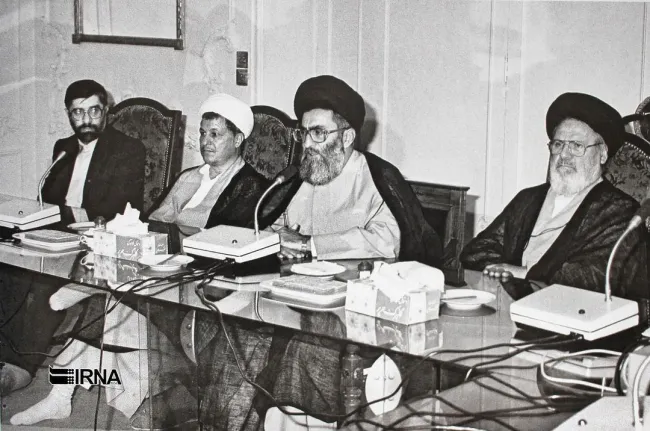
First Publication | Extraordinary Meeting of the Heads of Powers Following the Tragic Killing of 400 Iranian Pilgrims in Hajj
Read more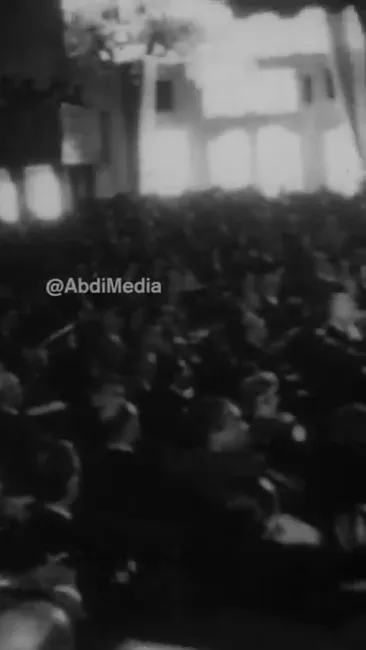
Bahrain - A segment from the report by Iran's national television regarding the separation of Bahrain.
Read more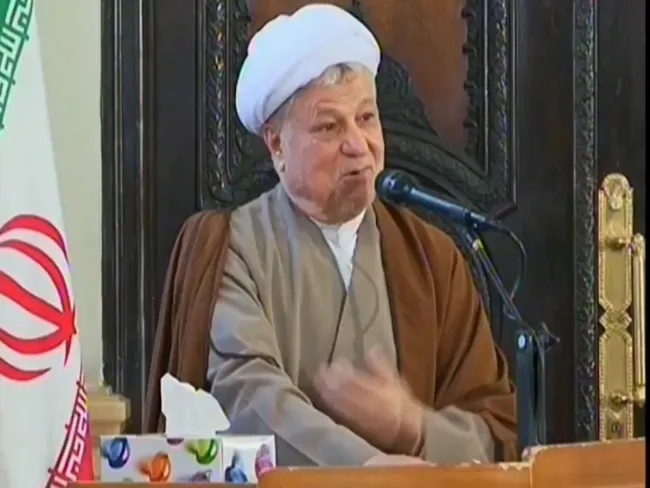
Published for the first time - Sunnis in Iran are interested in Ahl al-Bayt, led by a stone-walled, fanatical and extremist group, they are trying to separate Sunnis from us.
Read more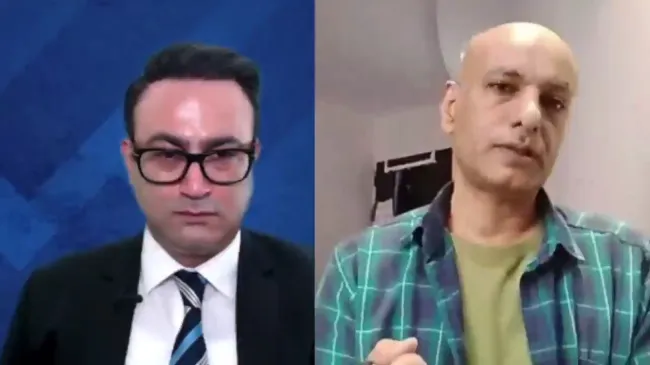
Dr. Mohaddesi: The clerical organization entered into a historical gamble and it seems that it lost in this gamble
Read more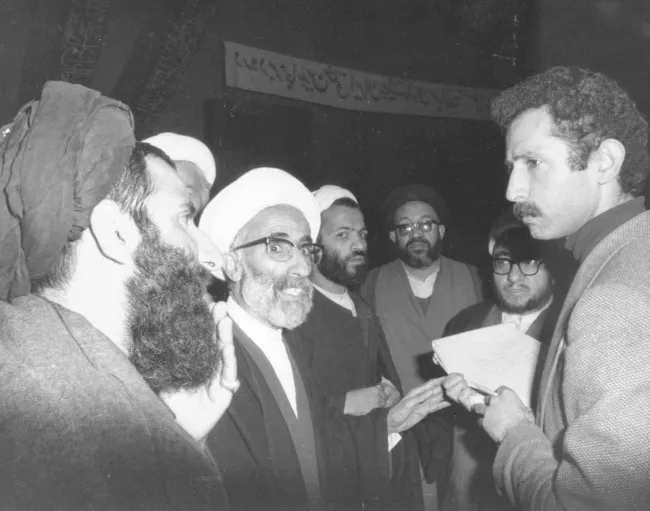
Sheikh Ahmad Jannati and Sheikh Sadeq Khalkhali among the clerics protesting at the University of Tehran mosque in the days leading up to the victory of the Revolution in February 1979.
Photo from the online archive of the National Library of Iran.
Read more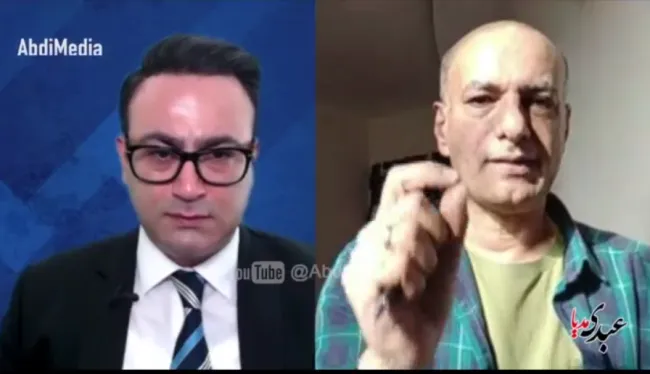
Dr. Mohaddesi stated that the clergy organization has experienced a historical decline, presenting claims that it has been unable to realize.
He expressed a similar prediction for the Taliban.
Read more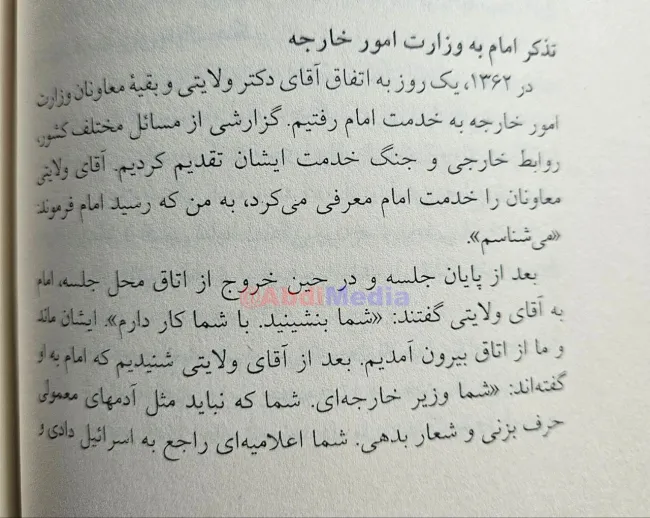
Attention: Hossein Amir-Abdollahian, Minister of Foreign Affairs of the Revolutionary Government
Narrative by Javad Mansouri, former Deputy Minister of Foreign Affairs
Read more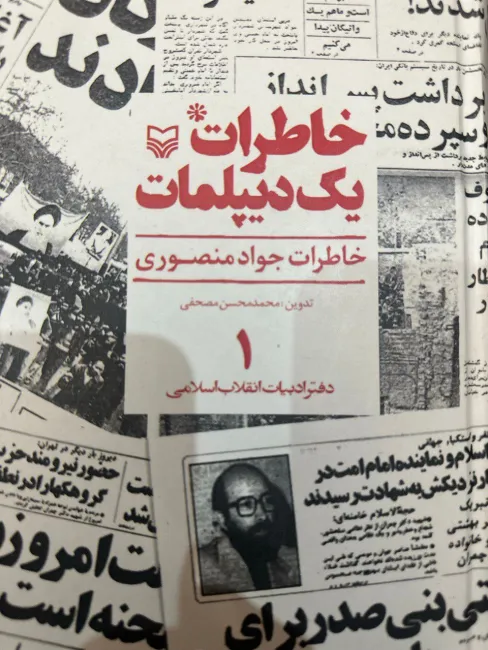
In the first volume of his memoirs titled "Memoirs of a Diplomat", Javad Mansouri has mentioned many historical points from the lens of his role or perception from February 11, 1979 to around 1987, albeit briefly
But exactly where he should express his most important narratives for history, i.e. the end of 1986 and the first six months of 1987, he passes them. It is more interesting that he deliberately includes such a passage.
Read more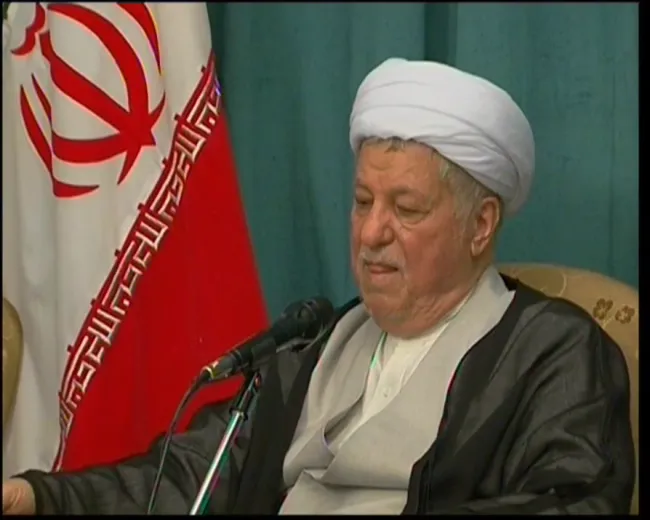
We discussed with the leadership about the solution of the correct elections, while confirming, he said something important and said: Even if my opponents take 60% of the seats in the parliament, I do not feel threatened. I was happy, but later it turned
Read moreDr. Mohaddesi: The constitutional monarchy was permanently destroyed by the 1979 Revolution
Read moreDr. Mohaddesi: The Pahlavi regime cultivated elites, and those elites stood against it
Read more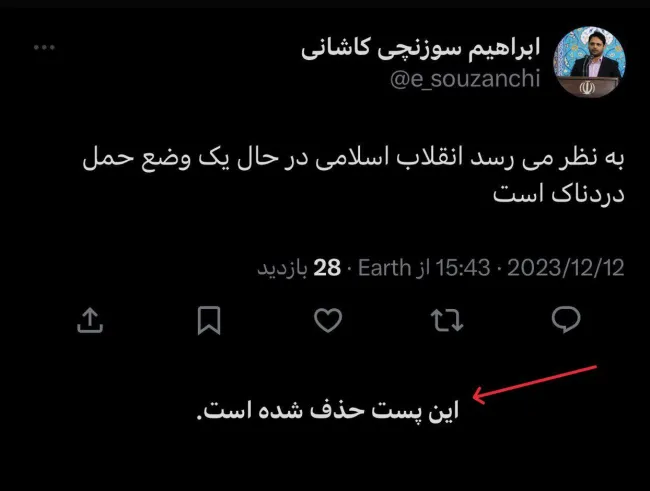
Dr. Ebrahim Souzanchi Kashani, a member of the Supreme Council of the Cultural Revolution, has deleted his highly notable post.
Read moreDr. Mohaddesi: Books and tools for awareness and information were among the factors that led to the collapse of the church
Martin Luther said that the printing press is the greatest divine blessing.
Read moreThe clergy loses a historic gamble
اظهارات تامل برانگیز حسن محدثی گیلوایی جامعهشناس و استاد دانشگاه
این نحوه مبارزه با حجاب بذر عصیان را در درون خود دارد و این به یک عصیان بزرگ اجتماعی میشود.
Read more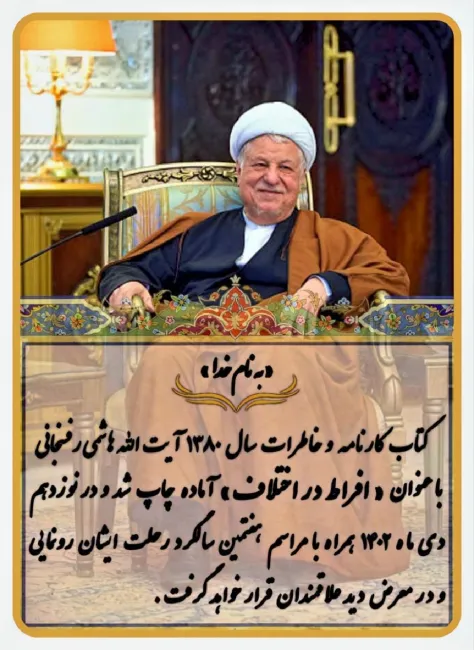
Akbar Hashemi Rafsanjani museum information base announces the unveiling of Hashemi Rafsanjani's diaries of 1380 under the title "Extreme in Discord" on January 19, 1402
After Akbar Hashemi's diaries of 1379, which are published daily in Abdi Media with clearer references and introductions, the diaries of the sensitive year of 1380 are very important.
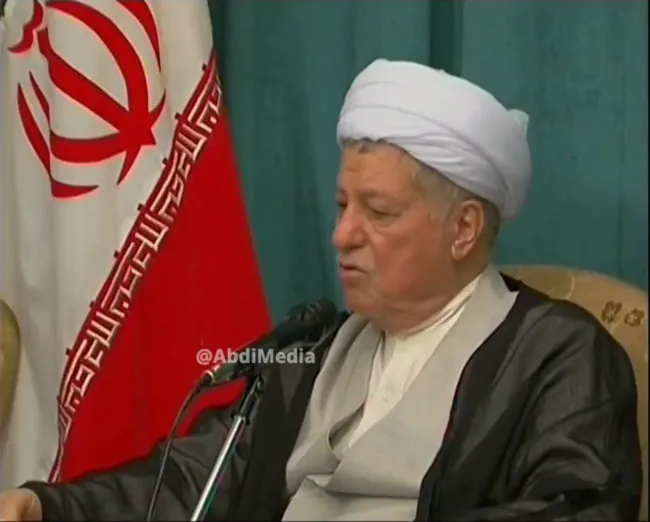
Published for the first time - Mr. (Ayatollah Khamenei) in our time, emphasized that students should be political and once cursed that "God curse those who do not allow political students to be in universities"
They were so serious, but now it has happened differently.
Akbar Hashemi Rafsanjani's meeting with Tehran University students 06/20/1391
Read more
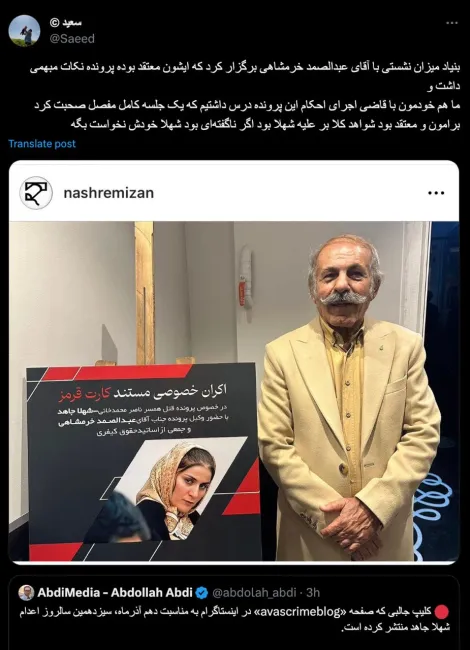
Greetings; I also heard; Shahla Jahid did not believe that Nasir Mohammad Khani would execute her on behalf of her children and the mother of the deceased
Although Nasser did not touch the stool, he was present at the scene, and for this reason, it seems that he did not tell important things to Hasan Rahimi, the head of the judiciary, but Rahimi's memories and retelling are important.
Read more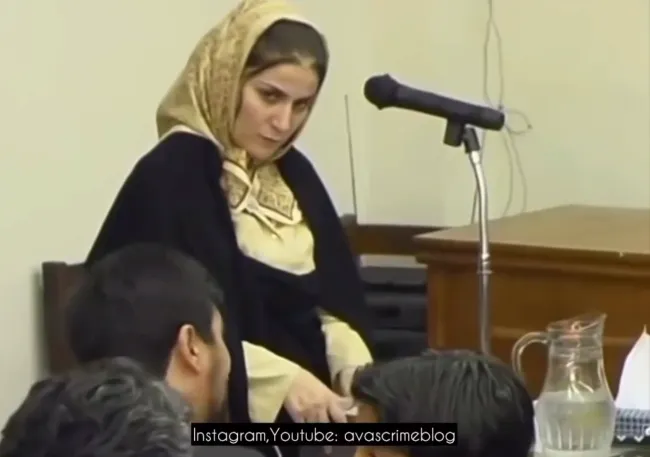
An interesting clip posted by the "avascrimeblog" Instagram page on the occasion of December 1st, the 13th anniversary of Shahla Jahed's execution
If only Hassan Rahimi, the representative sent by the then head of the judiciary, who met Shahla Jahed in the final moments leading up to her execution, would reveal any untold stories he has.
If only Nasser Mohammadkhani, at least, would recount the moment when he, acting on behalf of his children, along with the mother and brother of the deceased, attended the execution. The other untold stories can wait for now.
If only Abdolsamad Khoramshahi, Shahla’s lawyer, would one day reveal all the hidden truths that, like in many other murder cases, remain concealed.
And if only the real truth behind murder cases were not always hidden. If only...
Read more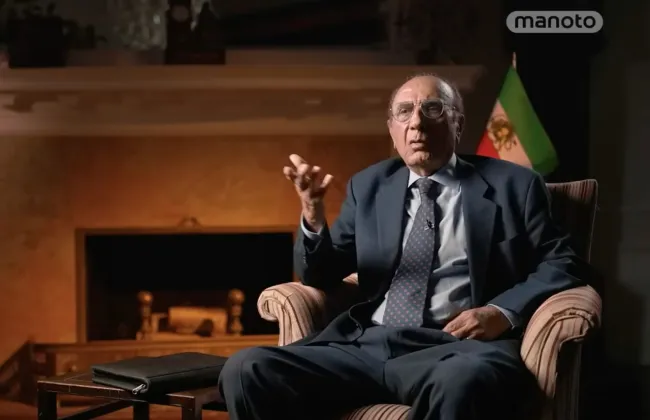
The documentary on Parviz Sabeti: a lesson and its historical messages and teachings
The documentary portrait of Parviz Sabeti is a well-crafted, impactful, and lasting piece of work that will surely be analyzed and critiqued by media professionals, the revolutionaries of 1979, and historians.
The nature of a portrait documentary is that it focuses extensively on the central character, often with a positive lens.
My overall impression after watching the five-part series is that Mohammad Reza Shah Pahlavi's greatest mistake was yielding to his opponents and protesters, as well as his decision to leave the country, relinquishing control to others. This serves as the biggest lesson for the Islamic Republic and its officials.
The Islamic Republic has long learned from this experience, and during recent protests, it has operated based on the same lessons but with modern tools, specially assigned individuals, and the management of public perception and fake political opposition. This targeted management and intelligence strategy continues today.
Some attacks (from both the media of the Islamic Republic and opposition groups from the Pahlavi era, who are now among the opponents or dissidents of the Islamic Republic) on the creators of this documentary may be due to what they see as "whitewashing SAVAK." However, I believe that many of the current officials of the Islamic Republic, or the ever-present public who have shifted from supporters to indirect and hidden opposition, will not harshly criticize the Islamic Republic's behavior in dealing with its opponents, after watching Parviz Sabeti's narrative.
In conclusion, any interview or historical documentary that presents even a one-sided perspective holds historical value, as it can later be affirmed or disputed. We should be grateful to the producers of such historical narratives.
Read more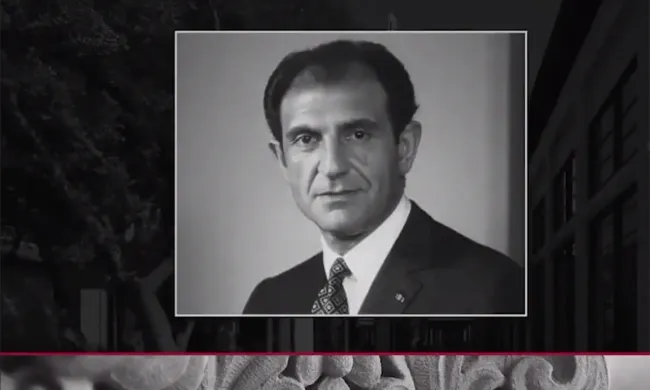
The account "The Last Diplomat Documentary" on social media has published an artistic video message from Kissinger, the American diplomat, following the death of Ardeshir Zahedi
Kissinger, who held titles such as National Security Advisor under President Richard Nixon and U.S. Secretary of State, passed away at the age of 100.
Read more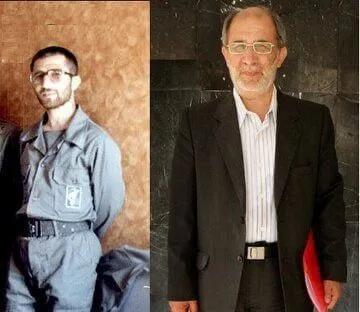
Brigadier General Alaei: We hit American helicopters with Stinger missiles. I asked Mr. Hashemi if he really wanted to close the Strait of Hormuz. He said "yes"
Brigadier General Alaei, commander of the Nooh Headquarters during the eight-year war:
"Recently, I saw in an interview with one of our dear friends that he claimed to have founded the speedboats. However, these were established by the Navy of the Revolutionary Guard during the war. Many like to say it was us, which is fine; everyone was involved, but accurately presenting events is very important.
We obtained Stinger missiles through intermediaries from Afghan brothers who were working with the U.S. and had received them to use against the Soviets. These were mounted on the boats. Two Apache helicopters attacked our guys and hit the boats, but one of our men used the same Stinger missile, originally American, and shot down an American helicopter for the first time, which then fell into the sea, with two pilots drowning who were later recovered.
Iran repeatedly stated that we would close the Strait of Hormuz. One day, I went to Mr. Hashemi and asked him if he really wanted to close the Strait. He said yes. If the Americans did something, we would close it. I asked how he planned to do that. He said, 'You guys are here.' I replied that we needed weapons. He asked what we wanted.
I said the Iraqis had told us what to ask for. They were using silk worm missiles from inside Ras al-Bisheh to hit Khorramush. I told him that since he was planning to visit China, he should ask them to give us some of those missiles they had given to the Iraqis. He went, made the contract, and we received them."
— Khabar Online
Read more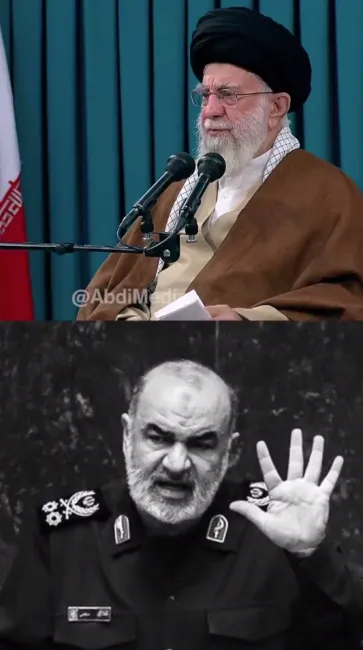
Ayatollah Khamenei, the Commander-in-Chief of the Armed Forces, stated today in a meeting with the Basij members: "The Islamic Republic's view is not about drowning the Zionists and Jews in the sea"
Brigadier General Hossein Salami, the Commander-in-Chief of the Islamic Revolutionary Guard Corps (IRGC), stated in October 2018: "There is no option but to throw them (the Israelis) into the sea."
Read more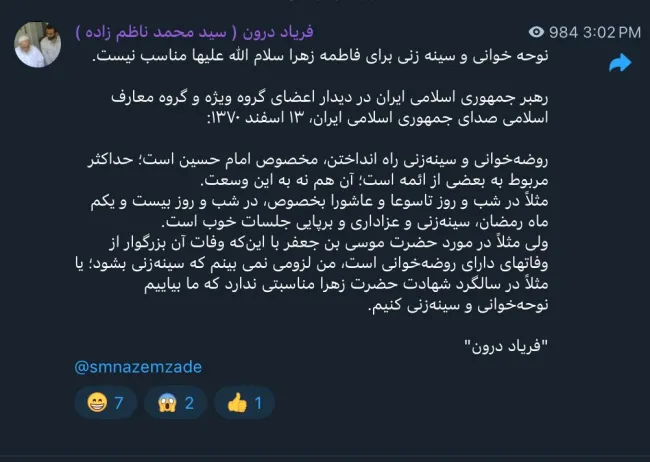
Seyed Mohammad Nazemzadeh, the admin of the Telegram channel "Faryad Darun," has published statements from Ayatollah Khamenei regarding the mourning rituals and chest beating for "Hazrat Fatemeh Zahra" from the year 1991
Does Ayatollah Khamenei still hold this view or not?
Read more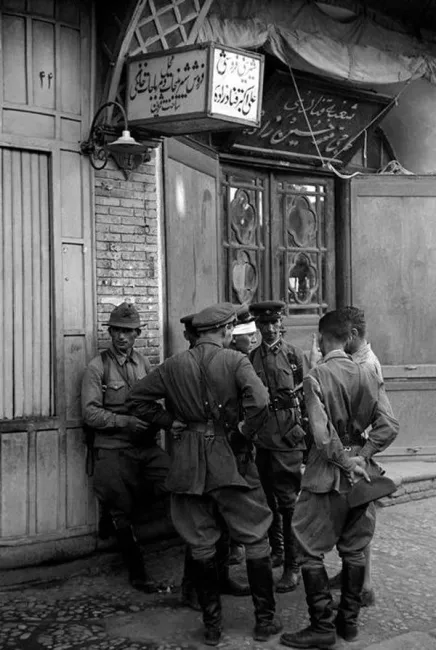
Soviet soldiers outside the Grande Hotel in Qazvin; photo by George Roger, 1941
Read more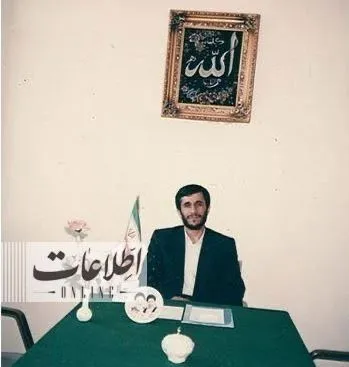
The first acquaintance of Iranian people with Mahmoud Ahmadinejad in 1993
Read more
A historical film of an interview with Mr. Marashi, CEO of Tehran Railway and Metro before the revolution
Read more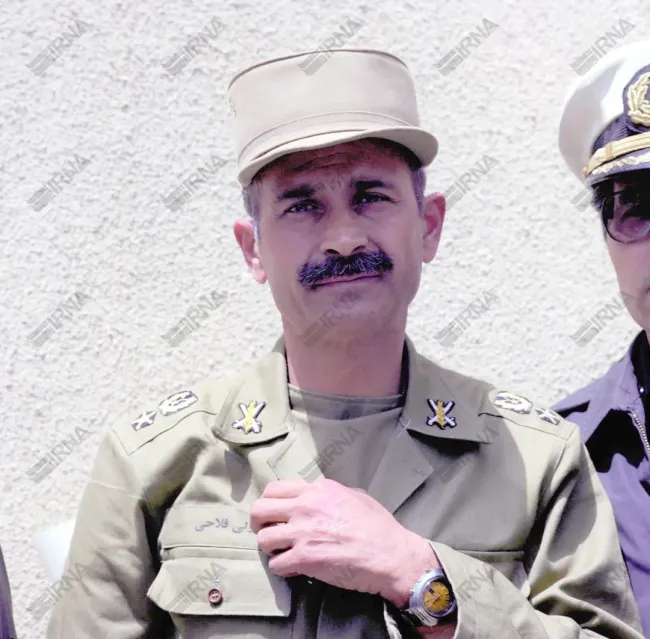
The commanders of the three forces of the army (Zahirnejad, Fakuri, Afzali and Chief of Staff Falahi), after meeting with Ayatollah Khomeini in Jamaran / 1981 April 25
Photographer: Ali Faridouni / IRNA
Read more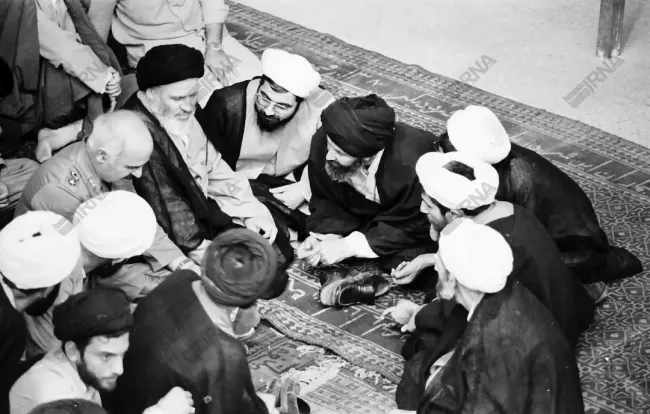
Published for the first time / minutes before the inauguration ceremony of Mohammad Ali Rajaei
Time: 1981 August 2 / Place: Hosseinieh Jamaran / Photographer: Saifullah Samadian
Read more
Narration of Dariush Homayun about press censorship
Interview with Harvard University Oral History:
Read more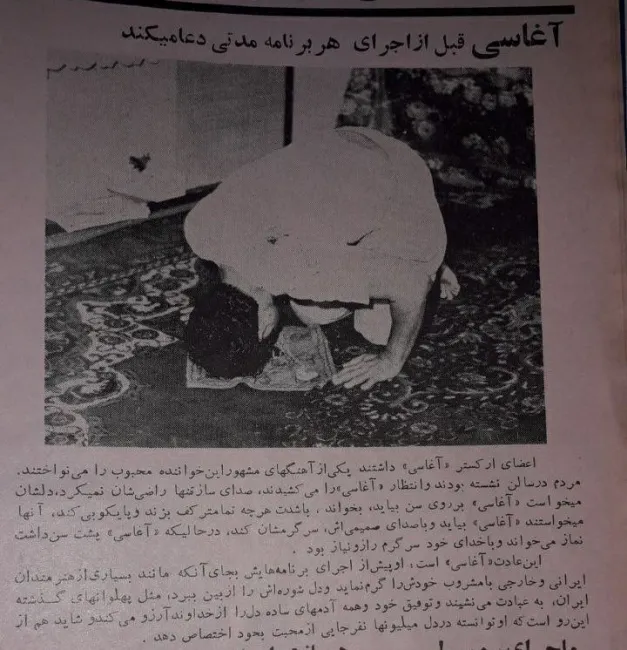
Aghassi's romantic prostration
Read more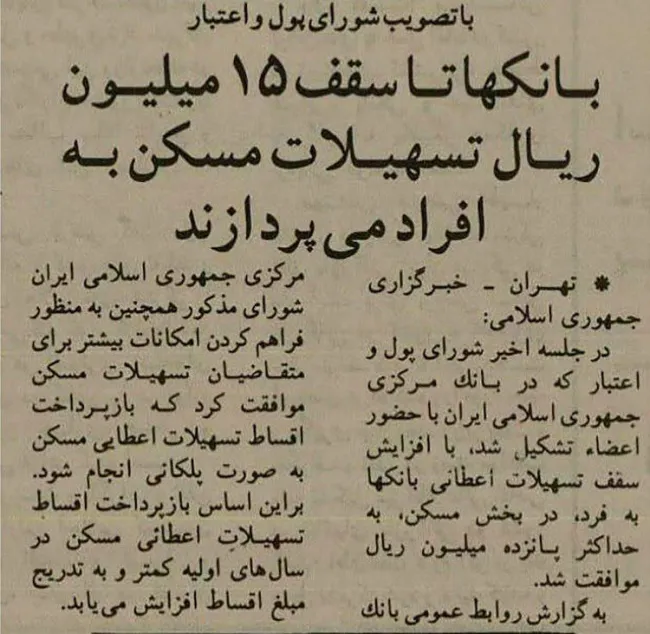
Strange but true: 30 years ago, banks gave housing loans equivalent to the cost of two kilos of beef today!
A snippet from the Ettela'at newspaper, dated November 8, 1993 (Aban 17, 1372).
Read more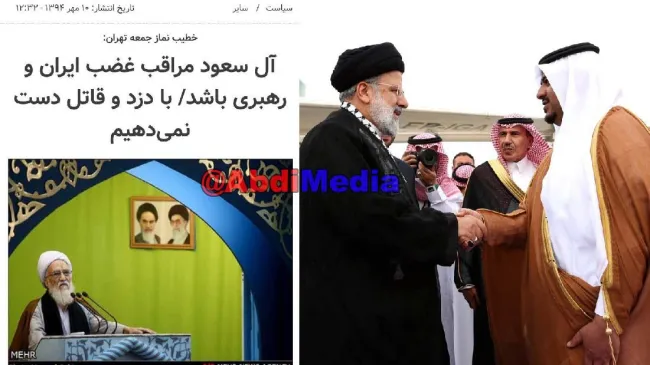
I wanted to extend my greetings to Mr. Sheikh Mohammad Ali Movahedi Kermani, a member of the Assembly of Experts and the interim Friday prayer leader of Tehran.
I hope you're doing well!
Read more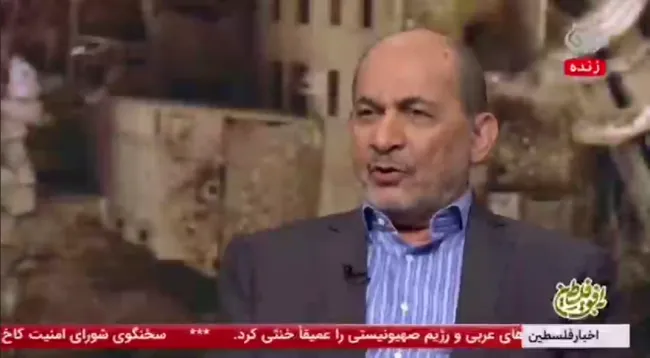
Mohsen Rafighdoost on the program "To the Horizon of Palestine": I told Yasser Arafat, "Your biggest mistake was that you took a olive branch instead of a gun!"
Read more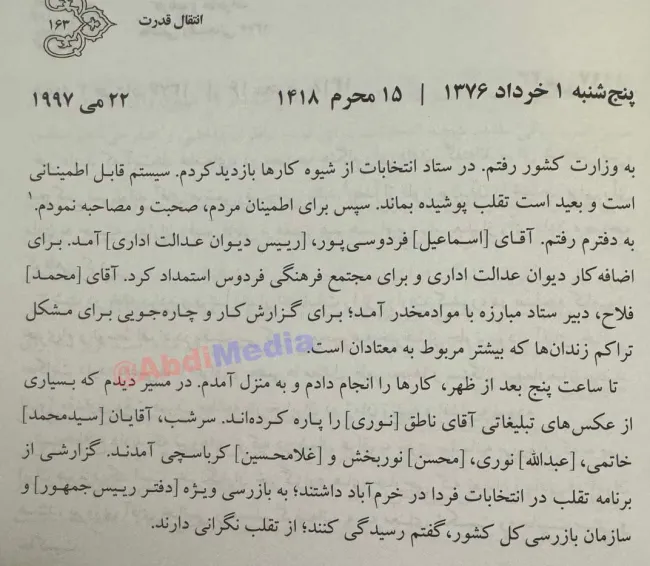
The journal entry of Akbar Hashemi Rafsanjani on June 1, 1997, confirming the statements of Seyyed Mohammad Ali Abtahi.
Read more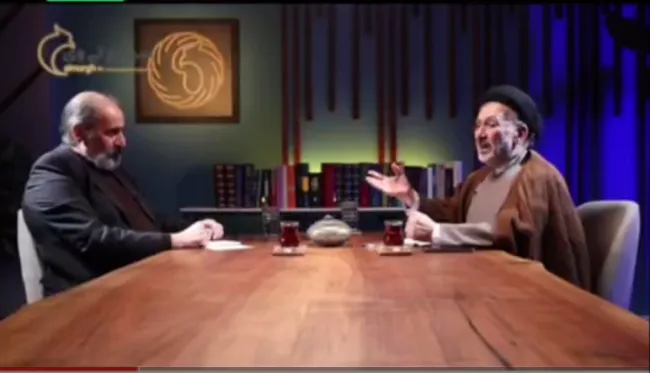
Abtahi's memory of the electoral fraud in the June 2 elections in favor of Nategh Nouri
Mohammad Ali Abtahi, the then head of the office of Seyyed Mohammad Khatami, the reformist president:
"On the night of the elections, Karrbaschi brought ballots that already had the name 'Nategh Nouri' written on them. We were concerned about fraud. We went to see the late Hashemi. Mr. Hashemi said to be prepared for 2 to 3 million votes being tampered with. If your votes get mixed up with this number, there won't be much that can be done!"
Read more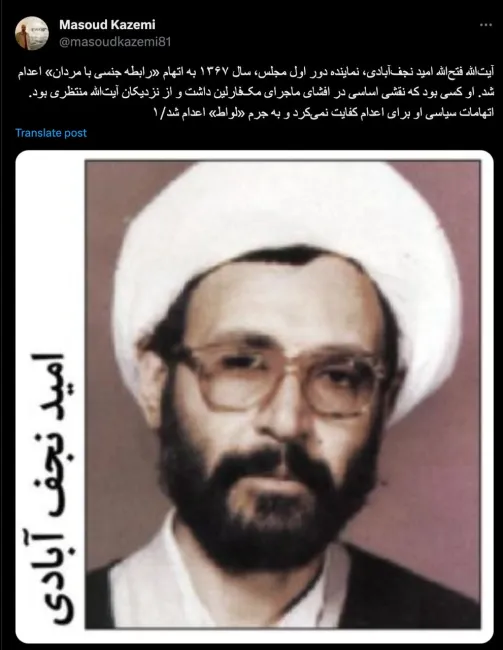
Mr. Kazemi; greetings
I will only mention for now regarding Sheikh Fathollah Omid Najafabadi that he was initially accused of security and political crimes but was released due to the media atmosphere and special follow-ups. However, shortly thereafter, he was arrested again on different charges and was executed for these recent accusations.
Will the case files and judicial proceedings against him and also Seyyed Reza, known as Abdolreza Hajazi, ever be released from the records of the Special Clergy Court and the Center for Islamic Revolution Documents?
Sheikh Mohammad Mohammadi Reyshahri did not provide any definition of the details and context of Sheikh Fathollah Omid Najafabadi's accusations before his death.
Will Sheikh Ali Fallahian, especially Sheikh Ali Razini, in their roles as the judge of Sharia courts, ever disclose details during their lifetimes?
Read more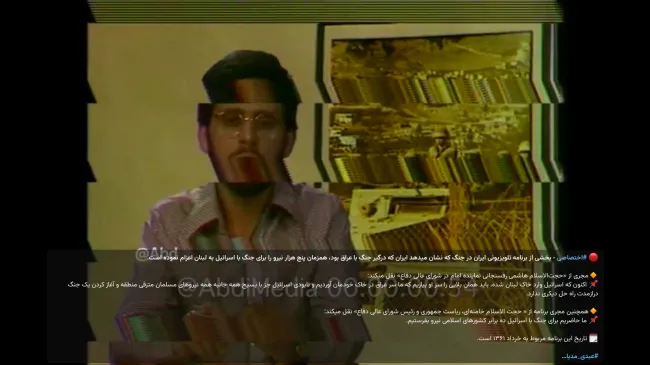
Exclusive: Segment from Iran's "Iran in War" TV Program Reveals Iran Engaged in Conflict with Iraq While Dispatching 5,000 Troops to Lebanon to Fight Israel A segment from the television program "Iran in War," which illustrates Iran's involvement in the
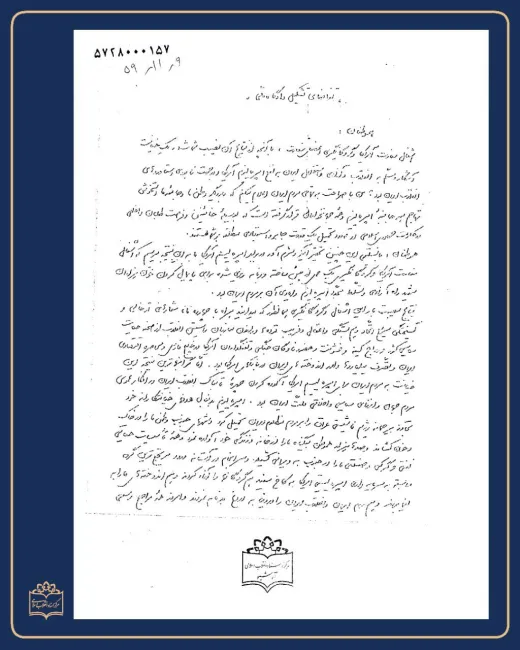
The Islamic Revolution Documentation Center has published a letter addressed to the people of Iran by Mr. Ali Asgar Haj Seyedjavadi, a political activist and a member of the National Front, which he wrote on January 29, 1981. which "requires the formation
Read more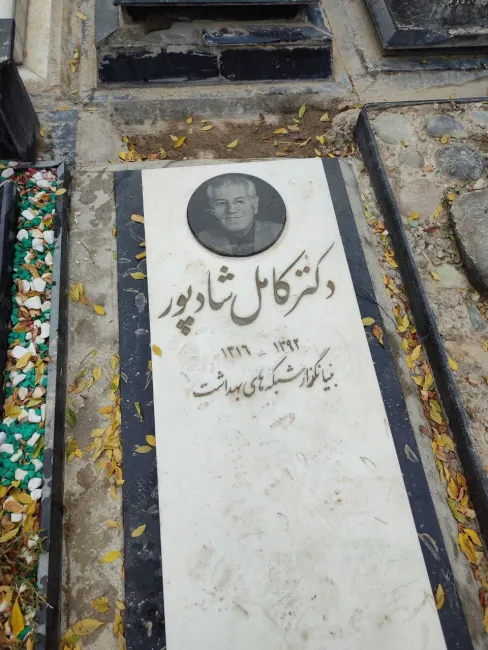
Some time ago, in a message, we criticized the founders of Iran Health Network for the destruction of the memorial plaque of the late Professor Shadpour. Fortunately, the image of his memorial plaque has been reconstructed and restored
The management approach, goals and abilities of people like the late Professor Shadpour, the late Pileh Roudi, etc., in the management of the health system should be discussed in universities so that the young generation does not forget these people.
Read more
Ayatollah Khamenei: Those with the Spirit of Hezbollah are Preferred Over Those Without in All Sectors
"Ayatollah Khamenei," the Supreme Leader of the Islamic Republic of Iran, stated in speeches delivered in Mordad 1394 (July 28, 2015) during a "Collective Meeting of Clerics" that:
Read more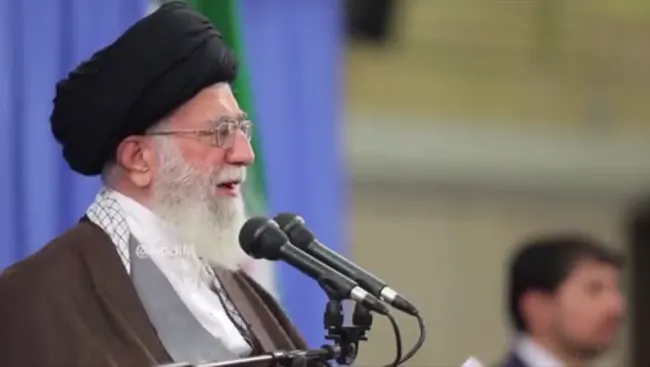
Ayatollah Khamenei: Do Not Accuse Hezbollah Youth of Extremism
Read more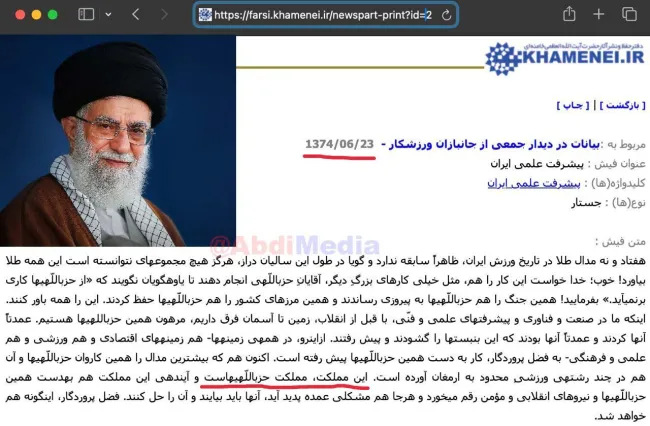
Ayatollah Khamenei: This Nation Belongs to Hezbollah Members, and Its Future Will Be Shaped by Hezbollah, Revolutionary, and Believer Forces
Read more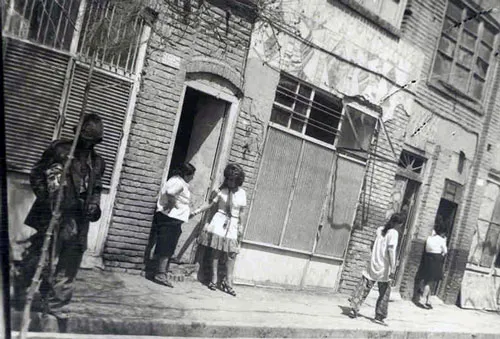
New city prostitutes
From the execution of Pari Bolandeh, Soraya Turke and Ashraf Chaharcheshm to today
Read more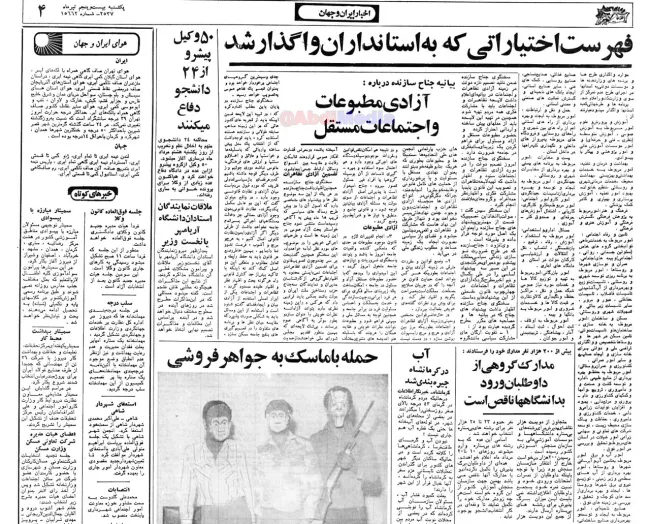
The need for freedom of the press and independent communities
The headline of an information newspaper - July 1979
Read more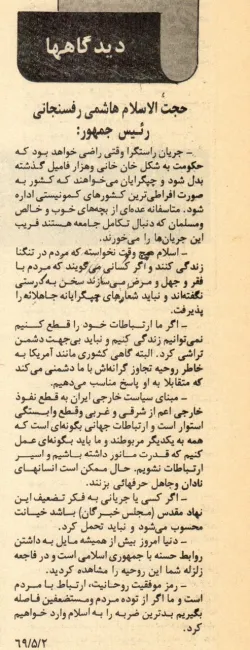
Hashemi Rafsanjani: The right wants a return to feudalism, while the left aims for extreme communism. Sadly, some sincere Muslim youths are being led astray by these factions
Bayan Magazine, August 1990
Read more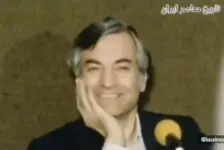
"Memory of Iran's Mandela!"
Read more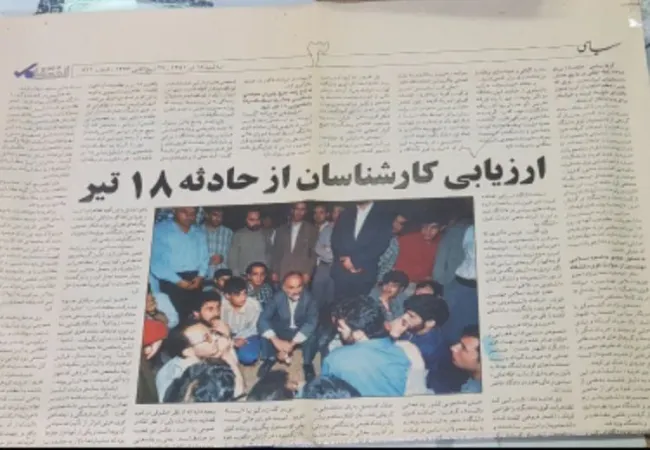
Dr. Mostafa Moein, the then Minister of Culture and Higher Education, wrote a note titled "Souteh Delan" regarding the events of July 9, 1999, at Tehran University Dormitory, on his Telegram channel
Read more
What happened to the "Khorusneshan" gum factory?
Read more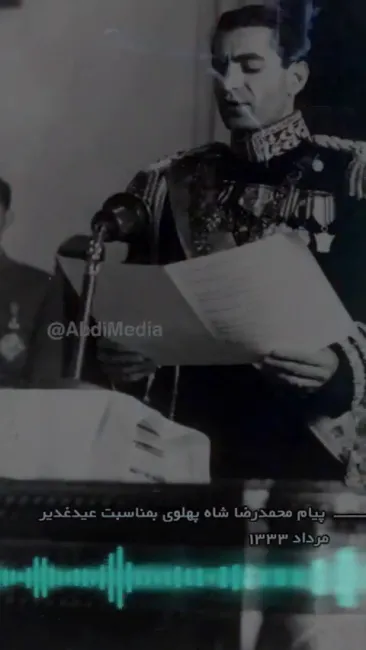
Published for the first time
A part of Mohammad Reza Shah Pahlavi's message on the occasion of Ghadir Eid in August 1954
Read more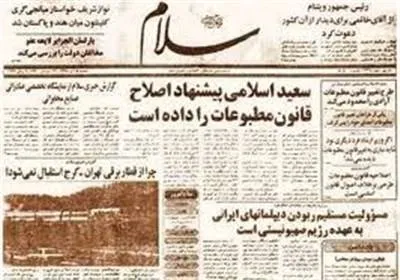
Why was Salam newspaper banned?
Read more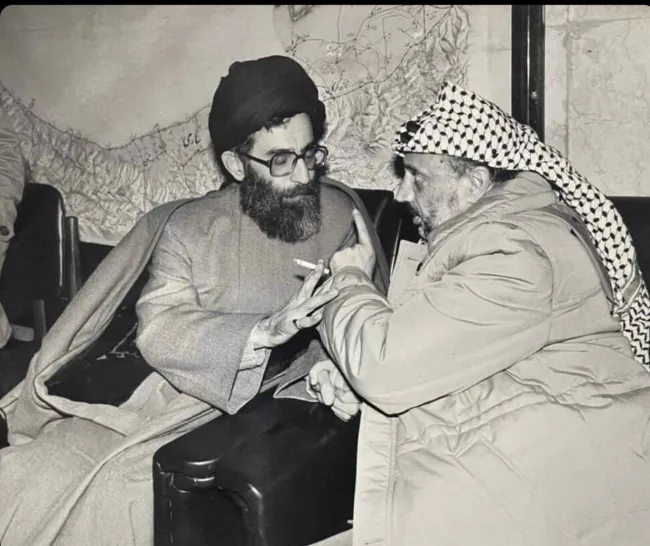
Yasser Arafat's meeting with Ayatollah Khamenei during his trip to Iran - 1980
Read more
Parviz Khatibi, Karim Fakour, and Mohammad Dolatshahi's comedy show
Read more
Advertisements for the elections of the first parliament and distorting the banner of the rivals
Spring 1980, Tehran / Twitter Ali Malehi
Read more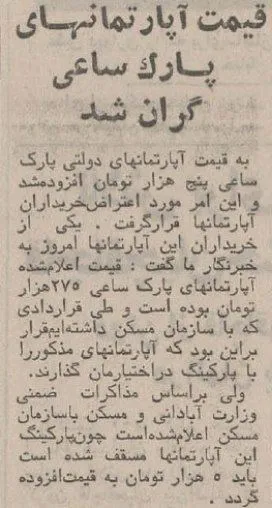
Apartment in Sai Park 280 thousand tomans!
Read more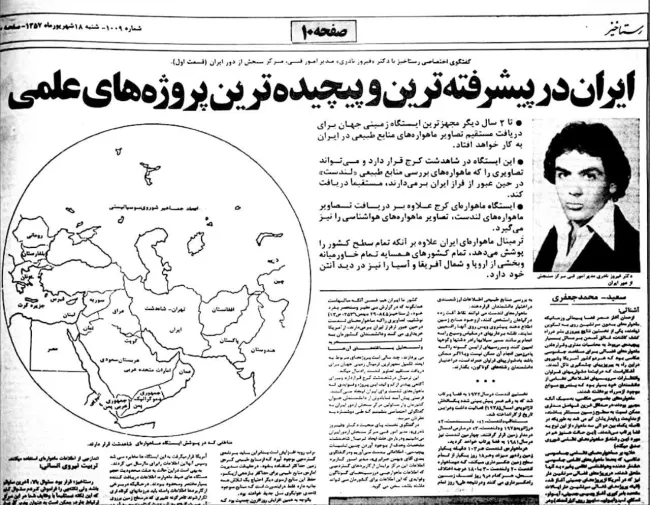
An image of an interview with Dr. Firouz Naderi by the newspaper Rastekhiz on September 9, 1978.
Read more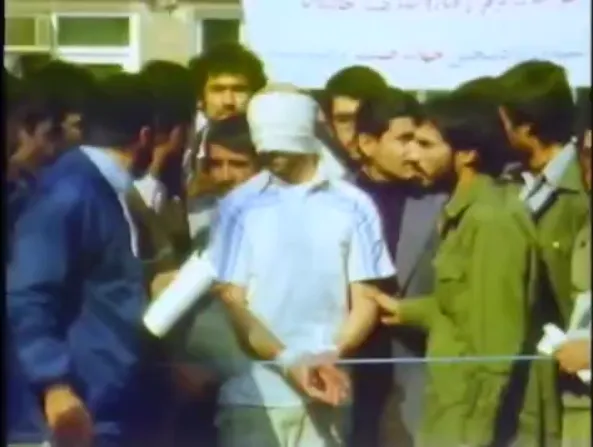
The story of Mousavi Khoeniyah and Seyed Ibrahim Raisi's strong disagreement regarding the handling of the explosion case in the prime minister's office
A section of the Tarcode documentary about important cases in the history of the revolution from Document Network
Read more
Saeed Hajarian: I advocate for conditional participation in elections / I defend a non-vetted and free ballot box / The binary of "ballot box or street" is a fallacy
Read more
Zeidabadi: I am talking about the freedom of criticism, whose subversion can be free?
That our system endures is because of its heavy consequences.
Read moreZeidabadi: I was interrogated for thousands of hours for my writings
Mr. Youssef Ashkouri announced during the reform period that the late Taleghani said hijab is not compulsory, he was accused of apostasy and sentenced to death.
Read moreZeidabadi: We are facing a system that does not respect our rights and violates them very easily
Read more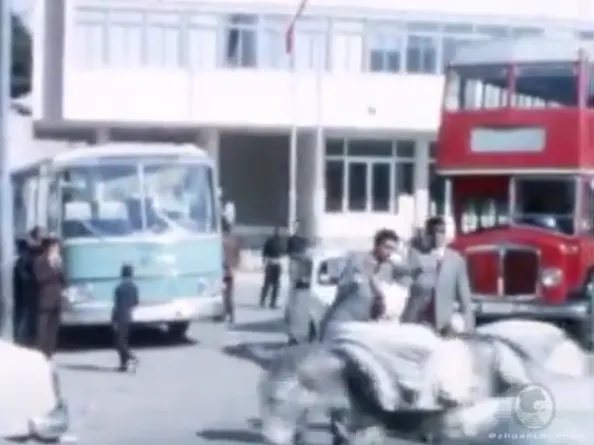
Pictures of the bus station of TBT Passenger Company on Bab Homayoun Street in Tehran to Munich in Germany in 1965
Once they went to Germany by bus
Read more
The words of Sheikh Ahmad Jannati, Chairman of the Council of Leadership Experts, 35 years ago regarding the necessity of controlling the leader of the Islamic Republic
Read more
Mohammad Javad Mozafar: In a way, the ruling movement welcomed the war based on a wrong analysis, and it was a mistake that was made
Read more
The words of Ezzatullah Sahabi in protesting the principle of velayat al-faqih in the first assembly of experts
Read more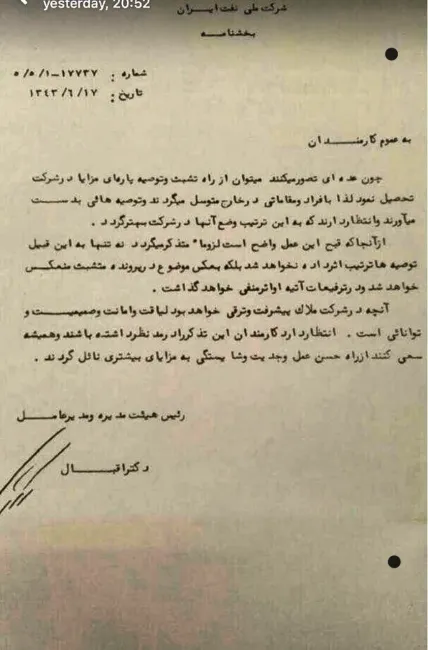
Administrative system 60 years ago in the oil company
Read more
Sadegh Zibakalam: The biggest mistake of the Shah, from the perspective of the Islamic Republic, was that he retreated and did not respond firmly. When the people took one step forward, the Shah took two steps back
Read more
Saddam was thinking of attacking Iran a year before the start of the war! - The words of the first person who was aware of Saddam's decision
Salah Omar Ali - Iraq's ambassador to the United Nations in 1358 says: Saddam told me that this opportunity will not come except once every hundred years, and we will break the heads of the Iranians and take back every piece of land they have occupied. and we will take back Shatt al-Arab.
Read more
Published for the first time - Barbecue on the war front
Read more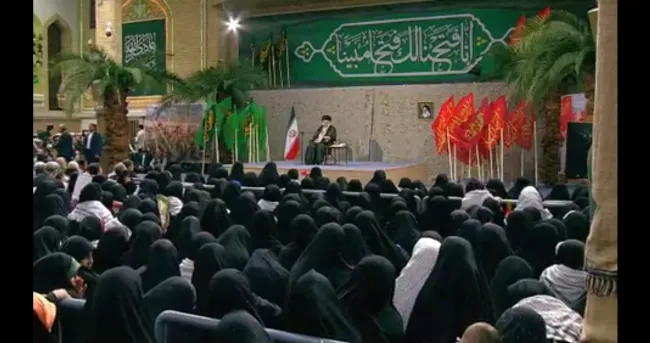
Ayatollah Khamenei's definition of the Islamic Republic, today in a meeting with veterans and activists of the holy defense and resistance
Islamic Republic means religious democracy
Read more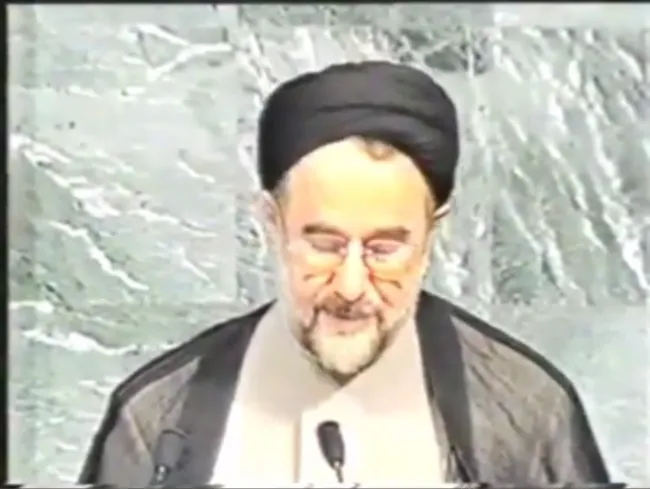
I come from Sarfraz Iran
A part of Seyyed Mohammad Khatami's first speech at the United Nations
Read moreSadegh Zibakalam: The percentage of those who came to the streets in the protests after Mahsa, it was clear that they no longer want the system, and they firmly told the system, no
A part of the conversation with Sadegh Zibakalam entitled "Iran after Mahsa Amini"
Read more
Exclusive - A picture of Martyr Ali Akbar Shiroudi on the theater stage
Ali Akbar Shiroudi was the captain of the Super Cobra pilot of Hovaniroz army and one of the top pilots at the beginning of the Iraq-Iran war, who was martyred.
Read more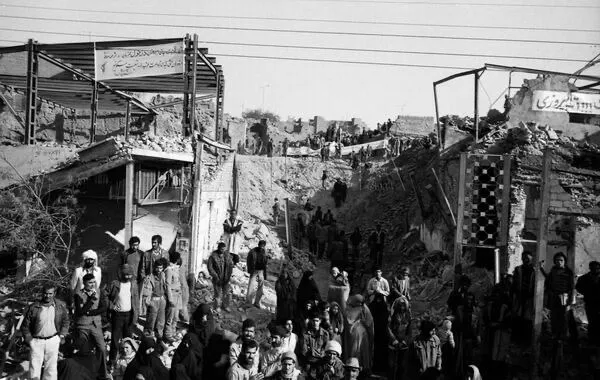
May 25 is called Dezful Day or the Day of Resistance and Stability in the Iranian calendar.
Read more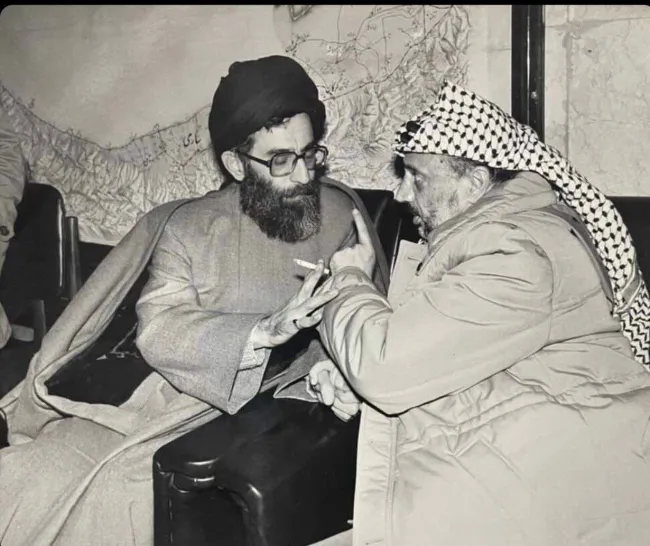
A picture of the conversation between Yasser Arafat and Ayatollah Khamenei
That is, what was the topic of discussion at this time? How interesting it would be if we knew
Read more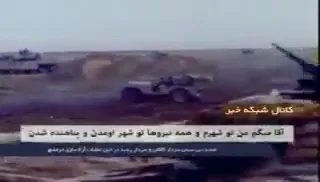
The less heard sound of the first wireless message to Fath's camp, when the soldiers entered Khorramshahr
1982 May 24 Khorramshahr was liberated after 578 days of occupation.
Read more
A historical video of Akbar Ganji after his release from prison
Read more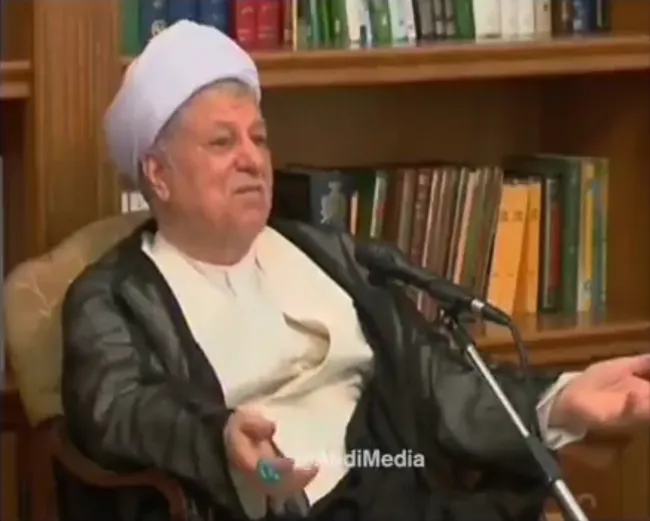
Published for the first time - Hashemi Rafsanjani: The country lacks competent management/ This form of country administration is not un-Islamic, let alone Islamic!
A part of the words of Akbar Hashemi Rafsanjani in 2011, which is published for the first time; Both accurate prediction and deep knowledge of the hard core have power, and history repeats itself:......
Read more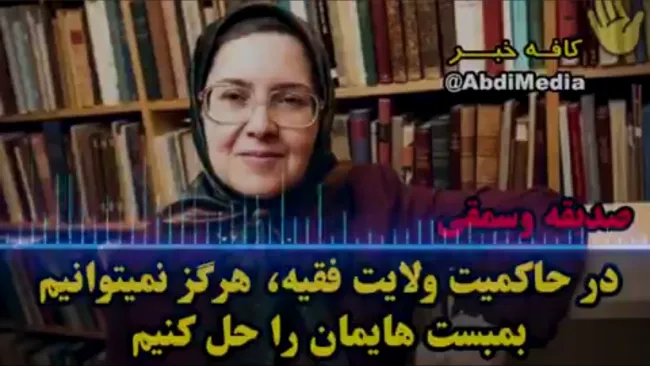
"Sediqeh Vasmeghi": Under the Rule of Velayat-e Faqih, We Can Never Resolve Our Deadlocks"
"Sediqeh Vasmaghi" stated that in a system governed by Velayat-e Faqih, deadlocks can never be resolved.
"Sediqeh Vasmaghi" stated that in a system governed by Velayat-e Faqih, deadlocks can never be resolved.
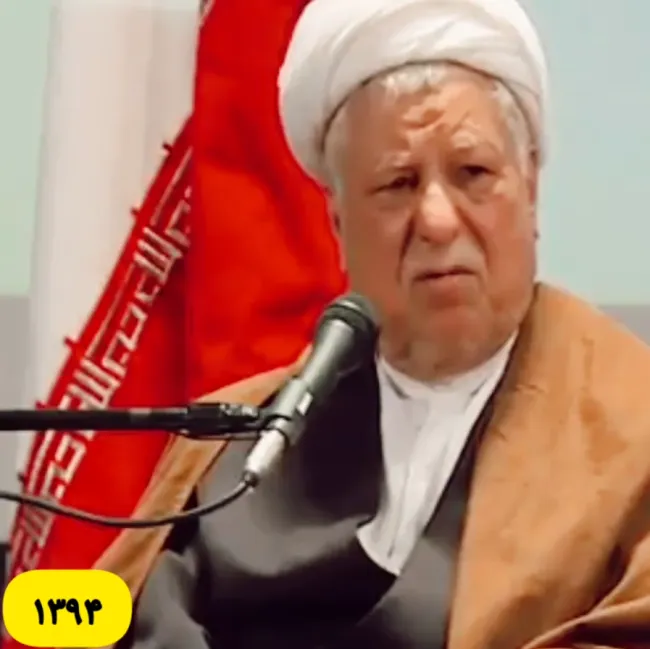
Akbar Hashemi Rafsanjani: The leadership proposed free-thinking seats, but they did not follow up, nor did they, who are very close to the province.
They brought up free-thinking seats, but how much are these seats really a place of free-thinking?
It is enough for a stream not to like the words of a researcher!!
Read more
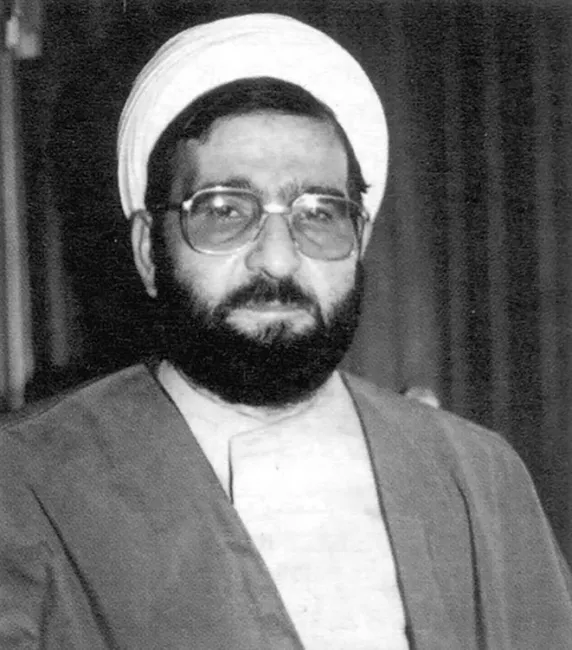
Ali Hojjati Kermani, born in 1938, was a writer, researcher, Islamologist, translator and Quran scholar, one of the members of the editorial board of Maktab Islam magazine, and he had a long record of fighting against the Pahlavi government
Read more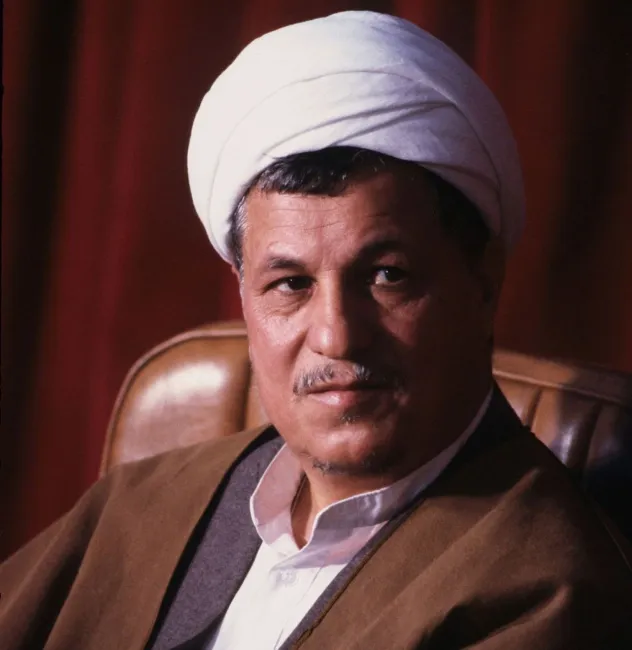
An additional explanation regarding Akbar Hashemi Rafsanjani's recent diaries from September 2000 concerning the events of the Office for Strengthening Unity camp in Khorramabad
Read more
A history of a car from the words of Khosrow Mo'tazad/ We had a car mafia during the Shah's time!
The strange story of the car sales mafia in Iran before 1979 from the words of Khosro Mo'tazad
Read more
Iran's first press law approved in 1908
In this law, the press means everything that is printed with a machine (books, pamphlets and newspapers). The preamble of this law states:
Read more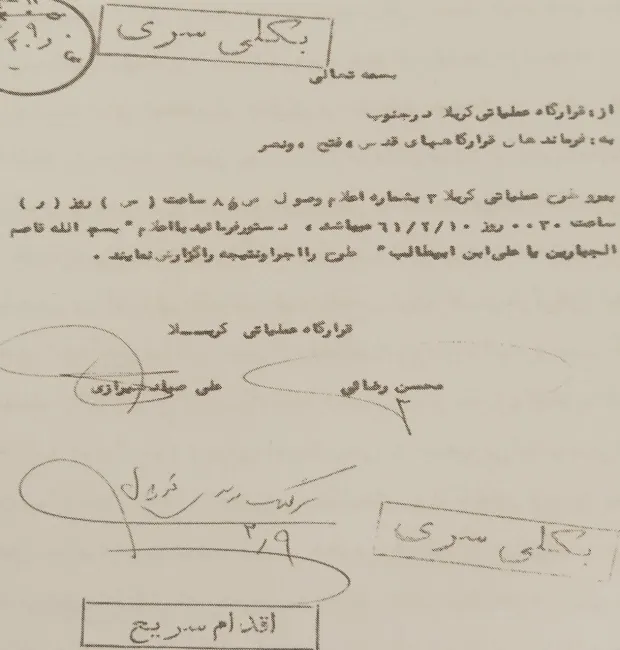
On the occasion of the anniversary of the beginning of "Beytolmoghadas" operation
The secret document of the beginning of Beytolmoghadas operation in 1982
Read more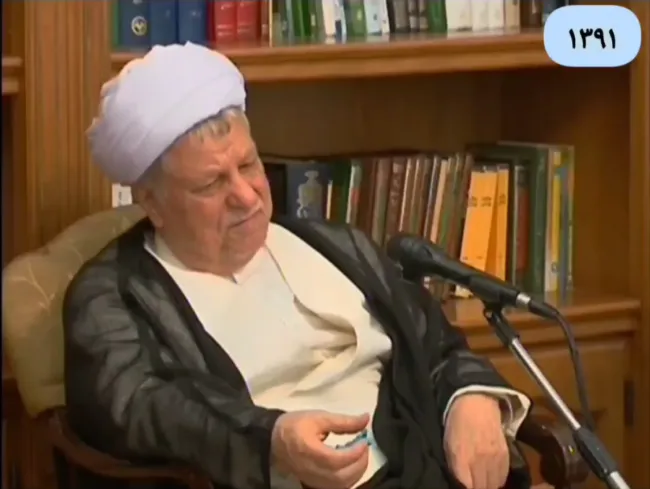
Publishing for the first time - where has the country taken a deviant and incorrect current?
Read more
Haeri Shirazi: What does it mean when the leader of the revolution is called the guardian of the Muslims of the world?
Read more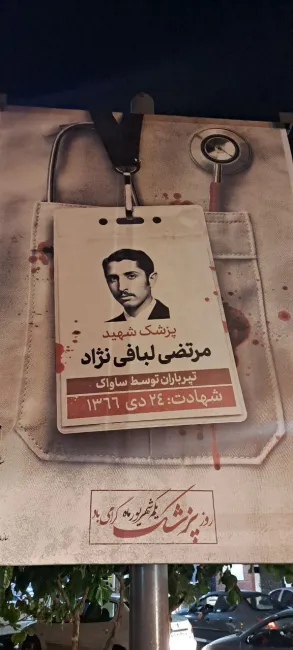
The "historic" blunder of the Tehran Beautification Organization
In one of the billboards of the Beautification Organization of Tehran Municipality, an image of Dr. Morteza Labafi-Najjad, a senior figure of the People's Mojahedin Organization in the early 1970s, has been displayed on the occasion of Doctor's Day.
Read more"Haeri Shirazi: The Costs in Syria Could Have Been Invested in Iran"
"Haeri Shirazi" stated that during the Arab Spring, the people of Syria declared that they did not want a dictatorial government.
Read moreIslamic Caliphate or Islamic Republic? / Haeri Shirazi: If the leader had used his authority for development, today you and I wouldn't be seeking to amend the constitution.
The idea that Ayatollah Khamenei is the leader of Muslims worldwide is not true.
Read more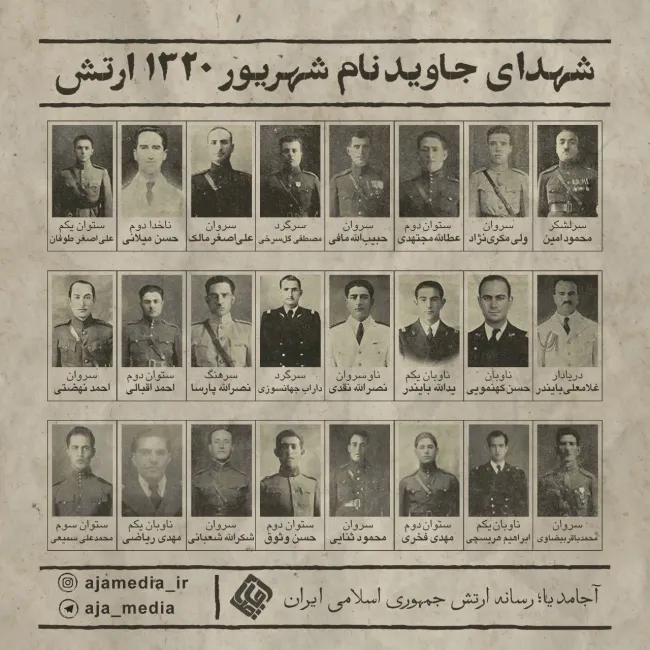
The martyrs of the army who stood against the Russian and British forces
The Ajamedia page of the Islamic Republic of Iran Army has published images for the first time of 24 officers and non-commissioned officers of the army who, in September 1941, stood firm against the Russian and British forces until the last moment despite the treacherous order to cease resistance. They are referred to as the immortal martyrs of the army.
Read more
Mohsen Rafighdoost claimed: Hashemi Rafsanjani wanted El Al Airlines, Pepsi Cola, and the facilities related to the Jews to be blown up, and Mr. Lajvardi did this. Perhaps in Qom, he built houses for 300-400 seminary students.
In my opinion, Mr. Hashemi had the most significant role in the revolutionary matters before the revolution.
In 1966, we decided to establish a girls' school to raise revolutionary-minded girls.
Read moreHaeri Shirazi: The Leader is Primarily Responsible for the Current Situation
The role of the people in governing the society is constantly being weakened, while the role of the Leader is continuously being strengthened.
Read moreMohsen Rafiq Dost: Mr. Mohseni Ajei asked for my forgiveness for the case of my brother and Fazel Khodad
Read moreWhat happened to the percentage of weapons purchase commission during the ministry of Mohsen Rafiq Dost in the IRGC?
Read moreRafiqdoost: Ayatollah Taleghani on February 10, 1979 opposes breaking the military rule. Imam Khomeini replied, "What if I have been entrusted with the task?"
Rafiq Dost said: The Imams of the time can assign assignments to the Imam.
Read more
Mohsen Rafiqdoost: I didn't get anything from the revolution table and I spent a lot of money for the IRGC
Read moreMohsen Rafiqdoost: Tharullah's patrol was a very good thing and with it Tehran became almost safe
Read moreDisclosure of the Organizational Role of the Revolutionary Guards in the Seizure of the U.S. Embassy for the First Time
In a meeting with Mr. Mohsen Rezai, who was the head of intelligence (of the IRGC) at that time, we went to a place where Mr. Lahouti, Mir-Damadi, and others were present, and it was stated that the U.S. Embassy would be seized the day after tomorrow.
Read more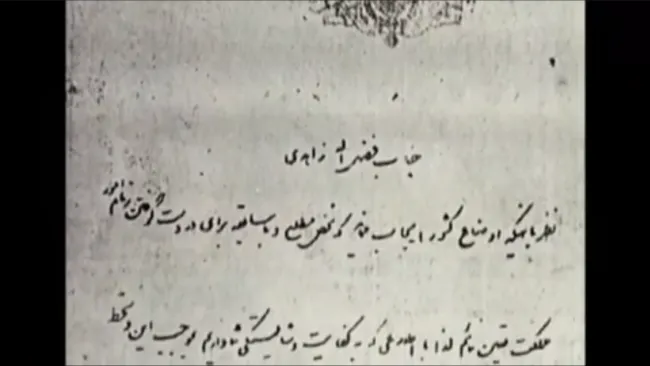
"Published for the first time on the occasion of August 18"
Read moreRafiqdost: The budget of the war has gone down
Read morerafiq dost: The proposal of Imam "Islamic Republic". Not one word less, not one word more
Suggestion or comment?
Read moreThe most controversial part of the interview with Mohsen Rafiq Dost was published for the first time
The first comment regarding the involvement of the IRGC in capturing the American embassy
Buying and selling weapons and commissions
Read moreThe third part of an exclusive conversation with Mohsen Rafiq Dost, coming soon from Abdi Media's YouTube channel
Read more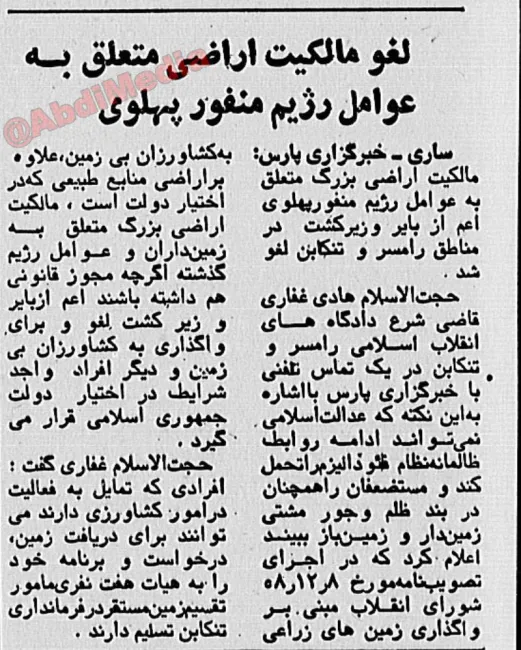
Sheikh Hadi Ghaffari, Sharia Ruler during the Ramsar and Tankabon Islamic Revolution Courts, supported canceling the ownership of large lands belonging to Pahlavi regime agents
Clipping from the 1980 April 27 newspaper
Read more
Many sources mention the birthday of Taj Ayromelo known as Taj al-Muluk, the wife of Reza Shah, as March 17, 1896
Read more
Islamic punishment in the 1980s
Clipping from the newspaper "Information" 1977 April 26
Read more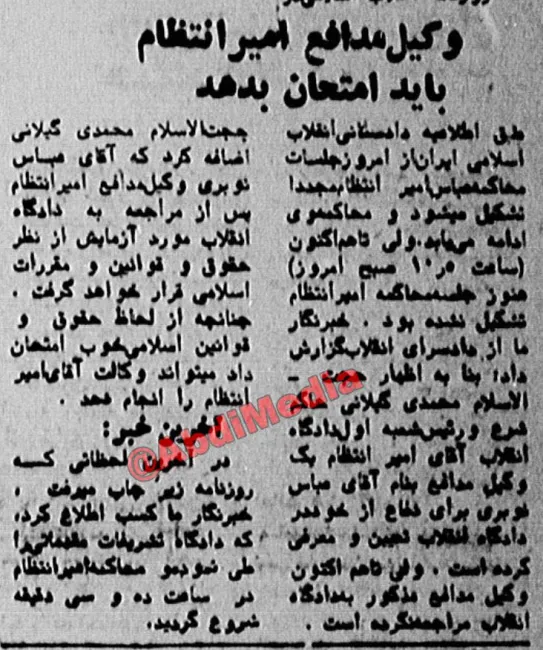
The words of Sheikh Mohammad Mohammadi Gilani about Mr. Abbas Nouri in 1981
A clipping from the newspaper, 1977 April 26
Read more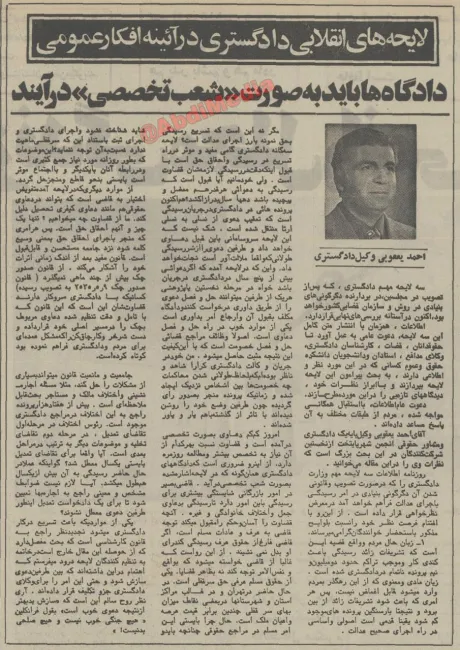
Clipping from the newspaper "Information" 1977 April 26
Read more
Who did Ayatollah Khomeini vote for in the elections?
Read more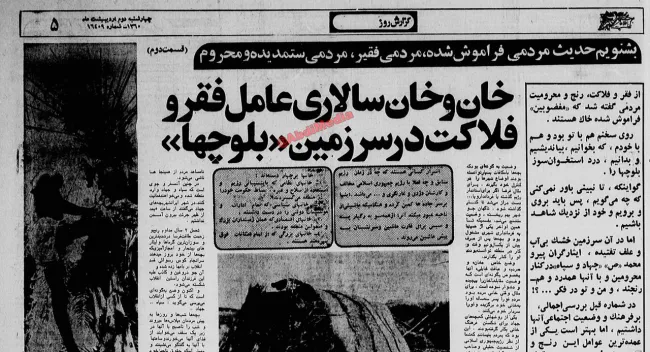
A report more than 40 years ago titled "Khan and khanate are the causes of poverty and misery in the land of Baloch"
Clipping from the newspaper "Information" 1981 April 26
Read more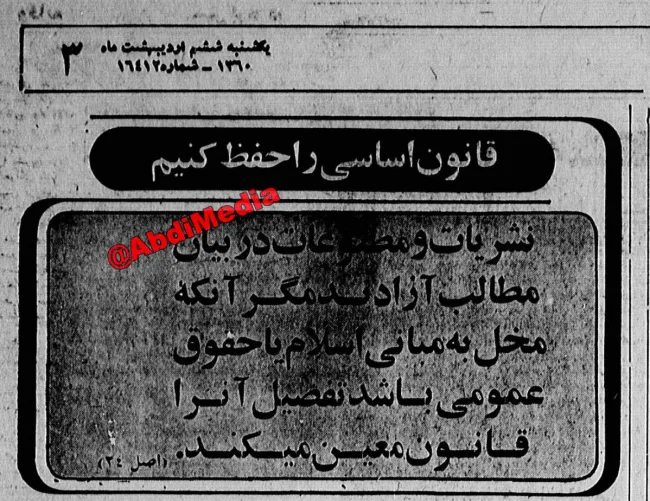
Clipping from the newspaper "Information" 1981 April 26
Read more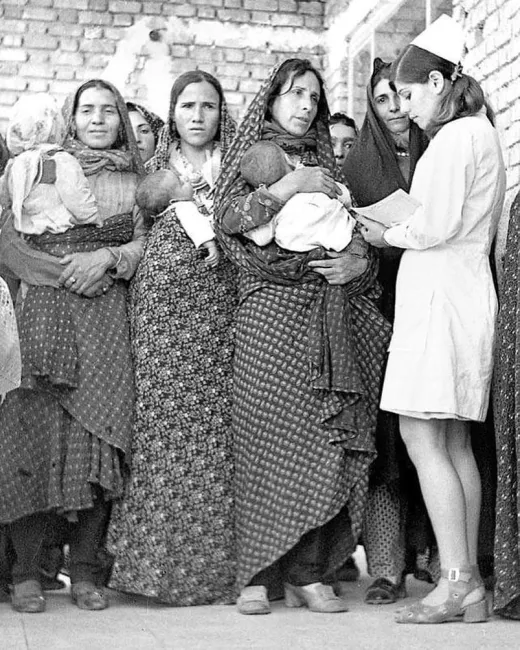
An image of a nurse in the 1960s teaching village women population control methods
Read more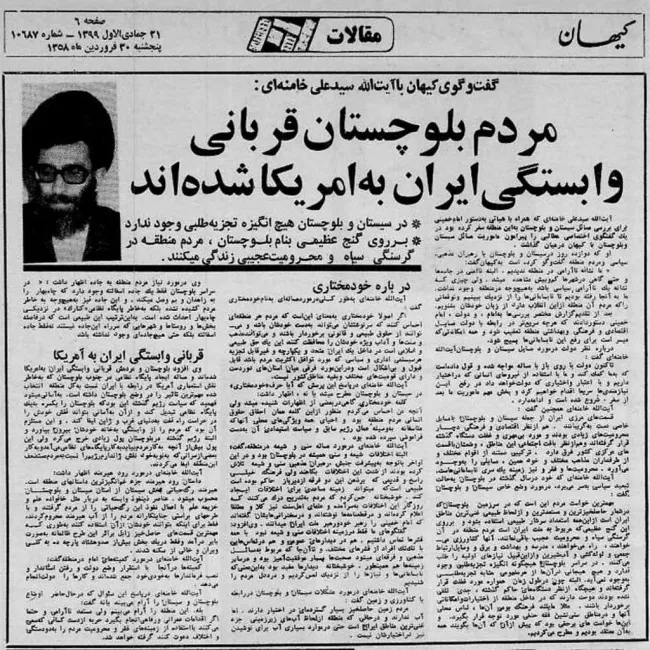
Ayatollah Khamenei in 1980: "On a huge treasure called Baluchistan, the people of the region live in black hunger and strange deprivation."
Read more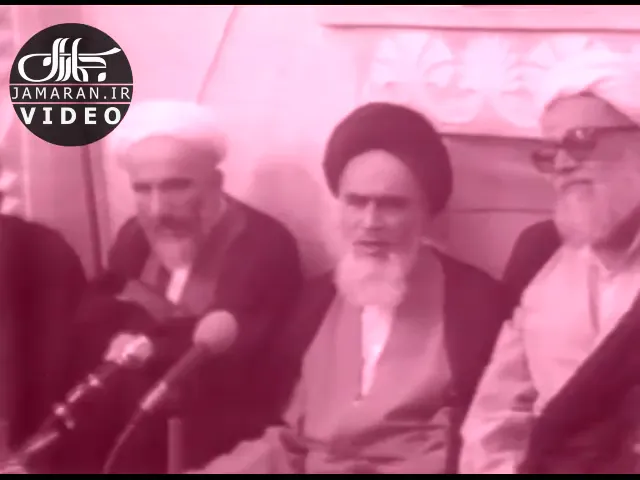
Ayatollah Khomeini's frank words about the validity of the majority vote to the Assembly of Experts on Drafting the Constitution
Read more
"Haeri Shirazi: My Father Recounted Our Visit to Imam Khomeini" "Haeri Shirazi" stated that during our time as members of the Investigative Committee of the Assembly of Experts, we went to see Imam Khomeini to obtain a statement of his assets, mentioning
He said that the Imam was offended and completely disregarded us, leaving the meeting.
The sanctity attributed to the leader since the 1980s has gained special attention from today's reformists, who are either from the left of that era or followers of the line of the Imam.
Read moreWhy did Ayatollah Khomeini accept the title of "Imam"?
Read moreHaeri Shirazi: Ayatollah Shariatmadari did not have a good relationship with Ayatollah Khomeini before the revolution and they had challenges
Read moreWhat do you see as a solution to Alawite Islam or Umayyad Islam?
Hairi Shirazi: The discourse of maintaining the system is an obligation, it has made our governance look like Benyamiyah
For Ali, the preservation of the moral foundations was an obligation, not the establishment of government or its continuation, even at the cost of standing on morality.
It turned out that he wanted to blow up LL Airlines, Pepsi Cola, and facilities for Jews, and Mr. Lajvardi did it...
Read moreConsidering Mr. Khomeini's positions before the revolution, especially in Neauphle-le-Château and his performance after the revolution, did Ayatollah Khomeini deceive the people?
Haeri Shirazi: I cannot say that Ayatollah Khomeini deliberately deceived the people, but he deliberately deceived you in certain places.
Read moreHaeri Shirazi: I object to the scholars in this speech. Scholars have a duty not to remain silent
Read more
"constitutional" podcast
Sadegh Zibakalam: ""Constitution" was neither influenced by "Sharia" nor "Iranshahri"; All of them were taken from the "West".
Read more
Rafiqdoost: I now have a foundation where girls who find problems are handed over to us, we correct them and make them get married
Read moreRafiq Dost: In the decree, the assets of Abdul Ali Farmanfarmaian up to the third degree relatives were confiscated
Read moreRafiq Dost: Because of the "bad hijab" of Mr. Bazargan's wife, my devotion to him decreased
Read moreRafiqdoost: I am saying for the first time, it was rumored that Bakhtiar was arrested, but we did not find him
It was rumored that Bakhtiar crossed the Bazargan border, that is, Mr. Bazargan's entourage made Bakhtiar flee.
Read moreThe second part of an exclusive interview with Mohsen Rafiqdoost
Read more
Mohsen Rafiq Dost: I don't know anyone who made a revolution because of economic issues. People revolutionized for freedom
Read moreSheikh Mohammad Mohammadi Gilani, the Sharia Ruler of the Revolutionary Courts, told Mohsen Rafiq Dost: When a place catches fire, the wet and the dry burn together, and we may have made a few mistakes
Read moreMohsen Rafiqdoost: We got permission from Imam Khomeini to use the confiscated garden of the Baha'is, we built a house for IRGC members, which is now known as Shahrak Mahalati
Read moreRafiqdoost: When they wanted to take Mehdi Rahimi to the roof of Refah School for shooting, he saw me and said: Please don't close my hands and eyes
Read moreMohsen Rafiq Dost's account of how Amir Abbas Hoveyda was arrested and his meeting with him in Qasr Prison: Hoveyda called himself and introduced himself.
Read moreMohsen Rafiq Dost: We almost kept less than the rank of brigadier general after the revolution and retired everyone
They didn't get anything from them, those who didn't deserve to be punished just got pensions. Because from our point of view, they were irreparable.
Read moreMohsen Rafiq Dost: As he was one of the army commanders, it was enough for us to take his property
Read moreHow did Mohsen Rafiq Dost procure and import weapons into the country before the revolution?
It was suffocating, but there were some people who were fighting.
Read moreHow did Mohsen Rafiq Dost procure and import weapons into the country before the revolution?
It was suffocating, but there were some people who were fighting.
Read moreTeaser of an exclusive conversation with Mohsen Rafiqdoost
Read more
One question: What happened with the claim of Mohammad Hashemi Rafsanjani and the denial by Mahdi Fazaeli?
Read more
Accurate prediction of Mustafa Tajzadeh in an exclusive conversation with Abdi Media on May 23, 2020
Read more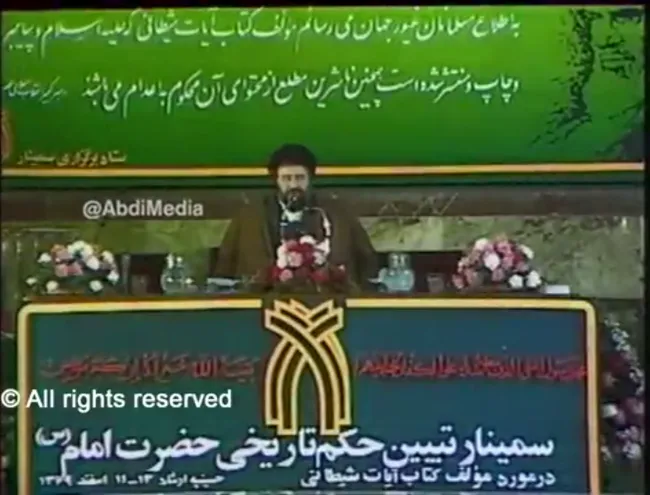
Seyyed Ahmad Khomeini: Burn European libraries and embassies / destroy Europe
Read more
Exclusive interview teaser with the late Master Mahmoud Zoufonoun
Read more
Exclusive teaser of the interview with the late Abbas Aghelizadeh (1936–2017)
Read more
Shocking interview between Nasser Moghadam, the last head of SAVAK, and Nasser Pakdaman.
The interview took place in June 2009.
Read moreNasser Pakdaman: "I found my identity in the Nationalization of Oil Movement, and I discovered this identity articulated through the writings of Khalil Maleki."
The interview took place in June 2009.
Read moreNasser Pakdaman: "The Tudeh Party was more cohesive and organized than other student groups."
The interview took place in June 2009.
Read moreTeaser for the exclusive interview with the late Nasser Pakdaman.
Read more
Asadollah Badamchian, the Secretary-General of the Islamic Coalition Party: "We do not recognize the United Nations."
"We were a people-oriented and religious group, but the Freedom Movement was not people-oriented. The 'Imam' told us to have nothing to do with these parties."
Read more"Asadollah Badamchian, Secretary-General of the Islamic Coalition Party: I neither served in the military nor paid taxes."
Read more
Mohammad Hashemi Rafsanjani: "The problem with Ayatollah Khamenei's leadership is that his attention is not to everyone; he mainly focuses on one faction."
Read moreMohammad Hashemi Rafsanjani: "That was not Farah's pool."
A small pool was built by the Presidential Office.
The Farah pool was in Mashhad, where Mr. Ghodousi carried out his programs.
We still do not know the cause of the heart failure.
Date of the conversation: June 2020.
Read moreMohammad Hashemi Rafsanjani: In 2009, the Leader invited Mr. Mousavi to participate in the elections, and Mr. Khatami stepped aside. It had nothing to do with the U.S. and the U.K.
I know that in 2009 this invitation was made by the Leader; I do not accept that the British orchestrated this. Those who analyze these matters often go astray because they do not know all the details.
Date of the interview: June 2020.
Read moreMohammad Hashemi Rafsanjani: In 2009, the Leader announced on a Friday, before the Guardian Council's announcement, that in the election, the side (Mahmoud Ahmadinejad) had won, and anyone who speaks otherwise is anti-revolutionary.
The Guardian Council announced afterwards.
Mr. Hashemi Rafsanjani's silence was like that of a warrior.
Date of the conversation: June 2020.
Read moreMohammad Hashemi Rafsanjani: Mr. Hashemi wrote his letter without a greeting to record it in history.
It's not the case that we think if we say something to the Vali Faqih, it is heresy.
Date of the conversation: June 2019.
Read moreMohammad Hashemi Rafsanjani: The Leader invited Mr. Mir Hossein Mousavi to become a candidate.
Mr. Mousavi's father was ill, and Mr. Khamenei went there. He sent a message that Mir Hossein went there, and they talked for three hours, convincing him to run as a candidate.
The date of the conversation was June 2020.
Read moreMohammad Hashemi Rafsanjani: Imam Khomeini offered Mr. Hashemi Rafsanjani the position of Deputy Leader, but he declined.
The Imam gave him a week to decide, but Mr. Hashemi pleaded for him to withdraw.
Read moreMohammad Hashemi Rafsanjani: Banisadr believed that religious leadership was separate from political leadership.
The date of the conversation was June 2020.
Read moreMohammad Hashemi Rafsanjani: My trip to the United States was in line with the struggle.
I was assigned to go to the United States to assess the state of student protests.
The date of the conversation was June 2020.
Read more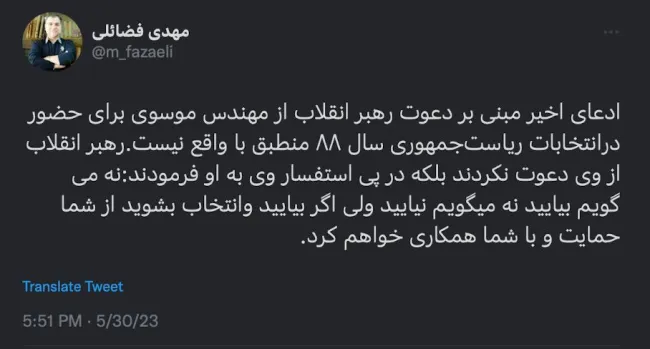
The reaction of Mahdi Fazeli, a member of the Office for Preserving and Publishing the Works of the Leader of the Islamic Republic, to the unreleased interview from Abdi Media.
Following the release of a teaser for the exclusive interview with Mohammad Hashemi, in which he mentioned Ayatollah Khamenei's invitation to Mir Hossein Mousavi to participate in the 2009 elections, Mahdi Fazeli, a member of the Office for Preserving and Publishing the Works of Ayatollah Khamenei, refuted this claim in a tweet before the full interview was published, stating:
"The recent claim regarding the Leader inviting Engineer Mousavi to participate in the 2009 presidential election is not accurate. The Leader did not invite him; rather, in response to his inquiry, he said: 'I neither say come nor say do not come, but if you come and are elected, I will support you and cooperate with you.'"
Postscript: Mr. Fazeli, I understand how important this issue is to you, but I wish you would have taken a moment to respond after the full interview was released so that your response could be more comprehensive.
Now, as I mentioned last time, should this response be considered official from the Leader of the Islamic Republic or his office, or do official responses still come from Mr. Seyyed Mehrdad Seyyed Mahdi, the Public Relations Manager of Ayatollah Khamenei's office, and this is merely your personal opinion?
Read more
Seyyed Hossein Mortazavi: I challenged the most sensitive issue regarding security.
Read moreSeyyed Hossein Mortazavi: Which religion grants the right to execute someone every day?
Read moreSeyyed Hossein Mortazavi: The judge issued rulings based on personal discretion.
Read moreSeyyed Hossein Mortazavi: Executions by firing squad were bloody; they replaced it with hanging.
Read moreSeyyed Hossein Mortazavi: I have no knowledge of the religious edict regarding the removal of the virginity of girls before execution.
Read moreSeyyed Hossein Mortazavi: I was not aware of the execution order and the executions at the time they were carried out.
Read moreSeyyed Hossein Mortazavi: Evin Prison only assisted in food service and accommodation.
Read moreThe remorse expressed by the head of Evin Prison during the mass executions of political prisoners in 1988: "A crime was committed, and I cannot be cleansed even with holy water."
Hossein Mortazavi-Zanjani, the head of Evin Prison during 1986 and 1987, recently made unprecedented remarks in Clubhouse about the conditions of prisons at that time and the mass executions of political prisoners in 1988.
He condemned the executions in 1988, describing them as a crime, stating that these actions were an attempt to rid the Islamic Republic of the prison issue while Ruhollah Khomeini was still alive. According to Mortazavi-Zanjani, the executions aimed to eliminate the presence of political prisoners in the Islamic Republic and ensure there were no dissenters within the country.
The former head of Evin Prison acknowledged his responsibility, stating, "I cannot be cleansed even with holy water." He also spoke about his disillusionment with the Islamic Republic, claiming he does not accept either the republic or the Islamic nature of the current regime.
While asserting that he did not bear responsibility for the trials and executions, Mortazavi-Zanjani held the committee formed at that time accountable for all that transpired and claimed he expressed his opposition in the meetings held then. He confirmed the transportation of the bodies of those executed by truck for burial outside the prison in Khavaran.
Mortazavi-Zanjani implicitly acknowledged the use of torture at that time and confirmed the issuance of orders for the virginity testing of young women before their executions.
From 1984 to 1987, Hossein Mortazavi-Zanjani held various significant positions in the management of the Islamic Republic's prisons, including the leadership of Gohardasht and Evin prisons.
These important remarks from Hossein Mortazavi-Zanjani were made on the first day of his presence in Clubhouse on June 25, 2023, as selected and written by Babak Ghafouri Azar.
Read moreTeaser for the exclusive interview with Mohammad Hashemi Rafsanjani.
Read more
Mohammad Mehdi Abdekhodaei: General Gharani told me, "One day, all these singers used to sing and dance just for me."
The story of the arrest of Seyyed Mohammad Vali Gharani during the Shah's era; he intended to stage a coup.
Read moreMohammad Mehdi Abdekhodaei: Khalghali told me, "Now that you are here, I will sacrifice ten people in front of you."
I said, "This Sheikh is so irreligious that he kills people for ten grams of opium, but you took a kilo of syrup from him?!"
Read moreMohammad Mehdi Abdekhodaei: The Shah responded to Mossadegh by saying that the Ministry of Defense is part of the powers of the Commander-in-Chief.
The date of the conversation was June 2020.
Read moreMohammad Mehdi Abdekhodaei: Because we opposed the Baghdad Pact, we decided to physically eliminate Prime Minister Aala.
The date of the conversation was June 2020.
Read moreMohammad Mehdi Abdekhodaei: I was infatuated with Navab Safavi.
My second mother told my father, "I saw the face of Hazrat Ali Akbar in this seyyed (Navab Safavi)."
These things had an impact on me.
The date of the conversation was June 2020.
Read moreMohammad Mehdi Abdekhodaei: The bullet I fired at Hossein Fatemi did not hit him.
Dr. Fatemi pretended to be ill.
The date of the conversation was June 2020.
Read moreTeaser of an exclusive conversation with Mohammad Mehdi Abd Khodayi
Read more
Sadegh Zibakalam: Now I believe that the government is not limited by the law and can do whatever it wants
I think that anti-Americanism will continue as long as they are the Supreme Leader, but I don't know what will happen after that.
Read moreSadegh Zibakalam: Islamic Iranian lifestyle, Islamization of universities, the second step of the revolution, I think these are all beautiful and beautiful words that are empty and without serious content
In the Islamic Republic, everyone gets a Western lifestyle
Read moreSadegh Zibakalam: In my opinion, the Islamic Republic of Iran showed that an ideological system is doomed to failure
The date of the conversation is June 2020
Read moreSadeq Zeibakalam: Mr. Hashemi Rafsanjani realized in the second half of the 1990s that freedom is important, free elections are important, the rule of law is important, and the absence of censorship is important
The date of the conversation is June 2020
Read moreSadegh Zibakalam: "I believe that if Mr. Hashemi Rafsanjani had not been involved, it would have been unlikely for the Supreme Leader to become the leader."
In the leadership of Ayatollah Khamenei, the late Mr. Hashemi was crucial.
Sadegh Zibakalam: I currently believe that the path the Shah was taking was correct.
I now realize that all of this was just lies and illusions; there is no such thing as an Islamic economy.
Read moreSadegh Zibakalam: Engineer Abdullah Riazi would tell the Shah, "Your Majesty, the greatest honor of the National Assembly is to fulfill the royal wishes."
Why did the Shah not release prisoners or delay their release?
Read moreSadegh Zibakalam: Reza Shah did nothing but serve Iran.
Read moreTeaser for the exclusive interview with Sadegh Zibakalam.
Read more
Ali Mohammad Besharati's opinion: "Mohsen Sazgara was introduced to the IRGC by Ebrahim Yazdi."
Read moreAli Mohammad Besharati's opinion: "My first responsibility in the revolution was to interrogate the Shah's generals."
Read moreAli Mohammad Besharati's opinion: "Regarding the executions, no one dared to take any action without the Imam's approval."
The Imam explicitly stated that that criminal does not have a trial.
General Rahimi, when captured, insisted until the last moment that he had a duty and resisted until the end without surrendering.
I definitely support Khalghali's actions.
Read moreAli Mohammad Besharati: If the Shah wanted to take action, he had 37 years to do so.
Read moreWhat was the story of Ali Mohammad Besharati's commitment to SAVAK for collaboration?
Read moreTeaser for the exclusive interview with Ali Mohammad Besharati.
Read more
Ali Shams Ardakani: Where is it said that you should invite to the path of your Lord with a whip, by kicking women, or pushing women?
Part of verse 125 of Surah An-Nahl: "Invite to the way of your Lord with wisdom and good instruction, and argue with them in a way that is best."
Read moreAli Shams Ardakani: The late Dr. Gholamreza Nikpay always prayed on time, and we had never heard of him being involved in any financial wrongdoing.
Gholamreza Nikpay was the 33rd mayor of Tehran, and one of the charges against him in the revolutionary court was related to traffic issues in Tehran.
Nikpay was ultimately executed by firing squad on April 11, 1979, by the ruling revolutionary court, charged with being a "mofsid fil-arz" (spreader of corruption on Earth).
Read moreAli Shams Ardakani: Iran could have remained a constitutional monarchy governed by law.
Read moreAli Shams Ardakani: Was the monarchy regime corrupt?
Read moreAli Shams Ardakani: The regime feared that the people would send their true representative to the parliament, which led to the revolution.
Read moreTeaser for the exclusive interview with Ali Shams Ardakani.
Read moreMost Read
Popular reads across Abdi Media