Rumble
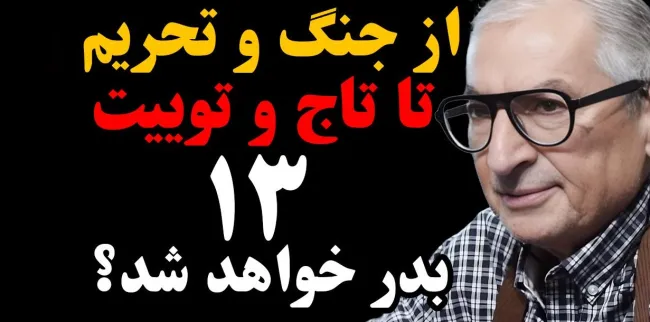
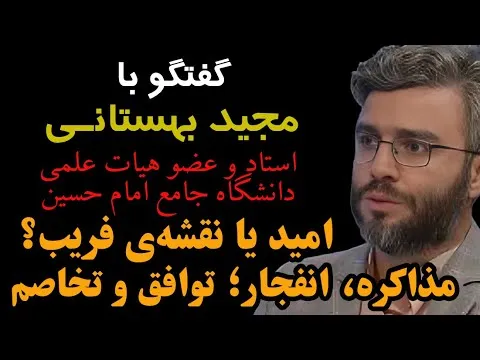

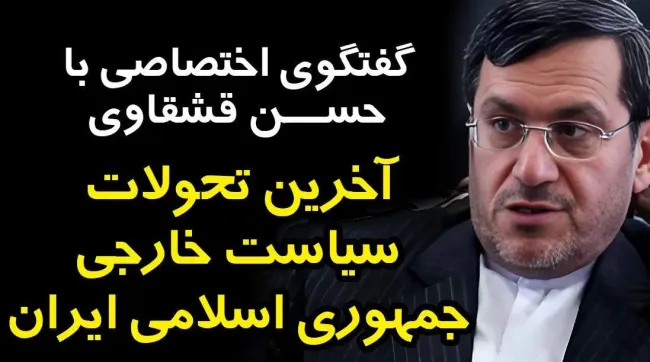
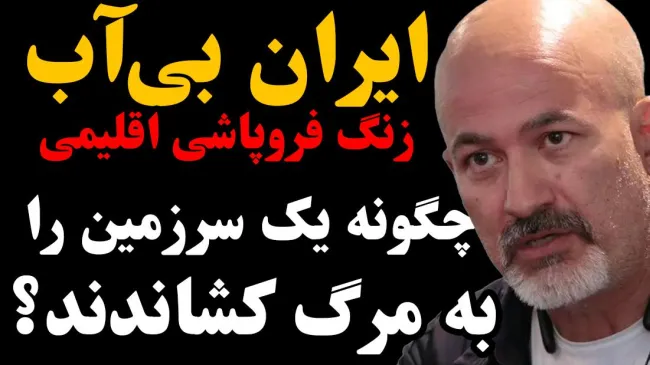
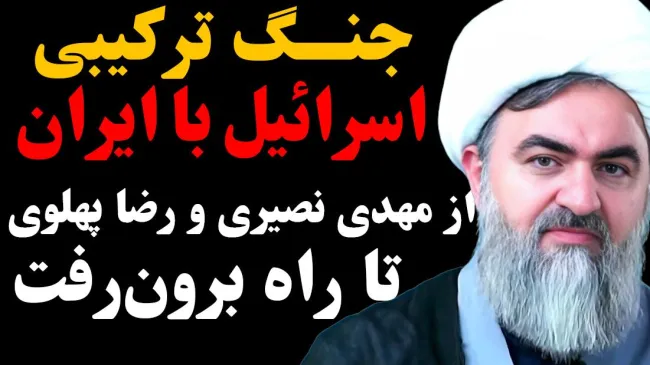
Israel's Hybrid War with Iran: From Mehdi Nassiri and Reza Pahlavi to the Way Out, featuring Hojjat-ol-Islam val-Moslemeen Mohammad-Taqi Akbarnejad, Lecturer at the Qom Seminary
Has the war ended? Or have we just entered its main phase? When the enemy no longer approaches from the border but strikes from other directions, how, who, and where does it collapse? Amidst fire and diplomacy, in a land that still smells of gunpowder, a fundamental question lies before us: How can one stand without being destroyed? How can one fight without being a warmonger?
Read more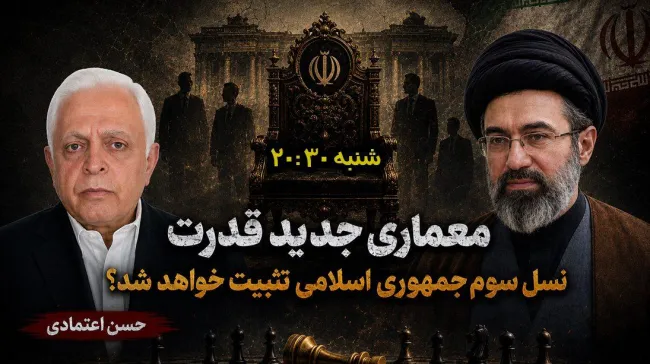
See | Mojtaba Khamenei and the New Architecture of Power; Will the Third Generation of the Islamic Republic Be Established? Interview with Hassan Etemadi, Political Analyst
Now on Abdi Media's YouTube channel
Read more![متقی: حادثه [دیماه] کاهیت کاملا تراژیکی داشت](/sites/default/files/styles/max_650x650/public/1404-12/ebrahim-motaghi_13.jpg.webp?itok=-MOHBDWf)
Motaghi: The [December/January] incident had a completely tragic quality.
Reformist groups were unable to act as intermediate social forces and got caught up in the crisis themselves.
Read more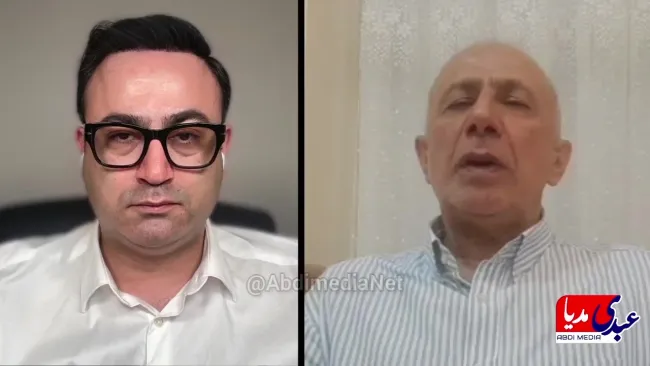
Motaghi: Israel should coordinate with America in strategy
The regime change is related to the last stage and it is created in an environment where a full-scale war between Iran and America will be created.
Read more
Motaghi: The war will be tactical in nature and will be based on "power shift".
Iran is the last link in the axis of evil that George Bush Jr. proposed (minus North Korea).
Read more
Motaghi: The probability that Reza Pahlavi will come to power in Iran is very limited
In Iran, a "transition" may be formed or a "power shift" may be created; But in any case, Reza Pahlavi will not have a structural position
Read more
Motaghi: Iran will never experience the imperial atmosphere again
Reza Pahlavi has no will, authority, strategy and tactics
Read more
Motaghi: The Americans will never deploy military forces in Iran
Americans emphasize space control; However, the Israelis' view is that the atmosphere should be made critical, violent and bloody
Read more
Motaghi: Trump is not looking for a full-scale war
American military operations are for more bargaining and a more effective role in building power
Read more
Motaghi: Today there are many differences in Iran's social structure
If the political processes in Iran become too radical, there will be violence that will cover the whole of Iran!
Read more
Motaghi: I consider Reza Pahlavi a stage tool
In the coming months, we will see an escalation of violence
Read more
Motaghi: The separation of the construction of power from the social forces leads to the transformation of the foreign force into a "liberating actor".
[In January] a large part of the social space felt that it could no longer have peaceful discourse formats.
Read more![متقی: اقدامات مسلحانه هیچ تأثیری [در پیروزی انقلاب ۵۷] نداشت](/sites/default/files/styles/max_650x650/public/1404-12/ebrahim-motaghi_3.jpg.webp?itok=aDJ6wsDC)
Motaghi: Armed measures had no effect [in the victory of the 1978 revolution].
The United States and France also used non-violent policies during that period
Read more
Motaghi: A system that is inefficient is more inclined to mechanical action
Read more
Motaghi: The current atmosphere bears a strong resemblance to August/September 1978.
Read more
Motaghi: No one can ignore the role of media and international factors in political subversion.
The field of governance had a lot of opportunity and experience to heal wounds
Read more
Motaghi: The social structure in Iran has been transformed.
"Heroic Flexibility" means that when you cannot realize your politics, power, ideals, and patterns, you must accept what is imposed upon you!
Read more
Mottaqi: Over the past years, the political system has tried very hard to unify the space.
This mechanical integration is one of the main factors of structural fragility.
Read more
Mottaqi: The media created conditions for someone who was never a political activist to become bold.
What started in Iran will continue because none of the actors achieved their goals.
Read more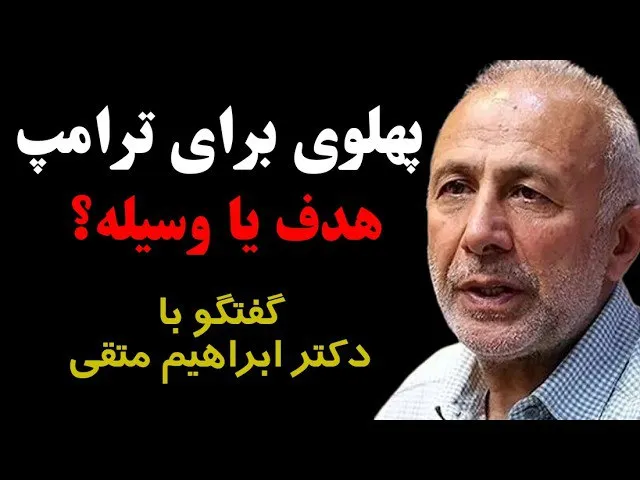
See: Pahlavi for Trump: End or Means? | Has Iran's defining moment begun?
With the presence of Dr. Ebrahim Motaghi, professor and faculty member of the Department of Political Science, Faculty of Law and Political Science, University of Tehran
Read moreMost Read
Popular reads across Abdi Media