Conversation
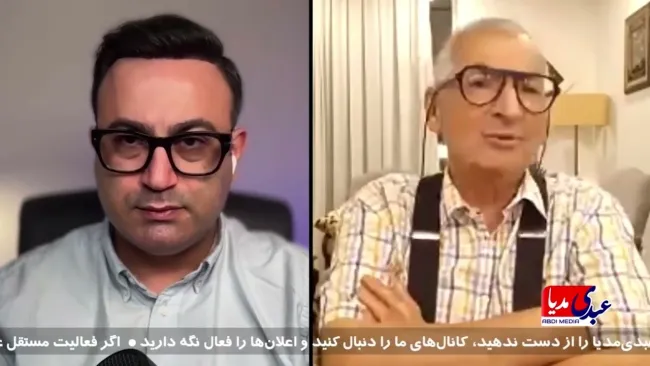
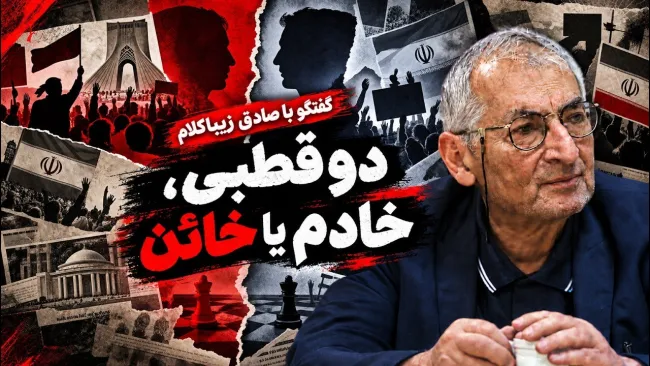
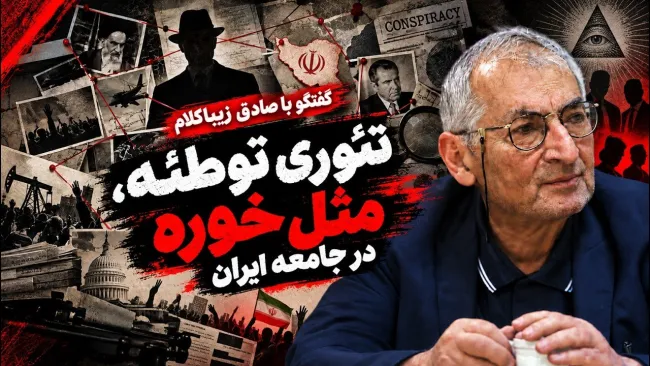
Sadegh Zibakalam: The first step is to acknowledge our backwardness in the humanities.
Blaming sanctions and inflation and so on is more of an excuse; we should first ask ourselves whether we accept the premise of the problem?
Read more
Sadegh Zibakalam: We weren't even capable of studying the phenomena and developments in our own country!
Can't you find an Iranian researcher who has worked on America, Japan, and World War II
Read more
Sadegh Zibakalam: You cannot imagine how far behind the Americans, the French, and... we are in the humanities!
In the humanities, one cannot see difference with the naked eye.
Read more
Sadegh Zibakalam: The reality is that we are terribly backward in the humanities.
Technology can be imported; but you cannot do this with history, sociology, and psychology.
Read more
Sadegh Zibakalam: In the early years of the Revolution, the movement that led to the fall of the Pahlavi dynasty was known as a nonviolent movement
I told the Ministry of Science that I didn’t want to study chemical engineering; the only person who supported my decision was Dr. Abdolkarim Soroush.
Read more
Sadegh Zibakalam: After the revolution, I could not understand why Mohammad Reza Shah's government fell
I presented a project in collaboration with the Ministry of Culture and Islamic Guidance in which I interviewed a number of political figures and personalities; I had one question, "What caused the Mohammad Reza Shah regime to fall"
Read more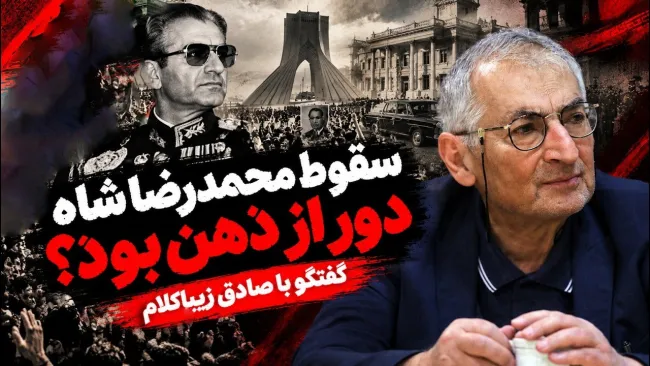
Sadegh Zibakalam: As someone who was a political activist, the fall of Mohammad Reza Shah Pahlavi’s regime was beyond my imagination.
The reality is that we are terribly backward in the humanities.
Read more
Hamidreza Taraghi: Increasing people's satisfaction will be the most important priority of the Islamic Republic system.
We must bring our economy to the number one economy in the region.
Read more
Hamidreza Taraghi: Those who chanted such slogans (Long live the Shah) are not at all comparable to the population of the country.
We must accept our shortcomings and take the enemy's plan to overthrow the regime into consideration.
Read more
Hamidreza Taraghi: We mainly had infiltration within Mr. Rouhani’s negotiating team, who were arrested
What we witnessed in this war, apart from the domestic traitors, cannot be attributed to infiltration in any other way.
Read more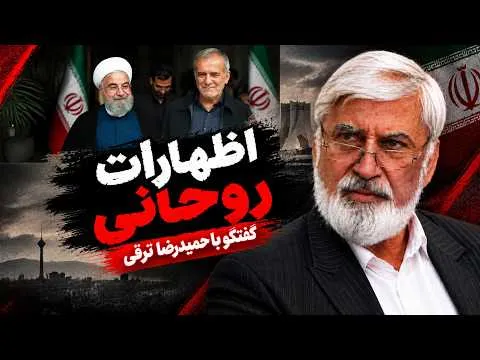
Hamidreza Taraghi: Mr. Rouhani’s concern is that the country’s atmosphere is moving in a direction where his performance is being called into question; out of fear that this process will move toward a trial, he is making these remarks.
Mr. Rouhani's mistake is that he does not understand the difference between defense and war!
Read more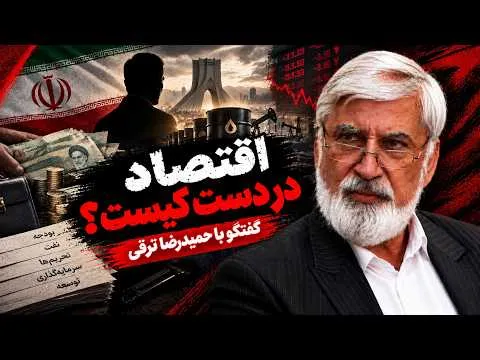
Hamidreza Taraghi: The concept of the new headquarters does not mean that the work will fall into the hands of the military; rather, it means that the work will proceed in coordination with the military forces.
The economy has fallen into the hands of those who are centers of power.
Read more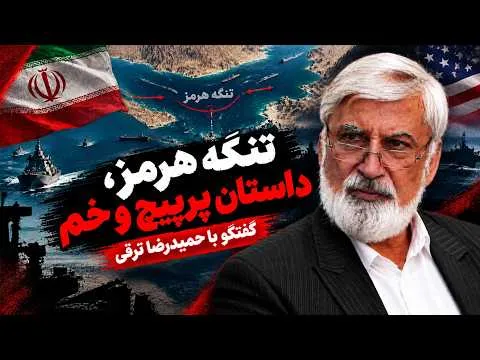
Hamidreza Taraghi: If our agreement with Oman is finalized, except for hostile countries, travel for the rest of the countries will resume.
The bulk of our trade exchanges are conducted by land, rail, and the Caspian Sea; we have reduced our reliance on maritime transport.
Read more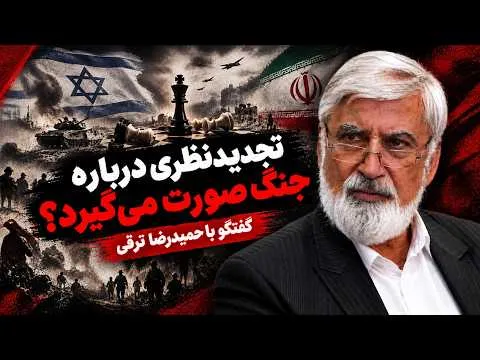
Hamidreza Taraghi: There must be a revision in the nuclear doctrine; we must move toward weapons that directly target the United States itself
We are pursuing solutions that can protect the people of Iran from the harm of U.S. aggression.
Read more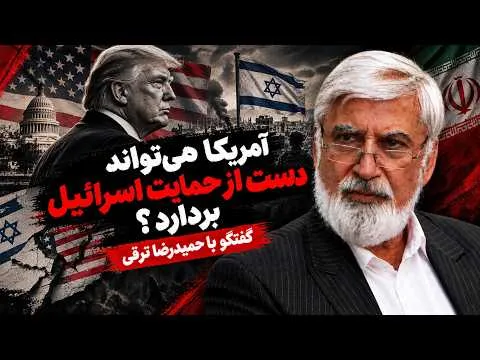
Hamidreza Taraghi: It is possible for the US to stop supporting Israel; a shift on this issue is currently taking place in the US
America must stop its arrogance toward the independent countries of the world.
Read more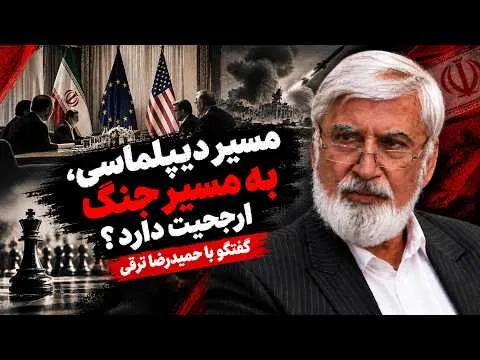
Hamidreza Taraghi: Our people should know that if there is a situation where we can achieve our rights through negotiation and diplomacy, we have a duty to choose that option first.
Through war, we only achieved some of our objectives; through negotiations, we could not have achieved our true nuclear rights.
Read more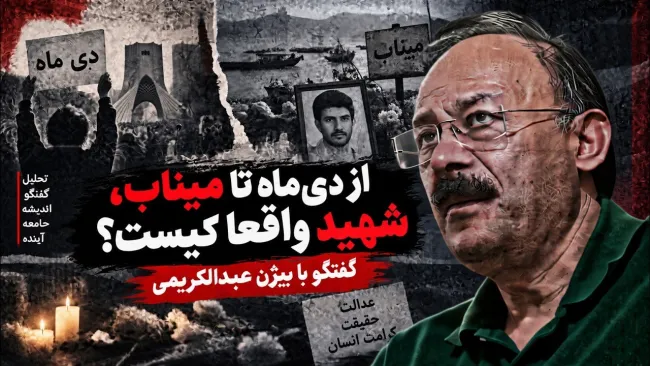
Abdollah Abdi: Who really is a “martyr”?
Conversation with Dr. Bijan Abdolkarimi, philosopher, writer, and university professor
Read more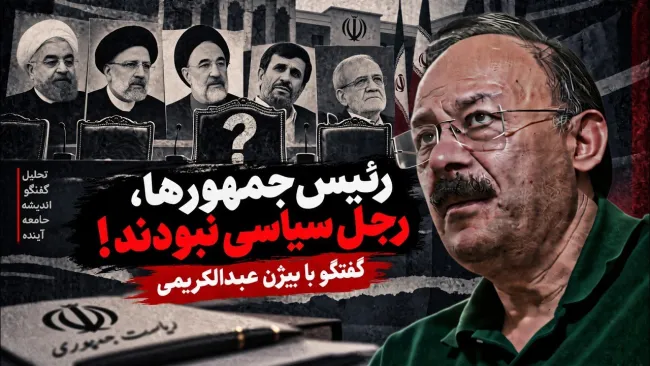
Bijan Abdolkarimi: You are the least of it; if the Hidden Imam were at the head of the government, would these issues not arise?
The vast majority of our presidents were not political figures.
Read more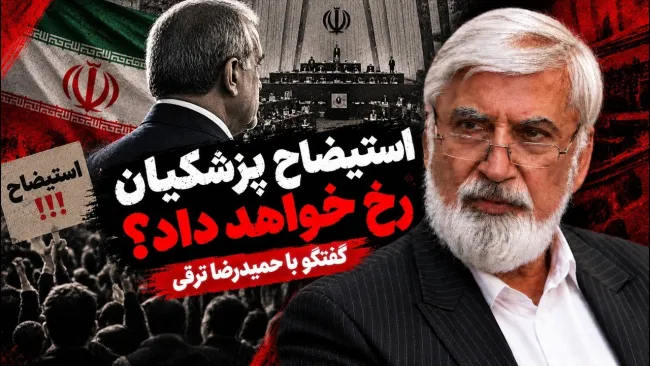
Hamidreza Taraghi: Under the current circumstances, the president’s resignation or impeachment is not in the best interests of the country and the system; it would disrupt the country’s management process.
If there is any criticism, it should also be raised in private meetings between parliament and the government; without the criticisms being made public.
Read more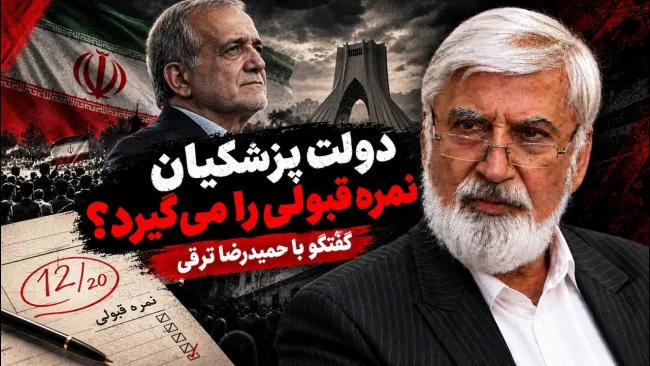
Hamidreza Taraghi: The expectation is not that Mr. Pezeshkian be a principlist; in the economic sphere, the Pezeshkian administration cannot be given a good grade
Due to governments' lack of belief in a resistance economy, this approach was not realized.
Read more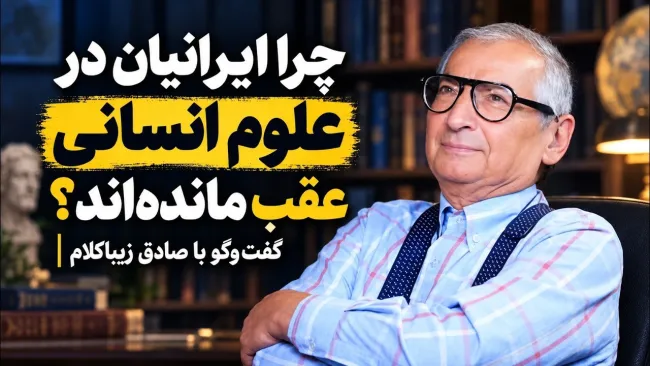
Look | Why are Iranians behind in the humanities? A conversation with Dr. Sadegh Zibakalam, Professor of Political Science at the University of Tehran
From the YouTube channel Abdi Media
Read more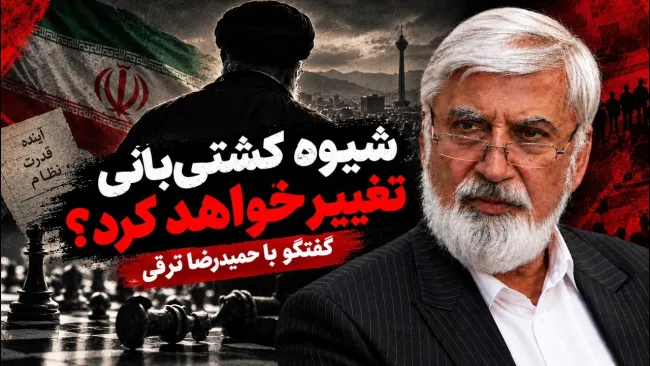
Hamidreza Taraqi: In terms of principles, fundamentals, and ideals, the same path will continue, but the helmsman will certainly have a different way of steering the ship.
The role of the Assembly of Experts in selecting the Leader is a completely independent role.
Read more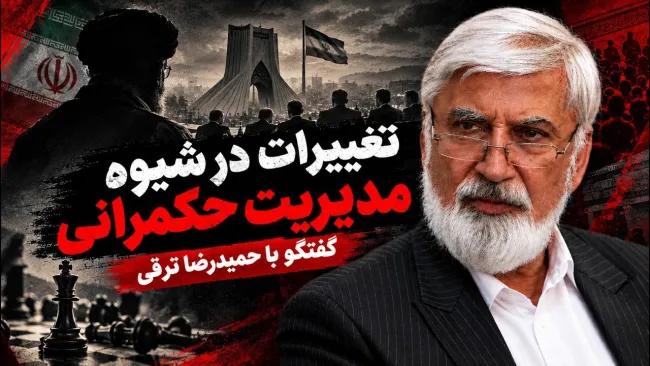
Hamidreza Taraqi: Naturally, we will have changes in the methods of management and governance and in international relations in the future.
Since this era is moving toward pushing America out of the region, it has its own demands.
Read more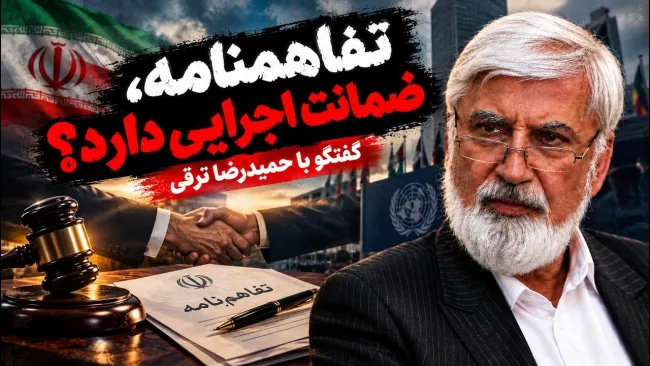
Hamidreza Taraqi: Discussions such as "in principle" indicate that there are differences between his solutions for ending the war and those of the previous Supreme National Security Council.
The memorandum of understanding has no enforcement guarantee.
Read more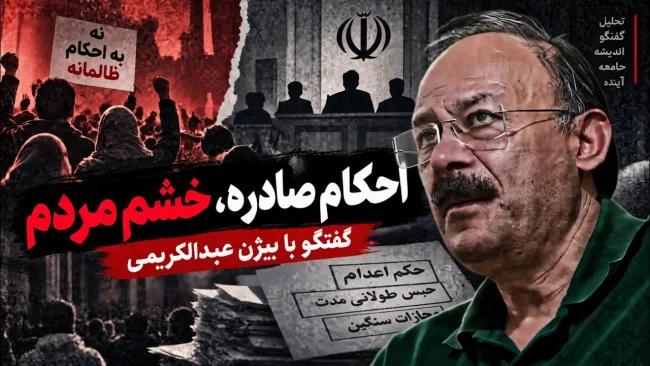
Bijan Abdolkarimi: Rulings were issued that would make people angry.
There are forces in this country that destabilize the country for their own interests.
Read more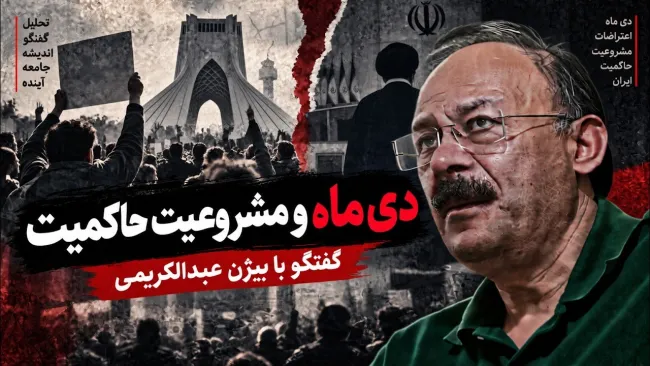
Bijan Abdolkarimi: The crime that took place on January 8 and 9 was an incident that shook the foundations of the system and its legitimacy.
If we treat a student violently simply for asking a question, this is condemnable.
Read more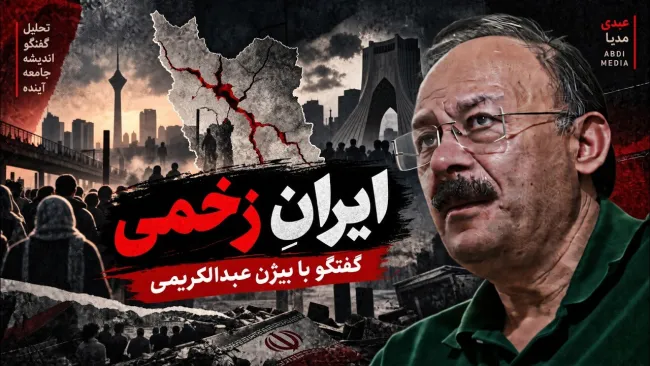
Abdollah Abdi: It cannot be denied that our Iran is a wounded body.
They should ask this question: what happened over the course of nearly half a century under a government that some of those who chanted "Death to the Shah" when this government was founded, half a century later chanted "Long live the Shah"?
Read more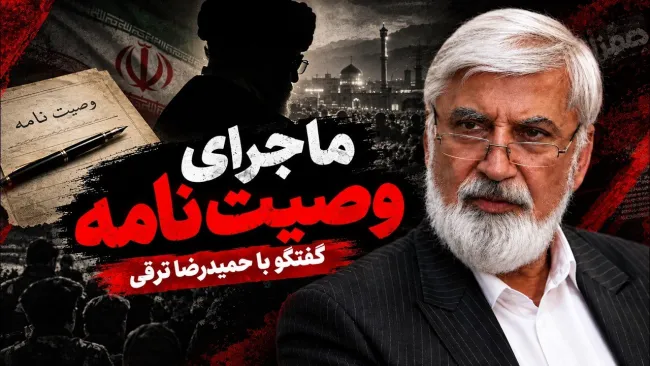
Hamidreza Taraghi: The will was in the same place where the Leader of the Islamic Revolution was martyred
The martyred Leader issued nearly fifty policies on matters needed by the country to the executive, legislative, and judicial branches.
Read more
Abdollah Abdi: I am not an intellectual; I am a simple journalist and I do not claim to have a vast and sprawling organization.
I tried to be a servant of the truth as much as possible.
Read more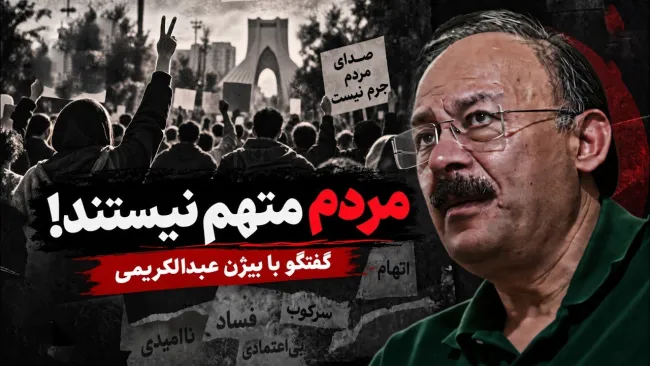
Bijan Abdolkarimi: Anyone who accuses the people is a scumbag; the people are not to blame and are caught up in everyday life.
Can the Mujahideen, Jaish al-Adl, and ethnic separatist forces really sit down at the same table?
Read more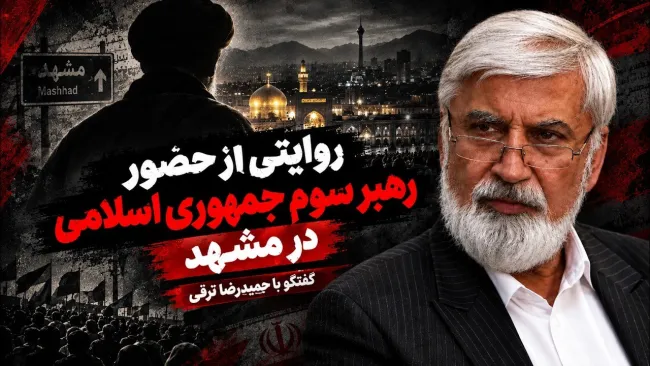
Hamidreza Taraqi: He (the third leader of the Islamic Republic) came to Mashhad at the time of the burial of the martyred leader and was there for a few hours.
It is not possible to make a specific prediction about when the Supreme Leader will appear; it depends on security issues and the level of conflict with the United States.
Read more
Hamidreza Taraghi: The grudge they bear against the Leader, who witnessed the Revolution, has so far made it necessary for us not to allow them to track him.
A clash of ideas takes place fully across the country; the Leader’s positions are viewed from various angles.
Read more
Hamidreza Taraqqi: The Supreme Leader is aware of the issues down to the smallest details.
The government has taken responsibility for the support dimension under wartime conditions.
Read more
Bijan Abdolkarimi: On the 8th and 9th of Dey, a violence occurred that was unprecedented in Iran's history; in such a country, this violence is quite surprising!
Anyone who downplays this incident has blood on their hands for these young people.
Read more
Bijan Abdolkarimi: With the algorithms they created and the cyber forces that supported you, did you think you had a social base?
Now that we have the IRGC, this is our situation; if they weren't here, imagine what our situation would be.
Read more
Bijan Abdolkarimi: Under circumstances where Iran's existence is in danger, is it wise to weaken the government despite having criticisms?
Intellectuals who express joy over Khamenei's assassination are clueless; they think democracy will happen under the boots of the Israelis.
Read more
Bijan Abdolkarimi: Mr. Abdi, with Abdi Media, how much has he contributed to the country's anti-colonial struggles and to increasing the nation's resilience?
Iran has managed to withstand two nuclear powers.
Read more
Bijan Abdolkarimi: Paying attention to a foreign attack is not the core of your discourse; this criticism applies to the majority of intellectuals.
We have a polarized society; one says Soleimani is a hero, another says he is a terrorist.
Read more
Abdollah Abdi: Abdi Media is not a fundraiser for the IRGC headquarters or the seminary.
What I tried to do at Abdi Media was to avoid selling dreams.
Read more
Bijan Abdolkarimi: Are those who call Netanyahu "Bibi" even one percent?
Who do you mean by "the people"? Aren't the families of military personnel part of the people?
Read more
Bijan Abdolkarimi: Isn't weakening the spirit and psyche of the nation in this way a kind of "stabbing in the back"? Abdi Media, where do you stand?
What do you mean by the absence of leadership? If it's a clown like Trump, and he's in the media every day, does that mean he's present in the course of his social life?
Read more
A Critique of the Title "Six Months of War; People in Limbo, Leadership Absent, and the Islamic Republic in a Test of Survival"
Bijan Abdolkarimi: The main problem with our opposition and intellectuals is this; before the dialogue even begins, a political and psychological conclusion has already been presented behind these discussions.
Read more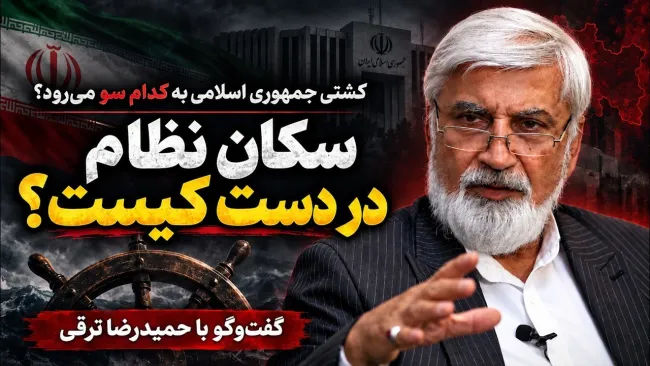
Look | Which direction is the ship of the Islamic Republic heading, and who is at the helm of the system?
Interview with Hamidreza Taraqqi, a member of the Central Council and Deputy for International Affairs of the Islamic Coalition Party, now on Abdi Media's YouTube channel.
Read more
The Day After the U.S. Election; A Big Deal or a Bigger War? Will Trump Bring Tehran Closer to the Atomic Bomb? A conversation with Fereydoun Majlesi, writer and former diplomat at the Ministry of Foreign Affairs
If Iran had a nuclear bomb, Trump would have had to speak more politely to Iran's leader. Now the question is: is Trump himself leading Tehran to the conclusion that security can only be achieved with a nuclear bomb? On the other hand, the U.S. election is approaching, the war continues, the Strait of Hormuz has become a stage for displays of power, and Mojtaba Khamenei and Donald Trump are moving one step closer to a more direct confrontation every day. What will happen after the election?
Read more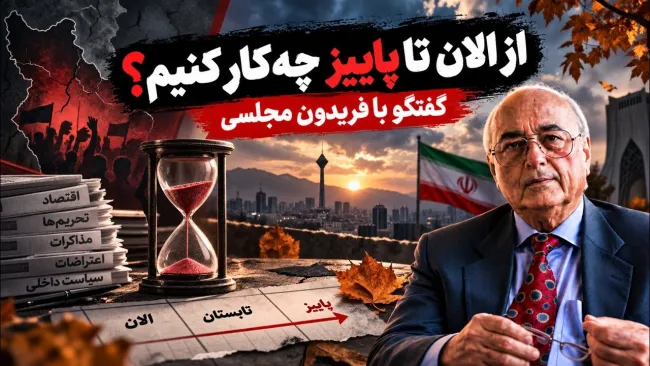
Fereydoun Majlesi: Chronic war means that you are effectively in a state of war, without an actual war taking place!
They say there will be a war in the fall; what should we do from now until the fall?
Read more
Fereydoun Majlesi: Iran's late leader knew what the reason (for the lack of trust between the two sides) was; the reason is the slogan calling for the destruction of Israel.
He (Ayatollah Khamenei) knew that the slogan of Israel's destruction also depends on its means.
Read more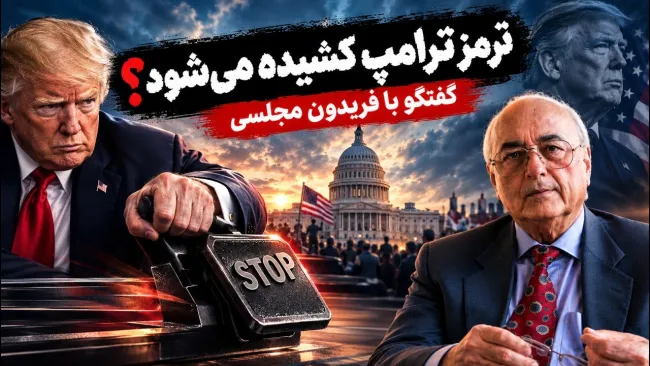
Fereydoun Majlesi: At such levels, a blood feud and personal revenge cannot be at issue.
The interests of the Iranian nation will lead to certain concessions; greater consideration should be given to the public interest.
Read more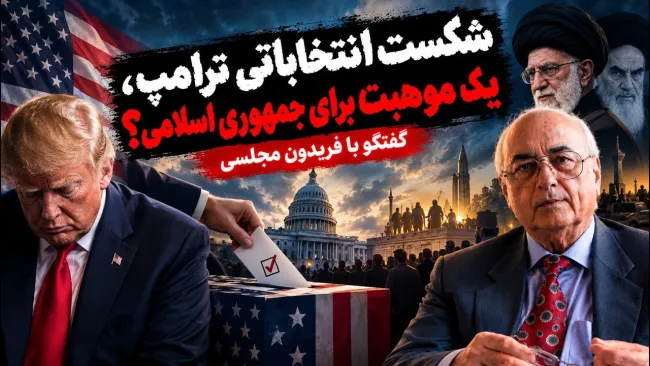
Fereydoun Majlesi: Trump's electoral defeat is good news for the Islamic Republic; because one horn that could have been more dangerous has been broken.
America's main course has nothing to do with Trump.
Read more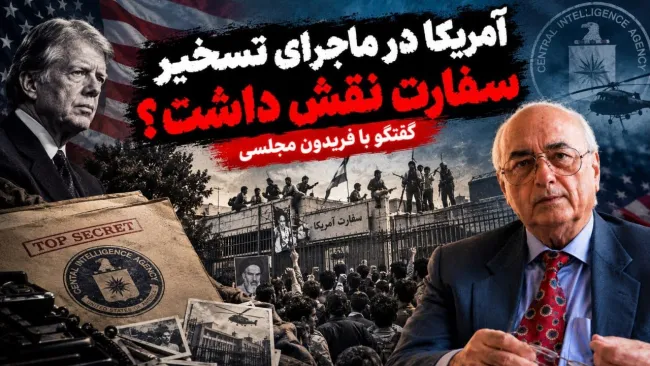
Did the United States have a role in the "Embassy Takeover" affair? A conversation with Fereydoun Majlesi, writer and former diplomat at the Ministry of Foreign Affairs
Fereydoun Majlesi: Mr. Bani-Sadr has reached the conclusions based on decision-making; this is a conspiracy theory.
Read more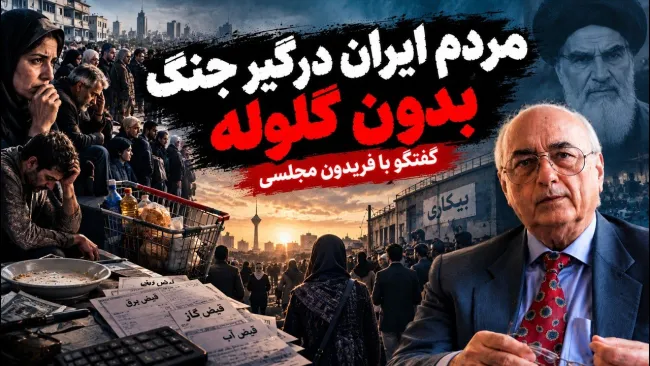
Fereydoun Majlesi: We who live in Iran are caught up in a "war without bullets"
May the day never come when others make decisions for us amid chaos!
Read more
Fereydoun Majlesi: All our issues are related to this sentence: Israel must be wiped off the face of the earth!
Perhaps the Strait of Hormuz is our hostage, but the oil is not in our hands.
Read more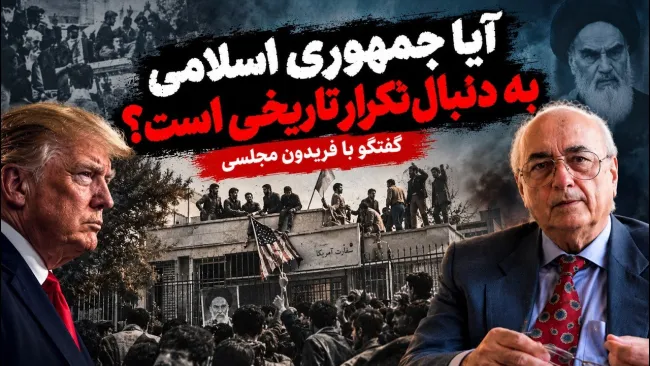
Is the Islamic Republic today seeking to repeat the historic episode of the seizure of the US embassy and its dealings with Jimmy Carter in its dealings with Donald Trump?
Fereydoun Majlesi, a witness to history, responds.
Read more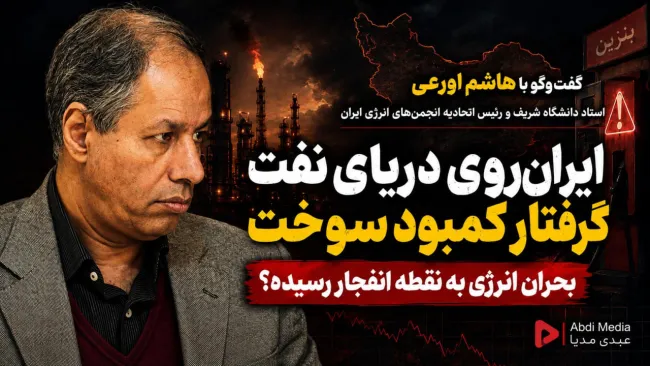
Iran on a sea of oil, caught in a fuel shortage; has the energy crisis reached the breaking point? A conversation with Dr. Seyyed Hashem Oraei, professor at Sharif University and head of the Union of Iran's Energy Associations.
Countries do not always suffer damage from where the enemy shoots at them. Sometimes they wear out from a place that everyone has warned about in some way for years. Sometimes it wears out from a place where we have seen for years that everyone has warned about it, but no one has been willing to pay the cost of deciding on it. "Imbalance" may be the most polite word we have created to describe one of the most ruthless realities of today's Iran; a country that sits on one of the largest oil and gas resources in the world and today also talks about electricity shortages, gas shortages, gasoline imports, fuel shortages, power plants, and matters of this kind, and the billions of dollars in capital that we still need to save our energy infrastructure.
Read more
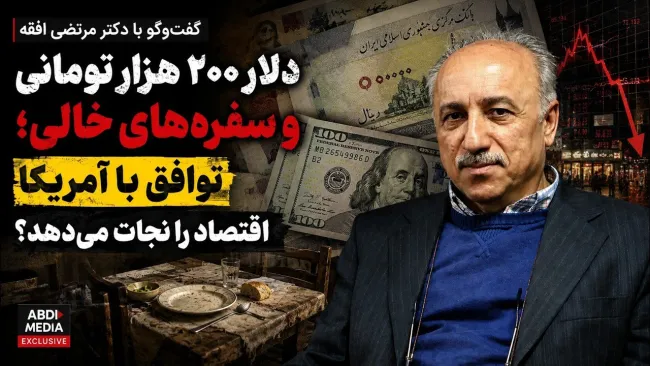
The 200,000-toman dollar and empty tables; will an agreement with America save the economy? A conversation with Dr. Seyyed Morteza Afghah.
Our subject is the economy. The economy is not just numbers; sometimes numbers are the narrative of a nation's life. When the dollar crosses the 200,000-toman threshold, the issue is no longer merely the fall in the value of the rial. The issue is how many days a salary can buy life, what things a family must go without, and how much poorer a society can become and still endure. But one question may be more important than all: is what we see today the product of sanctions, or the product of a style of governance whose weaknesses sanctions have merely exposed in some way? If tomorrow Iran and America reach an agreement, what will happen?
Read more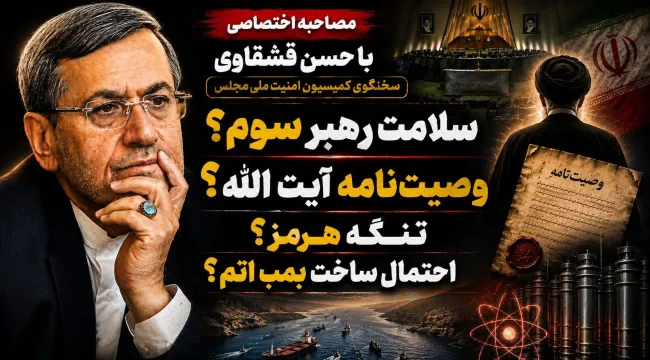
From the health of the third leader and Ayatollah's will to the Strait of Hormuz and the possibility of building an atomic bomb, in an exclusive interview with Hassan Ghashghavi, the spokesperson for the National Security
Abdi Media, continuing its series of conversations, this time turned to Hassan Ghashghavi, the spokesperson for the National Security and Foreign Policy Commission of the Majlis. The conversation with him began with the question: How far are we from the next war?
Read more
Fereydoun Majlesi: The clergy, which had gained power, did not even tolerate its own self-made party.
Let us strive to prevent further harm to Iran; let this bleeding and chronic war be brought to an end.
Read more
Fereydoun Majlesi: We cannot consider the situation that has been created for the Iranian nation as a victory.
Trump wants to blame his slim chances in the election on the rival party and the war with Iran.
Read more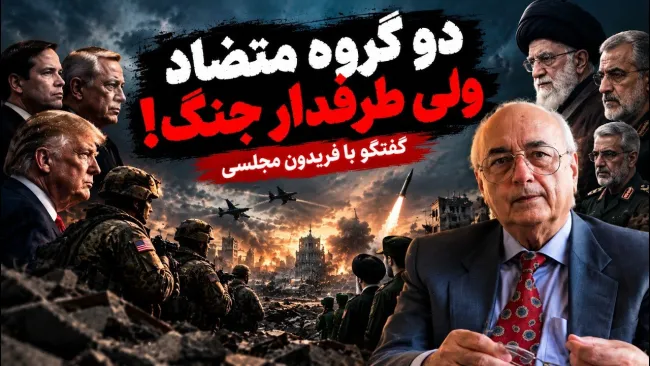
Fereydoun Majlesi: Inside and outside Iran, two opposing groups want Iran's issues to be resolved through war.
There are forces in Iran who, before Trump's speech, support Iran going nuclear.
Read more
See | Six Months of War; The People in Limbo, the Absent Leadership, and the Islamic Republic in the Test of Survival: A Conversation with Bijan Abdolkarimi.
From Abdi Media's YouTube channel
Read more
Hossein Kanani Moghaddam, Secretary-General of Iran's Green Party: The cost of war is less than the cost of surrender.
If I had a choice, I would follow the orders of the Commander-in-Chief.
Read more
Hossein Kanani Moghaddam, Secretary-General of Iran's Green Party: If we want to use the weapons we have, the Americans might move toward nuclear weapons.
The final battle is still to come; these are just warm-ups!
Read more
Is defending "Iran" synonymous with defending the "Islamic Republic"? An exclusive conversation with Hossein Kanani Moghaddam, Secretary-General of Iran's Green Party.
Hossein Kanani Moghaddam: A strong system can preserve Iran.
Read more
Hossein Kanani Moghaddam, Secretary-General of Iran's Green Party: The IRGC is no longer commander-centric; it is structure-centric.
Up to 5-6 levels down, our successors in the IRGC and the army have been designated; they {the Americans} cannot dismantle the structure.
Read more
Hossein Kanani Moghaddam, Secretary-General of Iran's Green Party: America seeks the collapse of Iran, not the collapse of the Islamic Republic.
In America's long-term policies, the people have no place.
Read more
Hossein Kanani Moghaddam, Secretary-General of Iran's Green Party: The governance, due to the methods it has created in its management, has created holes through which the people suffer losses.
Wrong decisions and the failure to implement communicated policies will bring corruption.
Read moreSee | The Day After the U.S. Election; A Grand Deal or a Bigger War? Will Trump Bring Tehran Closer to the Atomic Bomb?
A conversation with Fereydoun Majlesi, writer and former diplomat of the Ministry of Foreign Affairs, right now on the Abdi Media YouTube channel.
Read more
Hossein Kanani Moghaddam, Secretary-General of Iran's Green Party: We must increase the resilience of the economy.
I told Mr. Rouhani, instead of a resistance economy, you turned to economic resistance.
Read more
What is the goal of negotiating with America? A conversation with Hossein Kanani Moghaddam, Secretary-General of Iran's Green Party.
Hossein Kanani Moghaddam: In a situation where the other side is "a crazy person," we must try to contain him.
Read more
Hossein Kanani Moghaddam, Secretary-General of Iran's Green Party: If you want to implement shock therapy, the people will undoubtedly take to the streets.
We are engaged in a hybrid war.
Read more
Hossein Kanani Moghaddam, Secretary-General of Iran's Green Party: We are moving toward ending the war with a "final battle."
The Americans are stuck in the quagmire of the Strait of Hormuz.
Read more
Hossein Kanani Moghaddam, Secretary-General of Iran's Green Party: The reason people respond to the voice of the opposition is that their problems are not solved internally.
The Americans believed that if we do not create an alternative against the Islamic Republic, we cannot overthrow it.
Read more
Hossein Kanani Moghaddam, Secretary-General of Iran's Green Party: Unless we confront systematic corruption, we cannot think about economic improvement.
We are suffering from economic black holes.
Read more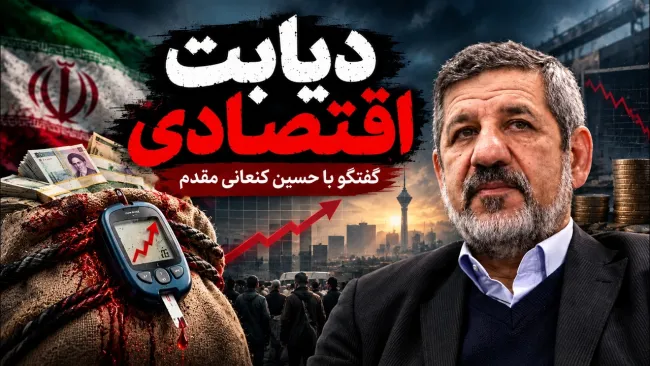
Hossein Kanani Moghaddam: We are suffering from "economic diabetes"
We didn't have any luck with the opposition either!
Read more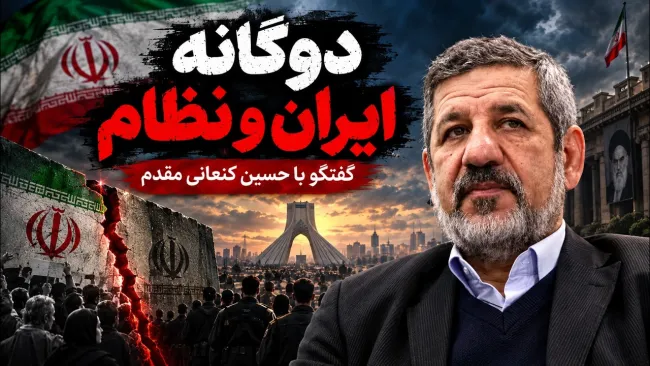
Hossein Kanani Moghaddam, Secretary-General of Iran's Green Party: I do not accept the "Iran vs. the system" dichotomy; a system based on democracy, the stronger it is, the stronger Iran will be.
War conditions naturally impose certain restrictions on society.
Read more
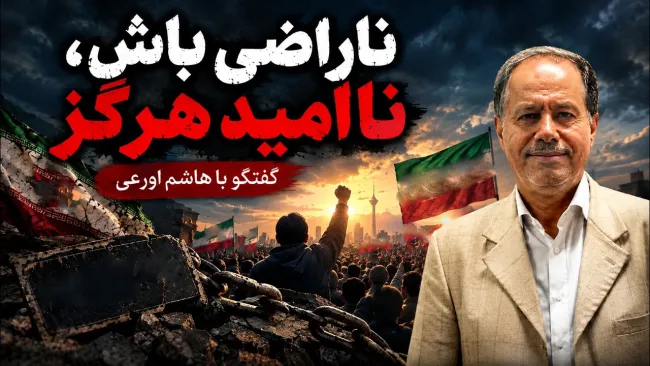
Seyyed Hashem Oraei: Our generation was not a good trustee; we are not handing over the country to the next generation as well as we received it.
We have the right to be dissatisfied with the country's situation, but we do not have the right to be hopeless.
Read more
Seyyed Hashem Oraei: The government has not reached the point of no return; the important thing is to find the right path.
The country's management system is not based on meritocracy, and we must take a serious look at the energy management system.
Read more

Seyyed Hashem Oraei: Energy has the capacity to not only prevent the 14th government from reaching the 15th, but even to prevent it from completing its own term.
If the 14th government can change the trend, it can remain in the 15th government as well.
Read more
Seyyed Hashem Oraei: Nuclear energy has been entirely a loss for us.
The decision to pursue a nuclear program was not one we made ourselves; it was made for us!
Read more

Seyyed Hashem Oraei: If a serious disruption occurs in energy supply, there is a possibility of social unrest.
Price reform alone will not solve our problems.
Read more
Seyyed Hashem Oraei: I am very worried about gas facilities. We have no storage capacity, and imports are also problematic.
For years, we have not even invested as much as the depreciation of the infrastructure.
Read more
Has the war atmosphere helped the government manage the crisis?
Seyyed Hashem Oraei: The war has intensified the issue somewhat, but the energy problem was not created with the start of the war, nor will it end with the war's conclusion.
Read more
What part of the imbalance is affected by the "war"?
We have not suffered much damage in electricity; we are using the war as a justification for the blackouts.
Read more
Have the relations between Masoud Pezeshkian and his government with the third leader and his household been transformed due to the energy crisis?
Seyyed Hashem Oraei: The current situation is a good opportunity for the government.
Read more
Seyyed Hashem Oraei: Lobbying has framed the issue in such a way that if gasoline doubles, inflation will also double!
The Fourteenth Government's announcement of the new gasoline price was already consumed by inflation!
Read more
Seyyed Hashem Oraei: If we can achieve empathy and harmony with the majority of society, we can endure; we are not on such a path!
It is a custom in our country to say that the people are to blame for many of the mismanagements and problems.
Read more
Seyyed Hashem Oraei: If we go down this path a hundred times, we will end up in the same place.
The only wonder is why everyone is surprised that we ended up here!
Read more
Seyyed Morteza Afghah: The war or America's retreat should not create pride and cause us to repeat the past misguided policies.
If it is felt that misguided policies—especially in the economic, social, and cultural spheres—are being reformed, a scent of improvement will arise.
Read more

Seyyed Morteza Afghah: The war became an excuse to resolve crises in the short term.
Many individuals inside the country who participated in the tensions have come to understand many of the realities, which has removed the basis for their protests from that political logic.
Read more

Seyyed Morteza Afghah: The budget beneficiaries are costly and must be eliminated.
Low production is mainly due to domestic inefficiency.
Read more
Seyyed Morteza Afghah: The economy is heading toward an explosion; we are not at the peak yet, but we are getting there.
The coming year will be harder for people than current conditions; 6 to 7 income deciles of society will need government support
Read more
Seyyed Morteza Afghah: Some extremists, in these circumstances where they should be helping to solve economic problems, are laying the groundwork for social pressures.
Policymakers are currently not cooperating with the extremists.
Read more

Seyyed Hashem Oraei: There is no doubt that the Pezeshkian government has fallen into a trap.
If the government had sufficient social capital, it would have an easier task.
Read more

Seyyed Morteza Afghah: If the threats are carried out to the extent that is being said, it will cause dangerous problems for people's livelihoods.
We are on the downward slope of serious economic crises in the country; war can intensify the endpoint.
Read more

Seyyed Hashem Oraei: The fact that we cannot import is a blessing that should make officials take the gasoline issue more seriously.
The impossibility of importing gasoline has exposed the problem sooner.
Read more

Seyyed Morteza Afghah: We have two groups of dissatisfied people; one group is the economically dissatisfied, and another is the culturally and socially dissatisfied.
The groundwork can be laid for widespread economic, social, and cultural changes.
Read more
Seyyed Hashem Oraei: The gasoline issue is completely serious.
We have no choice but to use the strategic reserves.
Read more

Seyyed Morteza Afghah: The root of our problems has nothing to do with the American siege; we did not have a resistance economy capable of withstanding the turmoil.
An agreement with America for Iran's economy is merely a "painkiller."
Read more

Seyyed Hashem Oraei: The process of the impoverishment of the Iranian people will continue.
Solving the energy supply problem is deeper than just drilling a few oil wells; we need a fundamental review of energy governance .
Read more
Seyyed Morteza Afghah: The food voucher and subsidies will not help the people at all
Inflation is rising at a faster rate than subsidies.
Read more
Seyyed Hashem Oraei: We have failed in energy governance
The disorder in the automotive industry continues, and we want people to save on gasoline consumption?
Read more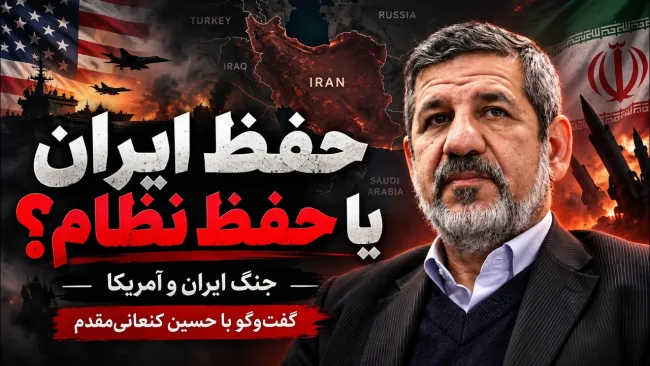
"See | Preserve Iran or Preserve the System? What Will Happen to the Islamic Republic After the War? A Conversation with Hossein Kanani Moghaddam."
"Right now on the Abdi Media YouTube channel"
Read more
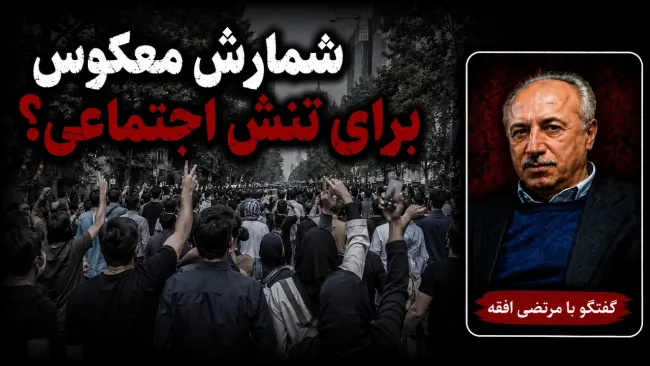
Seyyed Morteza Afghah: There Is Potential for Political and Social Tension
With the high price of gasoline, the price waves reach other goods.
Read more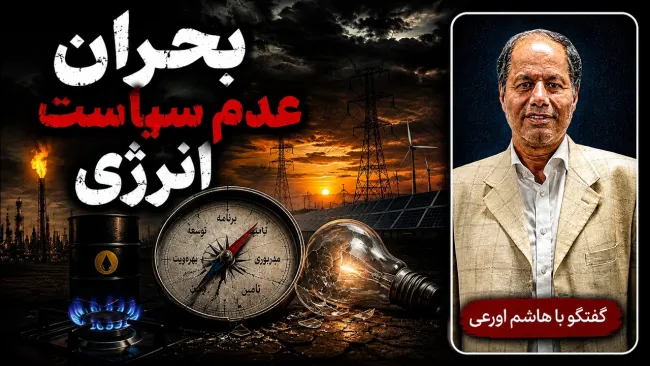
Seyyed Hashem Oraee: We Must Tell the People Two Truths; Problems Will Not Be Solved Overnight and Without Pain
We Want to Solve a Problem That Is Unsolvable; To Put It Bluntly, We Don't Have Something Called "Energy Policy"
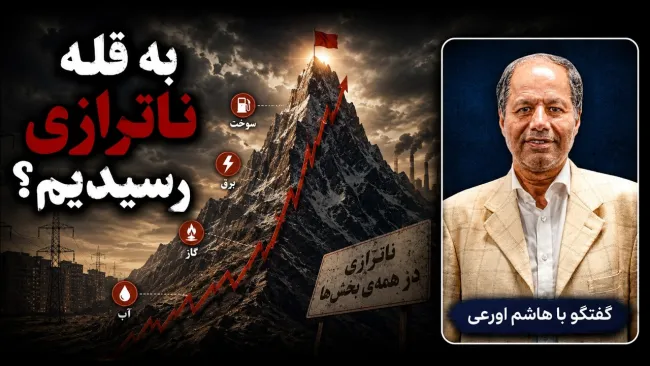
Seyyed Hashem Oraee: I Don't See That Light at the End of the Tunnel; We Haven't Yet Reached the Peak of Imbalance
If we have a cold winter, we will face a gas shortage of between 400 and 500 million cubic meters.
Read more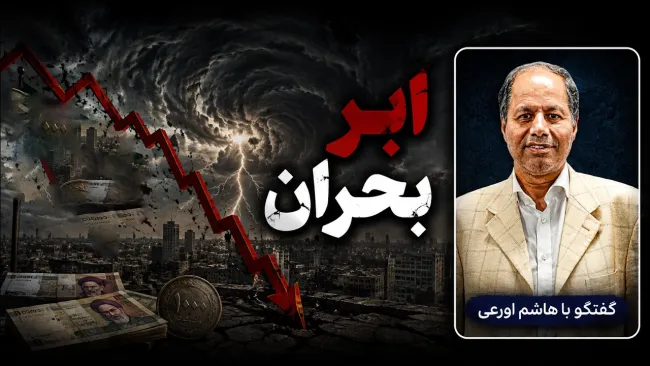
Seyyed Hashem Oraee: We Are Heading Toward a Hyper-Crisis
From the Perspective of Energy Demand, We Are in a Recess; and Even During This Recess, We Have a Severe Energy Problem
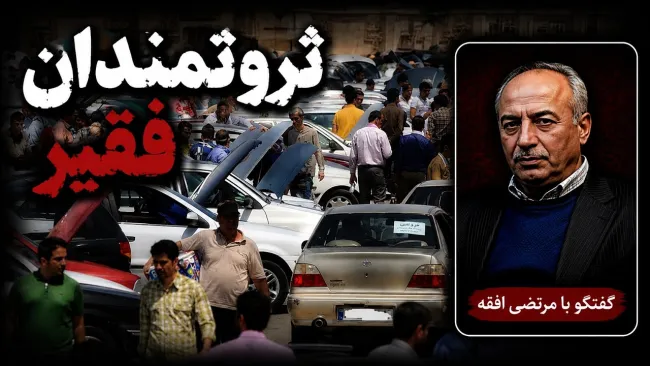
Seyyed Morteza Afghah: The middle class is facing a phenomenon that the rich poor are facing.
The price of their car has gone up, but they don't even have the money to replace a single part of it.
Read more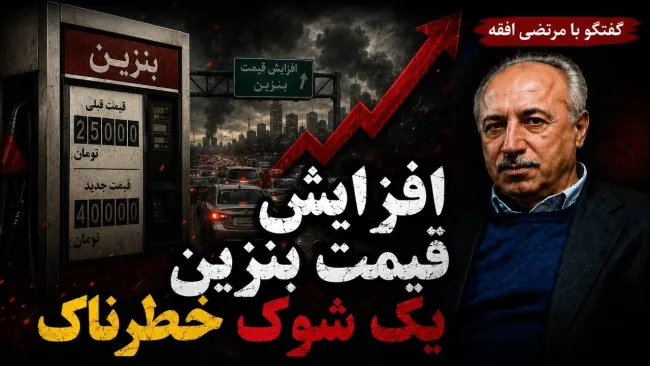
Seyyed Morteza Afghah: Increasing Gasoline Prices Is a Very Dangerous Shock in the Current Situation and Is Not Advisable at All
Gasoline Is a Commodity That Has a Psychological Effect and Has a Very Large Economic Impact on Other Goods
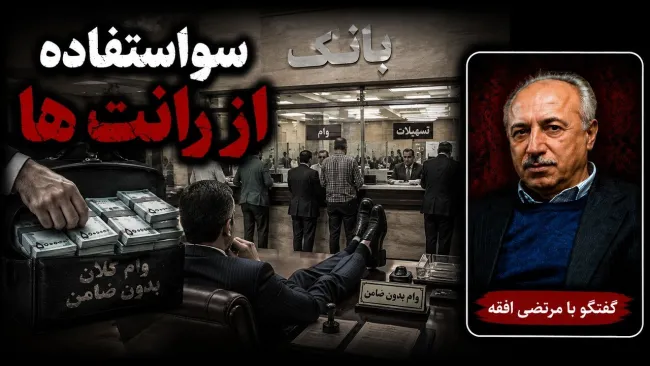
Seyyed Morteza Afghah: Rent is not inherently negative; it is a policy for reducing inequality.
I am not opposed to the liberalization of the exchange rate, but it will never happen.
Read more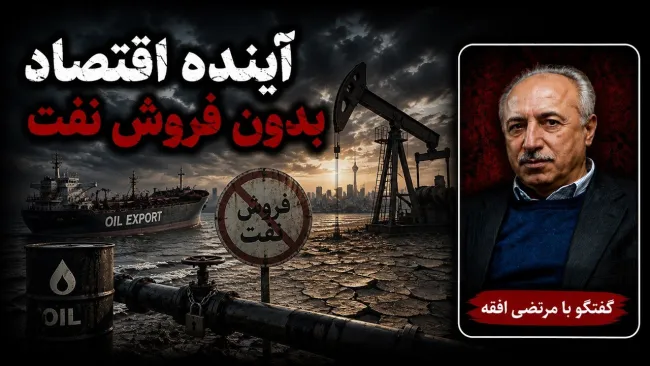
Seyyed Morteza Afghah: Iran's economy cannot support this model of governance without oil money.
If all three of these events happen tomorrow and we still do not accept structural change, we will remain dependent on oil.
Read more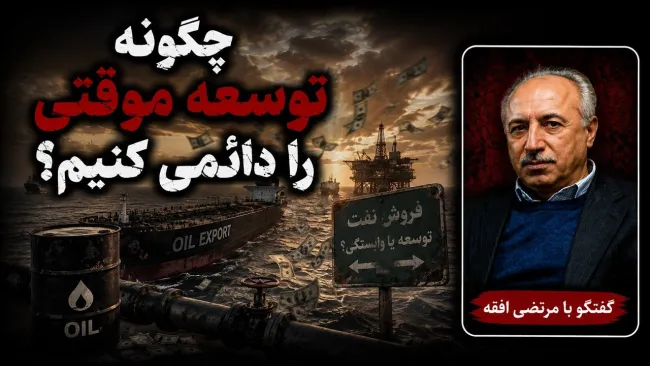
Seyyed Morteza Afghah: If development originates from oil, it holds no value because such development is not permanent.
To turn temporary development into permanent development, you must use that oil in the direction of investing in human resources.
Read more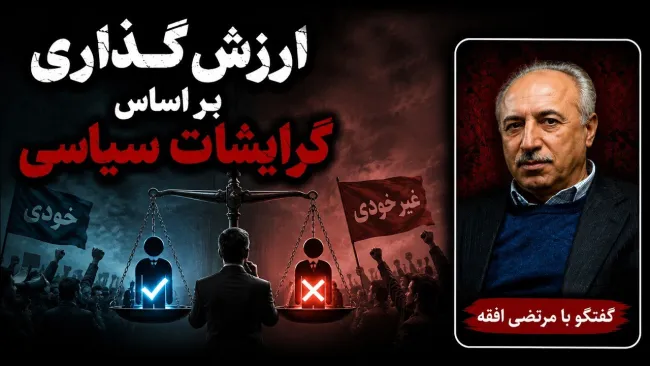
Seyyed Morteza Afghah: We have a value system in which decision-making based on development, welfare, and progress does not hold a high rank.
The roots of the current problems are mainly internal; external pressures have merely exacerbated them.
Read more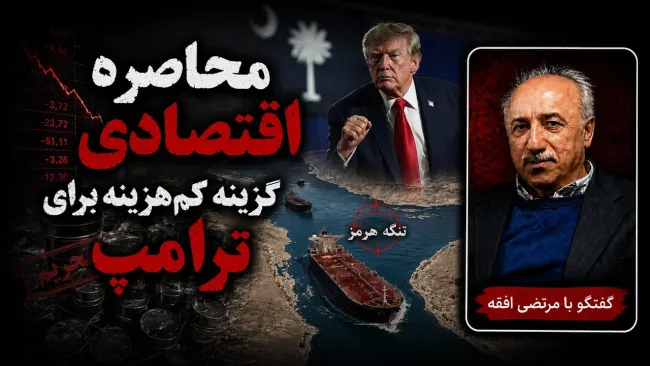
Seyyed Morteza Afghah: Trump, having not succeeded in military operations, has resorted to a lower-cost military operation.
We are not in a good economic situation, and if these threats become more serious, it is natural that the pressures will also increase.
Read more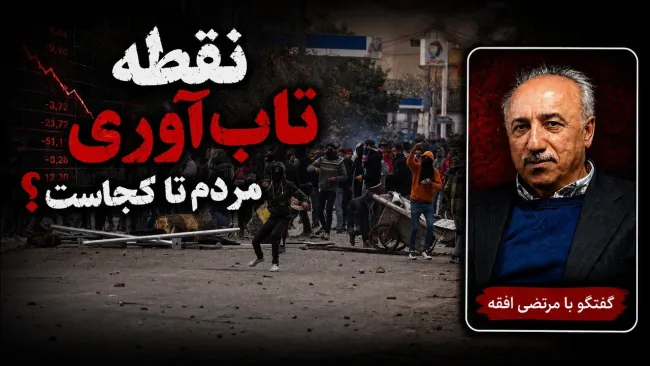
Seyyed Morteza Afghah: The people's resilience threshold is linked to the government.
For now, the middle class is getting poorer, but if this trend continues, the middle class may disappear.
Read more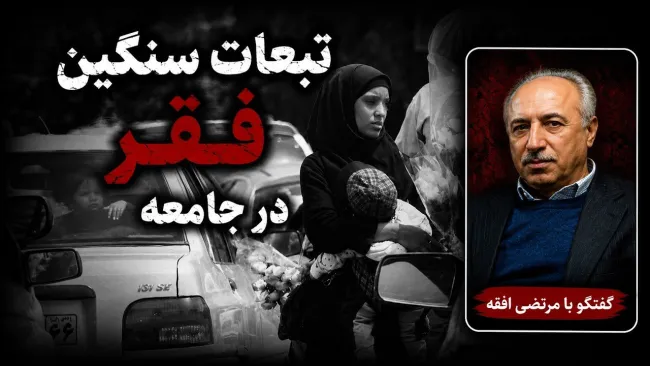
Seyyed Morteza Afghah: The danger of poverty is a serious risk that carries many political and social consequences.
The average society's tolerance has its limits, and the government should not allow individuals to reach that level of moral decline.
Read more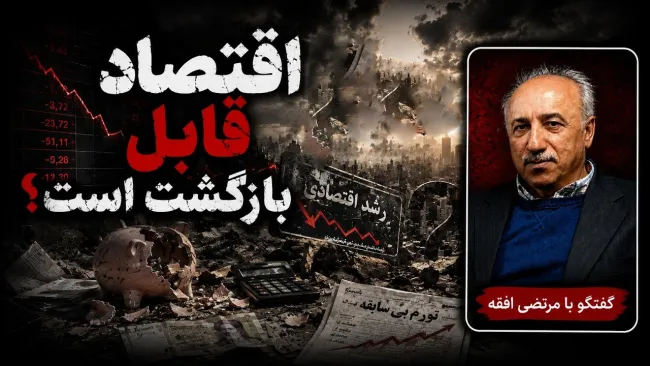
Seyyed Morteza Afghah: The 200,000-toman dollar is currently the psychological impact of Trump's threats; the current dollar rate was not unexpected and was predictable.
Following a decline in oil sales due to intensified sanctions, the curtain has been lifted.
Read more
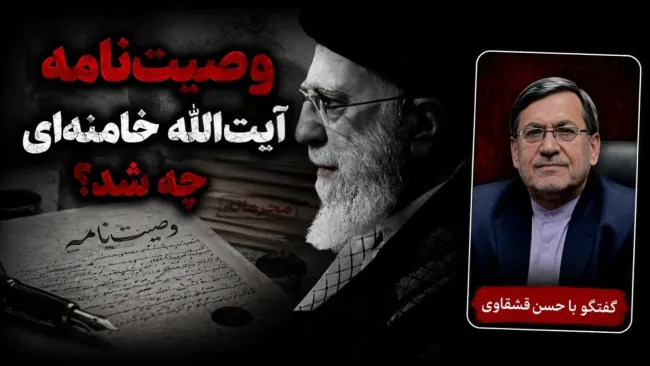
Hassan Ghashghavi's explanations regarding the will of Ayatollah Khamenei.
The security conditions are such, and parliamentary sessions are held with various protocols.
Read more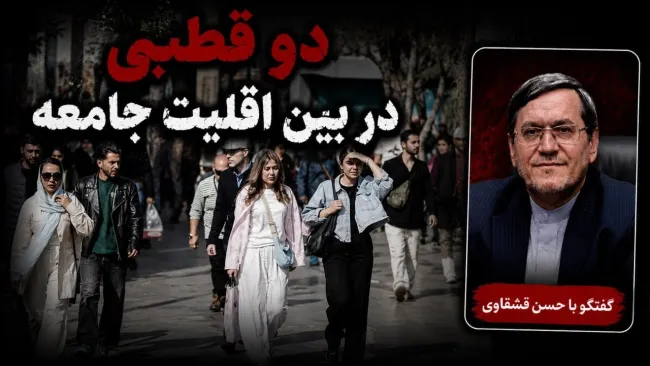
Hassan Ghashghavi: There is a polarization in our society, but it exists among a minority in the country.
The majority of the military and judicial personnel earn no more than 20 to 30 million.
Read more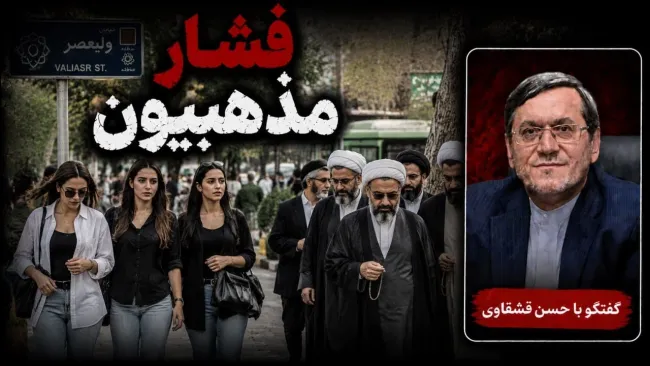
Hassan Ghashghavi: We believe in freedom of expression, but only to the extent that it does not lead to violation of norms.
The pressure is now greater from the religious side.
Read more
Iran is sitting on a sea of oil, yet trapped in a fuel shortage; has the energy crisis reached a breaking point?
A conversation with Dr. Seyyed Hashem Oraei, professor at Sharif University and head of the Union of Iran's Energy Associations, is now on the Abdi Media YouTube channel.
Read more
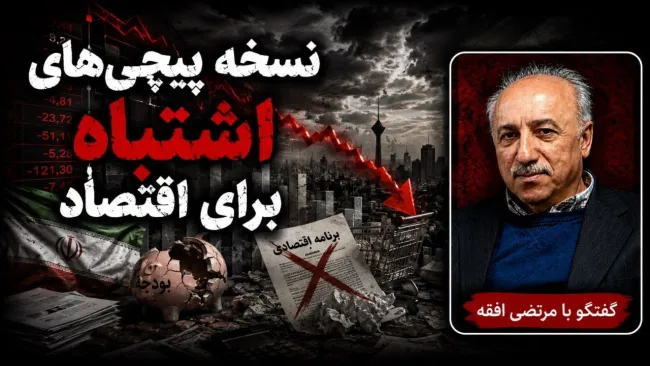
Seyyed Morteza Afghah: Economic reforms have been carried out since the time of Mr. Rafsanjani, but the result has been worse.
You cannot prescribe a solution for the economy in a "vacuum."
Read more
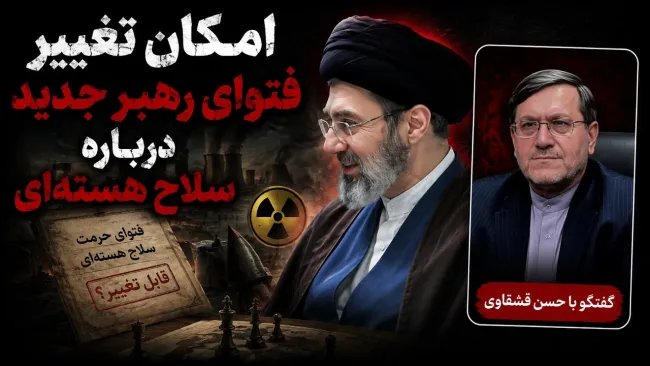
Hassan Ghashghavi: From a religious perspective, it is possible for the new leader's fatwa on nuclear weapons to change
For the future policy of the Islamic Republic in this regard to be determined, the opinion of the current Leader must be clarified .
Read more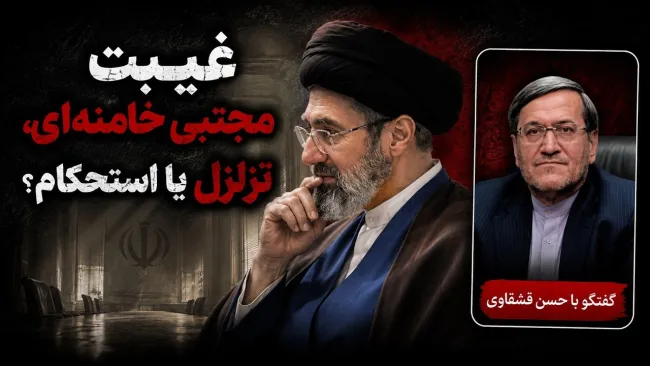
Hassan Ghashghavi: Imam Mahdi has been absent for 1,200 years, but do we, as religious people, neglect obedience to the command of the Master?
If the Leader is not present in person but everyone is so obedient to his command, this should logically indicate the cohesion of the system.
Read more
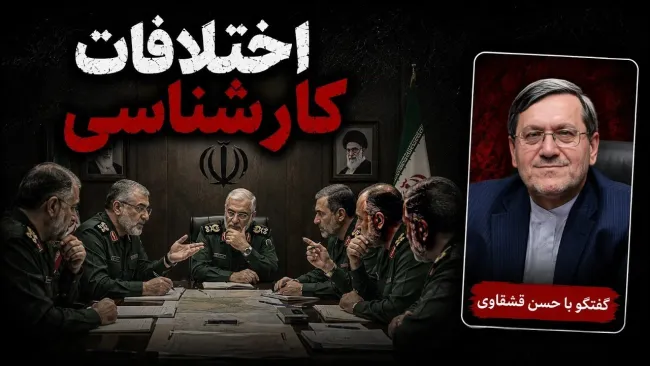
Hassan Ghashghavi: Regarding the Strait of Hormuz issue, there can be differences of opinion within the IRGC at the expert level.
In this one-year war, not even one of our diplomats became a refugee.
Read more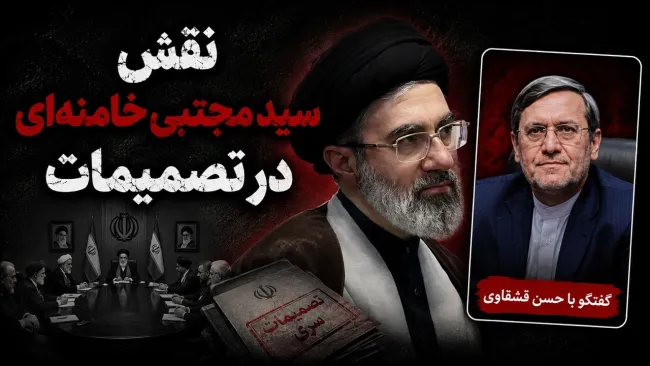
Hassan Ghashghavi: The Leader is in full health and has complete oversight of everything.
From the very first poll, the overwhelming majority of hearts turned towards His Holiness Ayatollah Seyyed Mojtaba Khamenei.
Read more
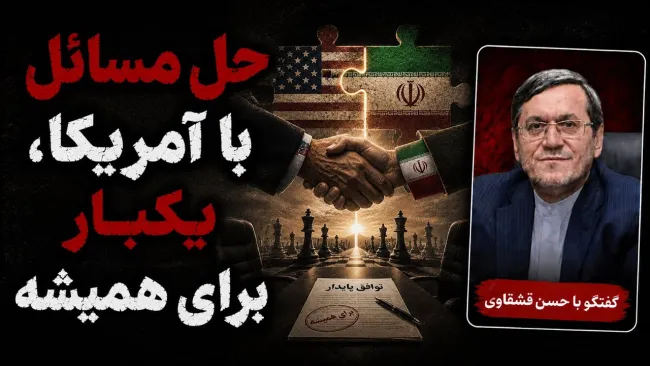
Hassan Ghashghavi: Death once, mourning once; this time we want to end these issues with the US for good.
Iran has never had economic problems with American companies.
Read more
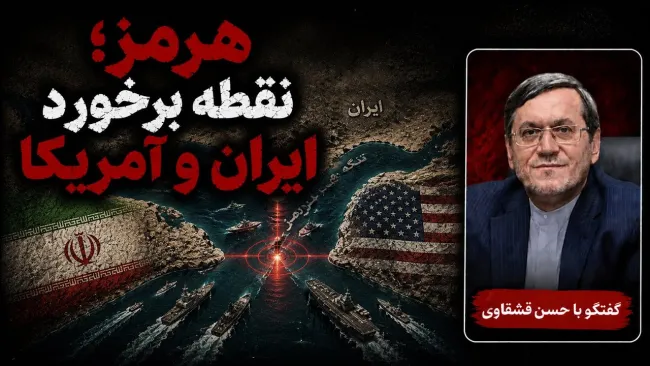
Hassan Ghashghavi: Determining a corridor for the Strait of Hormuz is our natural right.
As the negotiations with Oman were progressing well, the US threatened to bomb them
Read moreSee | The 200,000-toman dollar and empty tables; can an agreement with the US save the economy? A conversation with Dr. Seyyed Morteza Afghah.
From the YouTube channel of Abdi Media
Read more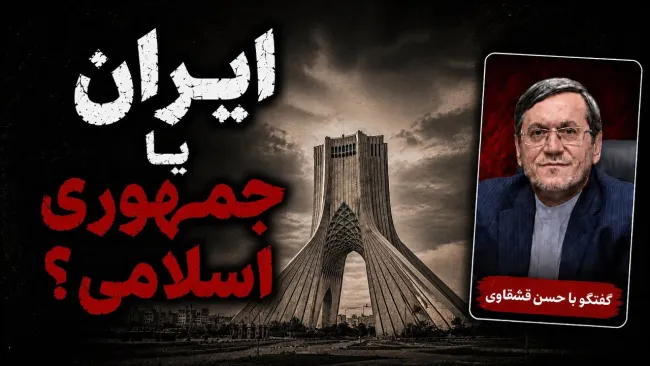
Hassan Ghashghavi: We cannot use the Islamic Republic instead of Iran and justify all the actions of Israel and the United States.
No country is willing to compromise even an inch of its national sovereignty.
Read more
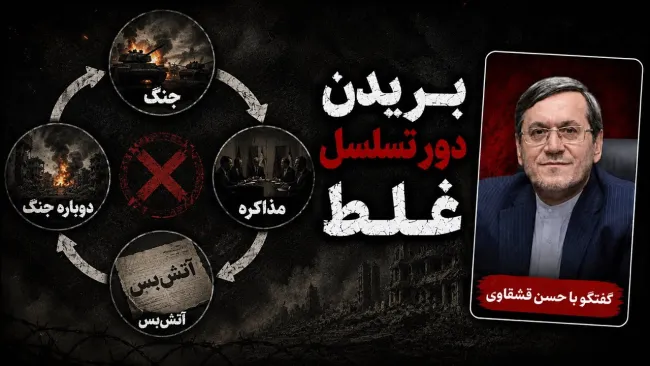
Hassan Ghashghavi: The vicious cycle of "war, negotiation, ceasefire, and again war, negotiation..." must be broken.
Sanctions always put a great deal of pressure on the vulnerable segments of the population.
Read more
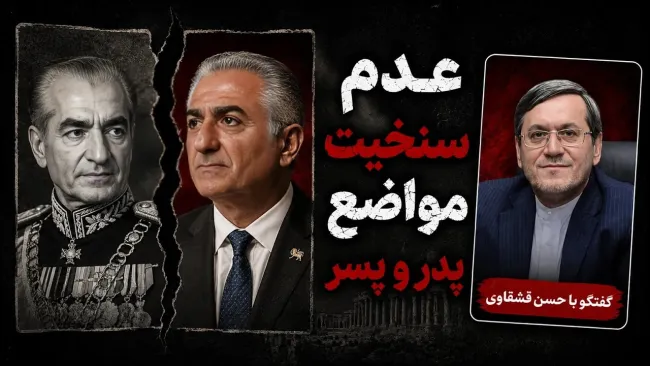
Hassan Ghashghavi: The Shah's son and supporters of the monarchy have no affinity with the positions of Mohammad Reza.
Even during the Shah's time, he had declared that the Strait of Hormuz is not international.
Read more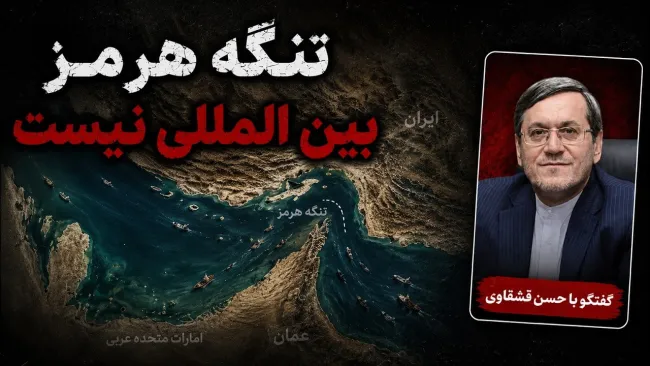
Hassan Ghashghavi: The Strait of Hormuz is not an international strait
If it is determined which side has violated the Islamabad Memorandum of Understanding, the future situation will become clearer.
Read more
Right now on Abdi Media | From the health of the third leader and Ayatollah's will to the Strait of Hormuz and the possibility of building an atomic bomb, in an exclusive interview with Hassan Ghashghavi,
the spokesperson for the National Security and Foreign Policy Commission of the Majlis. Watch from Abdi Media's YouTube channel
Read more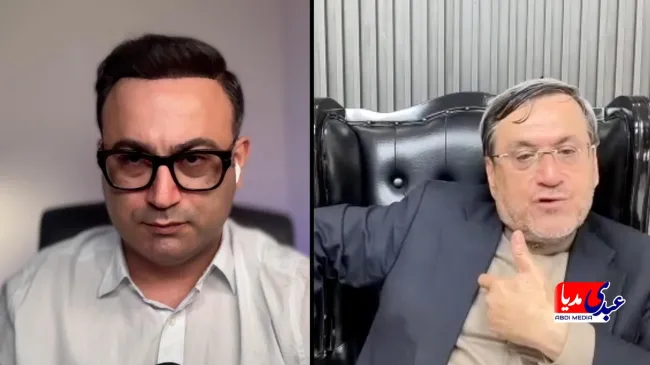
Ghashghavi: From a religious perspective, it is possible for the new leader's fatwa on nuclear weapons to change.
From a jurisprudential and religious perspective, it is possible that the fatwa of Ayatollah Seyyed Mojtaba Khamenei regarding nuclear weapons may differ from the fatwa of the previous Leader of the Islamic Republic.
Read more
Tonight on Abdi Media | From the health of the third leader and Ayatollah's will to the Strait of Hormuz and the possibility of building an atomic bomb
In an exclusive interview with Hassan Ghashghavi, the spokesperson for the National Security and Foreign Policy Commission of the Majlis, tonight at 10:10 PM Iran time on the Abdi Media YouTube channel.
Read more
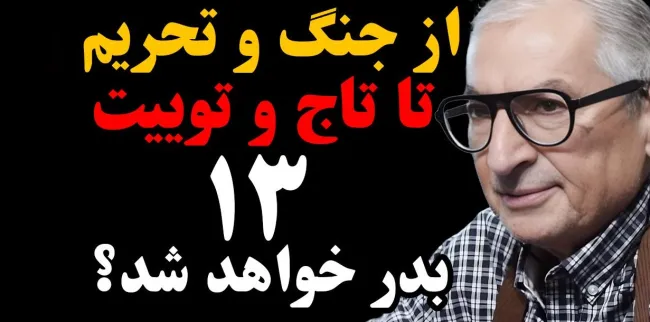
From War and Sanctions to Throne and Tweet; Will 13, Badr happen? with Dr. Sadegh Zibakalam, Professor of Political Science at the University of Tehran.
If you are a person of analysis, if you still ask amidst the smoke, fire, and propaganda what will be the end, you are exactly in the right place. In a world where war is neither declared nor ended, in an era where truth is judged not by reality but by virality, and in a homeland whose people are burning in the fire of sanctions, war, lies, and promises, the main question is no longer just who stays or who goes. The question is whether anything of us will remain.
Read more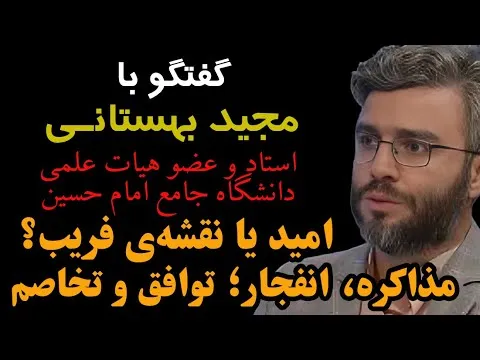
Hope or a Deception Plan? Negotiation, Explosion; Agreement and Hostility with Dr. Majid Behestani, Professor and Faculty Member of Imam Hossein University.
We will go to the heart of the mystery together. From the very beginning, we must know that in a world where truth and falsehood are intertwined, only one thing is certain: every signature has a cost, and every cost has a future. Tonight, I have the honor of being with Dr. Majid Behestani, an analyst of international developments and a professor and faculty member of Imam Hossein University, to fearlessly lift the veils. What led these two long-time enemies to sit at the negotiating table?
Read more
Iran's Economic Scenarios in the Nuclear Negotiations: A Conversation with Dr. Albert Baghzian, Economist and Assistant Professor at the University of Tehran
Today all eyes are fixed on one point: the closed-door negotiations between Iran and the United States. The market has fallen silent. The dollar and gold are rising and falling, investors are watching, and people are waiting. We have neither definitive news nor a future that is clear. In such a situation, we must ask: if an agreement is reached, how will Iran's economy react? If it is not, what scenarios should we expect? Does Iran's economy have the capacity to withstand more pressure, or is it in a gradual collapse? Does the government really have a plan for the conditions ahead? We are talking about the people—people who have become desperate and are left asking, "What should we do?" They are looking for information so they do not lose their modest savings in the gamble of politics and the market. Today I will discuss these very scenarios with you.
Read more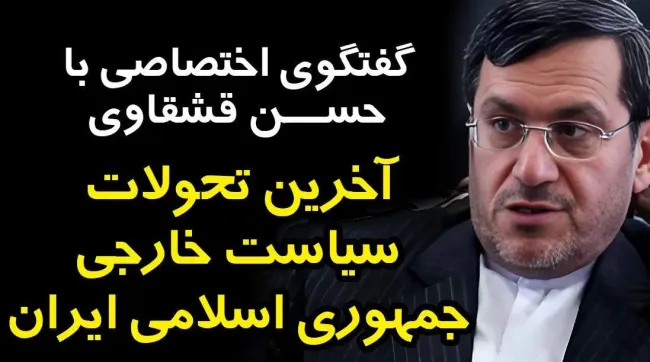
Latest developments in the foreign policy of the Islamic Republic of Iran in a conversation with Dr. Hassan Qashqavi, a former diplomat and member of the National Security and Foreign Policy Committee of the Islamic Consultative Assembly.
In a tense world and a volatile region, the foreign policy of the Islamic Republic of Iran is under the microscope of public opinion and international analysts more than ever. From complex relations with global powers to Iran's role in regional equations, these raise important questions about the goals, achievements, and costs of the Islamic Republic's foreign policy. In a situation where threats from the United States and Israel, military movements in the region, and increasing tensions in the Persian Gulf have intensified, the fundamental question before us is: how is the strategy of the Islamic Republic of Iran defined in the face of a possible confrontation? What is the outlook of the Islamic Republic's foreign policy, especially in dealing with Trump's America? Engagement or confrontation?
Read more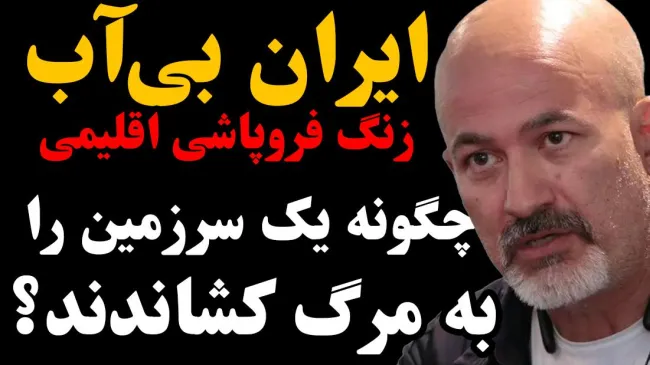
Iran Without Water; The Alarm of Climate Collapse | How Did They Drive a Land to Death? With the presence of Mohammad Darvish, Senior Expert in Environment, Rangeland, and Watershed Management, and Environmental Activist.
Iran is thirsty, not only due to lack of rain but also due to lack of thought. Not only due to water scarcity but also due to the folly of a history that has forgotten water and soil. Tehran, the capital of Iran, now stands on the precipice of absolute waterlessness. Groundwater aquifers have been emptied. We look to the sky with supplication, and officials offer pumps and reservoirs. This is our concern. In the midst of this, the main question is not how much rain we have; the question is why we have no management. Why has no one thought of the future water rights? Who decided to sacrifice the fate of a land for development? And now the bells have tolled—not for someone else, not in another country. The bell of a land's end is right here, in the heart of Iran. The water crisis has passed from a crisis to the brink of climatic collapse.
Read more

The Role of Russia in the Iran-U.S. Nuclear Agreement" with the presence of Dr. Elaheh Koulaei, Professor of Regional Studies at the University of Tehran
In this dark theater of power, the roles are not pre-written, but the life and death of nations are determined in every unspoken dialogue. Every smile behind the glass table may conceal a shadow of betrayal, and the one who remains silent may be more dangerous than the one who shouts. Here, the truth lies not in what they say, but in what they do not say.
Read more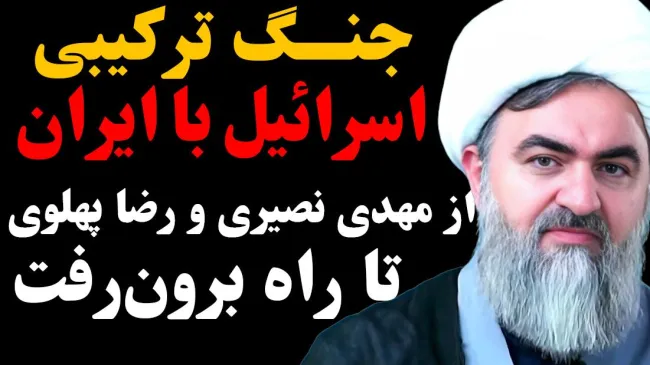
Israel's Hybrid War with Iran: From Mehdi Nassiri and Reza Pahlavi to the Way Out, featuring Hojjat-ol-Islam val-Moslemeen Mohammad-Taqi Akbarnejad, Lecturer at the Qom Seminary
Has the war ended? Or have we just entered its main phase? When the enemy no longer approaches from the border but strikes from other directions, how, who, and where does it collapse? Amidst fire and diplomacy, in a land that still smells of gunpowder, a fundamental question lies before us: How can one stand without being destroyed? How can one fight without being a warmonger?
Read more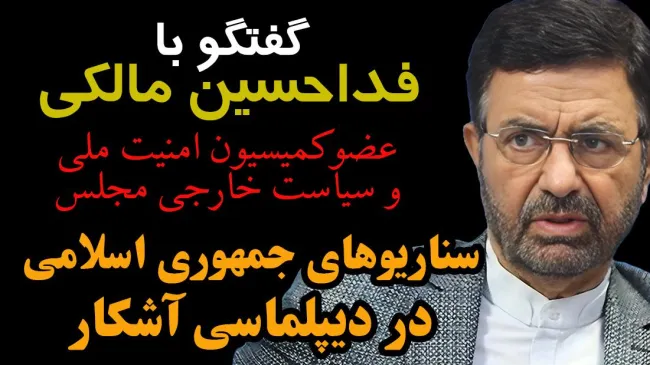
Scenarios of the Islamic Republic in Open Diplomacy with America: A Conversation with Fadahossein Maleki, Member of the Parliament's National Security and Foreign Policy Commission.
In the geometry of global power, dialogue is sometimes a tool of peace and sometimes a mask for war. The Islamic Republic, from its very first days, has defined itself in opposition to what it calls imperialism and the hegemony system—namely, the United States. But throughout all these years, behind closed doors, the power of diplomacy has always been flowing: sometimes loudly, sometimes with sealed lips. Now, on the eve of major regional and global transformations, amid economic deadlocks and increasing social pressures, and while the world is experiencing a complex America led by Trump, it is watching this period's negotiations with Iran. The fundamental question is: what scenario does the Islamic Republic have in mind for confronting the United States under Trump's leadership? Has open diplomacy replaced covert policy?
Read more
See | The Inevitable Future of the Islamic Republic; From Protesters to Power Transfer; A Conversation with Faezeh Hashemi
Is it possible to escape the future? This is a very important question: is there any escape from the future or not? History is neither sleep nor fantasy; it is a stubborn reality that sometimes shows its face in the mirror of popular protests, sometimes in negotiations behind closed doors, and sometimes in the shadow of the comings and goings of leaders and their successors. The Islamic Republic, after nearly half a century, now seems to me to be standing in a purgatory between continuity and transition.
Read more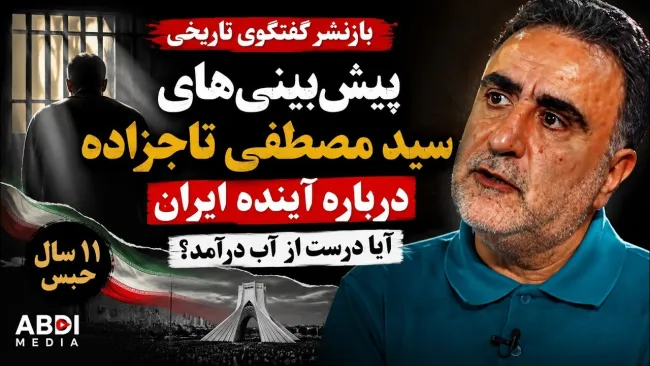
See | What future had Seyyed Mostafa Tajzadeh predicted for Iran? Reposted on the occasion of the 11th anniversary of his imprisonment.
Here it is from the YouTube channel of Abdi Media
Read more
Mehrdad Khansari: Mr. Pahlavi is not on the verge of occupying Iran or establishing a monarchy.
Such actions take time, and we must maintain our credibility.
Read more
Mehrdad Khansari: Personally, I cannot support the positions that have been announced by him.
As a fighter Iranian, I do not want him to get involved in issues that are beyond control or that contradict the position of a constitutional monarch.
Read more
Mehrdad Khansari: The program that Reza Pahlavi announced today for the transitional period is inconsistent with his previous principles.
During the years when I was alongside Reza Pahlavi, he was a democratic individual and did not fight for the restoration of the "monarchy".
Read more
Mehrdad Khansari: In the current situation, I do not see any alternative as practical in the short term.
The Islamic Republic is not on the verge of collapse.
Read more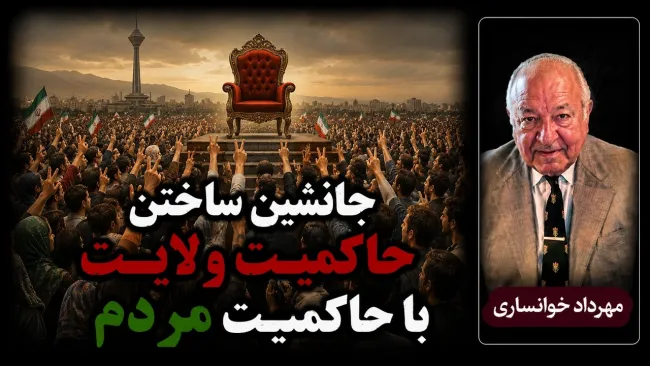
Mehrdad Khansari: The issue for which an agreement must be reached is the replacement of the sovereignty of Velayat (Guardianship of the Jurist) with the sovereignty of the people.
The sidelining of Ayatollah Khamenei has "discredited" (made ambiguous or tainted) the concept of Velayat (Guardianship of the Jurist).
Read more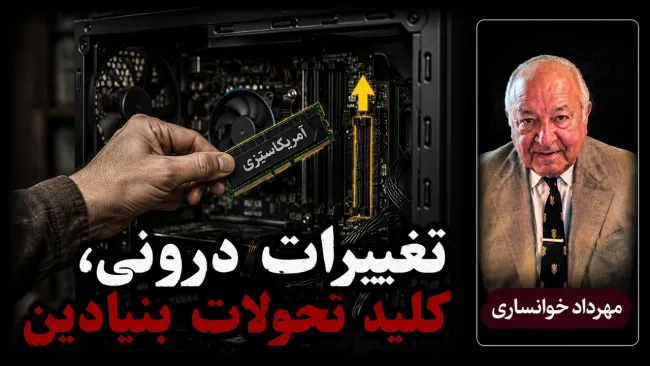
Mehrdad Khansari: Those who came with Khomeini and seized power diminished over time, and only 15-20 percent of them remain.
All the levers of power are in the hands of this 15-20 percent, and they run the country.
Read more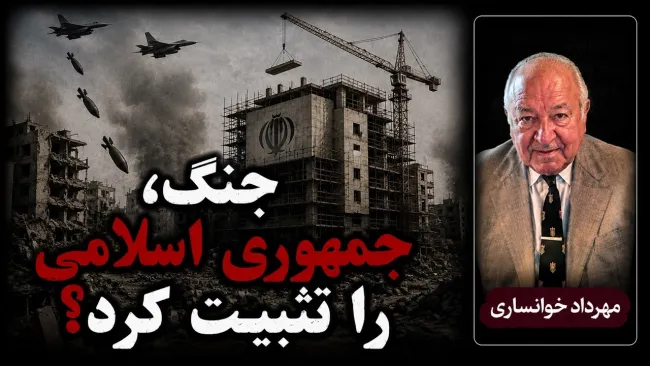
Mehrdad Khansari: In a situation that is neither war nor peace, the Islamic Republic is not more unstable.
Neither the Islamic Republic nor the US government wants to return to the battlefield.
Read more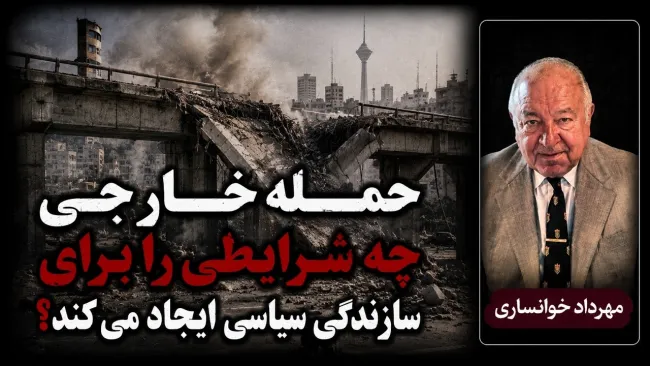
Mehrdad Khansari: A foreign attack harms the work of constructive political forces and creates conditions where many people, for national reasons, stand behind the system.
The attack on Iran was against international law.
Read more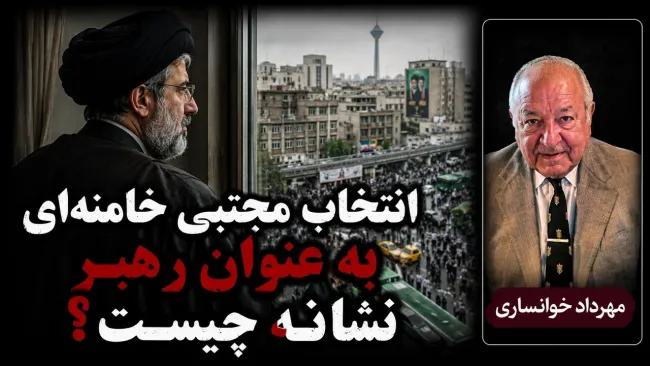
The selection of Mojtaba Khamenei as the leader of the Islamic Republic: what does it signify? An exclusive conversation with Mehrdad Khansari.
Mehrdad Khansari: The removal (or sidelining) of Ayatollah Khamenei has created a situation in which, if our nation is vigilant...
Read more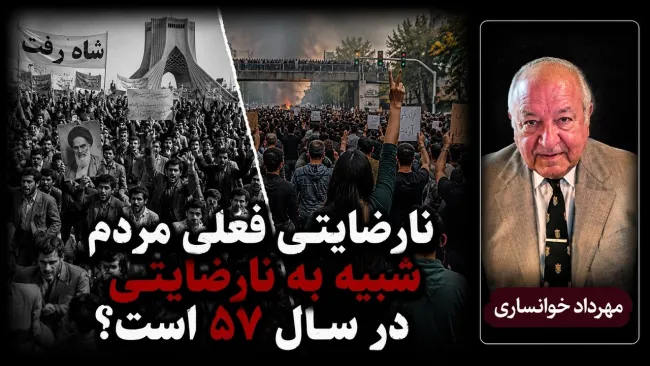
Is the current dissatisfaction of the people similar to the dissatisfaction of the people in 1979?
Mehrdad Khansari: The nature of the current dissatisfaction of the people is different from the past.
Read more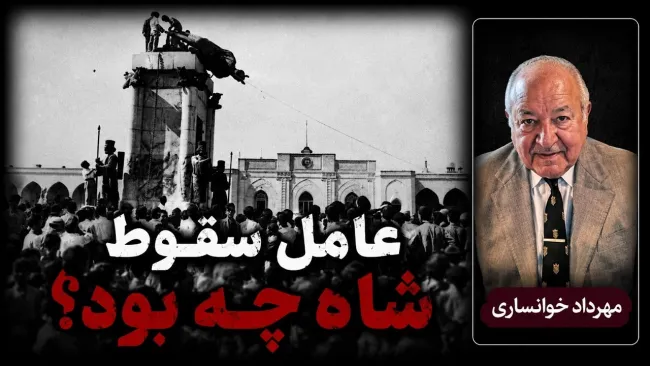
Mehrdad Khansari: The cause of the Shah's downfall was the dissatisfaction of the people.
The people wanted more political freedom, which was not available at that time.
Read more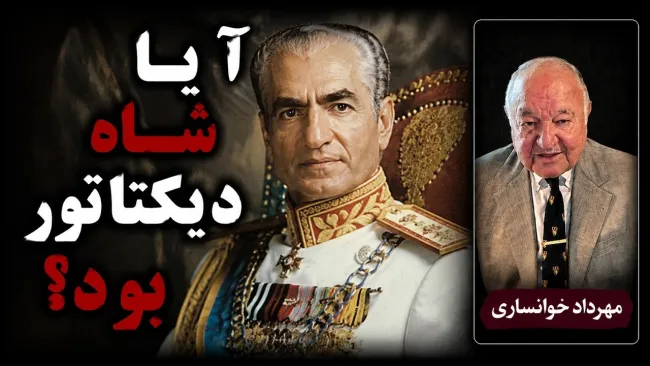
Mehrdad Khansari: The Shah was a dictator politically, but he was not a brutal dictator.
The Shah intervened in two areas: matters related to foreign policy and military matters and the defense of the country.
Read more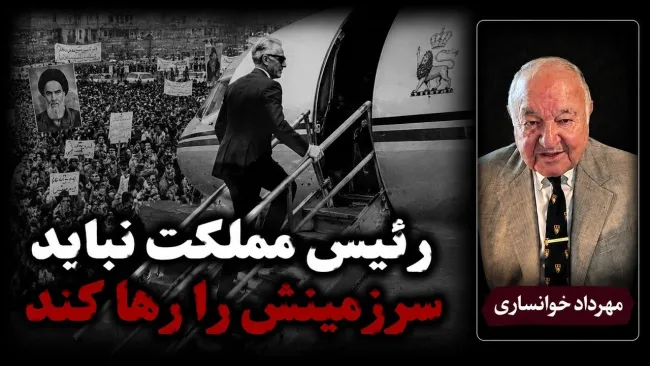
Mehrdad Khansari: One of the differences between the rule of the Shah and the current rule is that the head of the country should not abandon his land.
During the time of the Shah, dissatisfaction could be curbed by providing financial facilities to the people.
Read more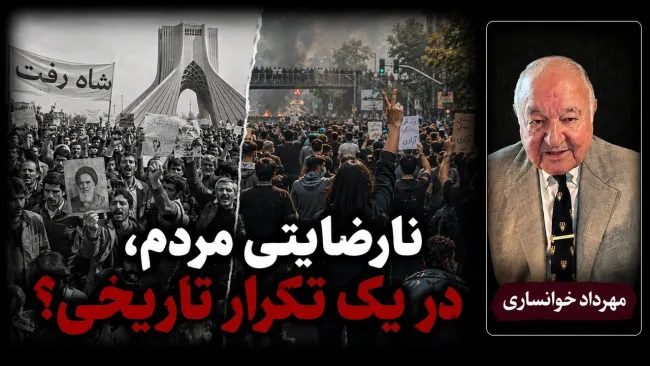
Is public dissatisfaction with the government a "historical repetition"? Exclusive interview with Mehrdad Khansari
Mehrdad Khansari: Our country, at the time when Mohammad Reza Shah came to the throne, was a poor country.
Read more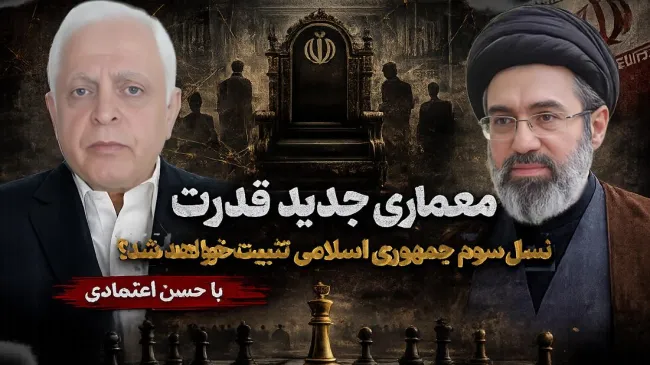
Mojtaba Khamenei and the New Architecture of Power; Will the Third Generation of the Islamic Republic Be Consolidated? A Conversation with Hassan Etemadi, Political Analyst.
It is very clear that the Islamic Republic is at one of the most sensitive historical junctures. Therefore, we are going to discuss an issue that is important for the future of Iran, and the topic of our conversation is the structure of power in Iran. We know that after the attacks that took place in recent months, and after the killing of Ayatollah Khamenei and the transfer of leadership in a very strange and extraordinary process to his son, Mojtaba Khamenei, many now believe that the Islamic Republic has entered its third generation. Although to this day, we have not seen any live voice, image, photo, or even a live signature from the new leader. Has Iran entered the era of a military-security government? And can the new architecture of power stabilize the Islamic Republic system and the nascent system of Mojtaba Khamenei, or will new crises arise?
Read more
What is the biggest weakness of the Islamic Republic? Exclusive interview with Mehrdad Khansari
Mehrdad Khansari: The biggest weakness of the Islamic Republic is the lack of development and the creation of public dissatisfaction.
Read more
Most Read
Popular reads across Abdi Media