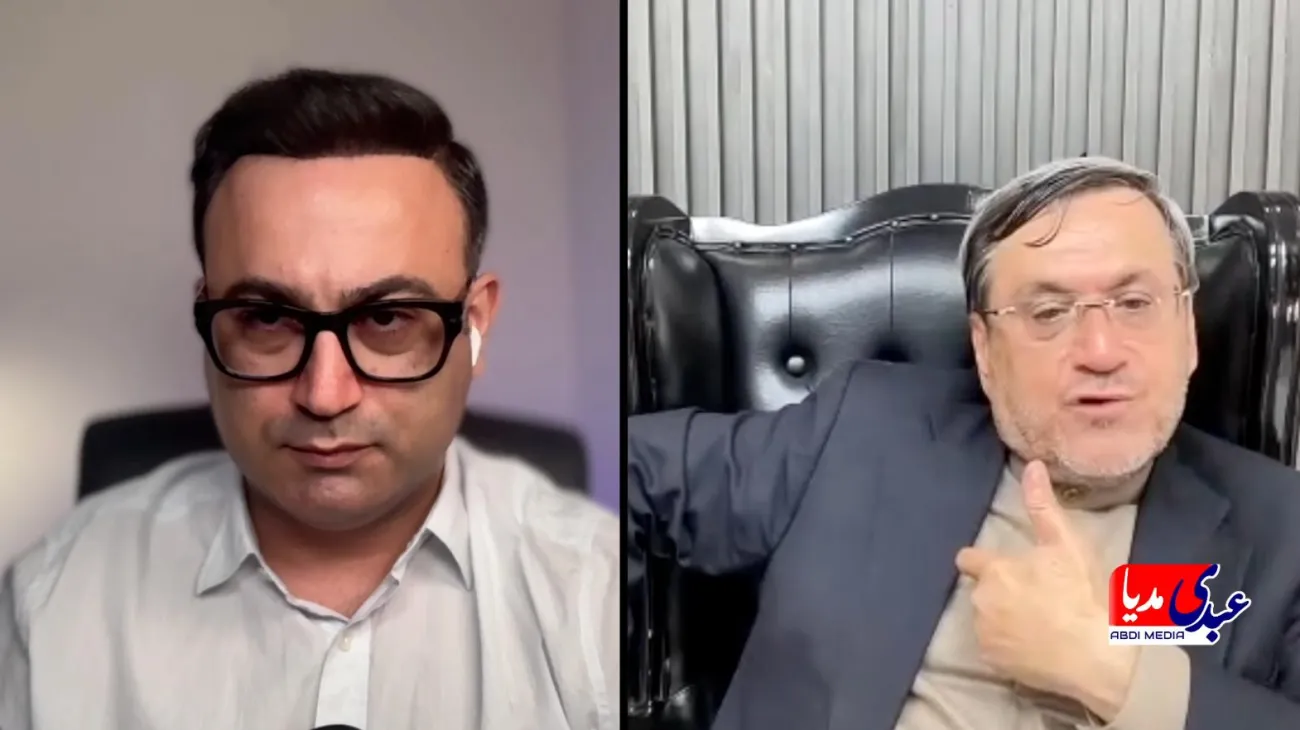
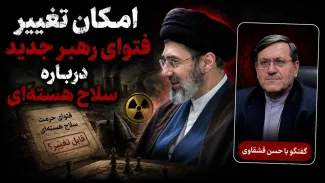
From a jurisprudential and religious perspective, it is possible that the fatwa of Ayatollah Seyyed Mojtaba Khamenei regarding nuclear weapons may differ from the fatwa of the previous Leader of the Islamic Republic.
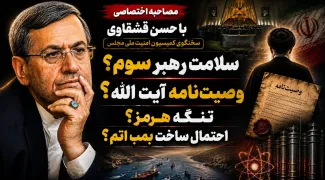
Hassan Ghashghavi, the spokesperson for the National Security and Foreign Policy Commission of the Majlis, said in an exclusive interview with Abdi Media: "From a jurisprudential and religious perspective, it is possible that the fatwa of Ayatollah Seyyed Mojtaba Khamenei regarding nuclear weapons may differ from the fatwa of the previous Leader of the Islamic Republic." He also emphasized that following the recent war, the groundwork for a shift in Iran's nuclear strategy has become more established than before among a segment of the political elite and in the Majlis.
In response to a question from Abdollah Abdi about the possibility of a change in the Islamic Republic's nuclear doctrine after the change in leadership, Ghashghavi stated that a fatwa, even in religious and personal matters, can differ when the source of emulation changes.
He said: "If you ask me whether this possibility exists, I say that from a Sharia perspective it does exist; jurisprudentially, it is possible that the fatwa of our current Leader may be different."
The spokesperson for the National Security Commission further noted, referring to Ayatollah Seyyed Ali Khamenei's fatwa on the prohibition of nuclear weapons, that in order to determine the future policy of the Islamic Republic in this regard, the opinion of the current Leader must be clarified.
Ghashghavi added: "Until we obtain the Leader's fatwa and opinion, we cannot really say anything definitively."
He also confirmed that at present, it cannot be stated with certainty whether the Islamic Republic will move toward building nuclear weapons or not.
In this interview, Abdollah Abdi asked Ghashghavi whether there is a specific strategy in this regard in the new leadership period, to which he replied: "Not at the moment."
Ghashghavi then said: "I cannot honestly say right now whether we are going for the bomb or not."
The Groundwork for a Nuclear Strategy Shift "Exists"
In another part of his remarks, the spokesperson for the National Security and Foreign Policy Commission said that Iran's political atmosphere has changed compared to the past after the recent war, and that there is now greater readiness in parts of the political structure and the Majlis to review a shift in nuclear strategy.
He said: "The groundwork for shifting our nuclear strategy exists within the society's elites; it exists in various parts of our political factions, and it exists in the Majlis."
Ghashghavi also stated that if in the future the Leader of the Islamic Republic decides on Iran's withdrawal from the Nuclear Non-Proliferation Treaty (NPT), in his view, the majority of the Majlis would support such a decision.
He clarified: "If the public interest of the country and the Leader's decisions are inclined toward our withdrawal from the NPT, the Majlis I see would vote in majority for it."
Ghashghavi further raised the possibility of very swift approval of such a decision, stating that if a change in the opinion or fatwa of the Leader of the Islamic Republic is determined, the Majlis could review the issue of withdrawing from the NPT with the highest urgency.
"The War Has Changed Perspectives"
In explaining the current shift in atmosphere, Ghashghavi said that discussions about Iran's access to nuclear weapons are not limited to military forces or a single political faction, and that following the recent war, such a view has also been strengthened among segments of the political elite.
He also noted, referring to his experiences during his diplomatic mission in European countries, that in recent years there has been a difference between the official stances of European governments and the views of some academics and intellectuals regarding Iran's nuclear program.
According to Ghashghavi, while the official position of European countries has always been opposed to Iran's acquisition of nuclear weapons, he has encountered individuals in academic circles who argued that Iran's possession of nuclear deterrence could prevent war.
However, the spokesperson for the National Security Commission emphasized that in the current situation, the final decision regarding a change in the Islamic Republic's nuclear doctrine has not yet been announced.
Ghashghavi's remarks are significant because for the first time since the change in leadership of the Islamic Republic, a senior member of the Majlis National Security Commission has explicitly spoken about "the jurisprudential possibility of a change in the fatwa on nuclear weapons, the existence of a political groundwork for a shift in nuclear strategy, and the likelihood of Majlis support for Iran's withdrawal from the NPT."
Watch the full interview on the Abdi Media YouTube channel.
Take less than a minute, register and share your opinion under this post.
Insulting or inciting messages will be deleted.
Sign Up