
Politics
Justice Sacrificed to Statistics; When Judicial Cases Are Turned into Numbers
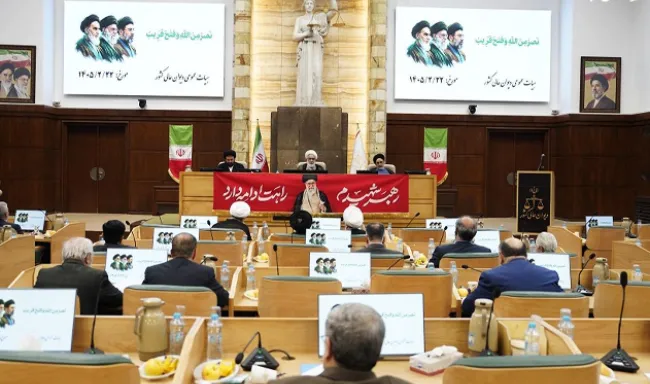
Can justice be measured by the number of closed cases? Should a judge be concerned with enforcing the law or with meeting a statistical quota set by the managers of the judicial apparatus?
Read more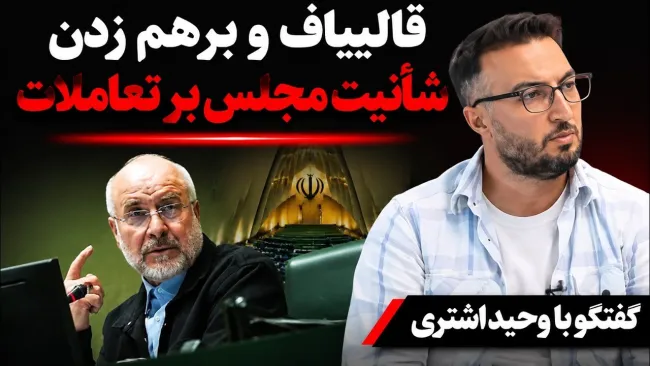
Vahid Ashtari: Mr. Ghalibaf, with the totality of his work and placement of pieces in the country, has fundamentally destroyed the Parliament's dignity for interactions!
My main objection is to the governance mechanism in the country; the parliament must remain as an independent institution.
Read more
A question to Vahid Ashtari about the Zaviyeh Financial Group and why media activists and justice-seeking activists have not addressed this group
Read more
Vahid Ashtari's lack of awareness of the existence of the Office of Policy-Making and Strategic Oversight of Armed Forces Intelligence Protection, and even of who heads that office!
Read more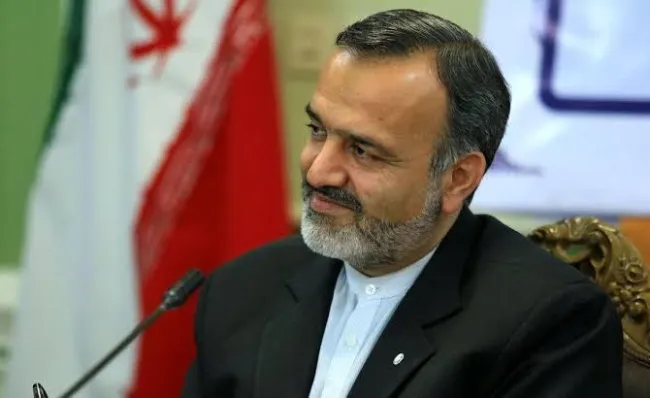
Who is the first Minister of Intelligence during the third leadership era?
Is it possible that Alireza Rashidian is one of the veteran personnel of VAJA who has climbed the promotion hierarchy within this system all the way to the position of Deputy Minister, and is currently the head of the Hajj and Pilgrimage Organization
Read more
Twitter responses on November 7
Read moreTwitter responses on November 6
Read more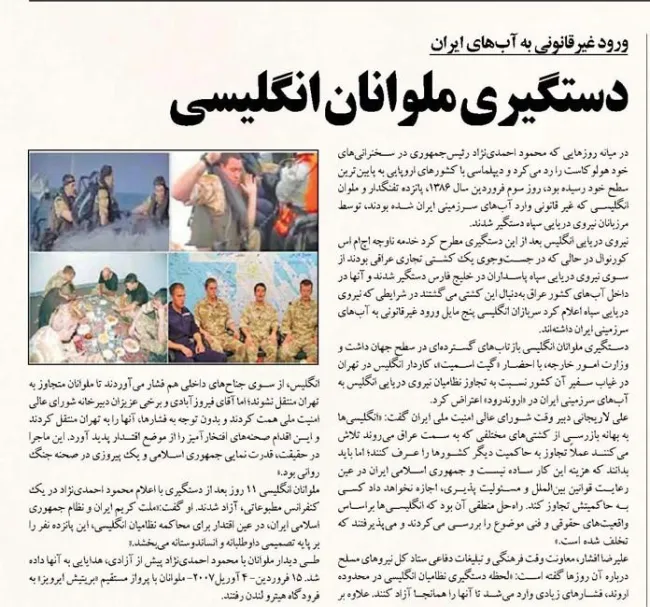
Detention of British forces without the permission of Ayatollah Seyyed Ali Khamenei?
On July 1, 2004, Islamic Revolutionary Guard Corps forces seized three British Navy patrol boats and detained eight British military personnel, including six Royal Marines and two sailors.
Read more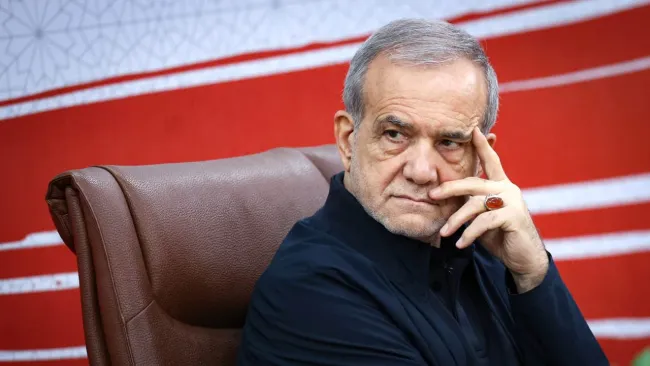
Very special / Mr Dr Masoud Pezeshkian President and Head of the Supreme National Security Council
The correct matters these days, and interactions and understandings with the country/countries involved and related, which of course, in order not to disrupt the process of negotiations and understandings at the highest level, I will not mention any of these matters.
Read more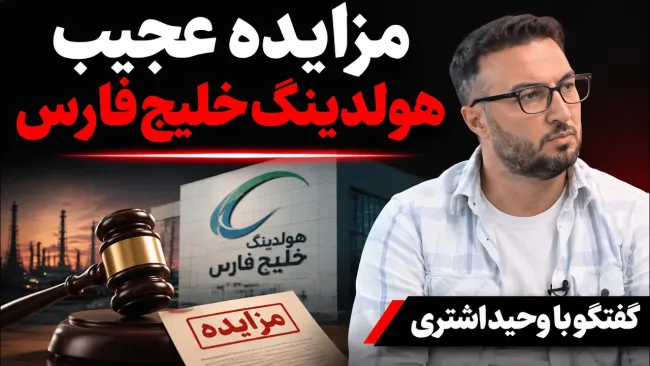
Vahid Eshtari: Mr. Ghorbanzadeh, with no relevant experience whatsoever، suddenly became head of the Privatization Organization!
12 percent of the shares of Persian Gulf Holding constituted the largest auction in the history of the Islamic Republic, which was conducted during Mr. Ghorban-Zadeh's tenure.
Read more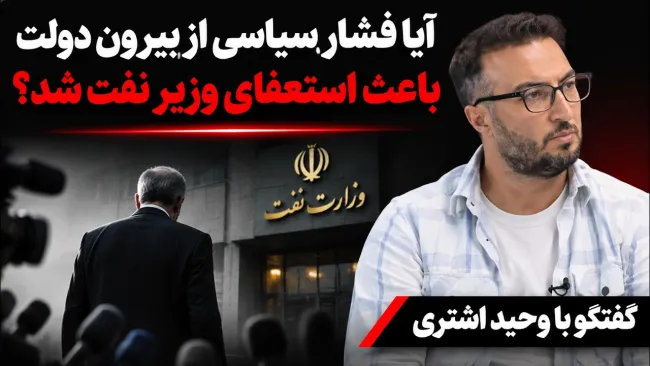
Did political pressure from outside the government cause the oil minister to resign؟ Conversation with Vahid Ashtari
Vahid Ashtari: The Minister of Oil gets into a confrontation and resigns due to the various disputes and the change in his approach to oil sales.
Read more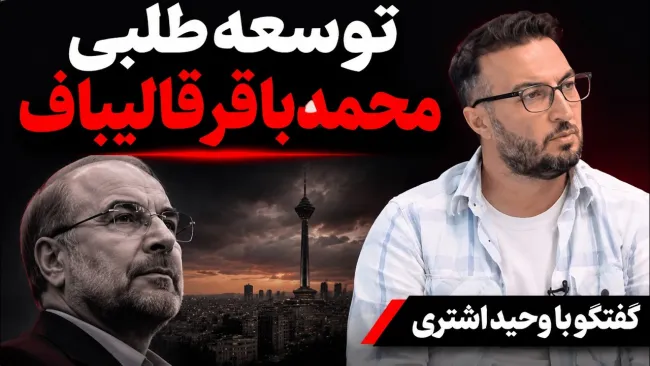
Vahid Ashtari: Mr. Ghalibaf, in the middle of the impeachment of the Minister of Economy, took over one of the wealthy institutions of the Ministry of Economy, the Organization for Collection and Sale of Acquired Property.
This is the expansionism of the Speaker of the Parliament.
Read more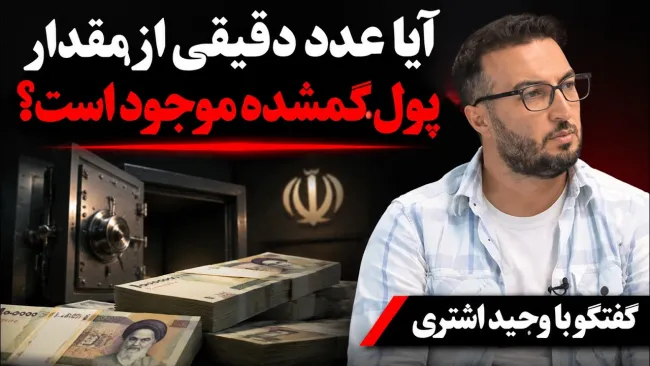
Is there an exact figure for the amount of money that went missing? A conversation with Vahid Ashtari
Vahid Ashtari: The secretary of the Council of Heads gives one figure, the oil minister rejects it, then the Central Bank presents a completely different figure!
Read more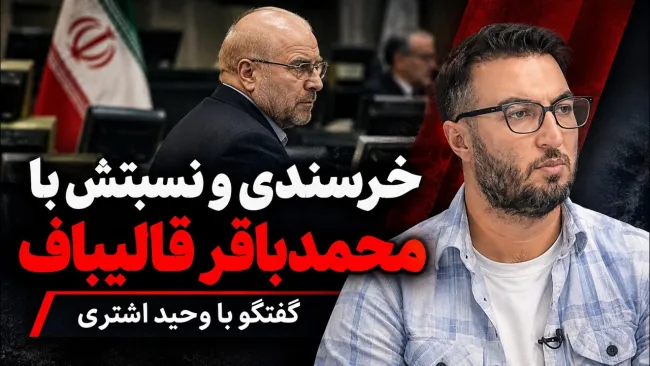
Vahid Ashtari: Mr. Ghalibaf takes an unknown individual whose name and position no one knows as his representative in the seven-member supra-level working group.
On behalf of Mr. Ghalibaf, an individual named "Khorasandi" is present who has a family relationship with the country's officials; he is a member of the charity of Mr. Ghalibaf's wife.
Read more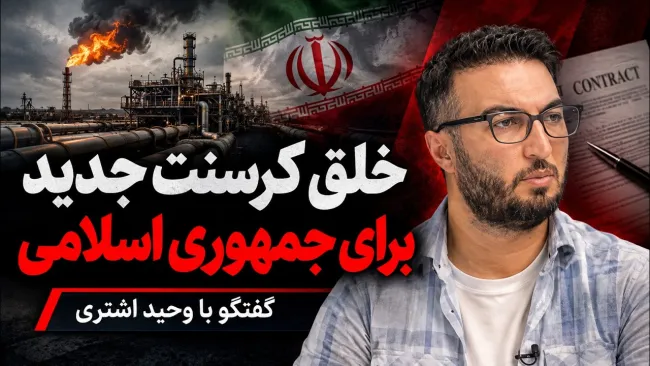
Vahid Ashtari: The entire amount of money being negotiated with America regarding the release is 6 billion dollars; we have 11 billion dollars in sediment in the hands of our own trustees.
A new Crescent is being created for the Islamic Republic.
Read more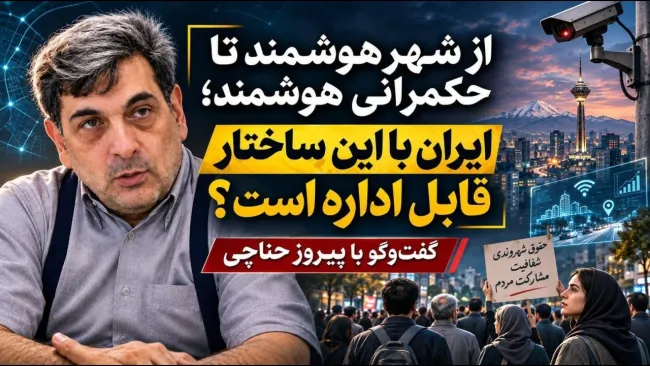
See | From Smart City to Smart Governance; Can Iran Be Governed with This Structure? A Conversation with Pirouz Hanachi.
From the Abdi Media YouTube channel.
Read more
A question: Which of the current living major generals will Seyyed Mojtaba Khamenei, the Commander-in-Chief, grant the first rank of lieutenant general to?
Read more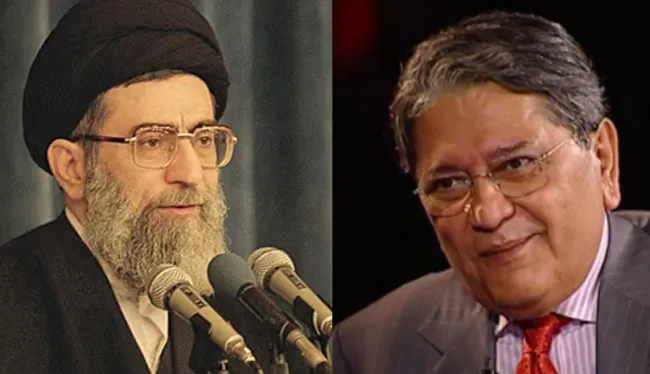
It seems that in 2004, Alireza Nourizadeh, a politician and political-media activist residing abroad, wrote a letter directly to Ayatollah Seyyed Ali Khamenei.
And this letter also reaches the person of Ayatollah himself, and according to the account of the person of the then Leader of the Islamic Republic.
Read moreTwitter responses of November 5.
Read more
Once again I deliberately pose my question: why has Mr. Mohammad Bagher Ghalibaf, in the masthead of his user account, introduced himself as "a soldier of the martyred Imam" and not a soldier of the "current Imam" or,
or, as it is put, the "wise Imam," or at least the "two Imams"?
Read more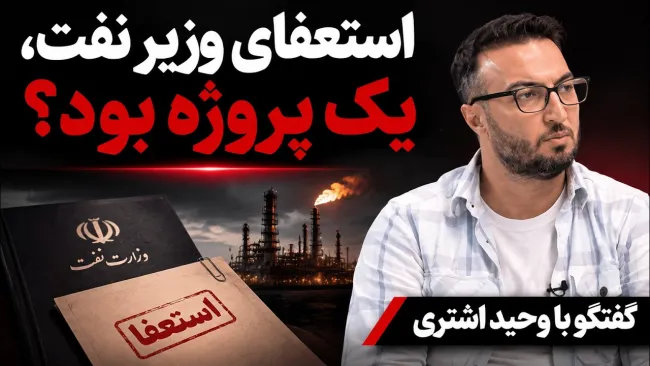
Vahid Ashtari: I see a chain of events that have occurred in a mafia-like manner; I consider this part of that reporting that has been fabricated to bring down Mr. Pezeshkian's oil minister.
Is there no official report on how much the debts are?
Read more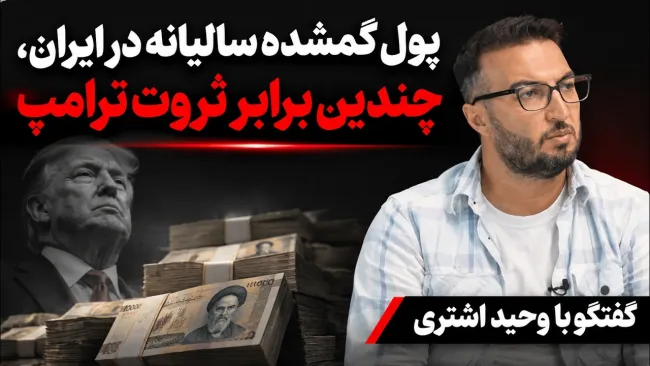
Vahid Ashtari: Trump's entire wealth is estimated at 5 to 7 billion dollars; in the span of 2-3 years, more than Trump's wealth is in the hands of the gentlemen!
I consider the reality of the country "more chaotic" than these words.
Read more
Vahid Ashtari: The decisions of the Supreme National Security Council have certainly been approved by the Leadership, and it cannot have happened without the Leadership's responsibility.
When matters become security-related, you do not know what subjects have a resolution!
Read more
Now read my question from two and a half years ago, which has been preserved in the Abdi Media archive, as I had written.
A 'probable' but extremely important question
Read moreTwitter responses on November 3
Read more
Vahid Ashtari: Special rents should not be created in the name of confidentiality.
We have four trustee individuals who have free credit!
Read more
Kourosh Ahmadi: If the war enters the phase of destroying infrastructure, I think the system will have the ability to preserve itself.
Those who are the leaders of the opposition must think more carefully; we were faced with people who, in every matter, imagined simplistically.
Read more
Kourosh Ahmadi: In addition to a full-scale war and a diplomatic agreement, there is a third scenario: the continuation of the naval blockade.
The element of surprise is at play in war; it is possible that today or tomorrow there will be talk that negotiations are progressing, but contrary to everyone's expectation, we may witness a full-scale war!
Read more
It seems that the building of the Jomhouri Eslami newspaper, which was put into operation in 2004 in the vicinity of Baharestan Square in Tehran, was the former location of the Iran Novin Party.
With about 5,000 square meters, it was given to this newspaper free of charge, and the building was also constructed with the help of the 15th of Khordad Foundation!
Read more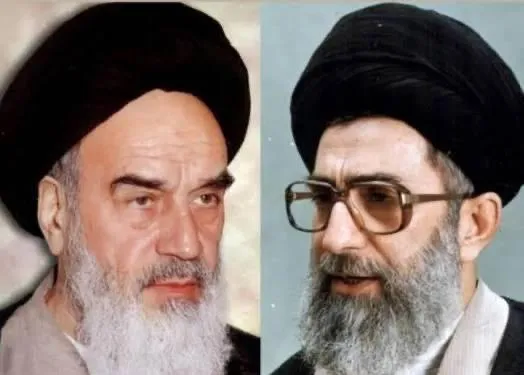
Exclusive — Ayatollah Seyyed Ali Khamenei's opposition to lamentation and chest-beating for the founding Leader.
On the sidelines of the annual commemoration ceremony of the founding Leader of the Islamic Republic in 2004, Ayatollah Khamenei, upon seeing the lamentation and chest-beating for Ayatollah Ruhollah Khomeini, says to Akbar Hashemi Rafsanjani.
Read moreTwitter responses on November 1
Read more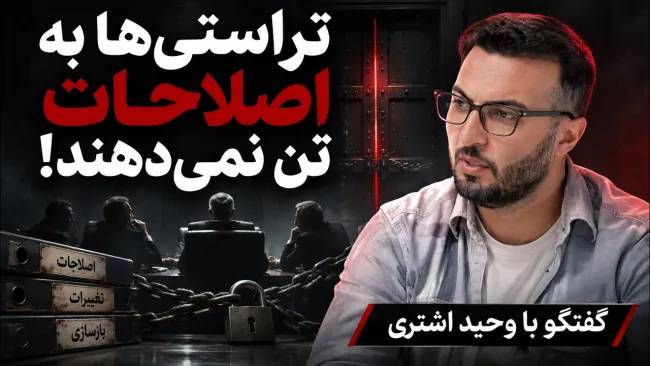
Vahid Ashtari: Some officials, in the sanctions mechanism, were thinking of fattening their children; their children reached 70-80 oil tankers.
I hold no sanctity for these individuals.
Read more
Kourosh Ahmadi: The system of the Islamic Republic of Iran is very complex and multi-layered.
Decision-making in a multi-layered system causes the complexity of the matter.
Read more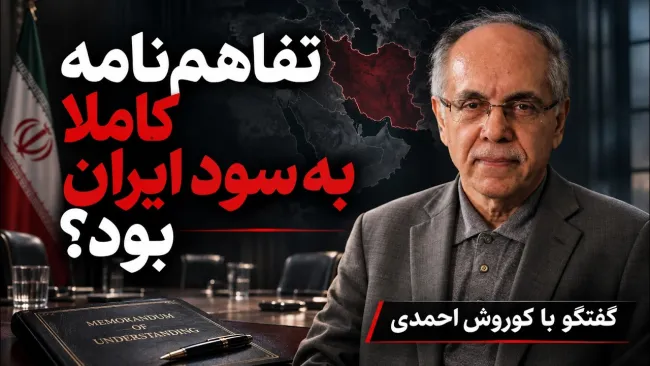
Kourosh Ahmadi: The memorandum of understanding was nearly one hundred percent in Iran's favor; if 50 percent of this memorandum of understanding had been implemented, it would still have been in Iran's favor.
It was appropriate for us to act in a way that would strengthen Trump's hand against his rivals in America.
Read more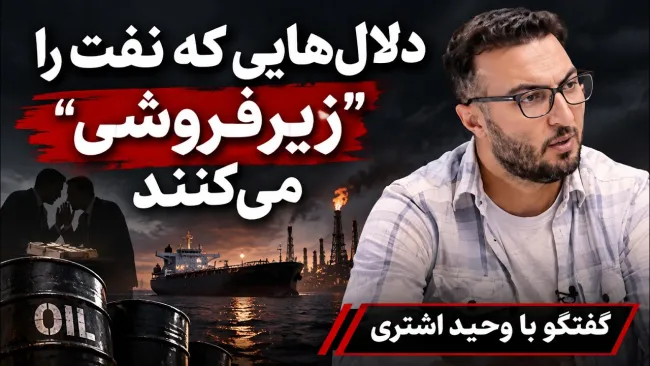
Vahid Ashtari: Mr. Shamkhani's son is known as the Grand Trustee of the Islamic Republic.
The country's security officials were placed on the oil sales chair; a security process began that shut down oil and oil trade.
Read more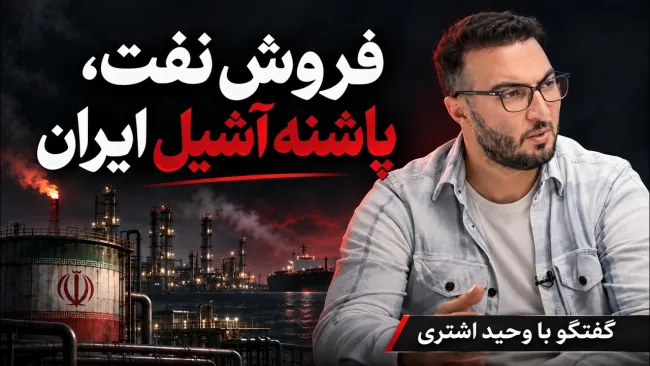
Vahid Ashtari: Corruption began from the place where they were giving oil to the institutions!
Iran's Achilles' heel can be the problems of selling oil.
Read more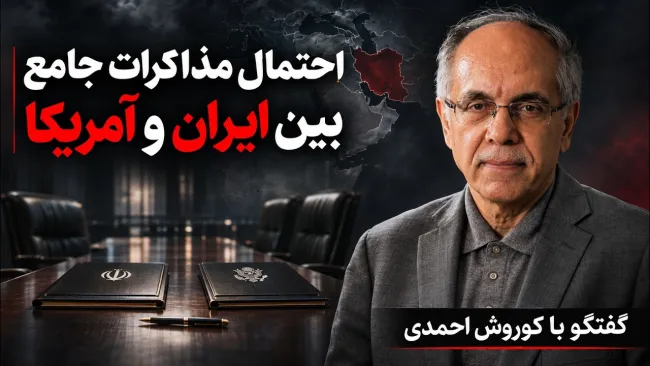
Kourosh Ahmadi: In diplomatic dealings, if an understanding is reached, the parties will make accommodations for each other; the parties can also agree with each other on the manner of announcing the agreement.
There is no expectation from Trump; Trump is extremely unbalanced, and his words are not much of a basis.
Read more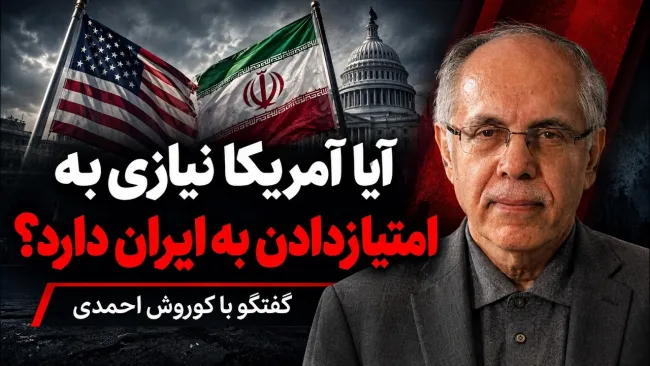
Kourosh Ahmadi: The extremist currents that were saying the memorandum of understanding is a betrayal were wrong.
The two sides' views (in the negotiations) are close to each other.
Read more
Kourosh Ahmadi: The slogan they are chanting against the negotiations، is a completely wrong idea
The foreign power that opposes diplomacy is Israel.
Read more
Kourosh Ahmadi: The only side they believe benefits from the war is the far-right in Israel.
Their first goal is to prevent the formation of a Palestinian state.
Read more
Mr. Mohammad Eskandari Nia, known as Abudiyar al-Khuzi, an effective member of the Zavieh Financial Group.
I completely understand the reason for your anger and agitation. Of course, I have not said anything yet; I merely asked a few simple questions.
Read moreTwitter responses of October 31
Read moreTwitter responses of October 30
Read more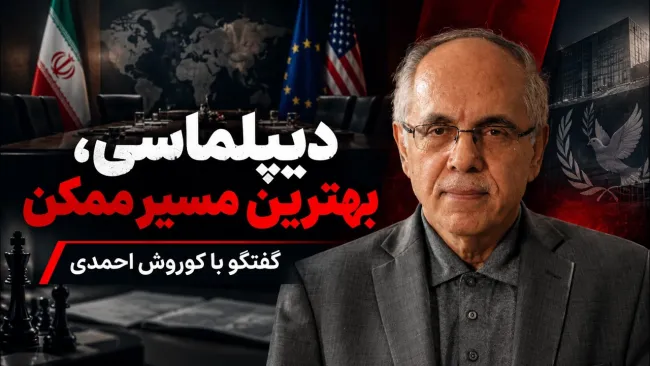
Kourosh Ahmadi: The best path for both sides is diplomacy.
If they are to strike Iran's infrastructure, perhaps the officials of the Islamic Republic will not set any limits for themselves.
Read more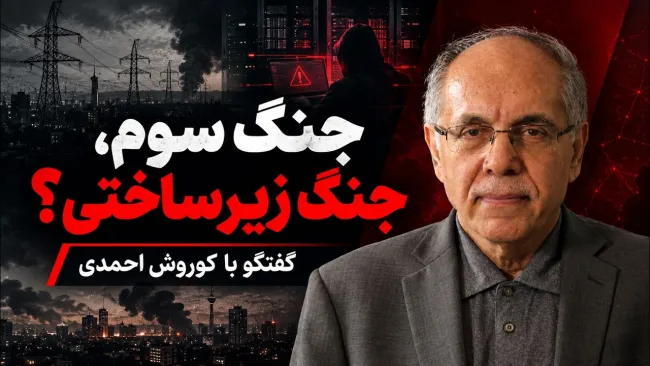
Kourosh Ahmadi: If a third war is to be imposed, the targets may be energy infrastructure; to force Iran's political system to retreat!
An important deterrence for Iran is the threat of attacking the infrastructure of neighboring countries.
Read more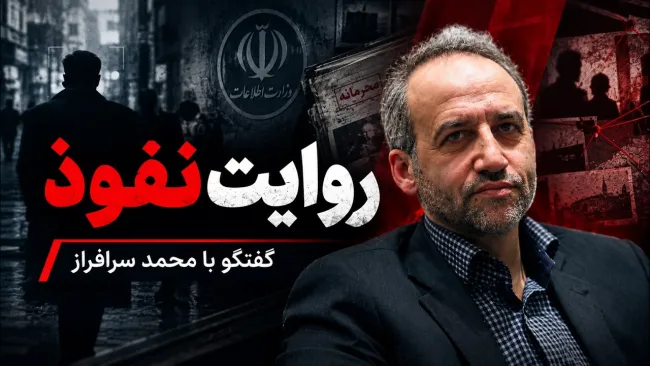
Mohammad Sarafraz: As long as infiltration exists, we cannot carry out fundamental reforms in the country.
Infiltration has had so much power that people who are useful anywhere do not get placed there, and those who are useless come to power.
Read more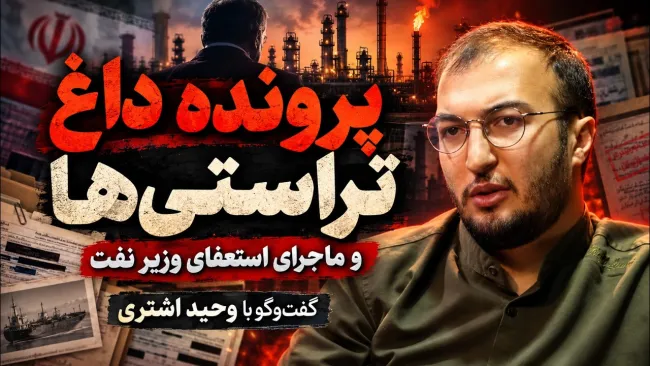
See | The Hot Case of the "Trustees" and the Story of the Oil Minister's Resignation: A Conversation with Vahid Ashtari
From the Abdi Media YouTube channel.
Read more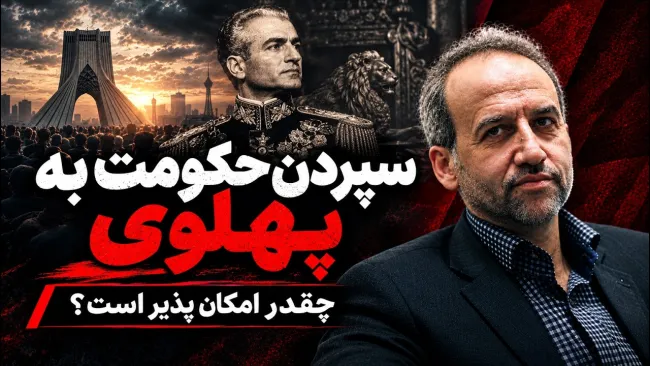
Mohammad Sarafraz: That the government of Iran be entrusted to the Shah's son is not at all possible.
That individual who is now sitting in America and has been away from Iran's affairs for 50 years, therefore has no solution for the country.
Read more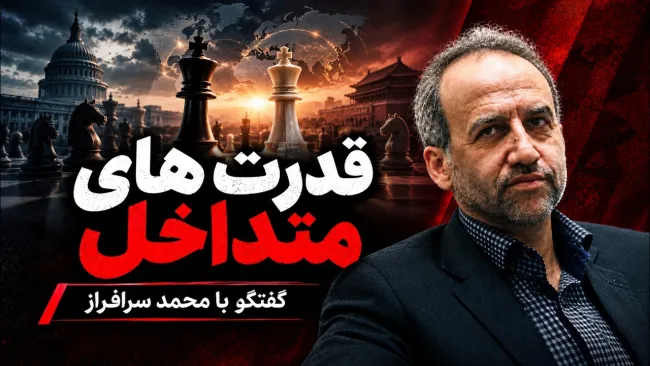
Mohammad Sarafraz: Power has in a way become distributed and overlapping.
What the majority of society do not accept and do not trust will not reach a conclusion.
Read more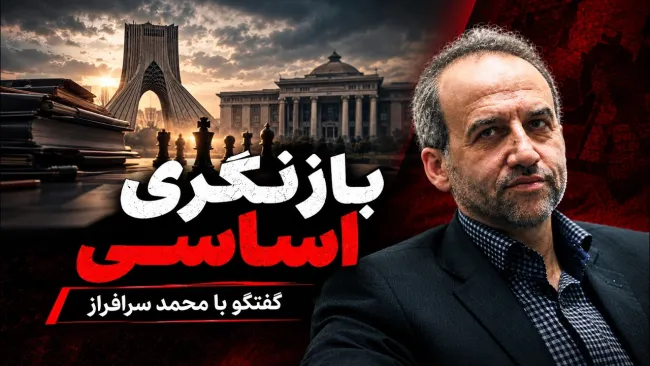
Mohammad Sarafraz: I will not enter into the executive methods for now; I believe there is no way forward for this country, except for a "fundamental review"
In every field, problems are piling up on top of each other.
Read more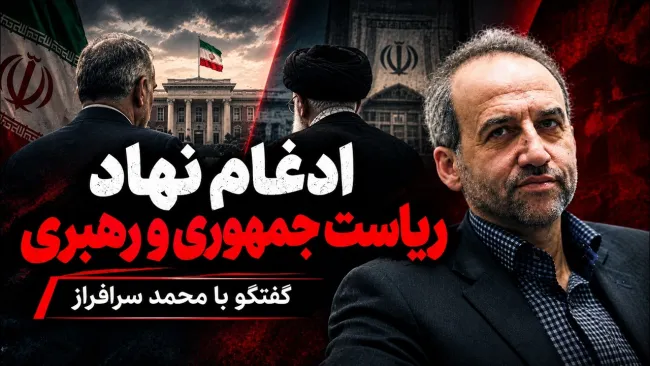
Mohammad Sarafraz: If the fight against corruption is to be carried out in a real way, it must start from the highest levels.
In a way, the institution of the presidency and the leadership must become an executive body.
Read more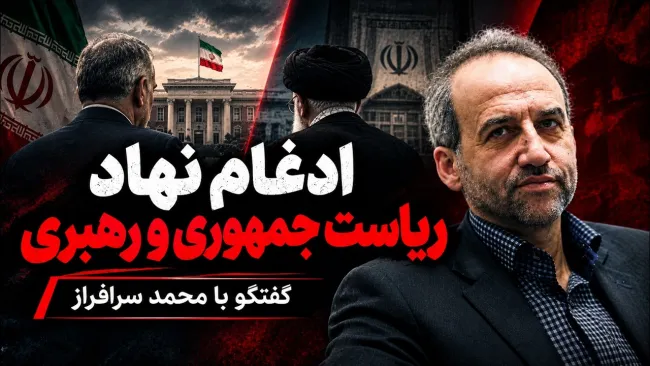
Mohammad Sarafraz: If the fight against corruption is to be carried out in a real way, it must start from the highest levels
In a way, the institution of the presidency and the leadership must become an executive body.
Read more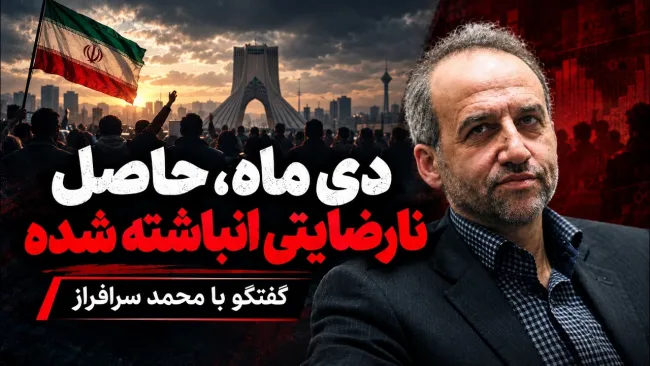
Mohammad Sarafraz: Last year the country was in special conditions; the price of currency and gold increased in a way that had no precedent.
Those slogans in Dey were from a limited group; this collection is the result of accumulated dissatisfaction.
Read more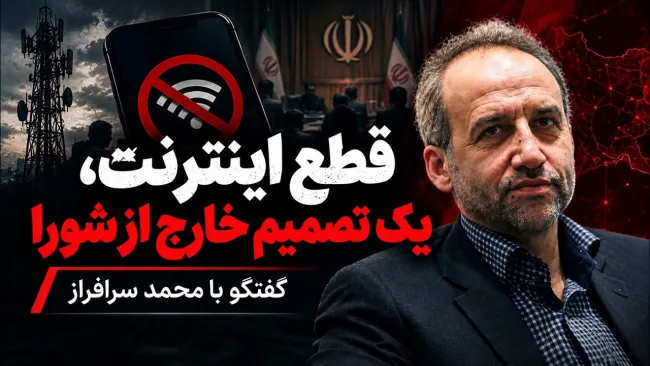
Mohammad Sarafraz: That we should take charge of all matters related to the internet and cyberspace inside the country is not at all possible.
A current that has great influence in the parliament and outside the parliament was seeking to advance everything with prohibition and restriction; this is a policy that has continued!
Read more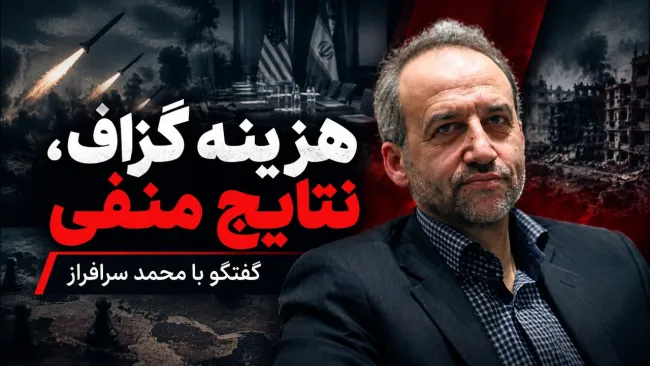
Mohammad Sarafraz: They spend exorbitant costs and get very little result!
In 2016, many of the statistics they used to publish with great fanfare, gradually they classified the statistics as confidential!
Read more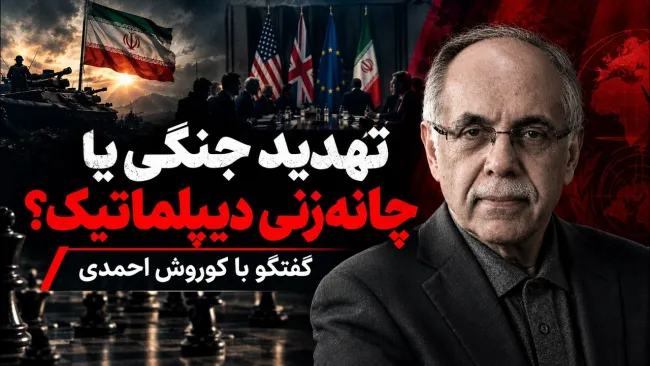
Kourosh Ahmadi: The deployment of ground forces is, with near certainty, not on America's agenda.
At this juncture, we are facing the threat of war.
Read more
Kourosh Ahmadi: In the past, we had never seen a US president to this extent confront the system and international law.
Over the past 300 years, we have witnessed the honoring and development of international law.
Read more
Mohammad Sarafraz: Corruption has increased; there is ambiguity or overlap in the responsibilities of individuals; there is a supervisory vacuum for part of the governing institutions.
Now the president cannot claim that "I am the enforcer of the constitution"; especially during the war, this structure has undergone changes.
Read more
Mohammad Sarafraz: Many quotes are attributed to him (the third Leader); for a seven-hour meeting, many matters must have been discussed, but nothing has been quoted, and they emphasize more on marginal issues.
In such conditions, everything is possible.
Read more
Mohammad Sarafraz: {Sayyid Mojtaba Khamenei} is the commander-in-chief, and who is the spokesperson for the commander-in-chief? Himself or his spokesperson?
Compared to the way people had become accustomed to the presence of the leadership over the past 47 years, a certain vacuum has emerged.
Read more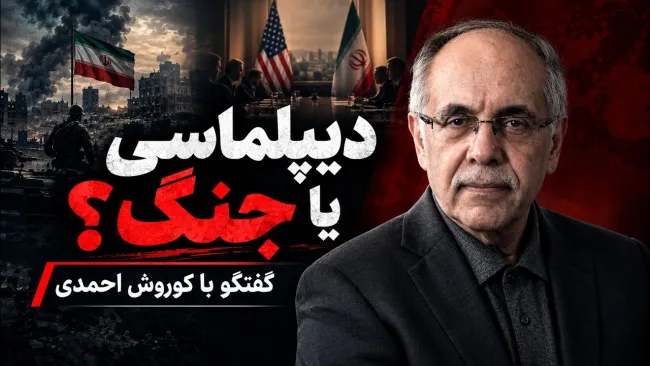
Kourosh Ahmadi: Another full-scale war is possible but at the same time avoidable.
The only scenario ahead is not war; one scenario is diplomacy.
Read more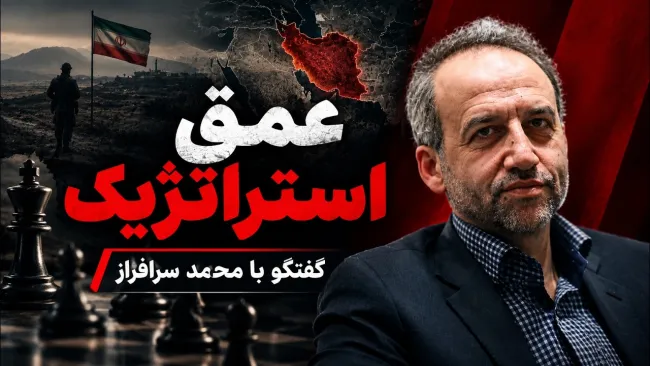
Mohammad Sarafraz: "Strategic depth" was not realized.
Not only has the danger of war not been eliminated, but it is even possible that the war could expand toward the land borders.
Read more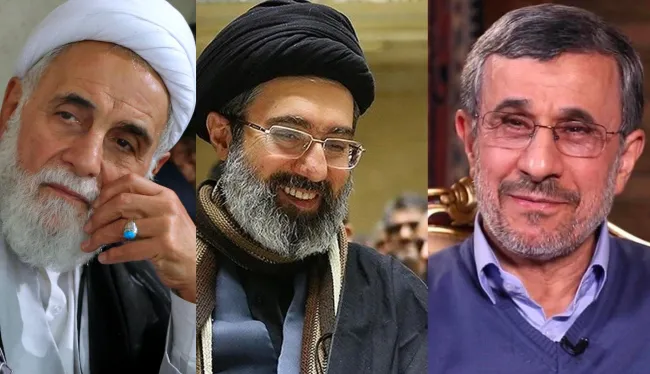
Exclusive — Contrary to the common rumor that says Sheikh Mehdi Karoubi, in a meeting with Ayatollah Khamenei, heard from the second Leader that Seyyed Mojtaba Khamenei is not an "Aghazadeh"; rather, he is an "Agha."
Based on Abdi Media's solid findings, the correct account is this:
Read moreTwitter responses on October 26
Read moreTwitter responses on October 24
What is the meaning of not referring to being a soldier of the present Leader?
Read more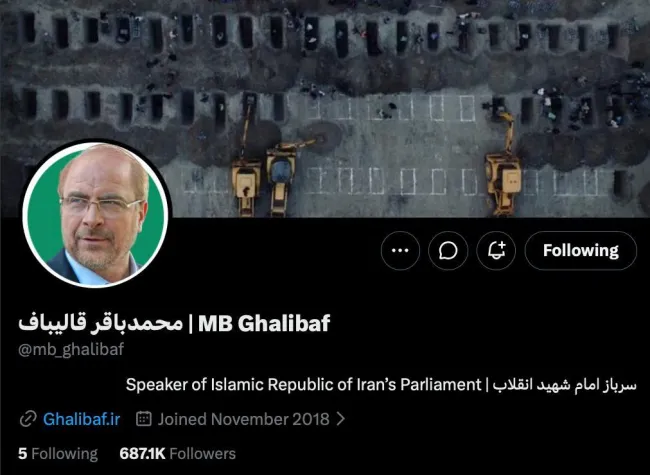
Are the administrators of Mohammad Bagher Ghalibaf's user account aware that they have introduced him merely as a soldier of the martyred Imam?
What is the meaning of not referring to being a soldier of the present Leader?
Read more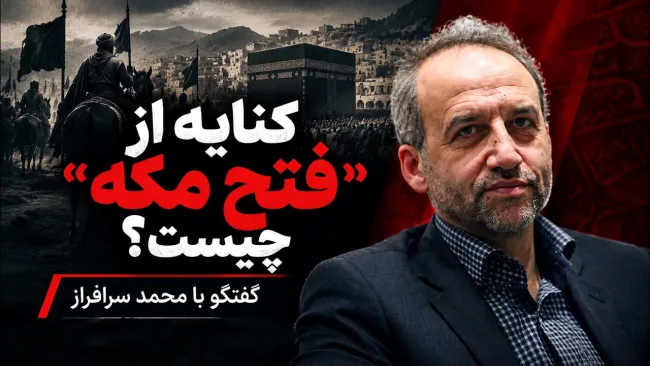
What is the allusion to "the Conquest of Mecca"? Mohammad Sarafraz, member of the Supreme Council of Cyberspace, answers!
A conversation with Mohammad Sarafraz, former head of the Islamic Republic of Iran Broadcasting (IRIB) and member of the Supreme Council of Cyberspace.
Read more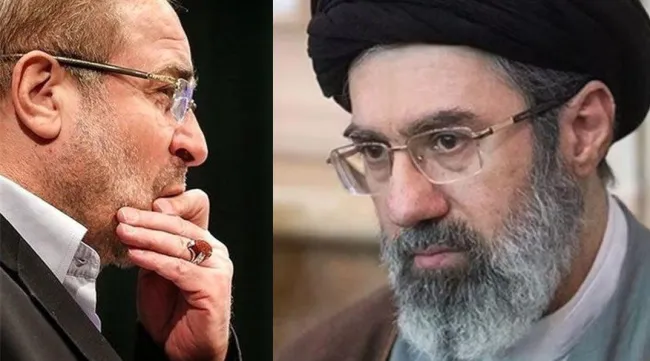
Yesterday evening's meeting between Mohammad Bagher Ghalibaf and the Leader of the Islamic Republic and Commander-in-Chief of the Armed Forces will likely have outcomes that will be implemented and manifest themselves starting next week.
Although with understandable considerations, the office of the Leader of the Islamic Republic and Qalibaf himself did not see fit to make even a portion of the details public, and perhaps these details will remain sealed.
Read more
Trump's response to reporters' questions about the status of negotiations with Iran
It seems most people think it is after the elections
Read more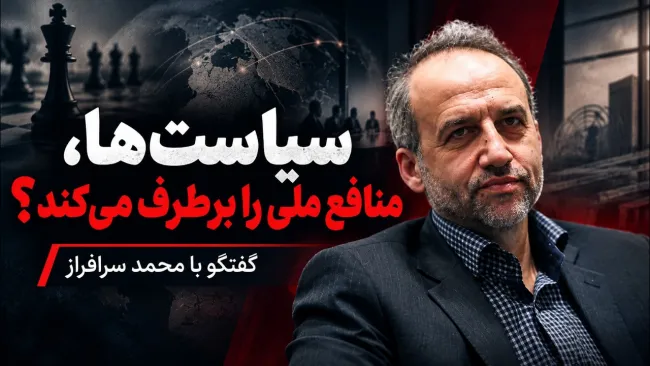
Mohammad Sarafraz: The relationship between policies and national interests is challenging; can these policies serve national interests?
National interests are a set of long-term goals.
Read more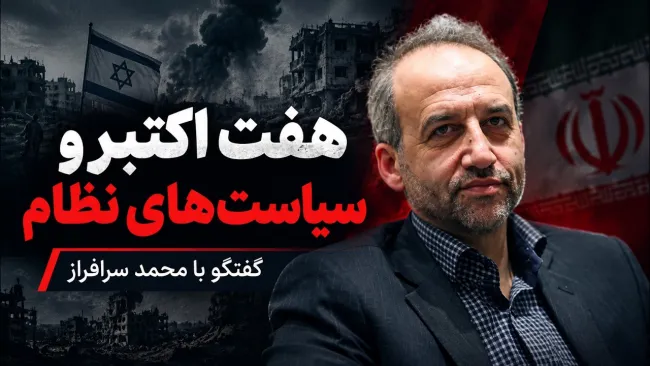
Mohammad Sarafraz: October 7 is part of the outcome of the Islamic Republic's policies in confronting Israel
China wants to test its weapons through Iran.
Read moreTwitter replies on October 21
Read moreTwitter replies for October 20
Read more
You remember my questions, don't you؟ Asadollah Masoudi Maqam, after his release=retirement from the Judiciary=Supreme Court, went on to head the Legal Affairs and Claims Collection Deputyship of the Melal Financial Institution...
And there, while handling legal affairs, he also collects the institution's receivables.
Read more
"Rah va Rahavard (An Experience-Narrative of a Life)" by Mohammad Kianoush-Rad – Part One
Life must be approached with a "Janus-faced" attitude. A look at the past and a look at the future.
Read moreTwitter replies on October 18
Read more
That man is in this market and the media waves in Iran; what is this noteworthy sign caused by?
Read more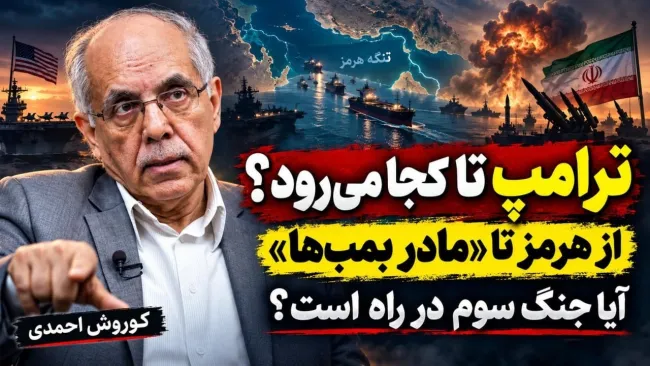
Watch | How far will Trump go؟ From Hormuz to «Mother of All Bombs»؛ Is a third war on the way؟ Conversation with Kourosh Ahmadi former diplomat
From the Abdi Media YouTube channel
Read more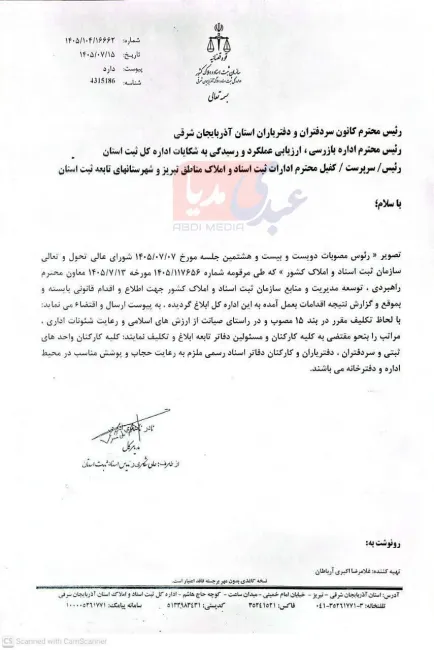
Resolution of the Supreme Council for Transformation and Excellence of the State Organization for Registration of Deeds and Properties regarding hijab and appropriate attire
"All employees of registration units and notaries, office assistants and employees of official notary offices are required to observe hijab and appropriate attire in the office and notary office" was notified for implementation.
Read more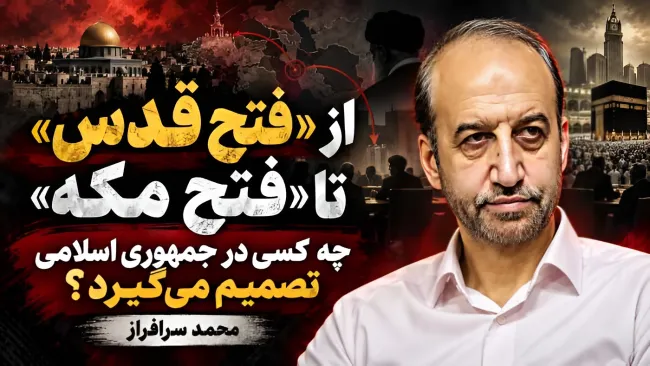
Watch | From «the Conquest of Jerusalem» to «the Conquest of Mecca»؛ who makes decisions in the Islamic Republic؟
Conversation with Mohammad Sarafraz, former head of the IRIB and member of the Supreme Council of Cyberspace
Read moreTwitter replies on October 17
Read more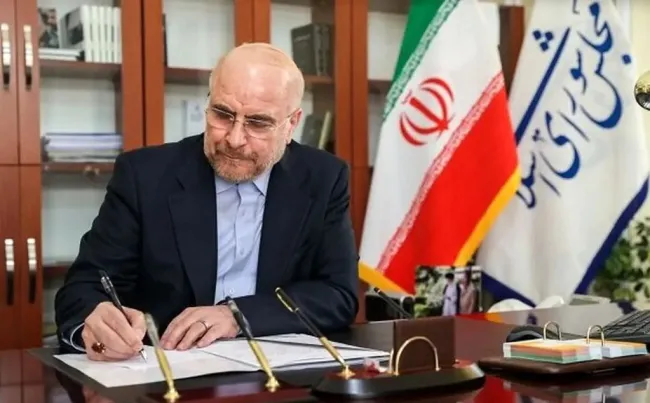
Ghalibaf: Amending the regulations on combating terrorist financing is illegal
After the government proceeded to approve the amendment to the executive regulations on targeted financial action without regard to the powers of the Supreme National Security Council
Read more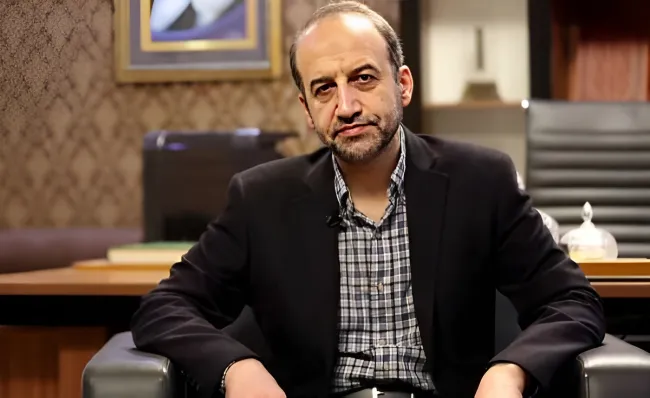
A conversation with Mohammad Sarafraz, former head of the Islamic Republic of Iran Broadcasting (IRIB) and member of the Supreme Council of Cyberspace.
Soon on the Abdi Media YouTube channel.
Read moreTwitter responses on October 15
Read more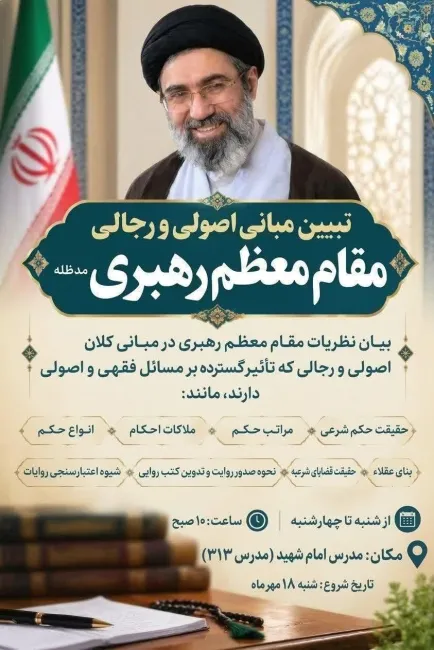
Following the conference, the fundamental principles and hadith narrator studies of the third leader of the Islamic Republic are now being taught in Qom, alongside the works and views of the second leader of the Islamic Republic.
One of the members of the Assembly of Experts also declared Seyyed Mojtaba Khamenei qualified to be followed as a source of emulation
Read moreTwitter replies of October 12
Read more
Mehdi Mojahed's account of the influential forces within the IRGC Intelligence Organization and the former deputy of the Chief Justice's office and the President's office regarding exchanges between the Islamic Republic and the United States
Read more
This claim by Seyyed Mohammad Ali Mousavi Jazayeri, member of the Assembly of Experts and director of the seminaries of Khuzestan, was denied by the office of the third leader of the Islamic Republic, and this clip was also removed from some accounts that
Read moreTwitter replies on October 11
Read more
Details of the incident involving the armed threat by Gholamreza Tajgardoon
The news received by Abdi Media indicates that yesterday, after the visit of Haj Gholam, the representative of Gachasaran and Bashet in the Islamic Council.
Read moreTwitter responses on October 6
Read more
The President, by decree, appointed former Oil Minister Paknejad as his adviser.
Read more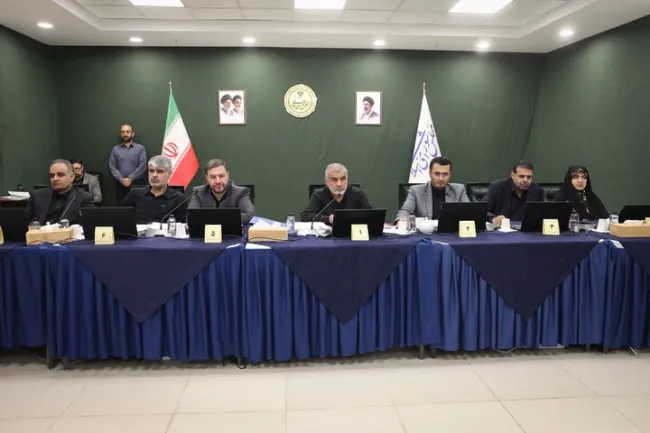
Interviews by Iranian nationals with “hostile media outlets” have been banned.
Members of the Islamic Consultative Assembly approved Article 22 of the bill on countering foreign influence.
Read more
Sadegh Zibakalam: I do not believe in something called "Iranian-ness"
I believe in things like the political, social, intellectual, and cultural forces that shape society.
Read more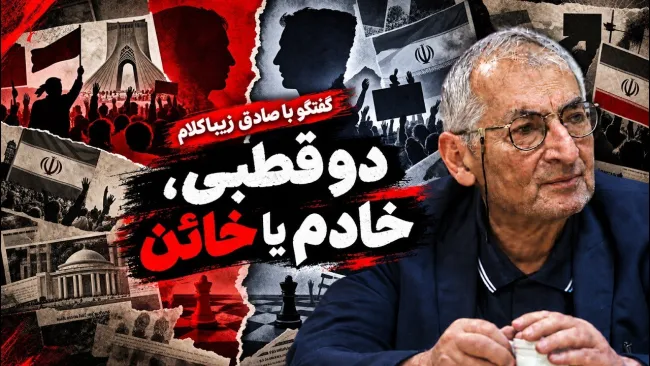
Sadegh Zibakalam: Basically, our view of the past is that we must put people on trial; we say people are either servants or traitors!
We pass judgment so easily; this has become our humanities!
Read more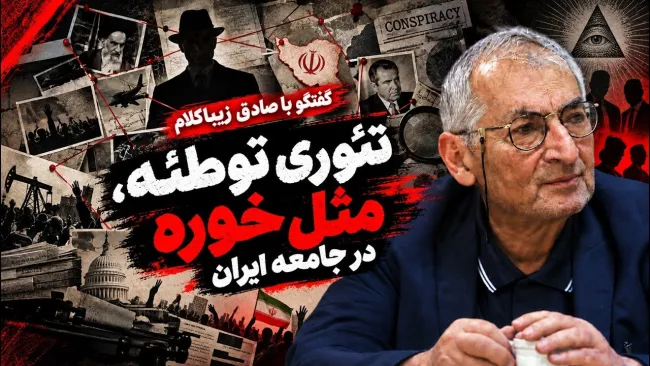
Sadegh Zibakalam: On the one hand, you are faced with a government that says, “Woman, Life, Freedom is a foreign theory”; and on the other hand, you are dealing with a student who says "this time, it’s really over"
Conspiracy theory has eaten away at Iranian society like a canker!
Read more
Sadegh Zibakalam: One of the factors behind the underdevelopment of the humanities is the prevalence of conspiracy theories
In 1401, students would tell me, “Professor, don’t be afraid, come out into the streets with us”; this was said by a political science student at the University of Tehran.
Read more
Sadegh Zibakalam: If you get accepted to study social sciences at the University of Tehran, what do you want to do? Later, perhaps if you are a member of a martyr’s family or among the self-sacrificers, you might finally become a teacher!
Studying and reading are no longer worthwhile now.
Read more
Sadegh Zibakalam: The first step is to acknowledge our backwardness in the humanities.
Blaming sanctions and inflation and so on is more of an excuse; we should first ask ourselves whether we accept the premise of the problem?
Read more
Sadegh Zibakalam: We weren't even capable of studying the phenomena and developments in our own country!
Can't you find an Iranian researcher who has worked on America, Japan, and World War II
Read more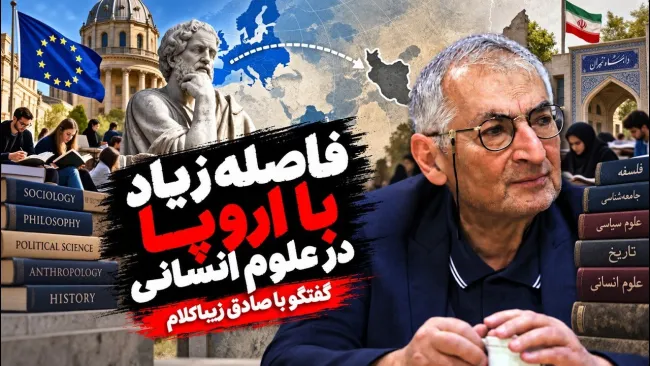
Sadegh Zibakalam: You cannot imagine how far behind the Americans, the French, and... we are in the humanities!
In the humanities, one cannot see difference with the naked eye.
Read more
The angle was slightly revealed / The oil minister resigned
“Tabatabaei,” Deputy for Communications and Information at the Office of the President: Following the acceptance of Mohsen Paknejad’s resignation, Dr. Pezeshkian, the President, appointed Hamid Bord as acting Minister of Petroleum.
Read moreTwitter replies from October 5
Read more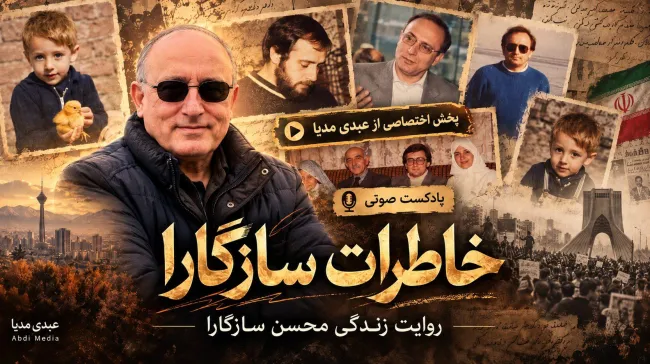
“Saazgara’s Memoirs”; the story of a life amid the history of contemporary Iran
Starting today, the exclusive broadcast of “Mohsen Sazegara’s Memoirs” begins on AbdiMedia; a firsthand audio account in which Mohsen Sazegara, in his own voice, recounts his life from his earliest childhood years to the present day.
Read moreTwitter replies for October 3rd
Read more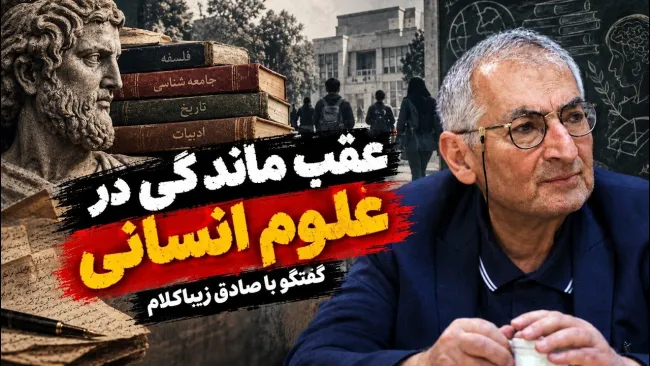
Sadegh Zibakalam: The reality is that we are terribly backward in the humanities.
Technology can be imported; but you cannot do this with history, sociology, and psychology.
Read more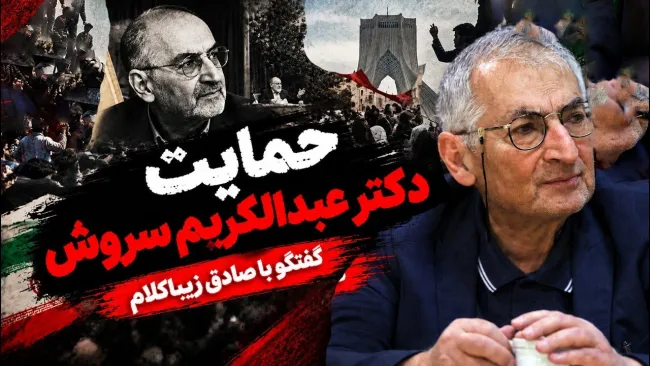
Sadegh Zibakalam: In the early years of the Revolution, the movement that led to the fall of the Pahlavi dynasty was known as a nonviolent movement
I told the Ministry of Science that I didn’t want to study chemical engineering; the only person who supported my decision was Dr. Abdolkarim Soroush.
Read more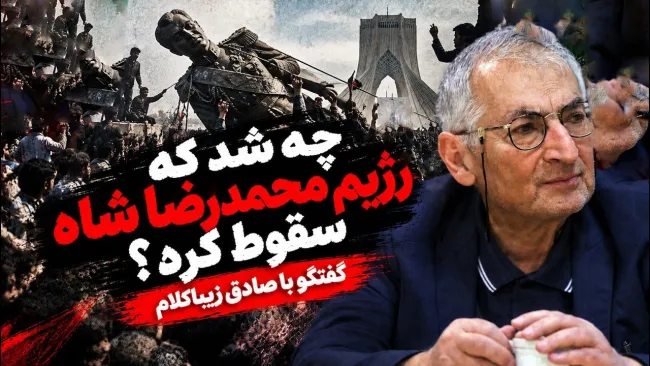
Sadegh Zibakalam: After the revolution, I could not understand why Mohammad Reza Shah's government fell
I presented a project in collaboration with the Ministry of Culture and Islamic Guidance in which I interviewed a number of political figures and personalities; I had one question, "What caused the Mohammad Reza Shah regime to fall"
Read more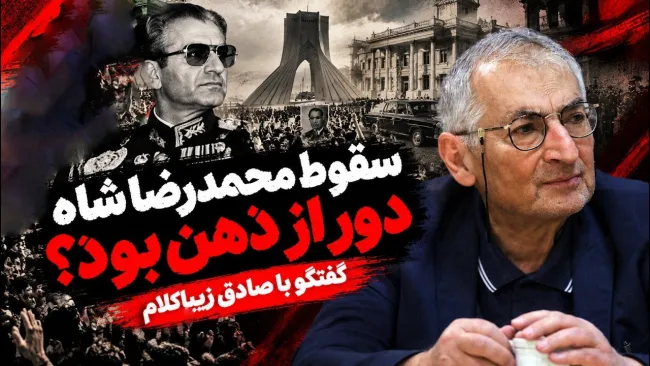
Sadegh Zibakalam: As someone who was a political activist, the fall of Mohammad Reza Shah Pahlavi’s regime was beyond my imagination.
The reality is that we are terribly backward in the humanities.
Read more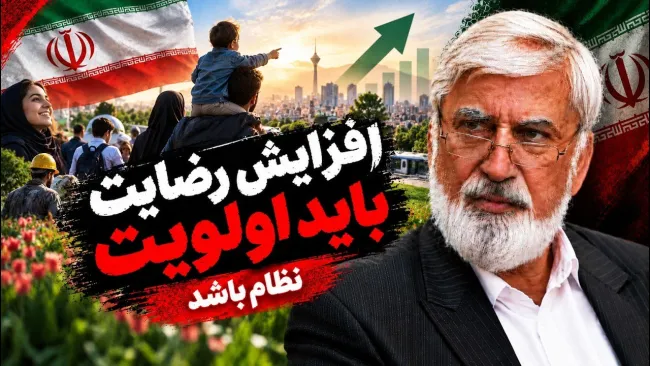
Hamidreza Taraghi: Increasing people's satisfaction will be the most important priority of the Islamic Republic system.
We must bring our economy to the number one economy in the region.
Read more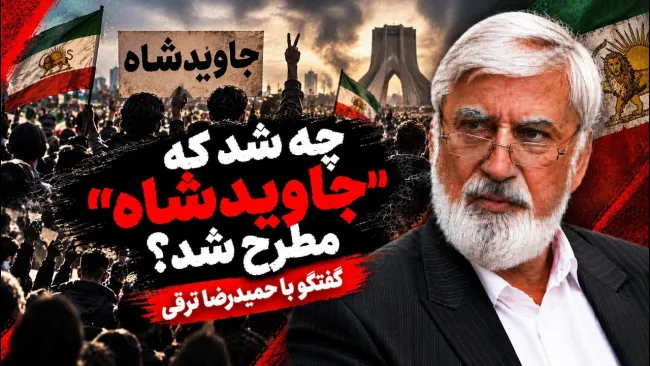
Hamidreza Taraghi: Those who chanted such slogans (Long live the Shah) are not at all comparable to the population of the country.
We must accept our shortcomings and take the enemy's plan to overthrow the regime into consideration.
Read more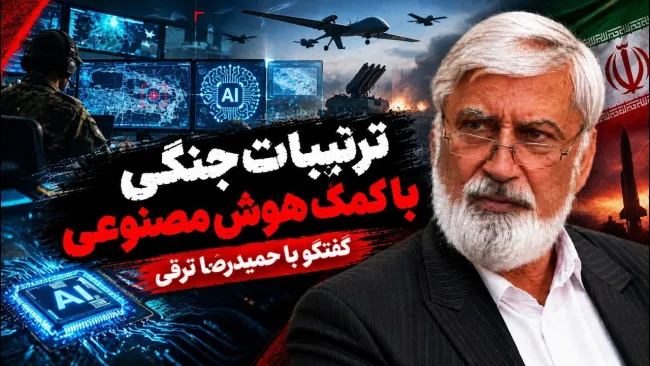
Hamidreza Taraghi: We mainly had infiltration within Mr. Rouhani’s negotiating team, who were arrested
What we witnessed in this war, apart from the domestic traitors, cannot be attributed to infiltration in any other way.
Read more
Do you remember my question to Nowzari, the head of the First Deputy Prosecutor's Office and Deputy for Supervision and Inspection of the Tehran Public and Revolutionary Prosecutor's Office, about the fate of the case against Gholamreza Tajgardoon?
Now Sheikh Hamid Rasaei, the current member of parliament, has been ordered to prison to serve a sentence for committing a press-related offense or for any other legal reason, a sentence that has also gone through all stages of judicial proceedings.
Read more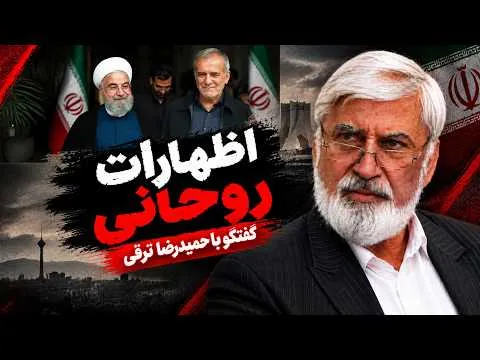
Hamidreza Taraghi: Mr. Rouhani’s concern is that the country’s atmosphere is moving in a direction where his performance is being called into question; out of fear that this process will move toward a trial, he is making these remarks.
Mr. Rouhani's mistake is that he does not understand the difference between defense and war!
Read more
Hamidreza Taraghi: The concept of the new headquarters does not mean that the work will fall into the hands of the military; rather, it means that the work will proceed in coordination with the military forces.
The economy has fallen into the hands of those who are centers of power.
Read more
Hamidreza Taraghi: If our agreement with Oman is finalized, except for hostile countries, travel for the rest of the countries will resume.
The bulk of our trade exchanges are conducted by land, rail, and the Caspian Sea; we have reduced our reliance on maritime transport.
Read more
Hamidreza Taraghi: There must be a revision in the nuclear doctrine; we must move toward weapons that directly target the United States itself
We are pursuing solutions that can protect the people of Iran from the harm of U.S. aggression.
Read more
Hamidreza Taraghi: It is possible for the US to stop supporting Israel; a shift on this issue is currently taking place in the US
America must stop its arrogance toward the independent countries of the world.
Read more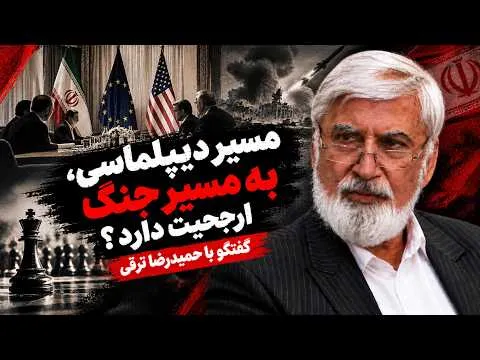
Hamidreza Taraghi: Our people should know that if there is a situation where we can achieve our rights through negotiation and diplomacy, we have a duty to choose that option first.
Through war, we only achieved some of our objectives; through negotiations, we could not have achieved our true nuclear rights.
Read moreTwitter replies for 29 September
Read more
Amir-Entezam's trial and the trial of the republic of the revolution
Before entering the court, a Kayhan newspaper reporter asked him: Are you ready to stand trial? And Amir-Entezam, smiling, said "Yes, I have been waiting for ۴۵۲ days now"
Read more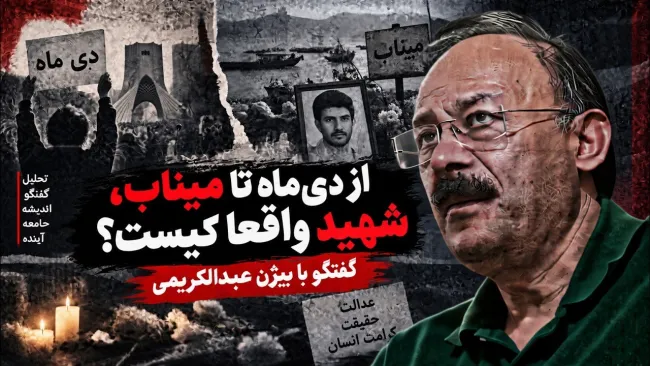
Abdollah Abdi: Who really is a “martyr”?
Conversation with Dr. Bijan Abdolkarimi, philosopher, writer, and university professor
Read more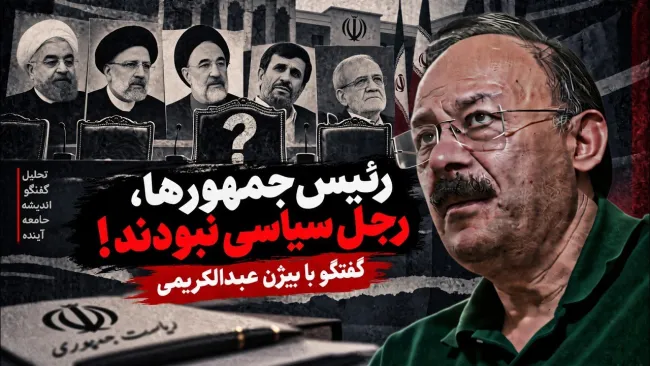
Bijan Abdolkarimi: You are the least of it; if the Hidden Imam were at the head of the government, would these issues not arise?
The vast majority of our presidents were not political figures.
Read more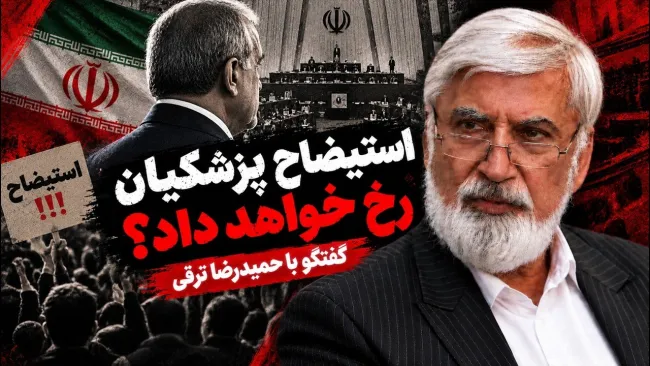
Hamidreza Taraghi: Under the current circumstances, the president’s resignation or impeachment is not in the best interests of the country and the system; it would disrupt the country’s management process.
If there is any criticism, it should also be raised in private meetings between parliament and the government; without the criticisms being made public.
Read more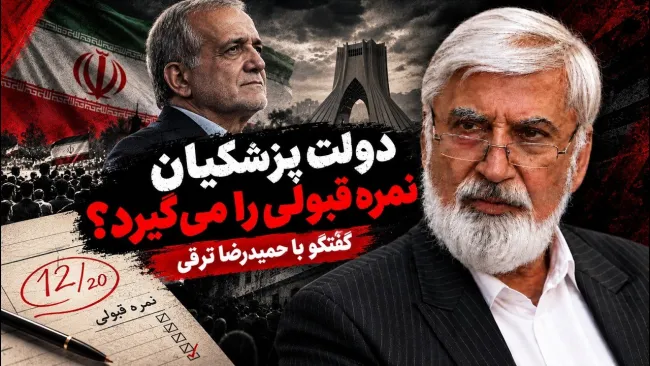
Hamidreza Taraghi: The expectation is not that Mr. Pezeshkian be a principlist; in the economic sphere, the Pezeshkian administration cannot be given a good grade
Due to governments' lack of belief in a resistance economy, this approach was not realized.
Read more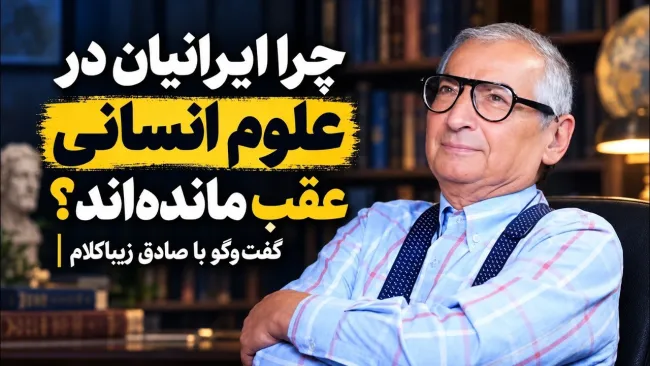
Look | Why are Iranians behind in the humanities? A conversation with Dr. Sadegh Zibakalam, Professor of Political Science at the University of Tehran
From the YouTube channel Abdi Media
Read more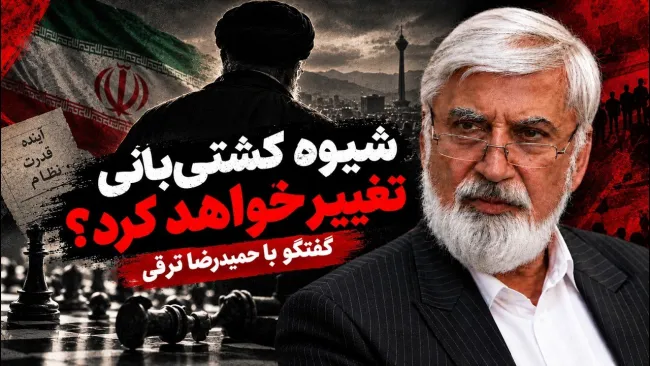
Hamidreza Taraqi: In terms of principles, fundamentals, and ideals, the same path will continue, but the helmsman will certainly have a different way of steering the ship.
The role of the Assembly of Experts in selecting the Leader is a completely independent role.
Read more
Hamidreza Taraqi: Naturally, we will have changes in the methods of management and governance and in international relations in the future.
Since this era is moving toward pushing America out of the region, it has its own demands.
Read more
Hamidreza Taraqi: Discussions such as "in principle" indicate that there are differences between his solutions for ending the war and those of the previous Supreme National Security Council.
The memorandum of understanding has no enforcement guarantee.
Read more
Bijan Abdolkarimi: Rulings were issued that would make people angry.
There are forces in this country that destabilize the country for their own interests.
Read more
Bijan Abdolkarimi: The crime that took place on January 8 and 9 was an incident that shook the foundations of the system and its legitimacy.
If we treat a student violently simply for asking a question, this is condemnable.
Read more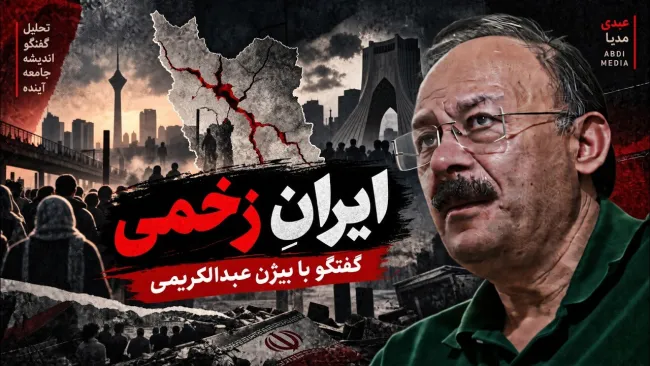
Abdollah Abdi: It cannot be denied that our Iran is a wounded body.
They should ask this question: what happened over the course of nearly half a century under a government that some of those who chanted "Death to the Shah" when this government was founded, half a century later chanted "Long live the Shah"?
Read more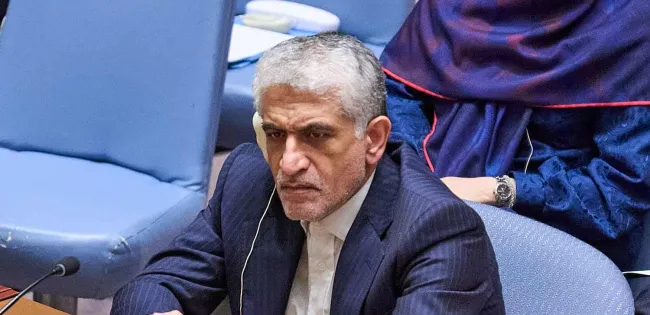
Is Amir Saeid Iravani still the Ambassador and Permanent Representative of the Islamic Republic at the United Nations Headquarters in New York?
If the answer is yes, was he not present at the president's meetings?
Read more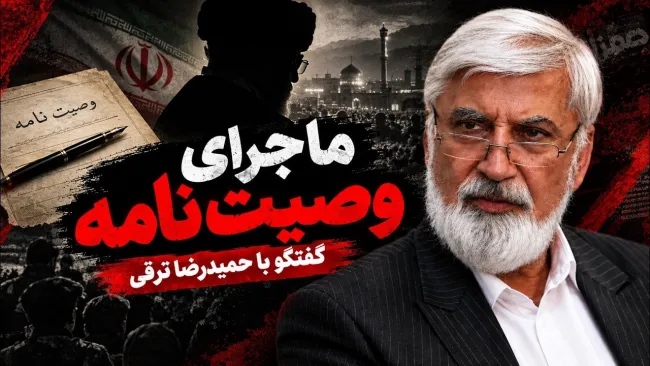
Hamidreza Taraghi: The will was in the same place where the Leader of the Islamic Revolution was martyred
The martyred Leader issued nearly fifty policies on matters needed by the country to the executive, legislative, and judicial branches.
Read more
Abdollah Abdi: I am not an intellectual; I am a simple journalist and I do not claim to have a vast and sprawling organization.
I tried to be a servant of the truth as much as possible.
Read more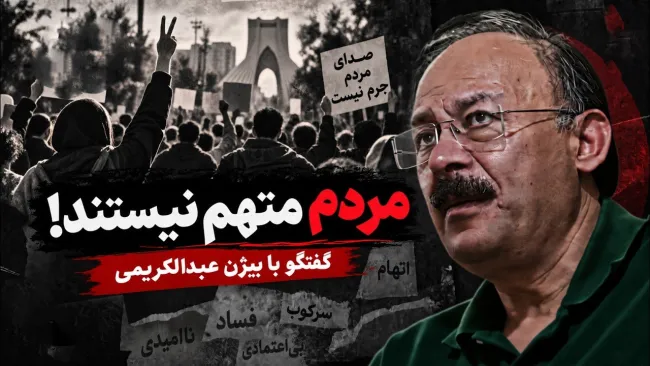
Bijan Abdolkarimi: Anyone who accuses the people is a scumbag; the people are not to blame and are caught up in everyday life.
Can the Mujahideen, Jaish al-Adl, and ethnic separatist forces really sit down at the same table?
Read moreTwitter responses on September 23
Read more
Does the Commander-in-Chief use the title "Janab" for a commander with a rank from First Lieutenant up to and including Colonel, and its equivalent, for a General in the margin of the report by the commander of the IRGC Aerospace Force?
Read moreTwitter responses on September 22
Read more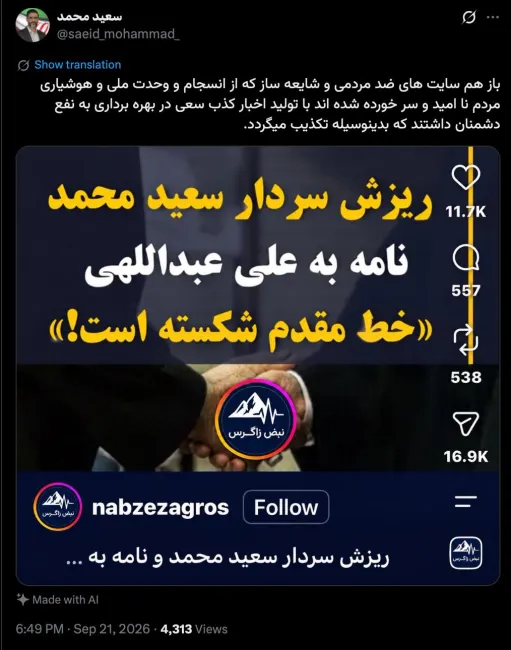
Once again, after false media hype, Commander Saeed Mohammad denied his correspondence with Major General Ali Abdollahi, Chief of Staff of the Armed Forces.
Read more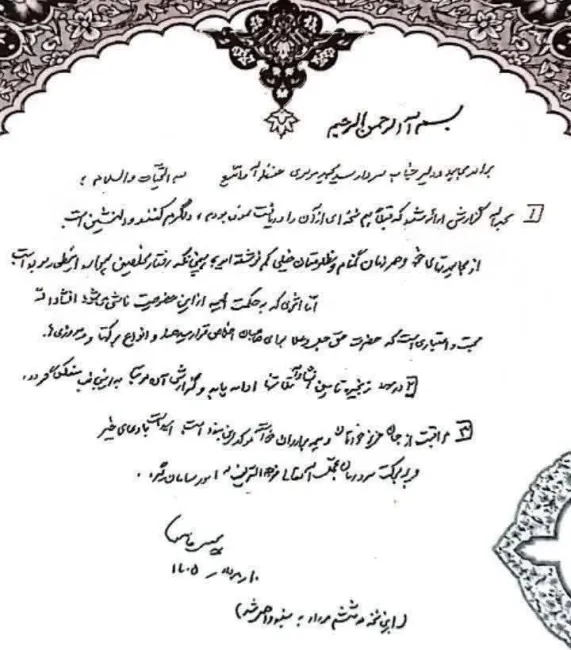
Publication of the image of the first handwritten note by the third leader of the Islamic Republic
This letter is addressed to Commander Seyyed Majid Mousavi and is dated the 10th of Mordad.
Read more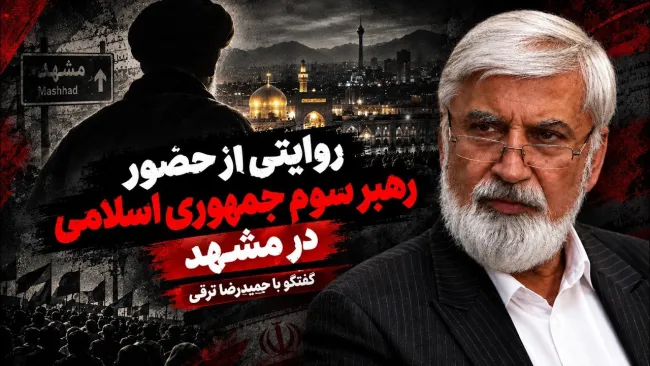
Hamidreza Taraqi: He (the third leader of the Islamic Republic) came to Mashhad at the time of the burial of the martyred leader and was there for a few hours.
It is not possible to make a specific prediction about when the Supreme Leader will appear; it depends on security issues and the level of conflict with the United States.
Read more
Hamidreza Taraghi: The grudge they bear against the Leader, who witnessed the Revolution, has so far made it necessary for us not to allow them to track him.
A clash of ideas takes place fully across the country; the Leader’s positions are viewed from various angles.
Read more
Hamidreza Taraqqi: The Supreme Leader is aware of the issues down to the smallest details.
The government has taken responsibility for the support dimension under wartime conditions.
Read more
Bijan Abdolkarimi: On the 8th and 9th of Dey, a violence occurred that was unprecedented in Iran's history; in such a country, this violence is quite surprising!
Anyone who downplays this incident has blood on their hands for these young people.
Read more
Bijan Abdolkarimi: With the algorithms they created and the cyber forces that supported you, did you think you had a social base?
Now that we have the IRGC, this is our situation; if they weren't here, imagine what our situation would be.
Read more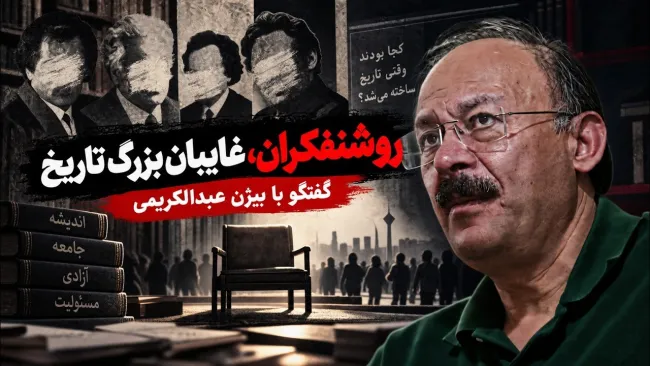
Bijan Abdolkarimi: Under circumstances where Iran's existence is in danger, is it wise to weaken the government despite having criticisms?
Intellectuals who express joy over Khamenei's assassination are clueless; they think democracy will happen under the boots of the Israelis.
Read more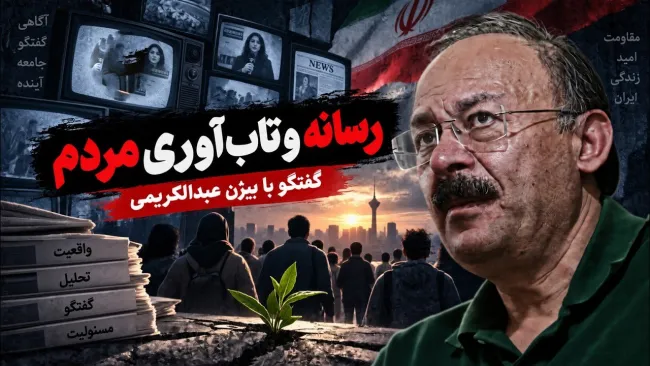
Bijan Abdolkarimi: Mr. Abdi, with Abdi Media, how much has he contributed to the country's anti-colonial struggles and to increasing the nation's resilience?
Iran has managed to withstand two nuclear powers.
Read more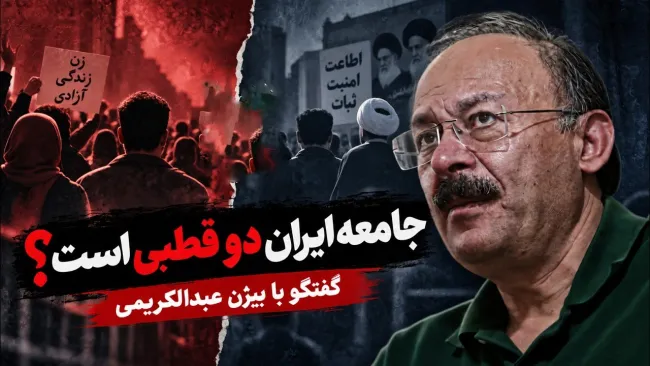
Bijan Abdolkarimi: Paying attention to a foreign attack is not the core of your discourse; this criticism applies to the majority of intellectuals.
We have a polarized society; one says Soleimani is a hero, another says he is a terrorist.
Read more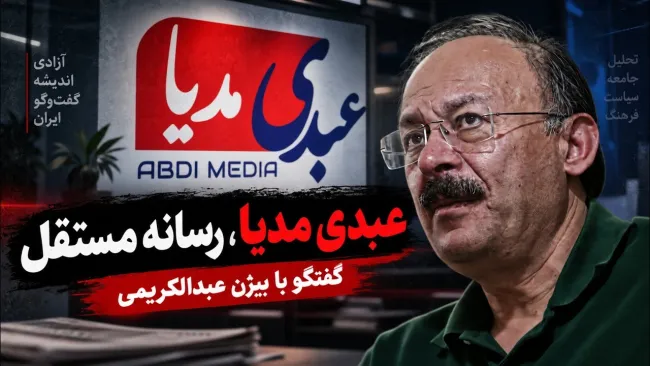
Abdollah Abdi: Abdi Media is not a fundraiser for the IRGC headquarters or the seminary.
What I tried to do at Abdi Media was to avoid selling dreams.
Read more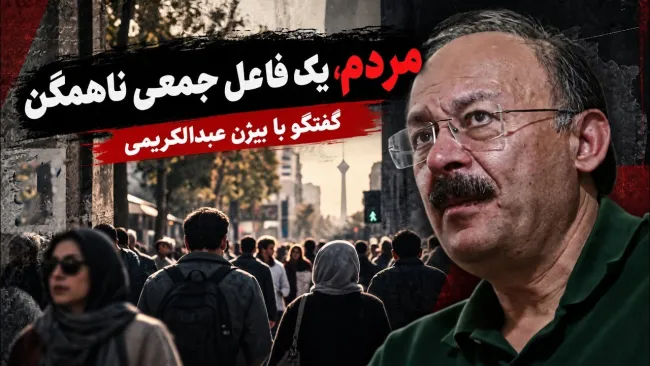
Bijan Abdolkarimi: Are those who call Netanyahu "Bibi" even one percent?
Who do you mean by "the people"? Aren't the families of military personnel part of the people?
Read more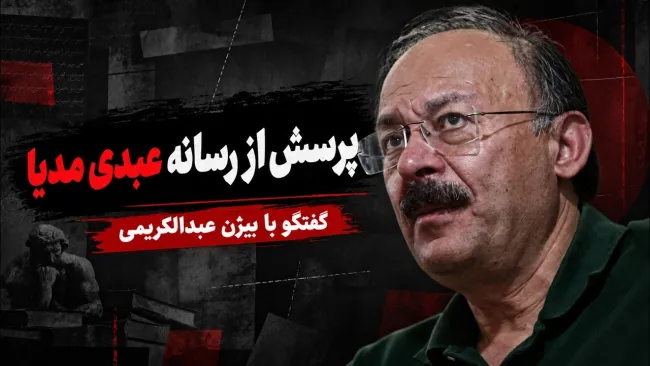
Bijan Abdolkarimi: Isn't weakening the spirit and psyche of the nation in this way a kind of "stabbing in the back"? Abdi Media, where do you stand?
What do you mean by the absence of leadership? If it's a clown like Trump, and he's in the media every day, does that mean he's present in the course of his social life?
Read more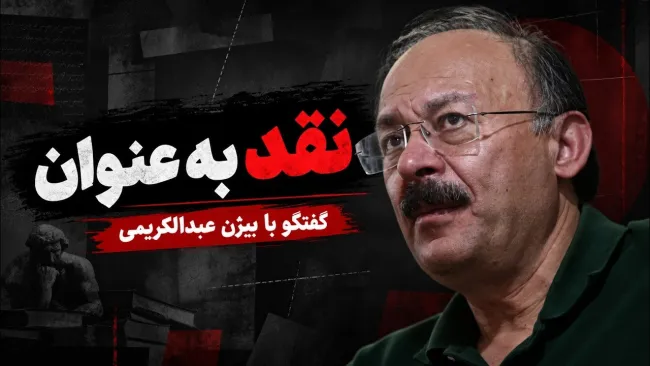
A Critique of the Title "Six Months of War; People in Limbo, Leadership Absent, and the Islamic Republic in a Test of Survival"
Bijan Abdolkarimi: The main problem with our opposition and intellectuals is this; before the dialogue even begins, a political and psychological conclusion has already been presented behind these discussions.
Read more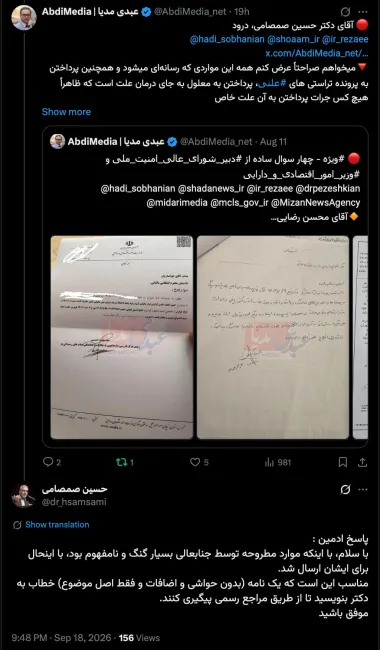
Mr. Dr. Hossein Samsami or the respected admin
Since you insist so much on using "admin," then in that case it would be good to change the account name from yourself to your office. Anyway:
Read more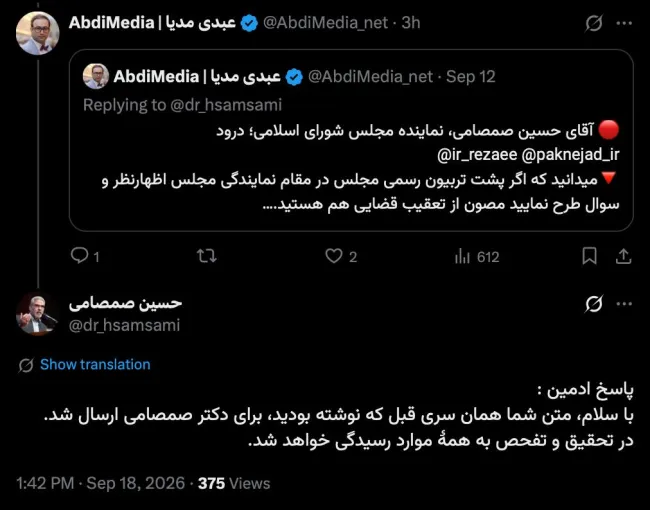
Mr. Dr. Hossein Samsami, greetings. I would like to say frankly that all these matters that become publicized in the media, as well as addressing the cases of the public trust companies, are dealing with the symptom instead of treating the cause.
which apparently no one dares to address that particular cause.
Read moreTwitter replies for September 19
Read more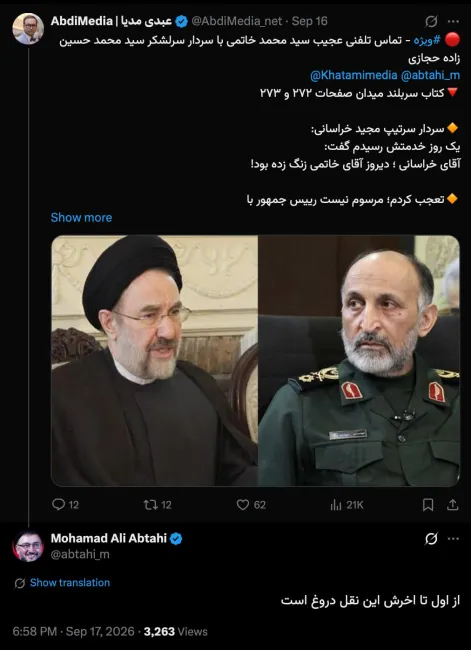
Seyed Mohammad Ali Abtahi explicitly denied the account given by Commander Seyed Majid Khorasani, who is also the brother-in-law of Major General Seyed Mohammad Hosseinzadeh Hejazi, which was included in the book *Yadman-e Sardar* under the title *Sarbola
Read more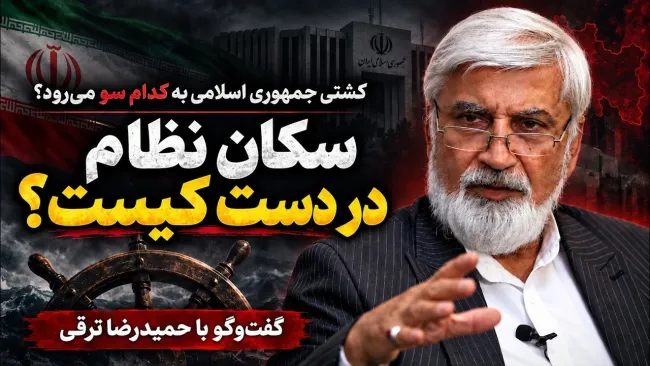
Look | Which direction is the ship of the Islamic Republic heading, and who is at the helm of the system?
Interview with Hamidreza Taraqqi, a member of the Central Council and Deputy for International Affairs of the Islamic Coalition Party, now on Abdi Media's YouTube channel.
Read more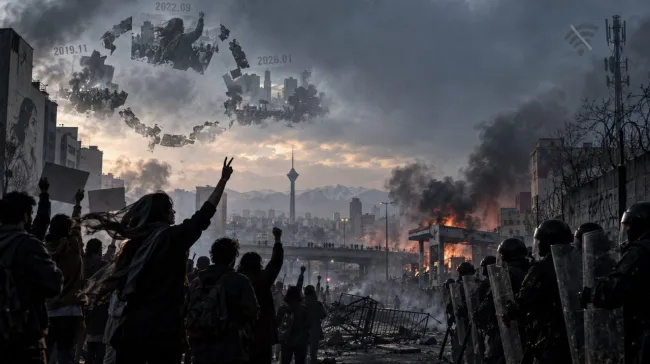
From November 2019 to September 2022, and December 2025–January 2026: Why Has the Cycle of Violence Still Not Been Broken?
Four years have passed since the killing of Mahsa (Jina) Amini, the daughter of Iran. On this sorrowful anniversary, Iran once again faces a profound question.
Read more
The Day After the U.S. Election; A Big Deal or a Bigger War? Will Trump Bring Tehran Closer to the Atomic Bomb? A conversation with Fereydoun Majlesi, writer and former diplomat at the Ministry of Foreign Affairs
If Iran had a nuclear bomb, Trump would have had to speak more politely to Iran's leader. Now the question is: is Trump himself leading Tehran to the conclusion that security can only be achieved with a nuclear bomb? On the other hand, the U.S. election is approaching, the war continues, the Strait of Hormuz has become a stage for displays of power, and Mojtaba Khamenei and Donald Trump are moving one step closer to a more direct confrontation every day. What will happen after the election?
Read more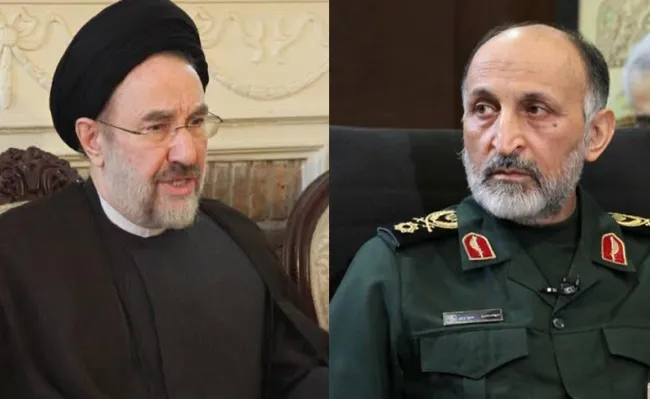
The strange phone call from Seyyed Mohammad Khatami to Major General Seyyed Mohammad Hosseinzadeh Hejazi
I was surprised; it's not customary for the president to call anyone below the commander-in-chief.
Read more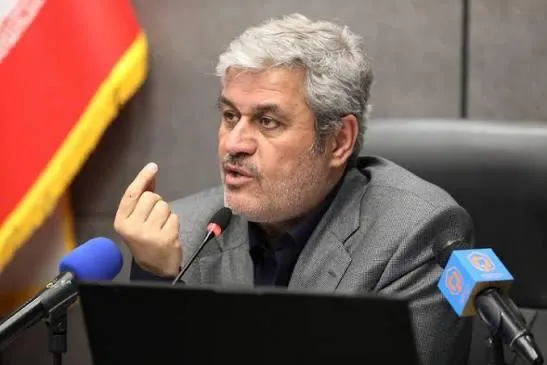
Once again, the criminal case against Gholamreza Tajgardoon.
A simple question for Mr. Nozari, Acting First Deputy and Deputy for Supervision and Inspection of the Tehran Public and Revolutionary Prosecutor's Office.
Read more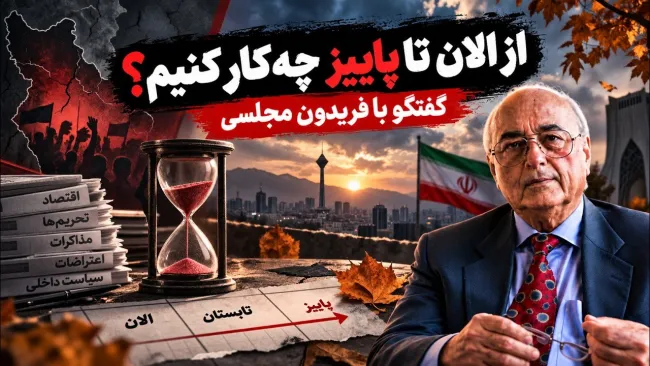
Fereydoun Majlesi: Chronic war means that you are effectively in a state of war, without an actual war taking place!
They say there will be a war in the fall; what should we do from now until the fall?
Read more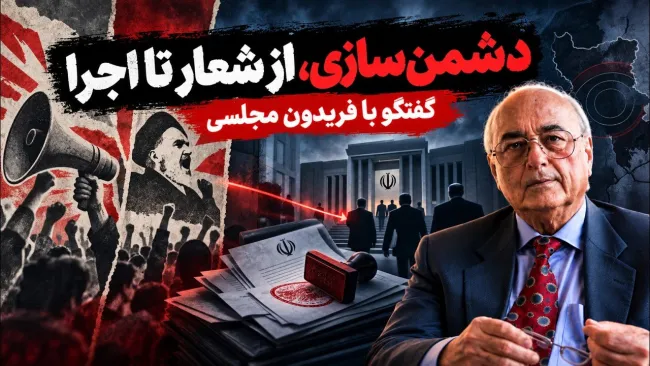
Fereydoun Majlesi: Iran's late leader knew what the reason (for the lack of trust between the two sides) was; the reason is the slogan calling for the destruction of Israel.
He (Ayatollah Khamenei) knew that the slogan of Israel's destruction also depends on its means.
Read more
Fereydoun Majlesi: At such levels, a blood feud and personal revenge cannot be at issue.
The interests of the Iranian nation will lead to certain concessions; greater consideration should be given to the public interest.
Read more
Fereydoun Majlesi: Trump's electoral defeat is good news for the Islamic Republic; because one horn that could have been more dangerous has been broken.
America's main course has nothing to do with Trump.
Read more
Did the United States have a role in the "Embassy Takeover" affair? A conversation with Fereydoun Majlesi, writer and former diplomat at the Ministry of Foreign Affairs
Fereydoun Majlesi: Mr. Bani-Sadr has reached the conclusions based on decision-making; this is a conspiracy theory.
Read more
Fereydoun Majlesi: We who live in Iran are caught up in a "war without bullets"
May the day never come when others make decisions for us amid chaos!
Read more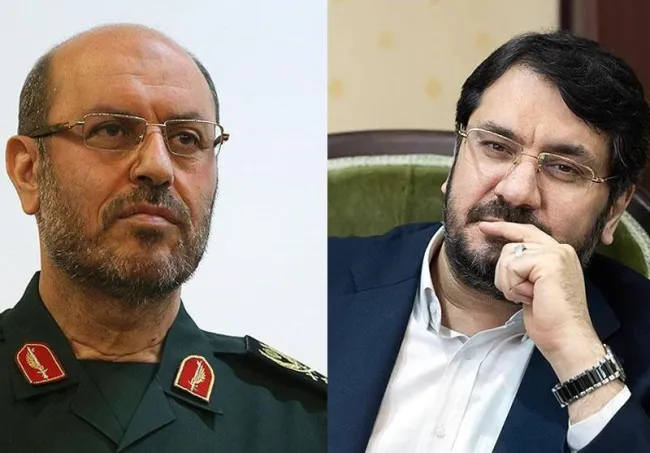
A simple question: if the rumors that Seyyed Mojtaba Khamenei, the leader of the Islamic Republic, will entrust the helm of the Foundation of the Oppressed of the Islamic Revolution to Mehrdad Bazrpash and issue him a decree in this regard come true
The Third Leader's perspective and horizon will be more precisely observable in the continuation of direct and indirect changes in these areas.
Read moreTwitter replies for September 16
Read more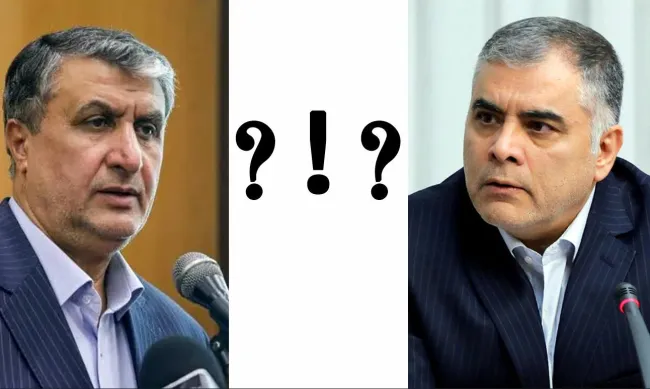
Do you remember my sealed note to Dr Hossein Samsami, the representative in the Islamic Consultative Assembly?
Will Mohsen Paknejad finally, despite all the denials and rumours, take over the Ministry of Petroleum at the last minute, just as he did in that 90th-minute appointment?
Read more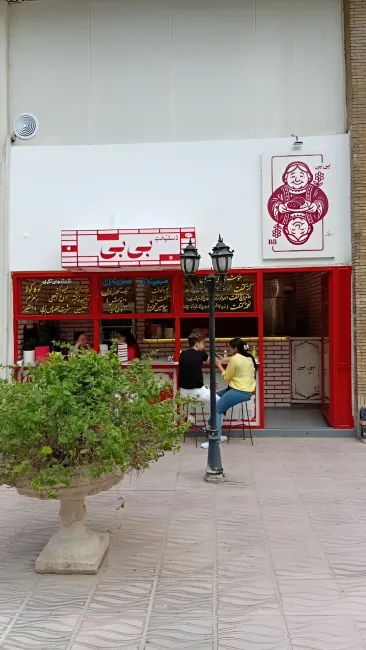
The “Bibi's Cooking” restaurant has neither been sealed, nor has its manager been arrested, nor has a legal case been filed against it.
Do you remember my notes for the targeted waves?
Read more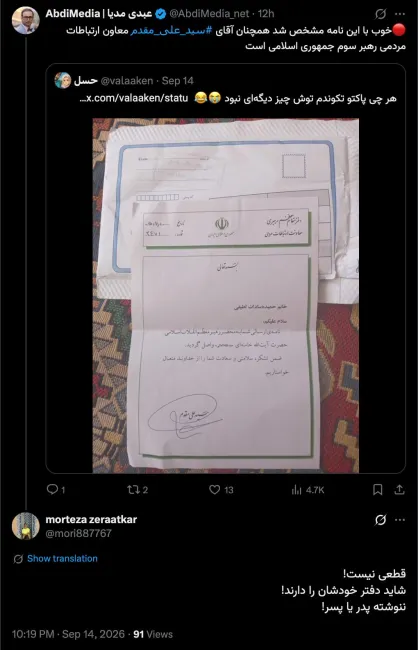
Twitter replies 24th August
Read more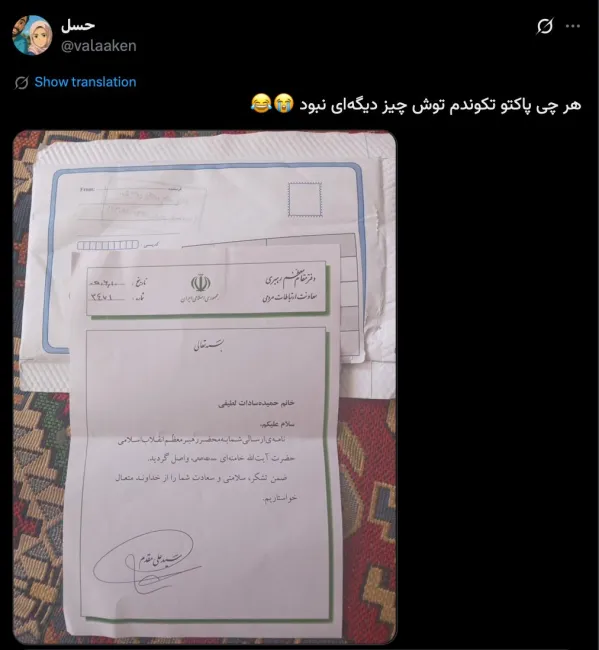
Well, this letter has made it clear that Mr Seyed Ali Moghadam remains the Deputy for People's Communications to the Third Leader of the Islamic Republic.
Read more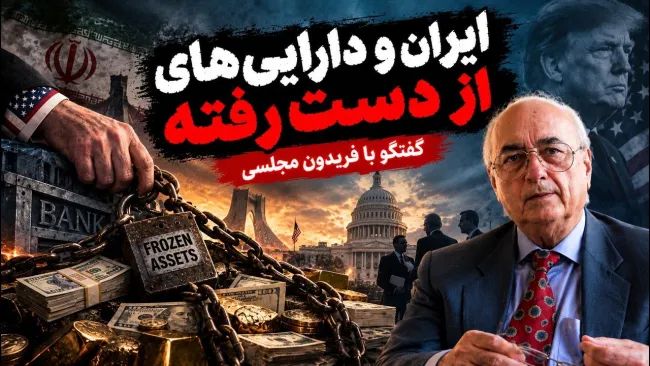
Fereydoun Majlesi: All our issues are related to this sentence: Israel must be wiped off the face of the earth!
Perhaps the Strait of Hormuz is our hostage, but the oil is not in our hands.
Read more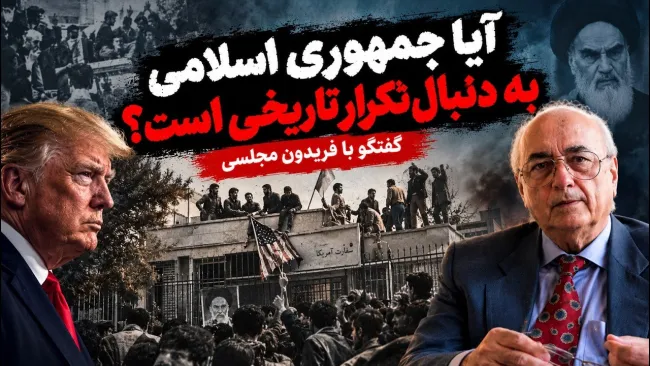
Is the Islamic Republic today seeking to repeat the historic episode of the seizure of the US embassy and its dealings with Jimmy Carter in its dealings with Donald Trump?
Fereydoun Majlesi, a witness to history, responds.
Read more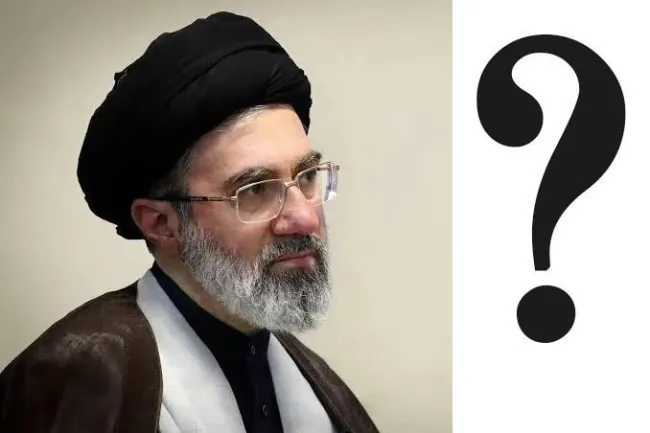
Second question: Is Mr. Seyyed Mehrdad Seyyed Mahdi still the public relations manager of the office of the Supreme Leader of the Islamic Republic?
These days, the public relations office of the Leader's office is less active in cyberspace.
Read more
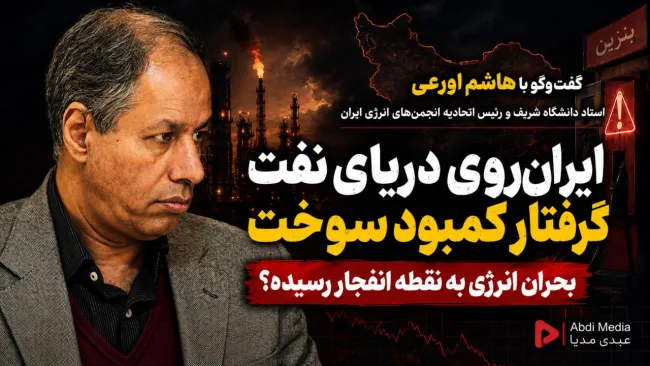
Iran on a sea of oil, caught in a fuel shortage; has the energy crisis reached the breaking point? A conversation with Dr. Seyyed Hashem Oraei, professor at Sharif University and head of the Union of Iran's Energy Associations.
Countries do not always suffer damage from where the enemy shoots at them. Sometimes they wear out from a place that everyone has warned about in some way for years. Sometimes it wears out from a place where we have seen for years that everyone has warned about it, but no one has been willing to pay the cost of deciding on it. "Imbalance" may be the most polite word we have created to describe one of the most ruthless realities of today's Iran; a country that sits on one of the largest oil and gas resources in the world and today also talks about electricity shortages, gas shortages, gasoline imports, fuel shortages, power plants, and matters of this kind, and the billions of dollars in capital that we still need to save our energy infrastructure.
Read more
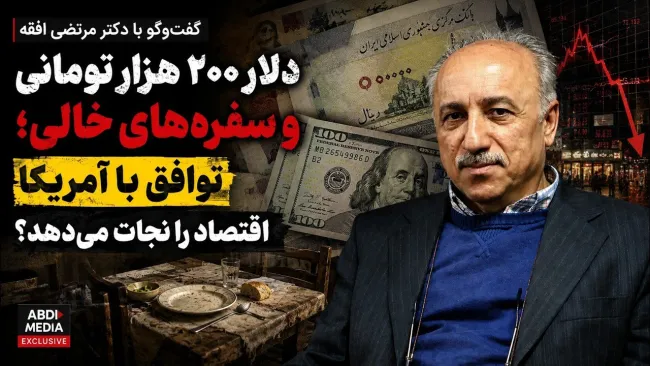
The 200,000-toman dollar and empty tables; will an agreement with America save the economy? A conversation with Dr. Seyyed Morteza Afghah.
Our subject is the economy. The economy is not just numbers; sometimes numbers are the narrative of a nation's life. When the dollar crosses the 200,000-toman threshold, the issue is no longer merely the fall in the value of the rial. The issue is how many days a salary can buy life, what things a family must go without, and how much poorer a society can become and still endure. But one question may be more important than all: is what we see today the product of sanctions, or the product of a style of governance whose weaknesses sanctions have merely exposed in some way? If tomorrow Iran and America reach an agreement, what will happen?
Read more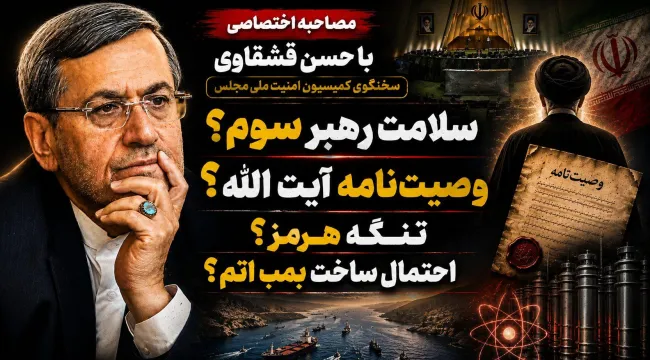
From the health of the third leader and Ayatollah's will to the Strait of Hormuz and the possibility of building an atomic bomb, in an exclusive interview with Hassan Ghashghavi, the spokesperson for the National Security
Abdi Media, continuing its series of conversations, this time turned to Hassan Ghashghavi, the spokesperson for the National Security and Foreign Policy Commission of the Majlis. The conversation with him began with the question: How far are we from the next war?
Read more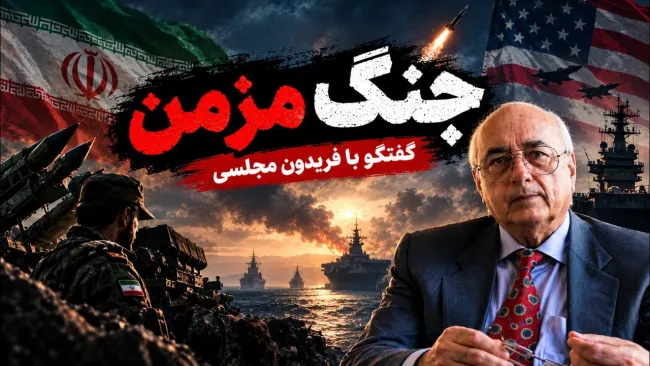
Fereydoun Majlesi: The clergy, which had gained power, did not even tolerate its own self-made party.
Let us strive to prevent further harm to Iran; let this bleeding and chronic war be brought to an end.
Read more
Fereydoun Majlesi: We cannot consider the situation that has been created for the Iranian nation as a victory.
Trump wants to blame his slim chances in the election on the rival party and the war with Iran.
Read more
Fereydoun Majlesi: Inside and outside Iran, two opposing groups want Iran's issues to be resolved through war.
There are forces in Iran who, before Trump's speech, support Iran going nuclear.
Read more
See | Six Months of War; The People in Limbo, the Absent Leadership, and the Islamic Republic in the Test of Survival: A Conversation with Bijan Abdolkarimi.
From Abdi Media's YouTube channel
Read more
Hossein Kanani Moghaddam, Secretary-General of Iran's Green Party: The cost of war is less than the cost of surrender.
If I had a choice, I would follow the orders of the Commander-in-Chief.
Read more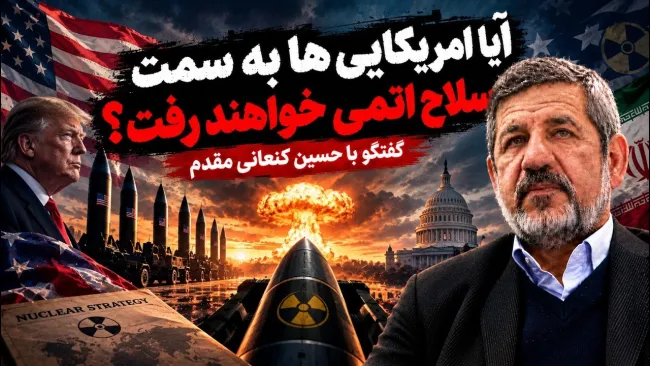
Hossein Kanani Moghaddam, Secretary-General of Iran's Green Party: If we want to use the weapons we have, the Americans might move toward nuclear weapons.
The final battle is still to come; these are just warm-ups!
Read more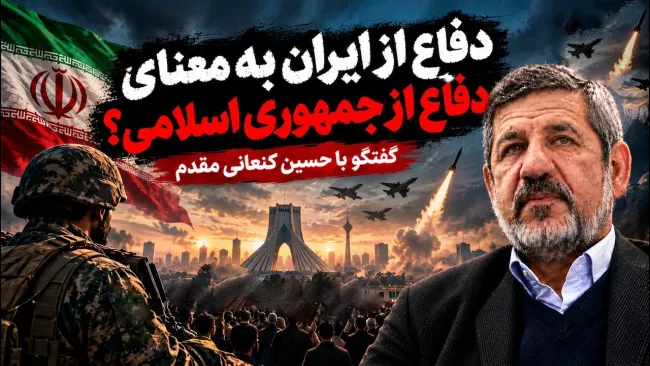
Is defending "Iran" synonymous with defending the "Islamic Republic"? An exclusive conversation with Hossein Kanani Moghaddam, Secretary-General of Iran's Green Party.
Hossein Kanani Moghaddam: A strong system can preserve Iran.
Read more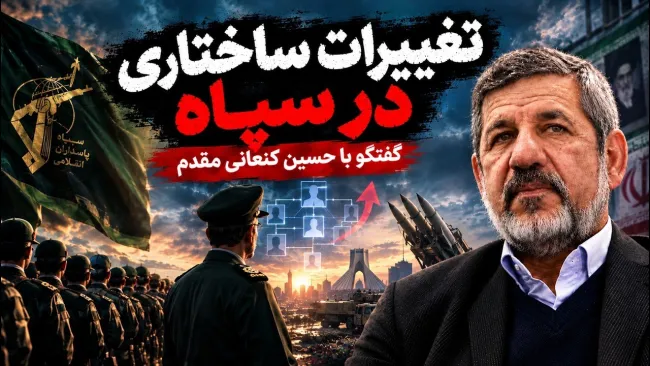
Hossein Kanani Moghaddam, Secretary-General of Iran's Green Party: The IRGC is no longer commander-centric; it is structure-centric.
Up to 5-6 levels down, our successors in the IRGC and the army have been designated; they {the Americans} cannot dismantle the structure.
Read more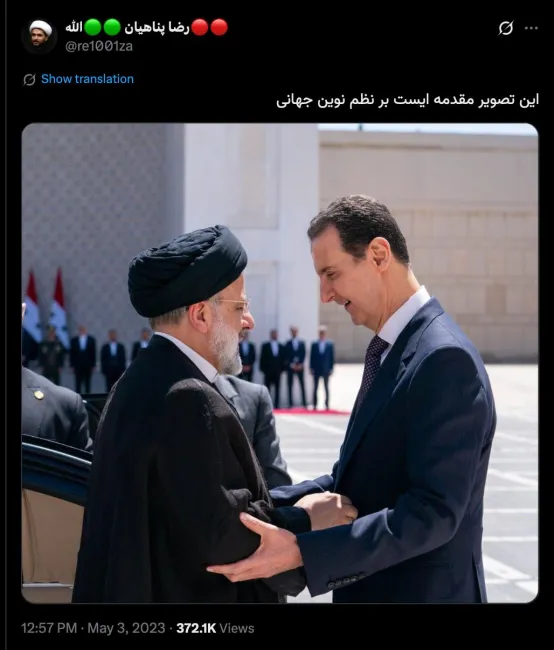
Fond memories—Haj Sheikh Reza Panahian's tweet and an introduction to his New World Order.
Read more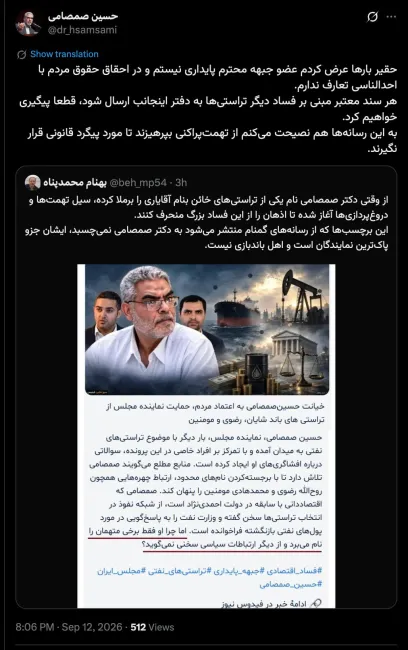
Greetings to Mr. Hossein Samsami, Member of the Islamic Consultative Assembly.
You know that if you express an opinion and raise a question from the official podium of the Parliament in your capacity as a Member of Parliament, you are also immune from judicial prosecution.
Read moreTwitter responses of September 12 and 13
Read more
Do you remember my note about the necessity of reforming the security and protection agencies?
This is also the official channel of the General and Revolutionary Courts of Tehran; they held an explanatory and clarifying session on protection and intelligence.
Read more
Hossein Kanani Moghaddam, Secretary-General of Iran's Green Party: America seeks the collapse of Iran, not the collapse of the Islamic Republic.
In America's long-term policies, the people have no place.
Read more
Hossein Kanani Moghaddam, Secretary-General of Iran's Green Party: The governance, due to the methods it has created in its management, has created holes through which the people suffer losses.
Wrong decisions and the failure to implement communicated policies will bring corruption.
Read moreTwitter responses on September 11
Read moreSee | The Day After the U.S. Election; A Grand Deal or a Bigger War? Will Trump Bring Tehran Closer to the Atomic Bomb?
A conversation with Fereydoun Majlesi, writer and former diplomat of the Ministry of Foreign Affairs, right now on the Abdi Media YouTube channel.
Read more
Hossein Kanani Moghaddam, Secretary-General of Iran's Green Party: We must increase the resilience of the economy.
I told Mr. Rouhani, instead of a resistance economy, you turned to economic resistance.
Read more
What is the goal of negotiating with America? A conversation with Hossein Kanani Moghaddam, Secretary-General of Iran's Green Party.
Hossein Kanani Moghaddam: In a situation where the other side is "a crazy person," we must try to contain him.
Read more
Hossein Kanani Moghaddam, Secretary-General of Iran's Green Party: If you want to implement shock therapy, the people will undoubtedly take to the streets.
We are engaged in a hybrid war.
Read more
Hossein Kanani Moghaddam, Secretary-General of Iran's Green Party: We are moving toward ending the war with a "final battle."
The Americans are stuck in the quagmire of the Strait of Hormuz.
Read more
Hossein Kanani Moghaddam, Secretary-General of Iran's Green Party: The reason people respond to the voice of the opposition is that their problems are not solved internally.
The Americans believed that if we do not create an alternative against the Islamic Republic, we cannot overthrow it.
Read more
Hossein Kanani Moghaddam, Secretary-General of Iran's Green Party: Unless we confront systematic corruption, we cannot think about economic improvement.
We are suffering from economic black holes.
Read more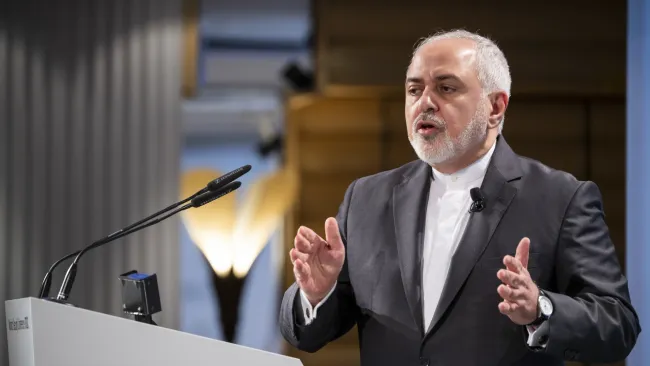
Zarif: Maximum pressure and war could not change Iran's resilience
Former Foreign Minister's article in the German magazine Zenit
Read moreTwitter responses
Read more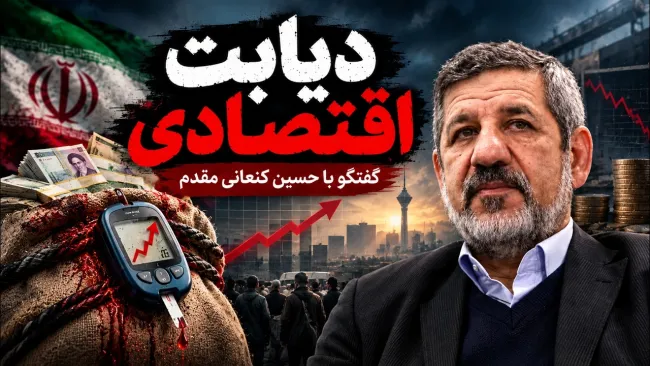
Hossein Kanani Moghaddam: We are suffering from "economic diabetes"
We didn't have any luck with the opposition either!
Read more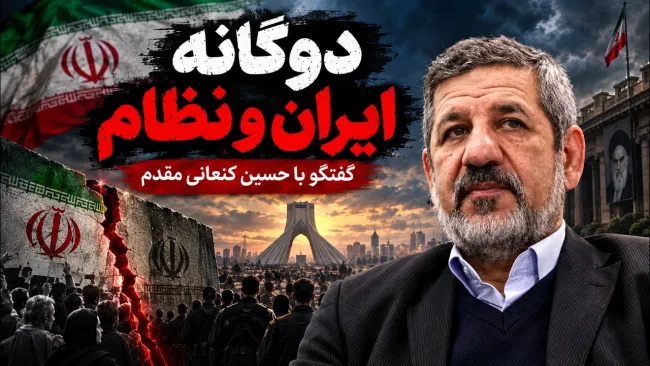
Hossein Kanani Moghaddam, Secretary-General of Iran's Green Party: I do not accept the "Iran vs. the system" dichotomy; a system based on democracy, the stronger it is, the stronger Iran will be.
War conditions naturally impose certain restrictions on society.
Read more
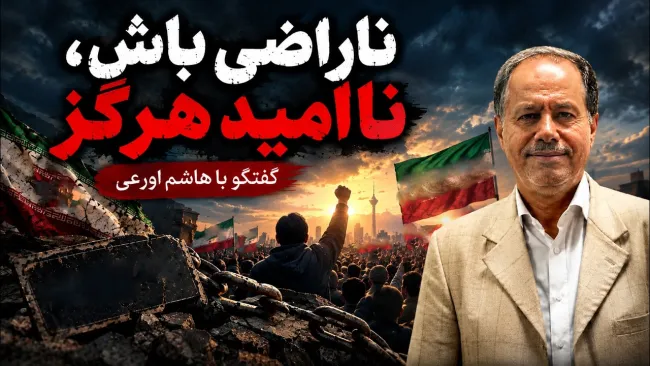
Seyyed Hashem Oraei: Our generation was not a good trustee; we are not handing over the country to the next generation as well as we received it.
We have the right to be dissatisfied with the country's situation, but we do not have the right to be hopeless.
Read more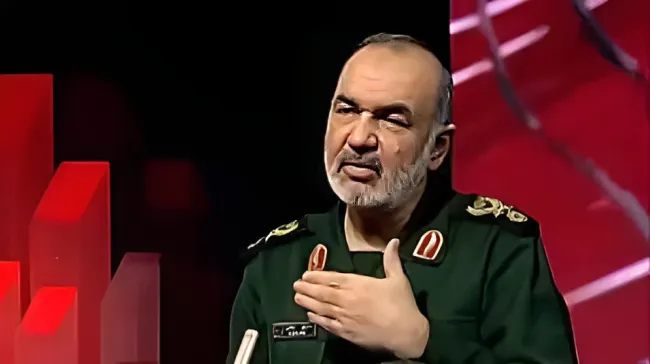
Recently, a narrative has been published from Lieutenant General Hossein Salami stating that the technology for destroying aircraft carriers has been achieved.
Hossein Salami says in this part of the interview: American aircraft carriers are known as the symbol and manifestation of military power, the glory and awe of America's military might.
Read more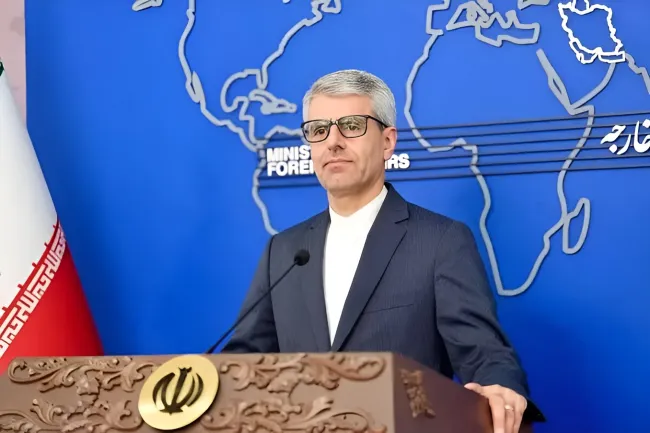
The series of witty innuendos by the Foreign Ministry spokesperson with Ubayd Zakani; this time, Rafael Grossi got caught in it | What does "dancing to the yarligh" mean?
Ismail Baghaei, the spokesperson for the Ministry of Foreign Affairs, once again turned to classical Persian literature and a story attributed to Ubayd Zakani to express a political allusion.
Read moreTwitter responses on September 7
Read more
Seyyed Hashem Oraei: The government has not reached the point of no return; the important thing is to find the right path.
The country's management system is not based on meritocracy, and we must take a serious look at the energy management system.
Read more

Seyyed Hashem Oraei: Energy has the capacity to not only prevent the 14th government from reaching the 15th, but even to prevent it from completing its own term.
If the 14th government can change the trend, it can remain in the 15th government as well.
Read more
Seyyed Hashem Oraei: Nuclear energy has been entirely a loss for us.
The decision to pursue a nuclear program was not one we made ourselves; it was made for us!
Read more

Seyyed Hashem Oraei: If a serious disruption occurs in energy supply, there is a possibility of social unrest.
Price reform alone will not solve our problems.
Read more
Seyyed Hashem Oraei: I am very worried about gas facilities. We have no storage capacity, and imports are also problematic.
For years, we have not even invested as much as the depreciation of the infrastructure.
Read more
Has the war atmosphere helped the government manage the crisis?
Seyyed Hashem Oraei: The war has intensified the issue somewhat, but the energy problem was not created with the start of the war, nor will it end with the war's conclusion.
Read more
What part of the imbalance is affected by the "war"?
We have not suffered much damage in electricity; we are using the war as a justification for the blackouts.
Read more
Have the relations between Masoud Pezeshkian and his government with the third leader and his household been transformed due to the energy crisis?
Seyyed Hashem Oraei: The current situation is a good opportunity for the government.
Read more
Seyyed Hashem Oraei: Lobbying has framed the issue in such a way that if gasoline doubles, inflation will also double!
The Fourteenth Government's announcement of the new gasoline price was already consumed by inflation!
Read more
Seyyed Hashem Oraei: If we can achieve empathy and harmony with the majority of society, we can endure; we are not on such a path!
It is a custom in our country to say that the people are to blame for many of the mismanagements and problems.
Read more
Seyyed Hashem Oraei: If we go down this path a hundred times, we will end up in the same place.
The only wonder is why everyone is surprised that we ended up here!
Read more
Seyyed Morteza Afghah: The war or America's retreat should not create pride and cause us to repeat the past misguided policies.
If it is felt that misguided policies—especially in the economic, social, and cultural spheres—are being reformed, a scent of improvement will arise.
Read more

Seyyed Morteza Afghah: The war became an excuse to resolve crises in the short term.
Many individuals inside the country who participated in the tensions have come to understand many of the realities, which has removed the basis for their protests from that political logic.
Read more

Seyyed Morteza Afghah: The budget beneficiaries are costly and must be eliminated.
Low production is mainly due to domestic inefficiency.
Read more
Seyyed Morteza Afghah: The economy is heading toward an explosion; we are not at the peak yet, but we are getting there.
The coming year will be harder for people than current conditions; 6 to 7 income deciles of society will need government support
Read more
Seyyed Morteza Afghah: Some extremists, in these circumstances where they should be helping to solve economic problems, are laying the groundwork for social pressures.
Policymakers are currently not cooperating with the extremists.
Read more

Seyyed Hashem Oraei: There is no doubt that the Pezeshkian government has fallen into a trap.
If the government had sufficient social capital, it would have an easier task.
Read more

Seyyed Morteza Afghah: If the threats are carried out to the extent that is being said, it will cause dangerous problems for people's livelihoods.
We are on the downward slope of serious economic crises in the country; war can intensify the endpoint.
Read more

Seyyed Hashem Oraei: The fact that we cannot import is a blessing that should make officials take the gasoline issue more seriously.
The impossibility of importing gasoline has exposed the problem sooner.
Read more

Seyyed Morteza Afghah: We have two groups of dissatisfied people; one group is the economically dissatisfied, and another is the culturally and socially dissatisfied.
The groundwork can be laid for widespread economic, social, and cultural changes.
Read more
Seyyed Hashem Oraei: The gasoline issue is completely serious.
We have no choice but to use the strategic reserves.
Read more

Seyyed Morteza Afghah: The root of our problems has nothing to do with the American siege; we did not have a resistance economy capable of withstanding the turmoil.
An agreement with America for Iran's economy is merely a "painkiller."
Read more

Seyyed Hashem Oraei: The process of the impoverishment of the Iranian people will continue.
Solving the energy supply problem is deeper than just drilling a few oil wells; we need a fundamental review of energy governance .
Read more
Seyyed Morteza Afghah: The food voucher and subsidies will not help the people at all
Inflation is rising at a faster rate than subsidies.
Read more
Seyyed Hashem Oraei: We have failed in energy governance
The disorder in the automotive industry continues, and we want people to save on gasoline consumption?
Read more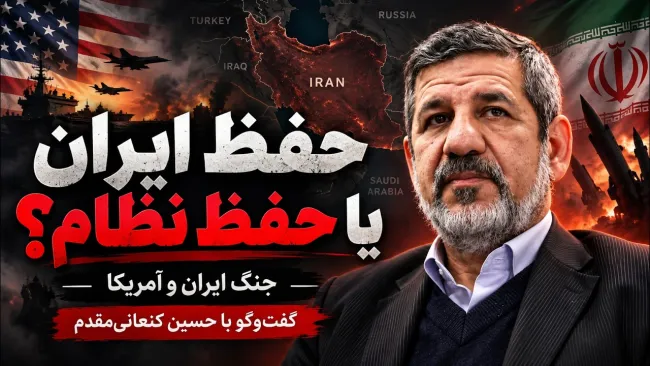
"See | Preserve Iran or Preserve the System? What Will Happen to the Islamic Republic After the War? A Conversation with Hossein Kanani Moghaddam."
"Right now on the Abdi Media YouTube channel"
Read more
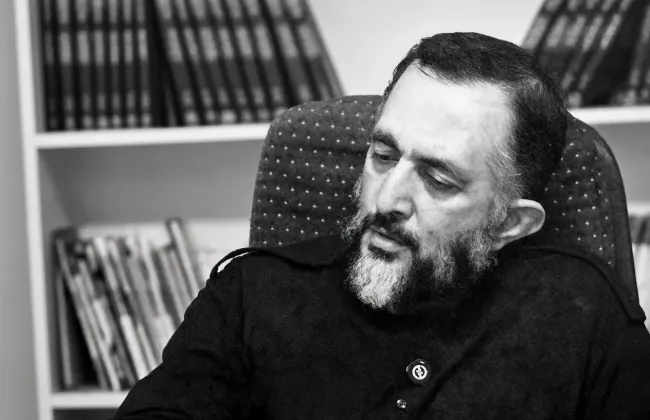
A conversation with Farid al-Din Haddad, the brother-in-law of Seyyed Mojtaba Khamenei: Since June 1997, political activities have been delegated to Agha Mojtaba
Their daughter seriously played football, and they themselves watch a lot of movies. They had special connections with military personnel.
Read more
A non-confidential question: is the customary administrative structure of the Office of the Supreme Leader of the Islamic Republic operating as usual?
If correspondence and reports are sent to the third Supreme Leader of the Islamic Republic in observance of political and military hierarchy, then naturally, Seyyed Mojtaba Khamenei [is the addressee].
Read more
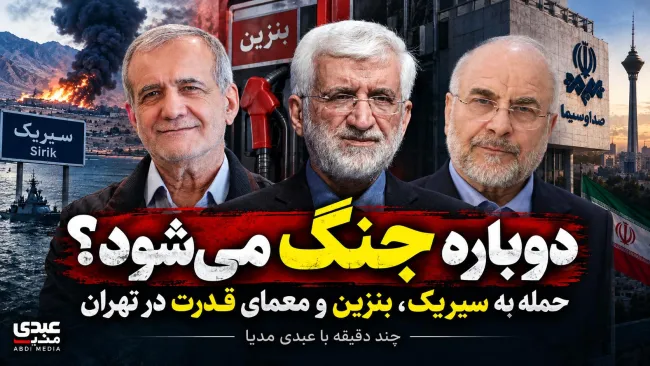
See | Will there be war again? The attack on Sirik, gasoline, and the puzzle of power in Tehran – a few minutes with Abdi Media.
From the YouTube channel of Abdi Media
Read moreTwitter responses on September 4
Read more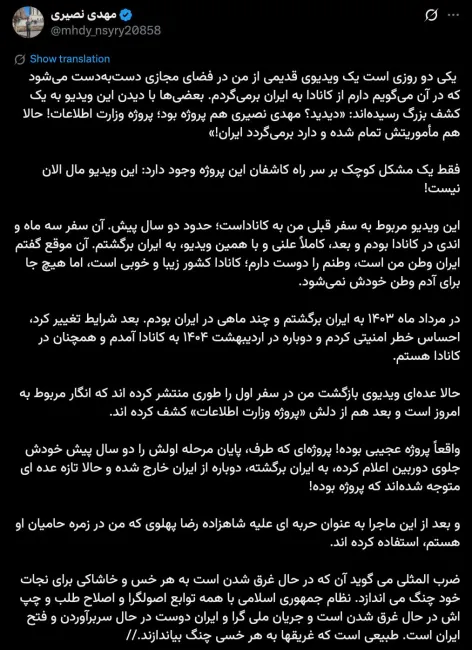
Hujjat al-Islam wal-Muslimin Haj Sheikh Mehdi Nasiri and new explanations regarding the new wave!
Read moreTwitter responses on September 3
Read more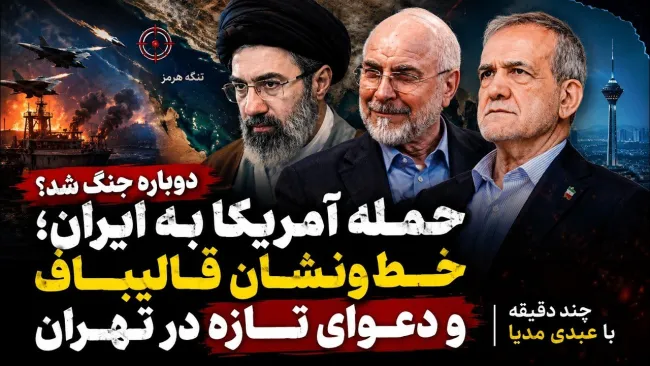
Mohammad Bagher Ghalibaf has labeled the United States the "Great Satan" following a US attack on a wedding ceremony in the southern Iranian island of Sirik, which resulted in civilian casualties .
From the YouTube channel of Abdi Media.
Read more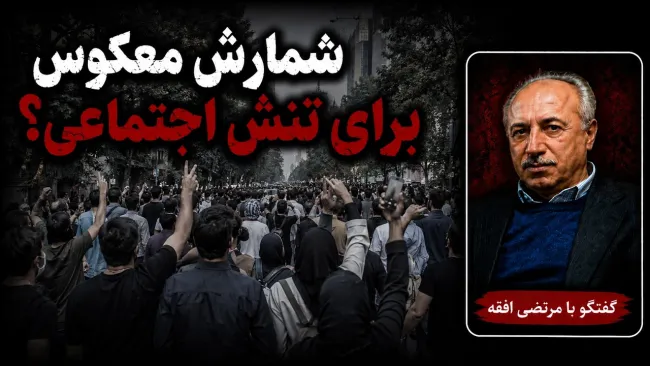
Seyyed Morteza Afghah: There Is Potential for Political and Social Tension
With the high price of gasoline, the price waves reach other goods.
Read more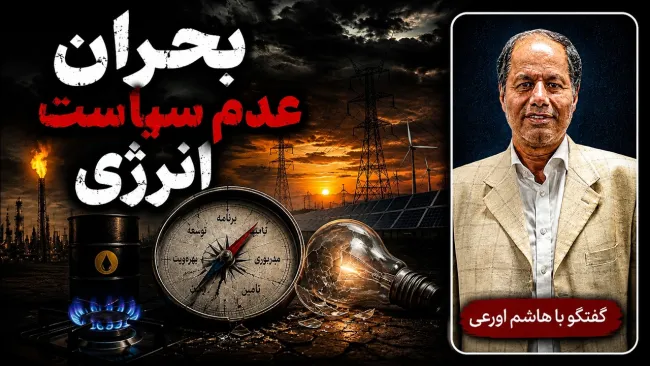
Seyyed Hashem Oraee: We Must Tell the People Two Truths; Problems Will Not Be Solved Overnight and Without Pain
We Want to Solve a Problem That Is Unsolvable; To Put It Bluntly, We Don't Have Something Called "Energy Policy"
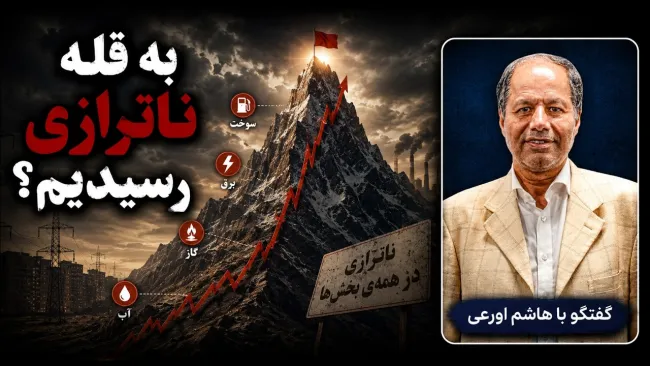
Seyyed Hashem Oraee: I Don't See That Light at the End of the Tunnel; We Haven't Yet Reached the Peak of Imbalance
If we have a cold winter, we will face a gas shortage of between 400 and 500 million cubic meters.
Read more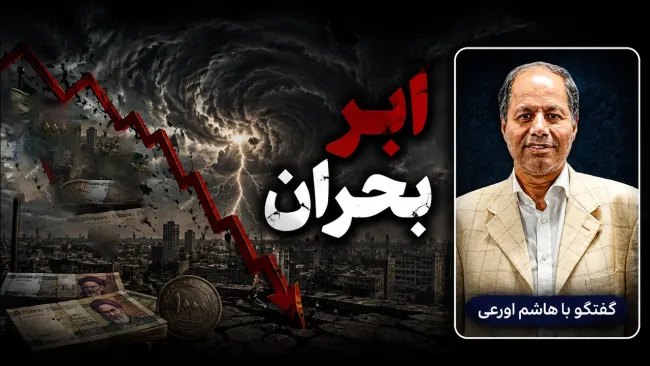
Seyyed Hashem Oraee: We Are Heading Toward a Hyper-Crisis
From the Perspective of Energy Demand, We Are in a Recess; and Even During This Recess, We Have a Severe Energy Problem
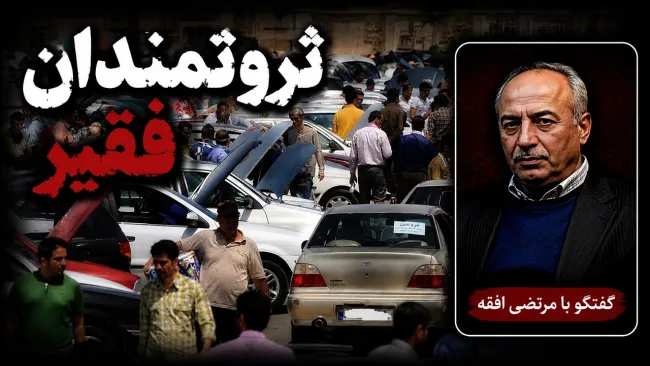
Seyyed Morteza Afghah: The middle class is facing a phenomenon that the rich poor are facing.
The price of their car has gone up, but they don't even have the money to replace a single part of it.
Read more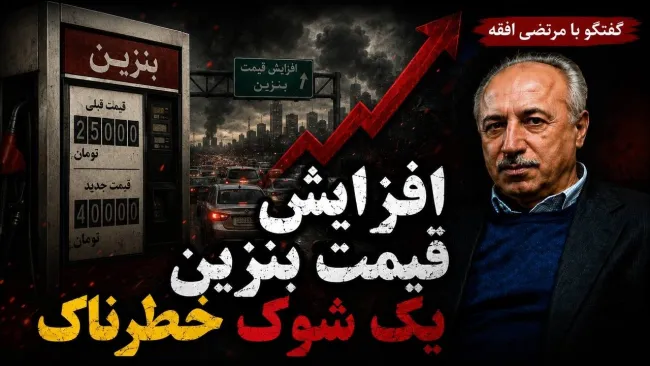
Seyyed Morteza Afghah: Increasing Gasoline Prices Is a Very Dangerous Shock in the Current Situation and Is Not Advisable at All
Gasoline Is a Commodity That Has a Psychological Effect and Has a Very Large Economic Impact on Other Goods
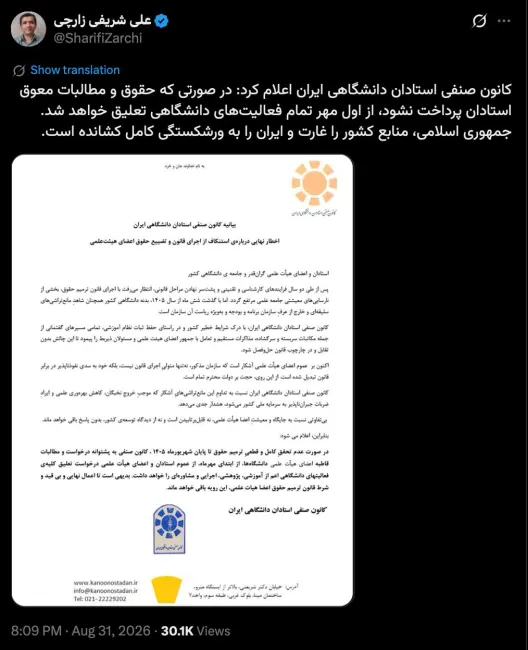
An invitation from Professor Dr. Sharifi Zarchi, following the path of the invitation of Hojjat al-Islam wal-Muslimin Professor Dr. Mohsen Borhani.
Of course, earlier, Professor Borhani removed his call from his account, in which he had invited professors from universities across the country to strike starting from the first day of the current month (Mehr) to claim their rights.
Read more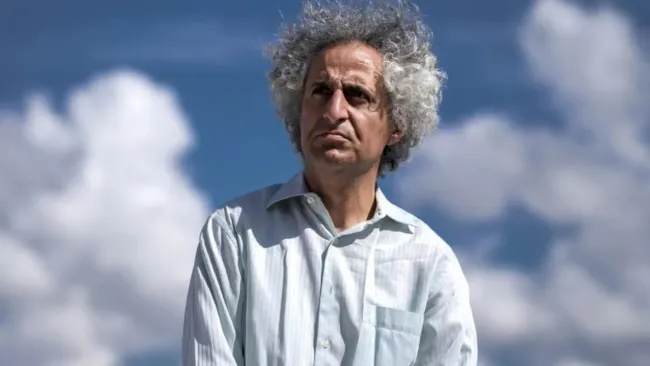
The Role—Whether Knowingly or Unknowingly—in Narrating the "Hor-Making" of the Islamic Republic in the Era of the Third Supreme Leader's Guardianship
I have seen that after Mohsen Namjoo's return, old videos have resurfaced of his explicit positions against the Islamic Republic and even against the sacred Sharia.
Read more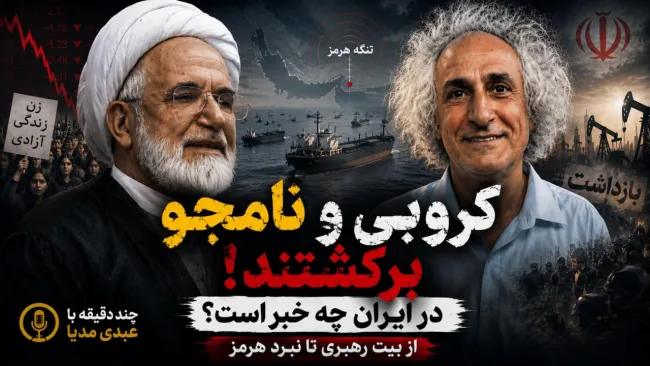
See | Karoubi and Namjoo are back; what's happening in Iran? From the Leader's residence to the Hormuz battle.
A few minutes with Abdi Media from the Abdi Media YouTube channel.
Read more
Seyyed Morteza Afghah: Rent is not inherently negative; it is a policy for reducing inequality.
I am not opposed to the liberalization of the exchange rate, but it will never happen.
Read more
Seyyed Morteza Afghah: Iran's economy cannot support this model of governance without oil money.
If all three of these events happen tomorrow and we still do not accept structural change, we will remain dependent on oil.
Read more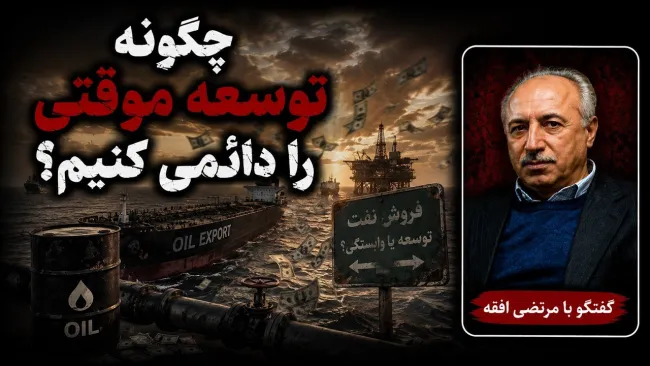
Seyyed Morteza Afghah: If development originates from oil, it holds no value because such development is not permanent.
To turn temporary development into permanent development, you must use that oil in the direction of investing in human resources.
Read more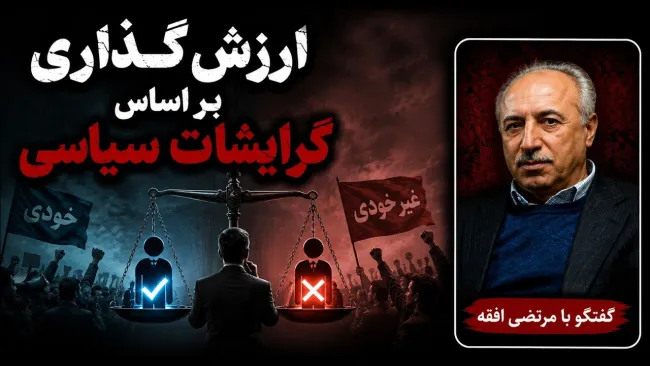
Seyyed Morteza Afghah: We have a value system in which decision-making based on development, welfare, and progress does not hold a high rank.
The roots of the current problems are mainly internal; external pressures have merely exacerbated them.
Read more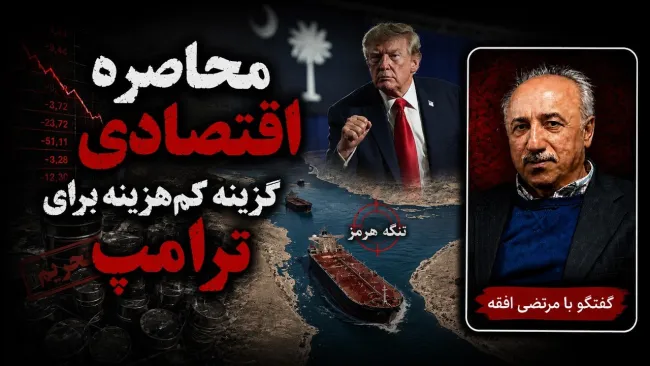
Seyyed Morteza Afghah: Trump, having not succeeded in military operations, has resorted to a lower-cost military operation.
We are not in a good economic situation, and if these threats become more serious, it is natural that the pressures will also increase.
Read more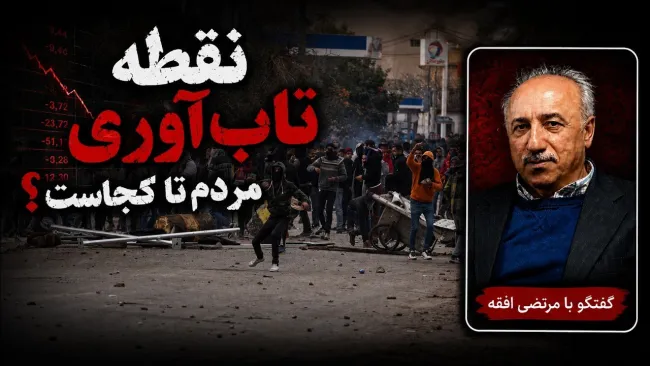
Seyyed Morteza Afghah: The people's resilience threshold is linked to the government.
For now, the middle class is getting poorer, but if this trend continues, the middle class may disappear.
Read more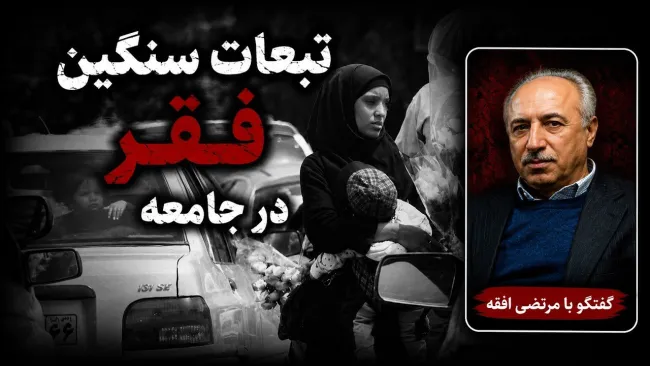
Seyyed Morteza Afghah: The danger of poverty is a serious risk that carries many political and social consequences.
The average society's tolerance has its limits, and the government should not allow individuals to reach that level of moral decline.
Read more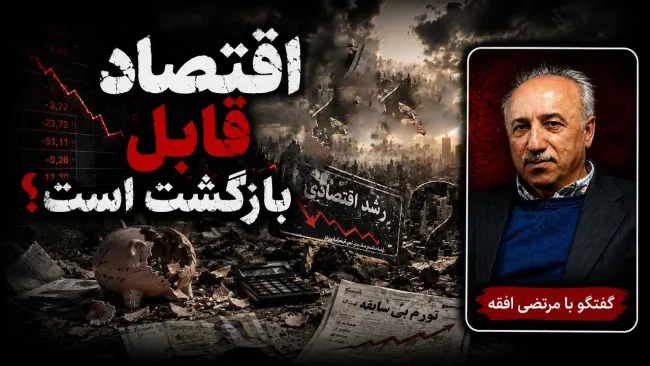
Seyyed Morteza Afghah: The 200,000-toman dollar is currently the psychological impact of Trump's threats; the current dollar rate was not unexpected and was predictable.
Following a decline in oil sales due to intensified sanctions, the curtain has been lifted.
Read more
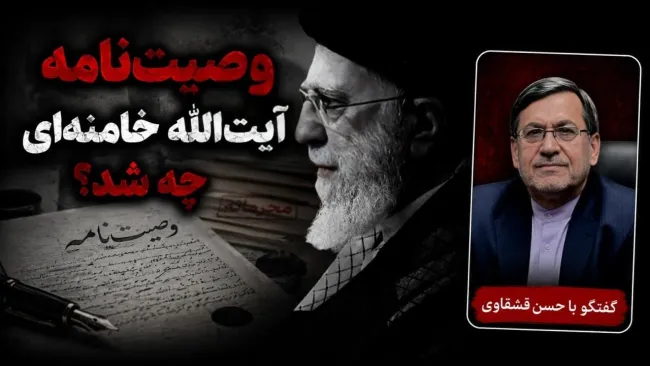
Hassan Ghashghavi's explanations regarding the will of Ayatollah Khamenei.
The security conditions are such, and parliamentary sessions are held with various protocols.
Read more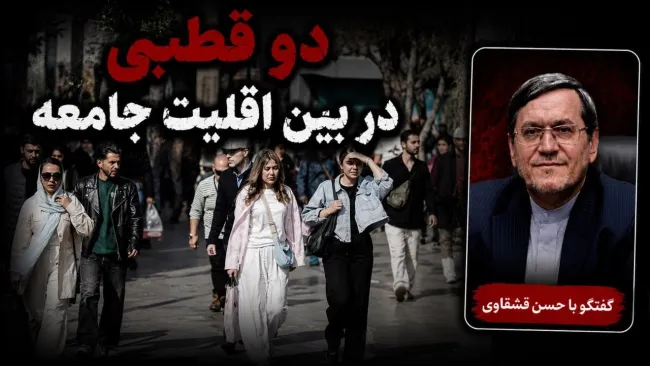
Hassan Ghashghavi: There is a polarization in our society, but it exists among a minority in the country.
The majority of the military and judicial personnel earn no more than 20 to 30 million.
Read more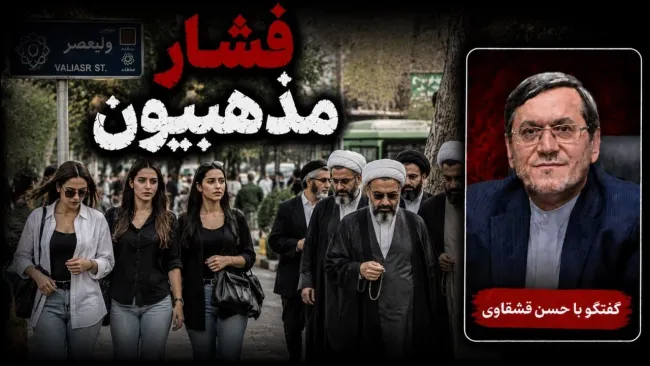
Hassan Ghashghavi: We believe in freedom of expression, but only to the extent that it does not lead to violation of norms.
The pressure is now greater from the religious side.
Read more
Iran is sitting on a sea of oil, yet trapped in a fuel shortage; has the energy crisis reached a breaking point?
A conversation with Dr. Seyyed Hashem Oraei, professor at Sharif University and head of the Union of Iran's Energy Associations, is now on the Abdi Media YouTube channel.
Read more
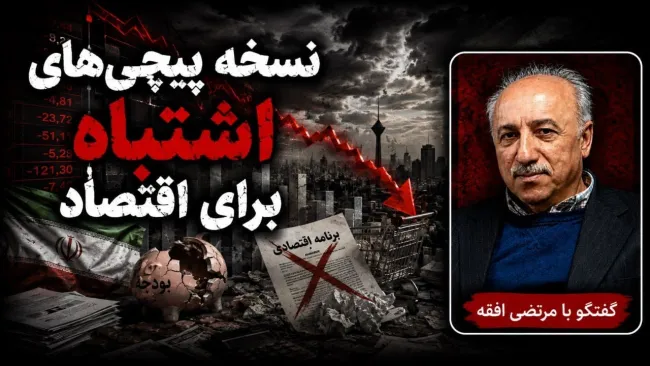
Seyyed Morteza Afghah: Economic reforms have been carried out since the time of Mr. Rafsanjani, but the result has been worse.
You cannot prescribe a solution for the economy in a "vacuum."
Read more
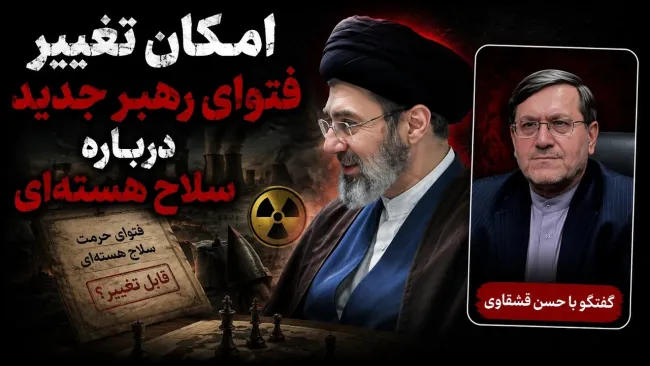
Hassan Ghashghavi: From a religious perspective, it is possible for the new leader's fatwa on nuclear weapons to change
For the future policy of the Islamic Republic in this regard to be determined, the opinion of the current Leader must be clarified .
Read more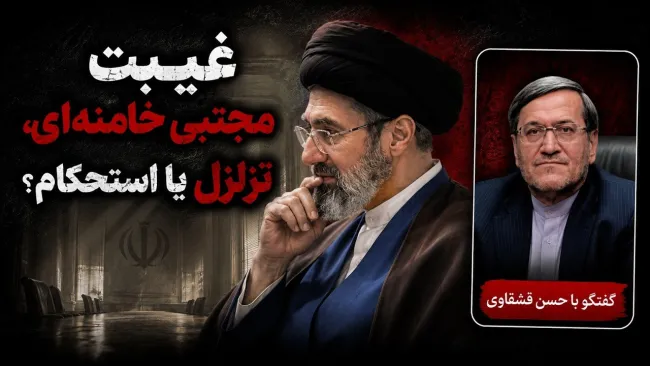
Hassan Ghashghavi: Imam Mahdi has been absent for 1,200 years, but do we, as religious people, neglect obedience to the command of the Master?
If the Leader is not present in person but everyone is so obedient to his command, this should logically indicate the cohesion of the system.
Read more
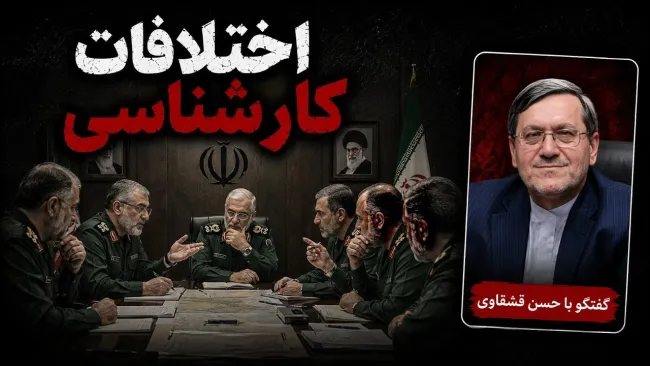
Hassan Ghashghavi: Regarding the Strait of Hormuz issue, there can be differences of opinion within the IRGC at the expert level.
In this one-year war, not even one of our diplomats became a refugee.
Read more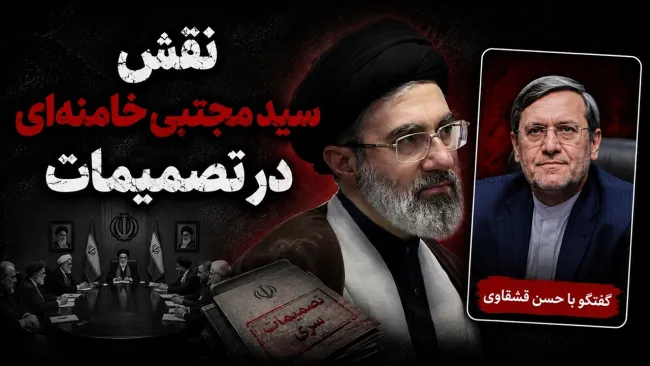
Hassan Ghashghavi: The Leader is in full health and has complete oversight of everything.
From the very first poll, the overwhelming majority of hearts turned towards His Holiness Ayatollah Seyyed Mojtaba Khamenei.
Read more
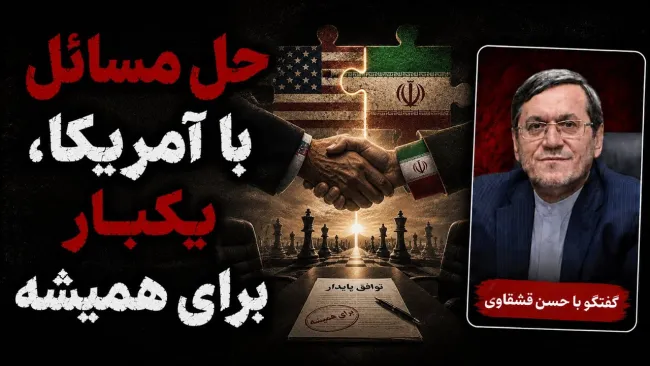
Hassan Ghashghavi: Death once, mourning once; this time we want to end these issues with the US for good.
Iran has never had economic problems with American companies.
Read more
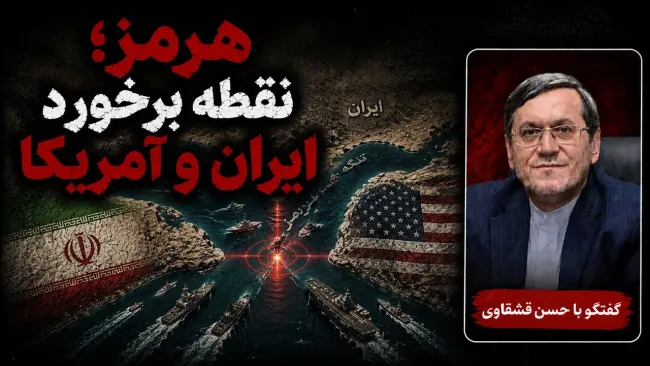
Hassan Ghashghavi: Determining a corridor for the Strait of Hormuz is our natural right.
As the negotiations with Oman were progressing well, the US threatened to bomb them
Read moreSee | The 200,000-toman dollar and empty tables; can an agreement with the US save the economy? A conversation with Dr. Seyyed Morteza Afghah.
From the YouTube channel of Abdi Media
Read more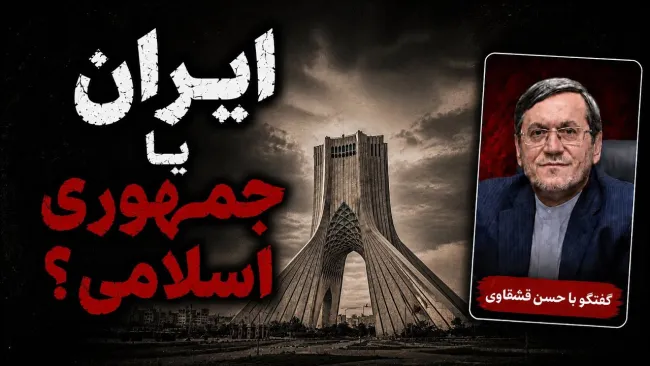
Hassan Ghashghavi: We cannot use the Islamic Republic instead of Iran and justify all the actions of Israel and the United States.
No country is willing to compromise even an inch of its national sovereignty.
Read more
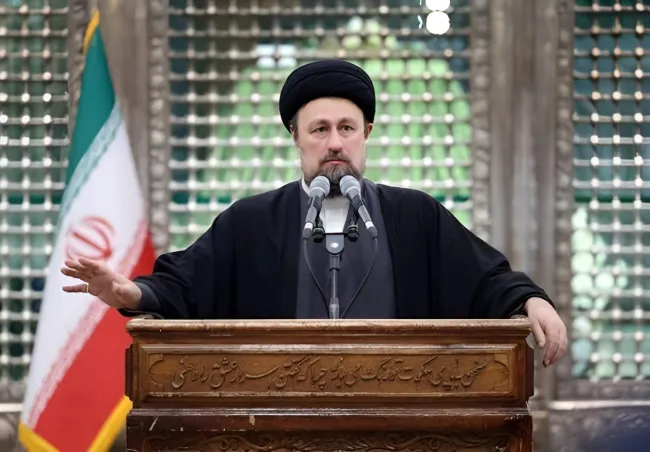
Historical repetition of Ayatollah Seyyed Ali Khamenei's words (the silence of the elites) by Seyyed Hassan Khomeini: Sometimes silence is lying.
Experts who remain silent where they should not, either out of fear or greed, are traitors.
Read more
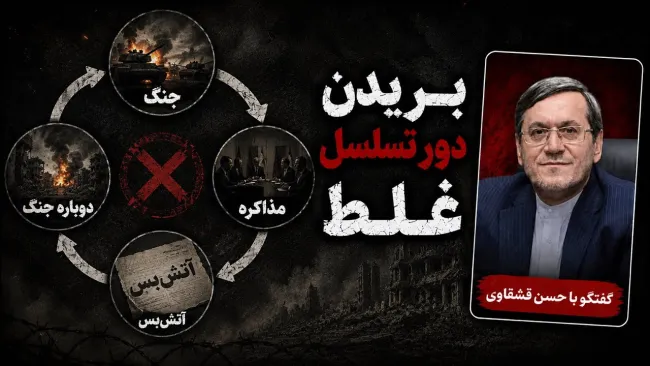
Hassan Ghashghavi: The vicious cycle of "war, negotiation, ceasefire, and again war, negotiation..." must be broken.
Sanctions always put a great deal of pressure on the vulnerable segments of the population.
Read more
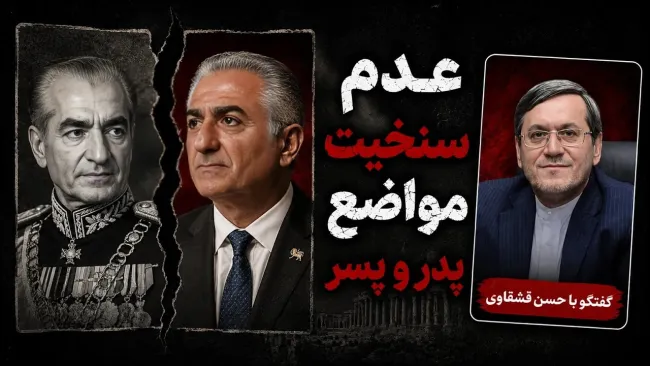
Hassan Ghashghavi: The Shah's son and supporters of the monarchy have no affinity with the positions of Mohammad Reza.
Even during the Shah's time, he had declared that the Strait of Hormuz is not international.
Read more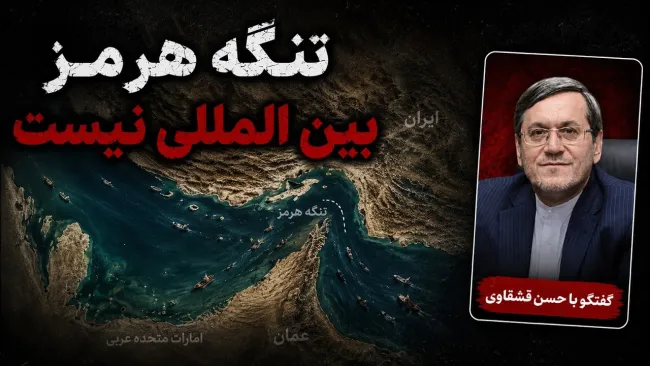
Hassan Ghashghavi: The Strait of Hormuz is not an international strait
If it is determined which side has violated the Islamabad Memorandum of Understanding, the future situation will become clearer.
Read more
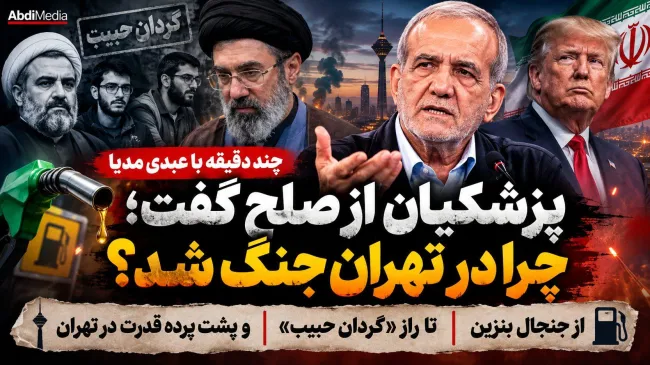
Tonight on Abdi Media | Pezeshkian spoke of peace; why did war break out in Tehran? From gasoline to the secret of the "Habib Battalion" – a few minutes with Abdi Media.
21:10 Iran time.
Read more
Right now on Abdi Media | From the health of the third leader and Ayatollah's will to the Strait of Hormuz and the possibility of building an atomic bomb, in an exclusive interview with Hassan Ghashghavi,
the spokesperson for the National Security and Foreign Policy Commission of the Majlis. Watch from Abdi Media's YouTube channel
Read more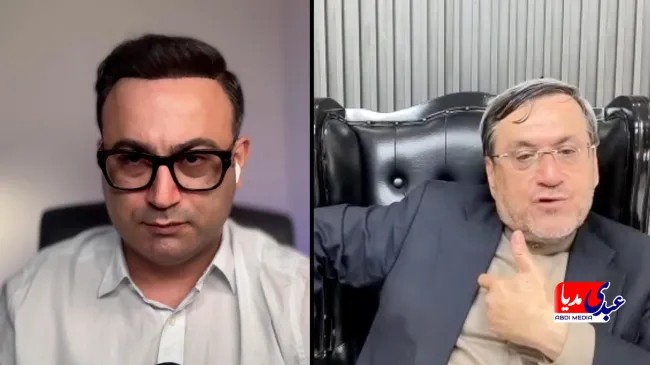
Ghashghavi: From a religious perspective, it is possible for the new leader's fatwa on nuclear weapons to change.
From a jurisprudential and religious perspective, it is possible that the fatwa of Ayatollah Seyyed Mojtaba Khamenei regarding nuclear weapons may differ from the fatwa of the previous Leader of the Islamic Republic.
Read more
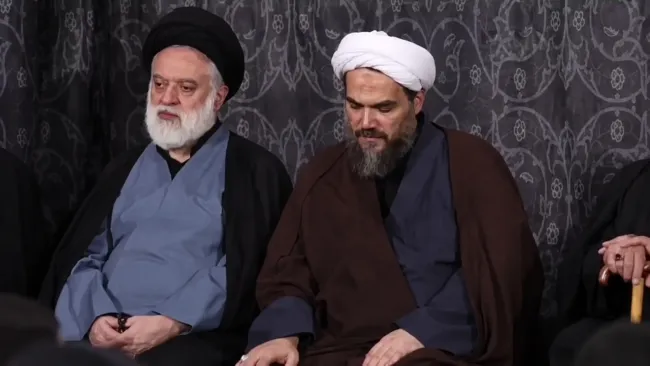
In a public ceremony, no image of Ayatollah Seyyed Ali Khamenei's brothers, Seyyed Mohammad and Seyyed Mohammad Hassan, has been published. Seyyed Mohammad is elderly and ill; what about Seyyed Mohammad Hassan?
Read moreTonight on Abdi Media | From the health of the third leader and Ayatollah's will to the Strait of Hormuz and the possibility of building an atomic bomb
In an exclusive interview with Hassan Ghashghavi, the spokesperson for the National Security and Foreign Policy Commission of the Majlis, tonight at 10:10 PM Iran time on the Abdi Media YouTube channel.
Read more
Twitter responses on August 21
Read more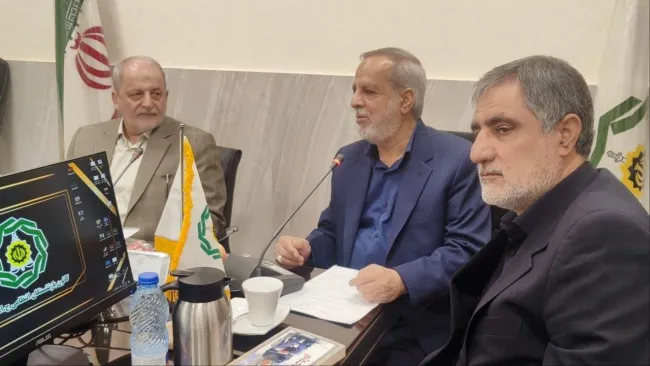
Visit of Brigadier General Ismail Ahmadi Moghaddam, current head of the National Defense University and former commander of the Law Enforcement Forces (NAJA), to the Retirees Center of the Islamic Republic of Iran Law Enforcement Forces.
Read moreTwitter responses on August 19
Read more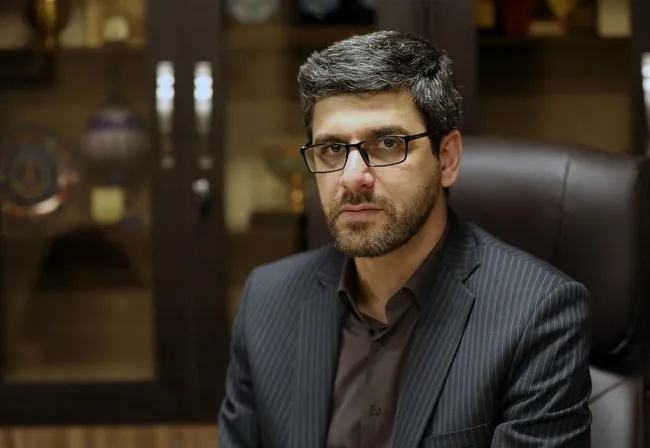
They say that Hamid Fattahi, a former official of the Ministry of Intelligence and the current head of the Communications Regulatory Authority, may be appointed as the secretary of the Supreme Council and the head of the National Center for Cyberspace.
Of course, if the negotiations are successful.
Read more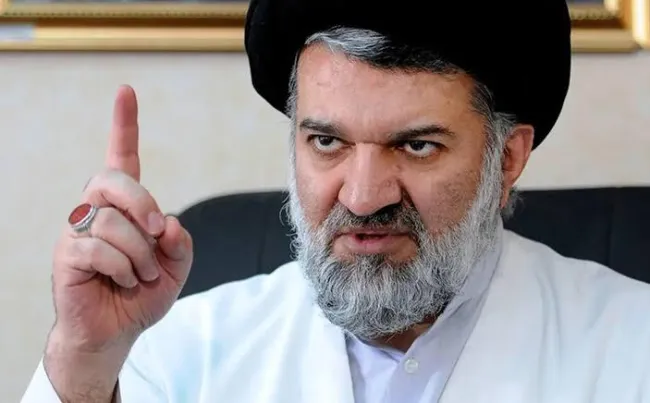
It is said that following the directives and orders of the prosecutor specially appointed for the clergy, Seyyed Mohammad Baqer Kharrazi has been arrested by the special prosecutor for the clergy in Qom...
and the process of judicial proceedings against him has begun.
Read more
Twitter responses on August 17
Read moreTwitter responses on August 16
Read more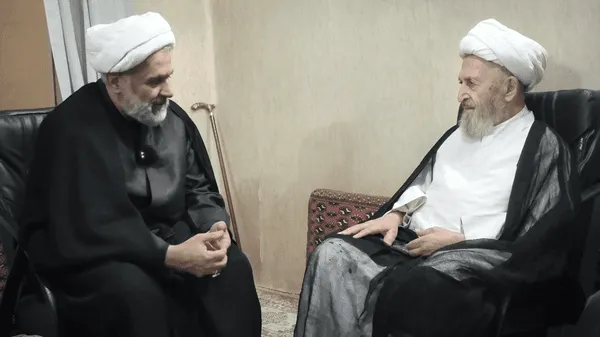
Meeting of Sheikh Hossein Taeb, head of the Basij Organization of the Oppressed, with scholars and sources of emulation (marja' taqlid) in Qom.
Read more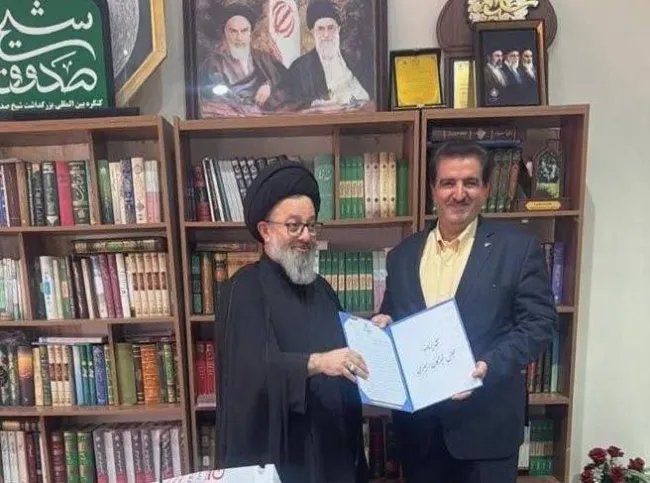
As if the appreciations of the head of the administrative office of the Assembly of Experts continue to such an extent that it has become media-covered.
The head of Islamic Azad University, the Minister of Agricultural Jihad, and now the CEO of Refah Bank
Read moreTwitter responses on August 13
Read moreTwitter responses on August 12
Read more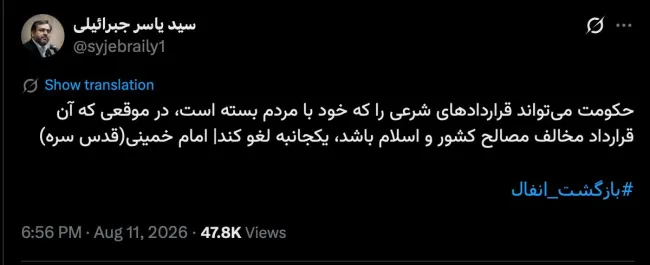
The Secretary-General of the Islamic New Civilization Party, citing the founder leader's view in a tweet, has called for the unilateral cancellation of government contracts under the pretext of the return of Anfal.
Read more
One question: Does the Supreme Leader of the Islamic Republic have any views on changes to the composition of the Strategic Council on Foreign Relations, or will it continue in its current form?
The other person who did not assume the presidency of this council—who will be the next head of this council?
Read more

The acting head of the Ministry of Intelligence, who (for example, we do not know who he is), offered congratulations!
The current acting head of the Ministry of Intelligence, for whom it has ultimately not been clarified whether the continuation of his acting role, contrary to the constitution, is based on a governmental decree from the third Supreme Leader or not?
Read more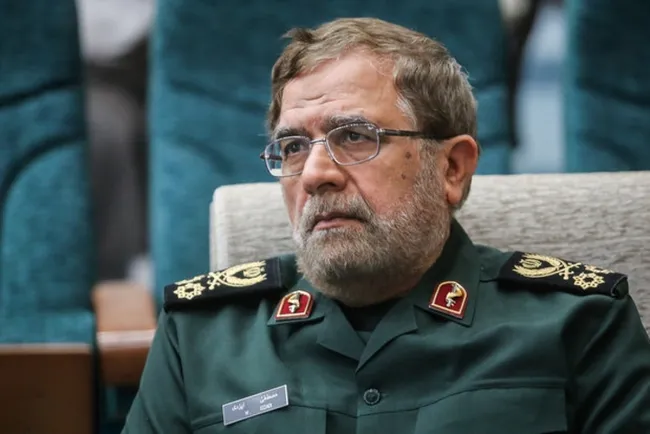
The equation remains unresolved for me: how Major General Mostafa Izadi, a behind-the-scenes expert in intelligence and coordination, transitioned from effective shadow presence to a visible staff figure
under the directives of the third Commander-in-Chie And as the successor of his friend and ally, he took responsibility. Does the third leader want to make the other one a public face? Let it be remembered
Read more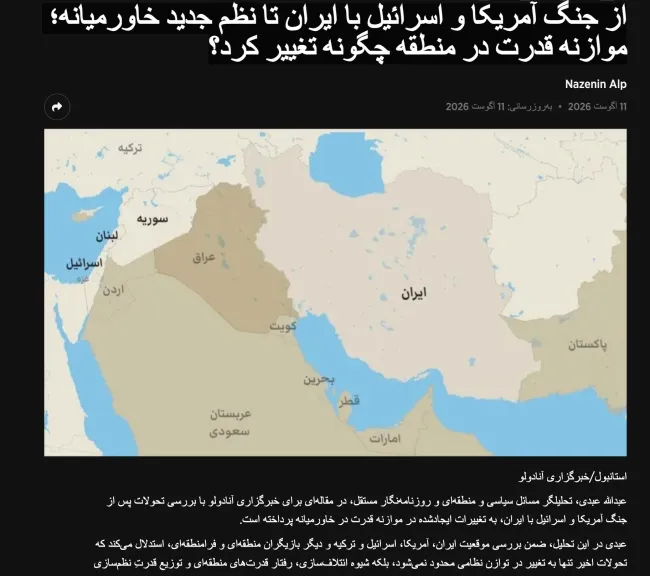
My new note in Anadolu Agency: "From the U.S.-Israel war with Iran to the new Middle East order; How did the balance of power in the region change?"
In this article, I have tried to answer a basic question
Read moreTwitter responses on August 11
Read more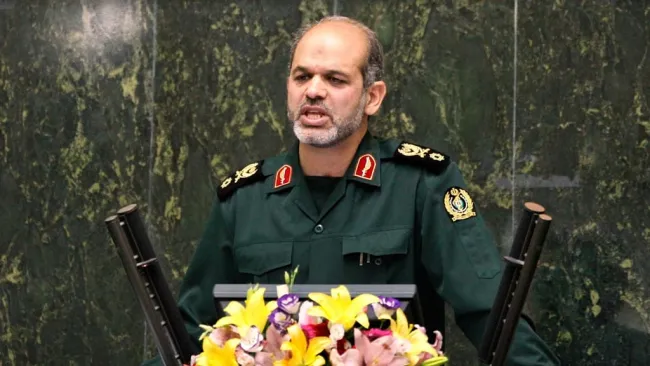
Today, Brigadier General Ahmad Vahidi was officially appointed as the Commander-in-Chief of the IRGC upon being promoted to the rank of Major General.
Ayatollah Seyyed Ali Khamenei, considering [the specified] matters and objectives, issued the decree for Ahmad Vahidi under his real name
Read moreMost Read
Popular reads across Abdi Media