
Conversation
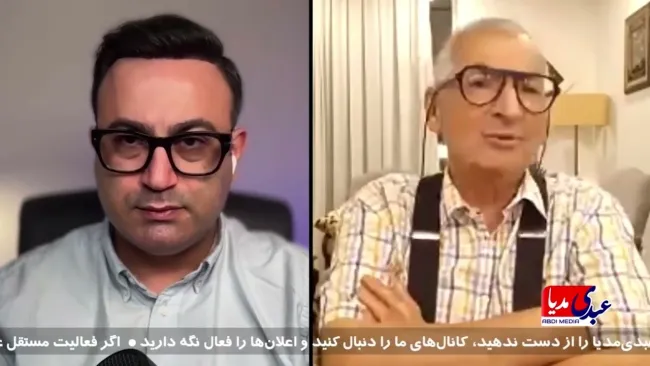
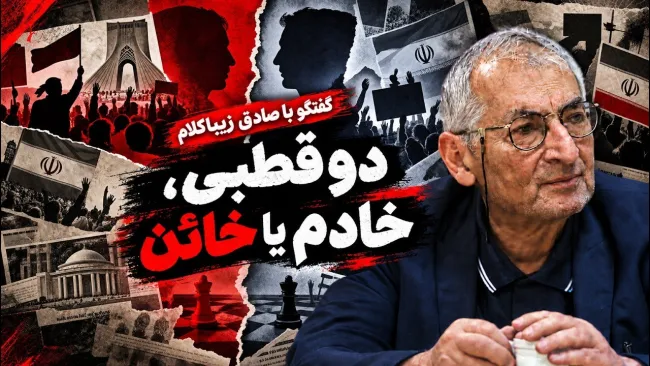
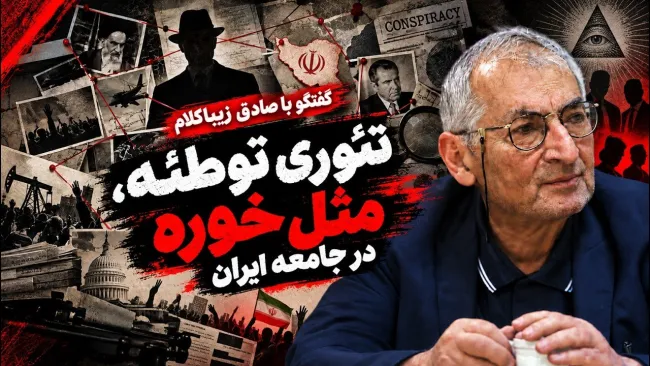
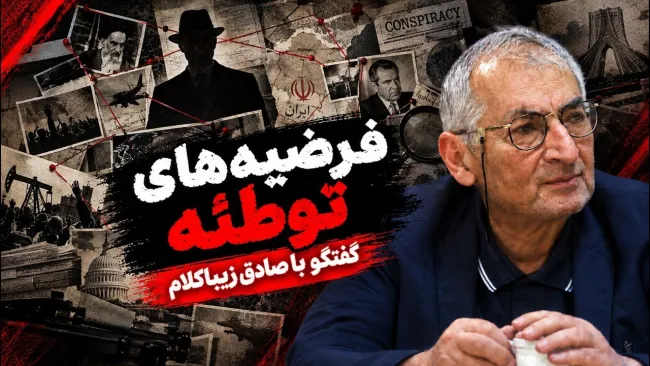
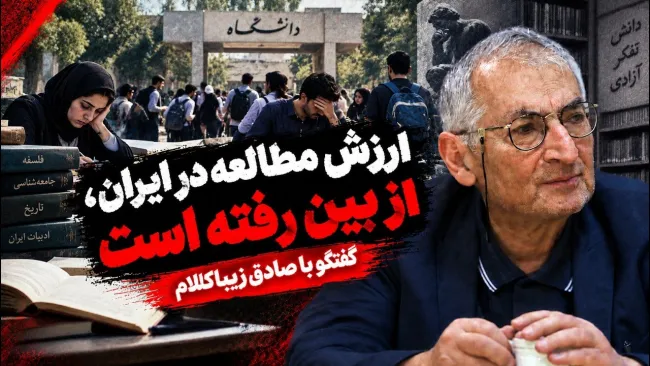
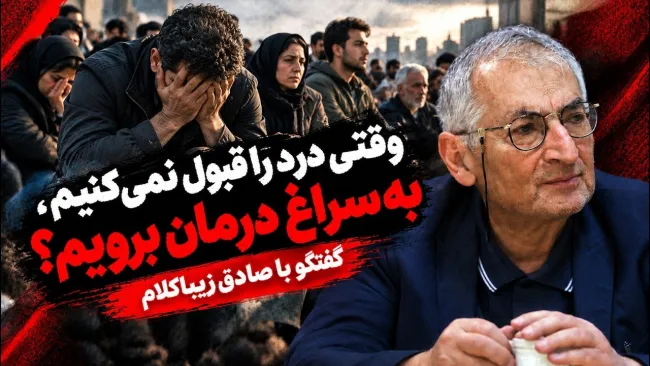
Sadegh Zibakalam: The first step is to acknowledge our backwardness in the humanities.
Blaming sanctions and inflation and so on is more of an excuse; we should first ask ourselves whether we accept the premise of the problem?
Read more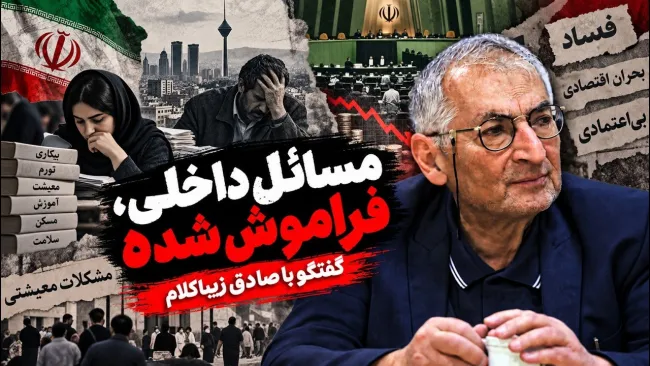
Sadegh Zibakalam: We weren't even capable of studying the phenomena and developments in our own country!
Can't you find an Iranian researcher who has worked on America, Japan, and World War II
Read more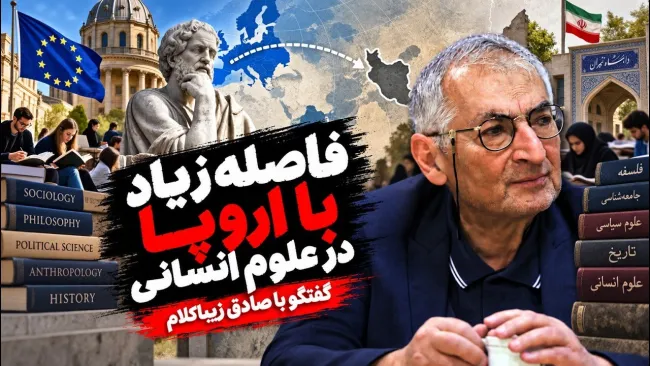
Sadegh Zibakalam: You cannot imagine how far behind the Americans, the French, and... we are in the humanities!
In the humanities, one cannot see difference with the naked eye.
Read more
Sadegh Zibakalam: The reality is that we are terribly backward in the humanities.
Technology can be imported; but you cannot do this with history, sociology, and psychology.
Read more
Sadegh Zibakalam: In the early years of the Revolution, the movement that led to the fall of the Pahlavi dynasty was known as a nonviolent movement
I told the Ministry of Science that I didn’t want to study chemical engineering; the only person who supported my decision was Dr. Abdolkarim Soroush.
Read more
Sadegh Zibakalam: After the revolution, I could not understand why Mohammad Reza Shah's government fell
I presented a project in collaboration with the Ministry of Culture and Islamic Guidance in which I interviewed a number of political figures and personalities; I had one question, "What caused the Mohammad Reza Shah regime to fall"
Read more
Sadegh Zibakalam: As someone who was a political activist, the fall of Mohammad Reza Shah Pahlavi’s regime was beyond my imagination.
The reality is that we are terribly backward in the humanities.
Read more
Hamidreza Taraghi: Increasing people's satisfaction will be the most important priority of the Islamic Republic system.
We must bring our economy to the number one economy in the region.
Read more
Hamidreza Taraghi: Those who chanted such slogans (Long live the Shah) are not at all comparable to the population of the country.
We must accept our shortcomings and take the enemy's plan to overthrow the regime into consideration.
Read more
Hamidreza Taraghi: We mainly had infiltration within Mr. Rouhani’s negotiating team, who were arrested
What we witnessed in this war, apart from the domestic traitors, cannot be attributed to infiltration in any other way.
Read more
Hamidreza Taraghi: Mr. Rouhani’s concern is that the country’s atmosphere is moving in a direction where his performance is being called into question; out of fear that this process will move toward a trial, he is making these remarks.
Mr. Rouhani's mistake is that he does not understand the difference between defense and war!
Read more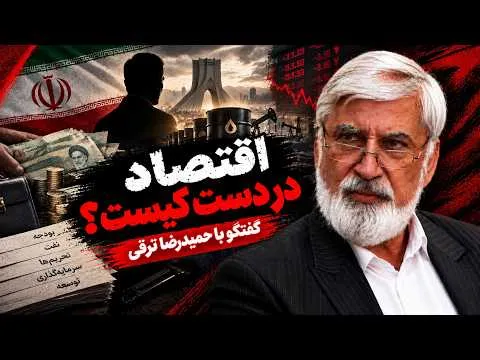
Hamidreza Taraghi: The concept of the new headquarters does not mean that the work will fall into the hands of the military; rather, it means that the work will proceed in coordination with the military forces.
The economy has fallen into the hands of those who are centers of power.
Read more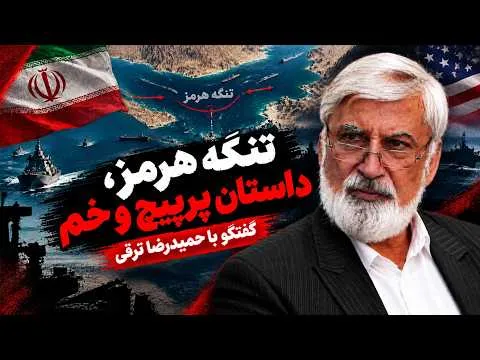
Hamidreza Taraghi: If our agreement with Oman is finalized, except for hostile countries, travel for the rest of the countries will resume.
The bulk of our trade exchanges are conducted by land, rail, and the Caspian Sea; we have reduced our reliance on maritime transport.
Read more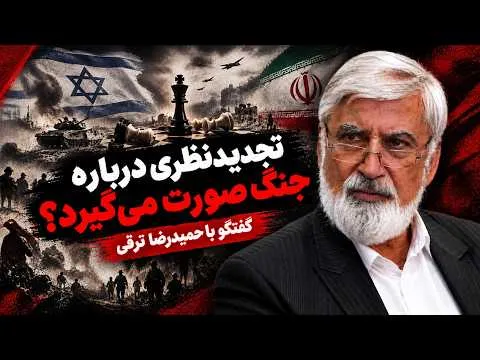
Hamidreza Taraghi: There must be a revision in the nuclear doctrine; we must move toward weapons that directly target the United States itself
We are pursuing solutions that can protect the people of Iran from the harm of U.S. aggression.
Read more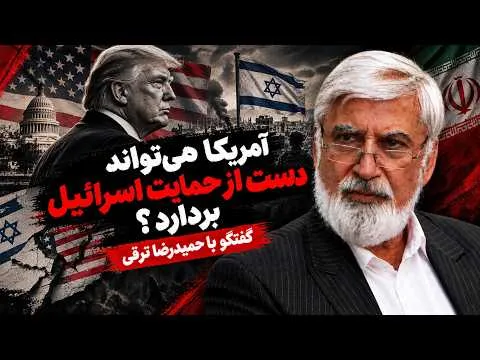
Hamidreza Taraghi: It is possible for the US to stop supporting Israel; a shift on this issue is currently taking place in the US
America must stop its arrogance toward the independent countries of the world.
Read more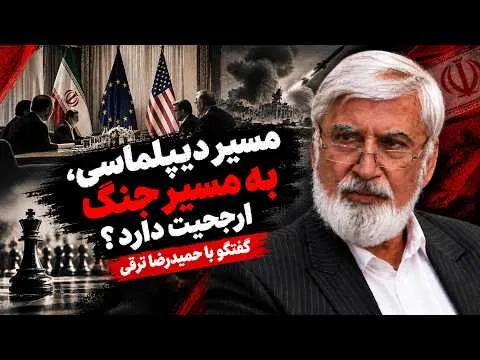
Hamidreza Taraghi: Our people should know that if there is a situation where we can achieve our rights through negotiation and diplomacy, we have a duty to choose that option first.
Through war, we only achieved some of our objectives; through negotiations, we could not have achieved our true nuclear rights.
Read more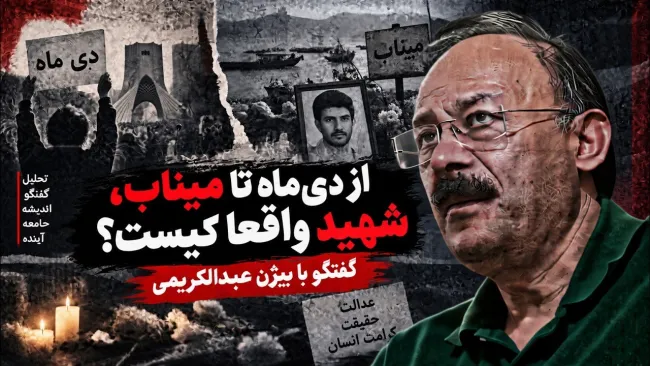
Abdollah Abdi: Who really is a “martyr”?
Conversation with Dr. Bijan Abdolkarimi, philosopher, writer, and university professor
Read more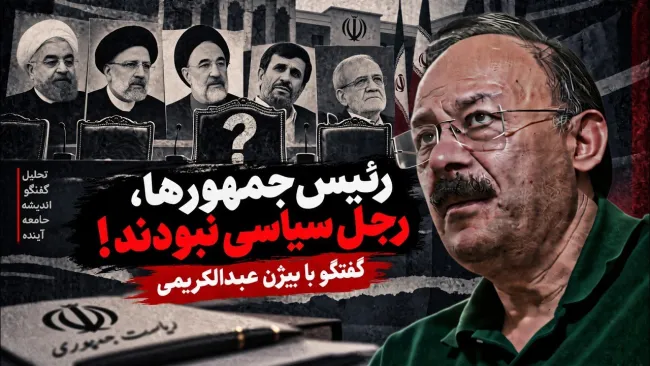
Bijan Abdolkarimi: You are the least of it; if the Hidden Imam were at the head of the government, would these issues not arise?
The vast majority of our presidents were not political figures.
Read more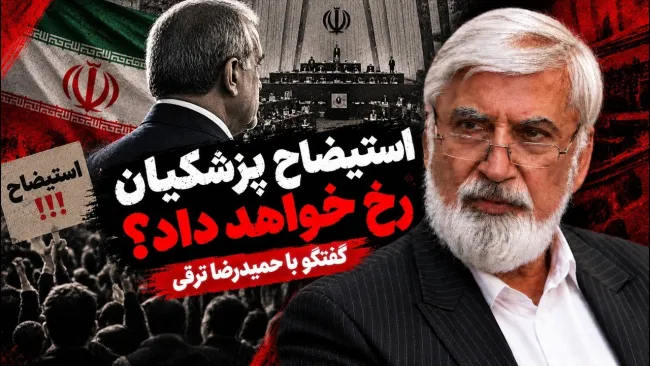
Hamidreza Taraghi: Under the current circumstances, the president’s resignation or impeachment is not in the best interests of the country and the system; it would disrupt the country’s management process.
If there is any criticism, it should also be raised in private meetings between parliament and the government; without the criticisms being made public.
Read more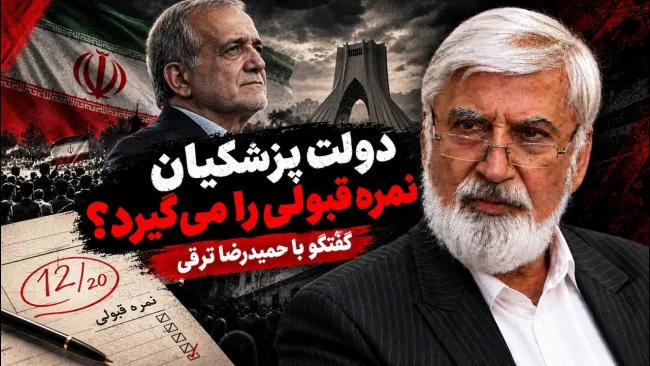
Hamidreza Taraghi: The expectation is not that Mr. Pezeshkian be a principlist; in the economic sphere, the Pezeshkian administration cannot be given a good grade
Due to governments' lack of belief in a resistance economy, this approach was not realized.
Read more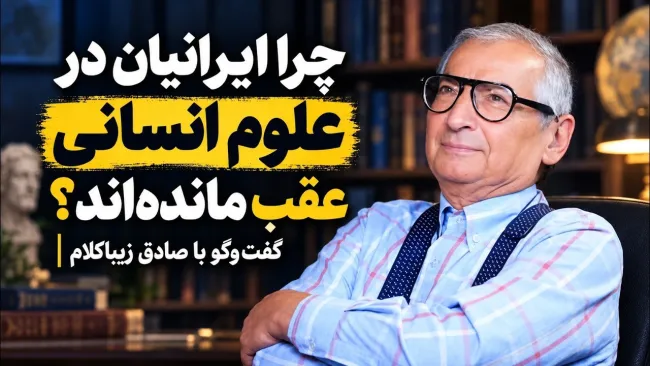
Look | Why are Iranians behind in the humanities? A conversation with Dr. Sadegh Zibakalam, Professor of Political Science at the University of Tehran
From the YouTube channel Abdi Media
Read more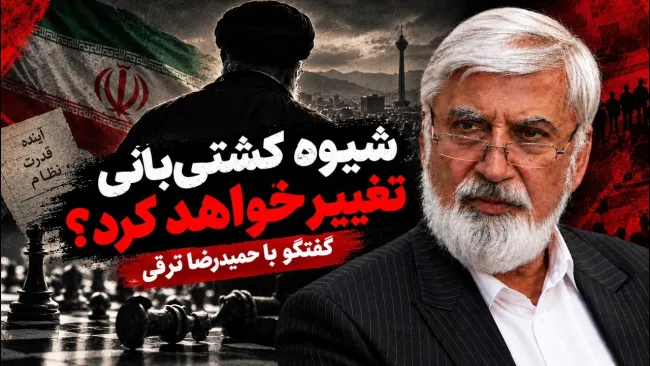
Hamidreza Taraqi: In terms of principles, fundamentals, and ideals, the same path will continue, but the helmsman will certainly have a different way of steering the ship.
The role of the Assembly of Experts in selecting the Leader is a completely independent role.
Read more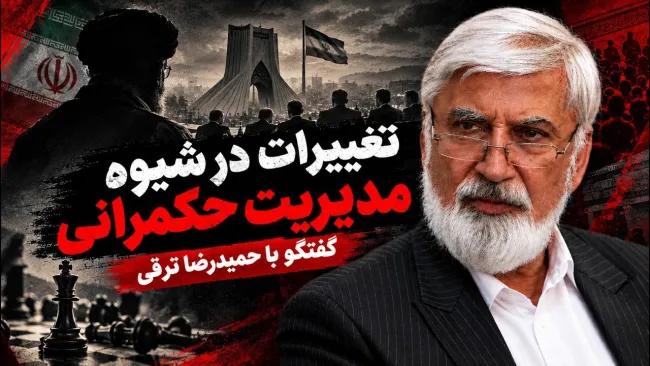
Hamidreza Taraqi: Naturally, we will have changes in the methods of management and governance and in international relations in the future.
Since this era is moving toward pushing America out of the region, it has its own demands.
Read more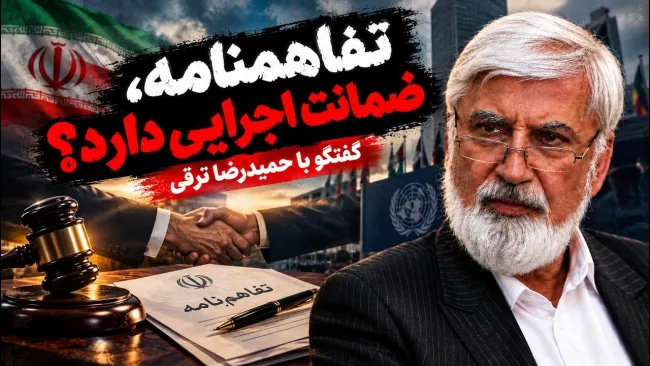
Hamidreza Taraqi: Discussions such as "in principle" indicate that there are differences between his solutions for ending the war and those of the previous Supreme National Security Council.
The memorandum of understanding has no enforcement guarantee.
Read more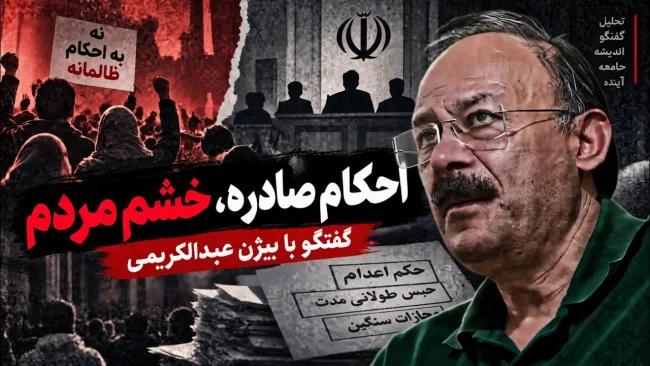
Bijan Abdolkarimi: Rulings were issued that would make people angry.
There are forces in this country that destabilize the country for their own interests.
Read more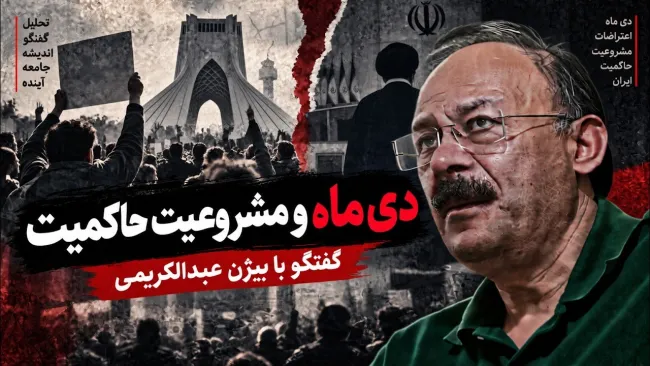
Bijan Abdolkarimi: The crime that took place on January 8 and 9 was an incident that shook the foundations of the system and its legitimacy.
If we treat a student violently simply for asking a question, this is condemnable.
Read more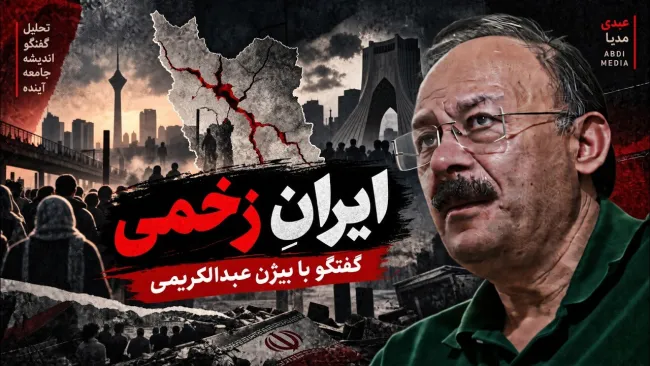
Abdollah Abdi: It cannot be denied that our Iran is a wounded body.
They should ask this question: what happened over the course of nearly half a century under a government that some of those who chanted "Death to the Shah" when this government was founded, half a century later chanted "Long live the Shah"?
Read more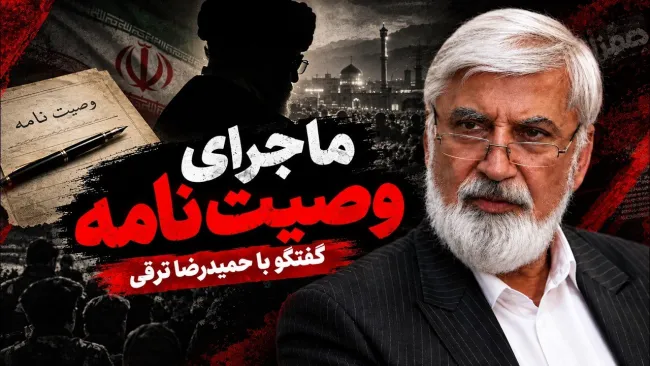
Hamidreza Taraghi: The will was in the same place where the Leader of the Islamic Revolution was martyred
The martyred Leader issued nearly fifty policies on matters needed by the country to the executive, legislative, and judicial branches.
Read more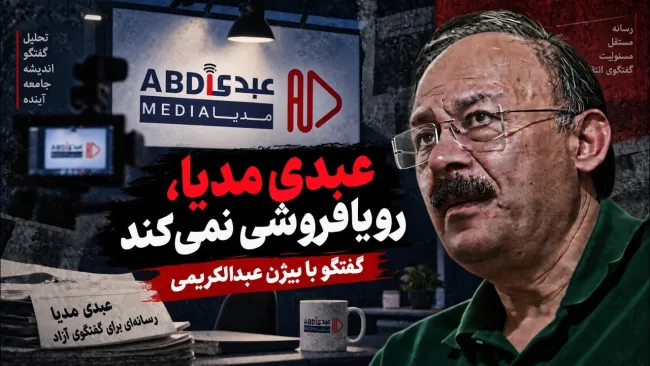
Abdollah Abdi: I am not an intellectual; I am a simple journalist and I do not claim to have a vast and sprawling organization.
I tried to be a servant of the truth as much as possible.
Read more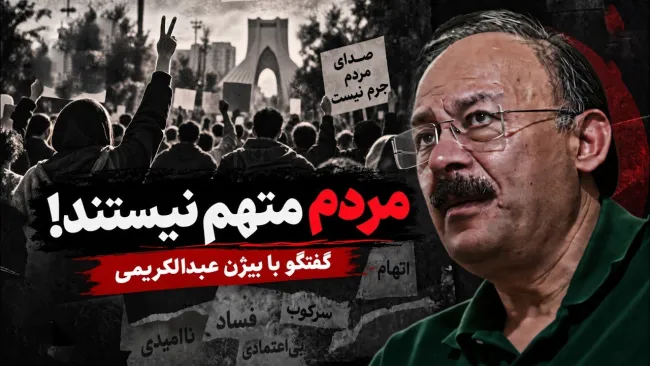
Bijan Abdolkarimi: Anyone who accuses the people is a scumbag; the people are not to blame and are caught up in everyday life.
Can the Mujahideen, Jaish al-Adl, and ethnic separatist forces really sit down at the same table?
Read more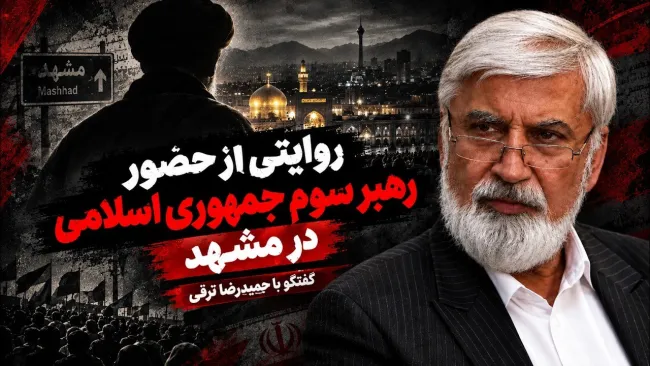
Hamidreza Taraqi: He (the third leader of the Islamic Republic) came to Mashhad at the time of the burial of the martyred leader and was there for a few hours.
It is not possible to make a specific prediction about when the Supreme Leader will appear; it depends on security issues and the level of conflict with the United States.
Read more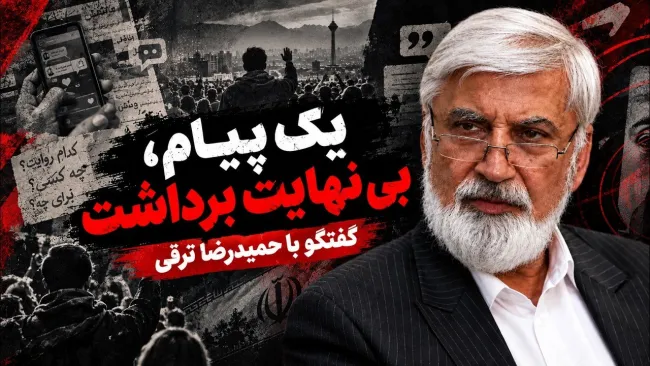
Hamidreza Taraghi: The grudge they bear against the Leader, who witnessed the Revolution, has so far made it necessary for us not to allow them to track him.
A clash of ideas takes place fully across the country; the Leader’s positions are viewed from various angles.
Read more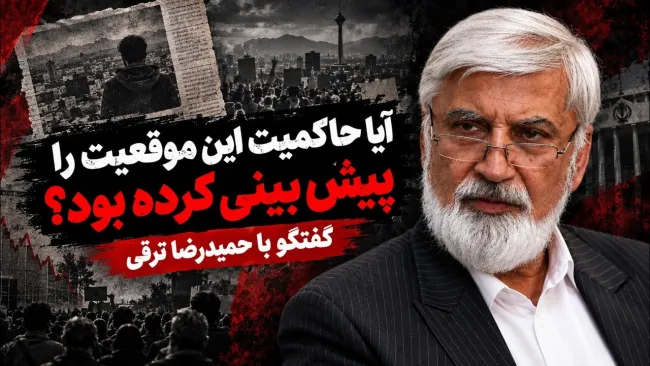
Hamidreza Taraqqi: The Supreme Leader is aware of the issues down to the smallest details.
The government has taken responsibility for the support dimension under wartime conditions.
Read more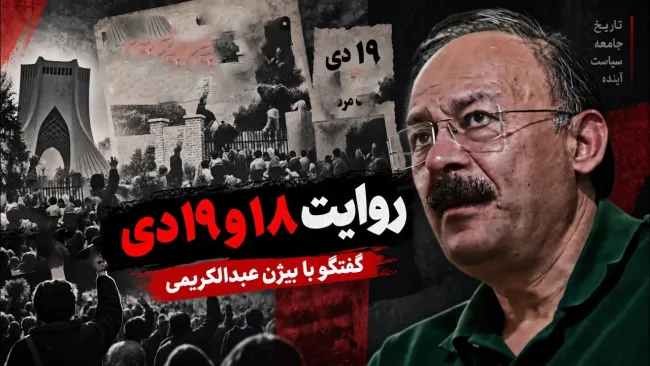
Bijan Abdolkarimi: On the 8th and 9th of Dey, a violence occurred that was unprecedented in Iran's history; in such a country, this violence is quite surprising!
Anyone who downplays this incident has blood on their hands for these young people.
Read more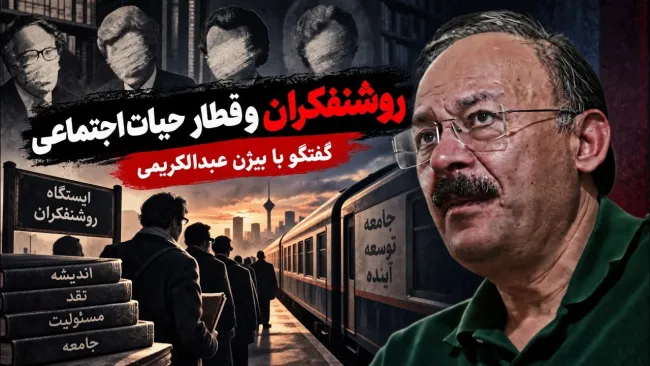
Bijan Abdolkarimi: With the algorithms they created and the cyber forces that supported you, did you think you had a social base?
Now that we have the IRGC, this is our situation; if they weren't here, imagine what our situation would be.
Read more
Bijan Abdolkarimi: Under circumstances where Iran's existence is in danger, is it wise to weaken the government despite having criticisms?
Intellectuals who express joy over Khamenei's assassination are clueless; they think democracy will happen under the boots of the Israelis.
Read more
Bijan Abdolkarimi: Mr. Abdi, with Abdi Media, how much has he contributed to the country's anti-colonial struggles and to increasing the nation's resilience?
Iran has managed to withstand two nuclear powers.
Read more
Bijan Abdolkarimi: Paying attention to a foreign attack is not the core of your discourse; this criticism applies to the majority of intellectuals.
We have a polarized society; one says Soleimani is a hero, another says he is a terrorist.
Read more
Abdollah Abdi: Abdi Media is not a fundraiser for the IRGC headquarters or the seminary.
What I tried to do at Abdi Media was to avoid selling dreams.
Read more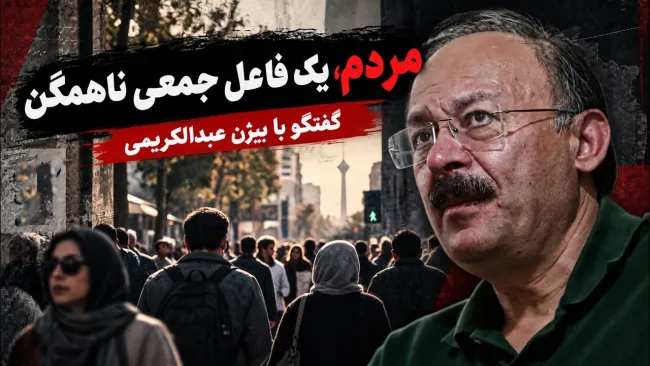
Bijan Abdolkarimi: Are those who call Netanyahu "Bibi" even one percent?
Who do you mean by "the people"? Aren't the families of military personnel part of the people?
Read moreMost Read
Popular reads across Abdi Media