
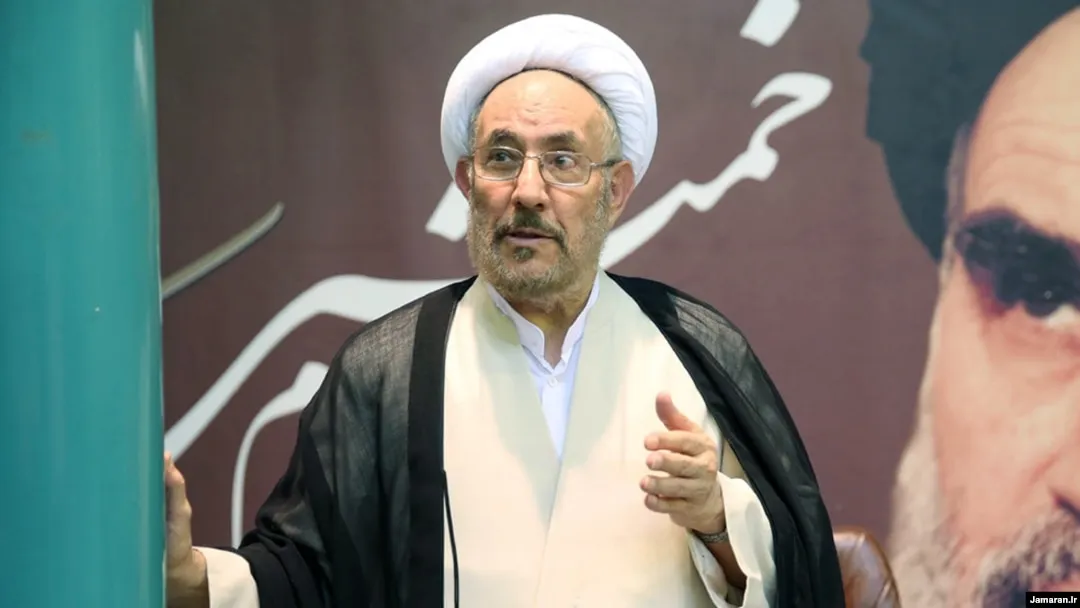
Ali Younesi (Mehr-Ali Younesi), born March 23, 1955, in Nahavand, is a cleric, reformist politician, and one of Iran's most influential security-judicial figures since the revolution. With an exceptional career spanning judicial, intelligence, and executive arenas, he holds a distinct position in contemporary Iranian history. Known in security circles by the alias "Ali Edrisi," he completed his seminary and legal studies and, in the early post-revolutionary years, served as head of the Hamadan Province Judiciary and subsequently head of the Armed Forces Special Courts. The turning point of his career occurred in the autumn of 1998, when the chain murders of intellectuals led to the resignation of Ghorbanali Dorri-Najafabadi (then Minister of Intelligence). In February of that year, Younesi was appointed Minister of Intelligence in the administration of Seyyed Mohammad Khatami—a position he held for six years until the end of the reformist government on August 3, 2005. At the outset of his ministerial tenure, he promised to "maintain neutrality in political disputes," a veiled reference to the partisan stance taken by Ali Fallahian (Rafsanjani's Minister of Intelligence) against Khatami prior to the May 23, 1997 election.
Ali Younesi (originally named Mehr-Ali Younesi; born March 23, 1955, in Nahavand, Hamadan Province) — known in security circles by the alias "Ali Edrisi" — is a prominent Iranian reformist politician, Shia cleric, and post-revolutionary security-judicial figure. He served as Minister of Intelligence of the Islamic Republic of Iran during the seventh and eighth administrations of Seyyed Mohammad Khatami from February 1999 to August 3, 2005 (for 6 consecutive years, following the high-profile resignation of Dorri-Najafabadi surrounding the chain murders scandal). He also served as the Special Assistant to President Hassan Rouhani for Ethnicities and Religious Minorities Affairs from October 1, 2013, to December 2018 (for over 5 years, stepping down following the enforcement of the ban on employing retirees). Furthermore, he is the former head of the Armed Forces Special Courts and the Hamadan Province Judiciary, a key figure in handling the high-profile chain murders of autumn 1998 that officially established the involvement of high-ranking Ministry of Intelligence elements (up to the rank of minister's advisor), and a unique figure as the "Minister of Intelligence who promised to maintain neutrality in political disputes"—a veiled reference to Ali Fallahian's (Hashemi Rafsanjani's Minister of Intelligence) partisan stance against Seyyed Mohammad Khatami prior to the May 23, 1997 election. He is also recognized for his controversial remarks on May 4, 2014, at the end of a two-day trip to Shiraz, which drew widespread positive and negative domestic reactions; as the father-in-law of Mehdi Sanaie (former Iranian ambassador to Russia and noted Russian affairs expert); as a prominent voice warning against Mossad infiltration over the past decade; and as an active participant in the second round of the 14th presidential election in 2024 alongside other notable figures such as Eshaq جهانگیری (Jahangir), Mohammad-Baqer Nobakht, and the Commander-in-Chief of the Army. Over the past four decades, he has remained one of the most persistent and distinct composite security-judicial-executive reformist figures in contemporary Iran.
His trajectory spans from his roots in Nahavand (one of western Iran’s prominent cultural-religious towns) and his joint seminary-academic training to holding early post-revolutionary judicial and security positions (such as head of the Hamadan Judiciary and the Armed Forces Special Courts), navigating the critical turning point of the autumn 1998 chain murders inquiry, serving a 6-year ministerial term under Khatami, acting as a reformist security ideologue through the Ahmadinejad years, supporting Hassan Rouhani's 2013 campaign, serving as presidential special assistant for ethnic and minority affairs, and engaging in contemporary discourse regarding security concerns, foreign policy, and the 2024 elections.
Significance in Contemporary Iran
Ali Younesi’s historical and political significance in contemporary Iran is viewed through several key lenses:
Minister of Intelligence (6 Years): Serving as the architect of the security-intelligence discourse during the pivotal reform era.
The "Neutrality" Pledge: Uniquely establishing a commitment to political neutrality within the intelligence apparatus, distancing himself from predecessors like Ali Fallahian.
Special Assistant for Ethnicities and Minorities (5+ Years): Shaping post-revolutionary discourse regarding ethnic and religious minority rights.
Chain Murders Investigation: Managing the fallout and structural cleanup following the autumn 1998 chain murders investigation.
Family-Diplomatic Networks: Connected through family ties to Mehdi Sanaie, linking him to high-level diplomatic circles focusing on Russia.
Public Reception and Discourse
Public perception of Ali Younesi varies significantly across political factions:
Reformists: View him as Khatami's key intelligence minister, the architect of the chain murders investigation, and a progressive advocate for ethnic minority rights.
Conservatives / Principlists: Have sharply criticized aspects of his intelligence tenure and particularly his controversial May 2014 remarks regarding the "Iranian Empire" and "Baghdad as its capital."
Human Rights Advocates: Have raised sustained critiques regarding security and judicial cases overseen during his ministerial tenure.
Centrist / Moderate Supporters: Highlight his recent security warnings regarding Mossad infiltration and his stabilizing institutional roles across multiple administrations.
Life and Background
Ali Younesi was born on March 23, 1955, in Nahavand, Hamadan Province, a key cultural-religious hub in western Iran.
Family and Aliases
Original Name: Mehr-Ali Younesi.
Security Alias: Known in security circles as "Ali Edrisi."
Family Ties: Father-in-law of Mehdi Sanaie, former Iranian Ambassador to Russia and an expert on Russian affairs.
Early Career and Judicial Posts
Following his completion of seminary and legal studies, Younesi held early post-revolutionary posts, serving as the head of the Hamadan Province Judiciary and later as the head of the Armed Forces Special Courts.
Ministry of Intelligence (February 1999 – August 3, 2005)
Following the resignation of Ghorbanali Dorri-Najafabadi in the wake of the chain murders scandal—which confirmed the involvement of high-ranking ministry personnel—Younesi was appointed Minister of Intelligence in February 1999 by President Mohammad Khatami. Upon taking office, he pledged to maintain political neutrality. His 6-year tenure spanned major historical events, including the July 1999 university protests, city council elections, the 6th Parliament elections, the 2001 presidential election, post-9/11 developments, the 7th Parliament elections, and the 2004 presidential election, concluding on August 3, 2005.
Special Assistant for Ethnicities and Minorities (October 2013 – December 2018)
On October 1, 2013, President Hassan Rouhani appointed Younesi as his Special Assistant for Ethnicities and Religious Minorities Affairs. During this tenure, he focused on minority rights, though his May 4, 2014 remarks in Shiraz regarding historical regional influence generated substantial domestic controversy. He remained in this position until December 2018, when he stepped down due to the retirement law.
Recent Stances and Activities
Warnings on Mossad Infiltration: In recent years, Younesi publicly warned that over the past decade, Mossad infiltration into various state sectors has reached a level requiring serious concern among officials.
2024 Election Participation: He actively participated in the second round of the 14th presidential election in 2024 alongside other reformist-moderate figures.
Frequently Asked Questions
Who is Ali Younesi?
Ali Younesi (born Mehr-Ali Younesi on March 23, 1955, in Nahavand) is an Iranian reformist politician, Shia cleric, former Minister of Intelligence under Mohammad Khatami (1999–2005), and former Special Assistant to President Hassan Rouhani for Ethnicities and Minorities (2013–2018).
What was Younesi's security alias?
He was known in security circles by the alias "Ali Edrisi."
Who is Younesi's son-in-law?
Mehdi Sanaie, the former Iranian Ambassador to Russia and a prominent Russian affairs expert, is his son-in-law.
When did Younesi serve as Minister of Intelligence?
He served from February 1999 until August 3, 2005, following the resignation of Ghorbanali Dorri-Najafabadi in connection with the chain murders investigation.
What was Younesi's role regarding ethnic minorities?
He served as President Hassan Rouhani's Special Assistant for Ethnicities and Religious Minorities Affairs from October 2013 to December 2018.
What recent warnings has Younesi issued?
He has publicly warned about the depth of Mossad infiltration across various sectors of the country over the past decade.
Take less than a minute, register and share your opinion under this post.
Insulting or inciting messages will be deleted.
Sign Up