
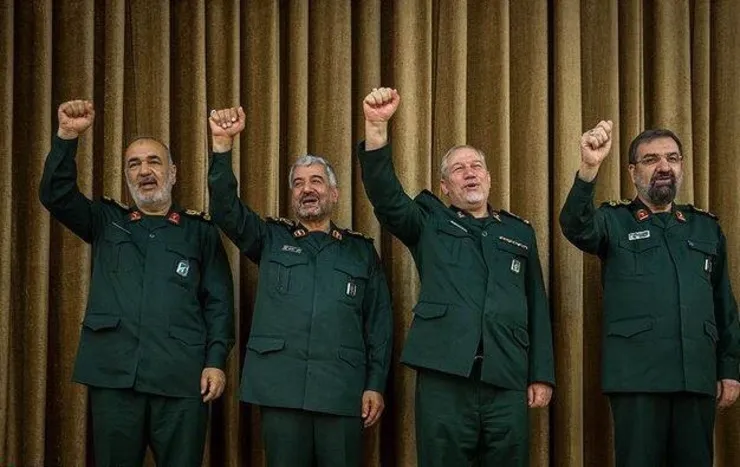
A comprehensive review of the commanders of the Islamic Revolutionary Guard Corps from its formation to the present day, along with the roles, backgrounds, and structural changes of this military institution in the Islamic Republic of Iran.
Introduction
The Revolutionary Guards was formed in the first years after the victory of the 1357 revolution in a situation where several armed groups and various committees were responsible for maintaining internal security. The lack of a unified military structure made it necessary to create a coherent organization under the supervision of the Revolutionary Council.
Finally, by merging different groups, a new structure was formed, which was later known as the Islamic Revolutionary Guard Corps.
Formation of the initial structure of the Corps
In the first months after the revolution, several armed movements were active in the country, which included different political and religious groups. These groups were gradually integrated into a single structure.
In the same period, an initial council was formed to manage the IRGC, whose members were chosen from among various revolutionary figures. This council was responsible for organizing the forces, defining the internal structure and creating operational units.
The initial composition of the command
Among the people related to the initial structure, we can mention these figures:
- Javad Mansouri (initial commander)
Abbas Aghazamani (in charge of operations)
Mohsen Rezaei (information and planning)
Mohsen Rafiqdoost (procurement)
Morteza Alveiri (public relations)
Yusuf Kolahdoz
Ismail Shamsi
Ali Daneshmonfard
Commanders of the Corps from the beginning until today
1. Javad Mansouri (first commander)
Javad Mansouri was born in Kashan city. He was a member of the "Group of Islamic Nations" known as the group of 55 people and started his political activities in this group in the years before the revolution.Mansouri was first arrested in 1965 due to political activities and sentenced to six years in prison, but he was released in 1969. After his release, he continued his activities in religious-political groups and was arrested again in 1972, remaining in prison until the victory of the Revolution.
After the Revolution, he served as the first commander of the Islamic Revolutionary Guard Corps from May 1979 to March 1980, appointed by Seyyed Mohammad Beheshti. With the appointment of Abolhassan Banisadr as Commander-in-Chief of the Armed Forces, he stepped down from the position.
Later, Mansouri entered the field of diplomacy and from 1981 to 1988 served as Deputy Minister for Cultural and Consular Affairs at the Ministry of Foreign Affairs, and subsequently for a period as Deputy Minister for Asia and Oceania Affairs. In 1989, he was appointed Ambassador of the Islamic Republic of Iran to Pakistan and remained in that position until 1993.
Afterward, in 1993, he assumed the position of Vice President for Cultural Affairs at Islamic Azad University and served in that role until 1995. He also served as Iran’s ambassador to China from 2006 to 2009.
Currently, Javad Mansouri is active at the Islamic Revolution Documents Center. He has published numerous works and memoirs and in recent years has been known more as a research and historical figure than as an active political figure.
2. Abbas Dozdozani
Abbas Dozdozani was born in Tabriz city AH. He completed his primary and secondary education in the same city.
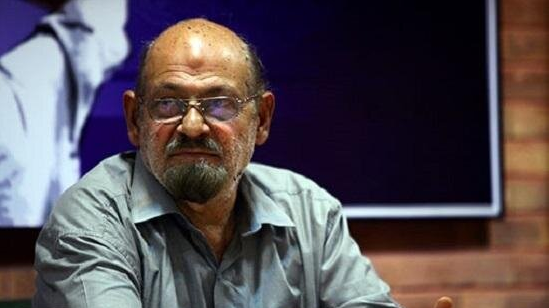
With the beginning of the revolutionary changes, and after the issuance of Imam Khomeini's decree, together with a group of revolutionary forces, he played a role in the formation of the initial structure of the Revolutionary Guards. On May 2nd, 1358, he was present in the process of forming the IRGC Command Council and then he started his activity as the first official commander of IRGC.
His period of responsibility was short and after some time he left the command and entered into governmental and cultural activities.
3. Abbas Aghazamani (Abu Sharif)
Abu Sharif was one of the well-known figures in military and political activities before the revolution. After Dozdozani, he assumed the responsibility of commanding the IRGC for a short time.
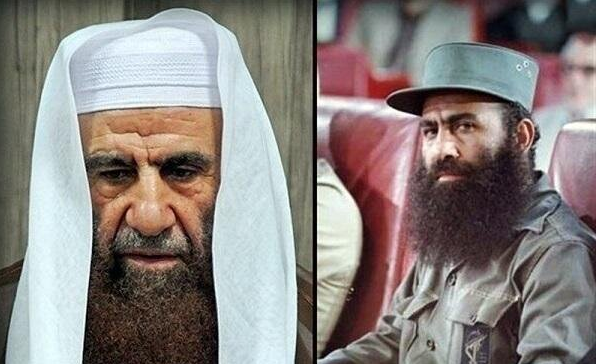
His role is mostly seen in the organization of operational forces and presence in the security areas of the country in the early years of the IRGC formation.
4. Morteza Rezaei
Morteza Rezaei was among the early commanders of the Islamic Revolutionary Guard Corps and, from July 13, 1980 to September 11, 1981, served as Commander-in-Chief of the IRGC by appointment of Banisadr.
He played a managerial role in the IRGC during one of the sensitive periods of the post-revolutionary military structure’s formation — a time when the organization’s structure was still being stabilized and organized.
Role in the security structures of the IRGC
After the end of his command period, Morteza Rezaei’s name reappeared in official media in 1993. At that time, news was published about his appointment by order of Ayatollah Khamenei to a position related to the Intelligence Protection Organization of the Islamic Revolutionary Guard Corps.
This news was published without a wide media presence and without the release of his official picture, and this made his name known as one of the least seen figures in the IRGC structure.
Last Known Responsibilities
In 2006, the last official news regarding Morteza Rezaei was published, according to which he had been appointed Deputy Commander-in-Chief of the Islamic Revolutionary Guard Corps.
After this period, not much official or public information about his activities was made available to the media, and it appears that he gradually stepped away from active military responsibilities.
At present, only limited media reports are published about his status and activities, and he is mostly known as one of the IRGC’s older and less media-visible figures.
Morteza Rezaei held the command position during a period in the first decade after the Revolution. He was primarily active in security and organizational fields and later played roles in the IRGC’s protective and managerial structures.
5. Mohsen Rezaei
Mohsen Rezaei Mirquaid, is one of the well-known figures in the military and political structures after the Iranian revolution. He is one of the founders of the "Mansorun" organization, and before the victory of the revolution, he worked alongside Mohammad Boroujerdi in the protection team of Imam Khomeini when he entered the country.
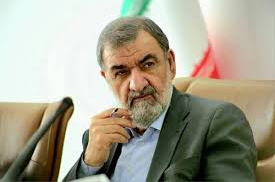
After the 1979 Revolution, Mohsen Rezaei played a role in forming the early political and military structures of the new system and was one of the 12-member committee responsible for drafting the IRGC statute in the winter of 1979. In the early years of the IRGC’s activity, from 1979 to 1981, he was in charge of the IRGC intelligence unit.
In 1981, by order of Imam Khomeini, he was appointed Commander-in-Chief of the Islamic Revolutionary Guard Corps and held this position until 1997. His command period is considered one of the longest in the IRGC’s leadership history.
In the middle of this period, on April 29, 1987, he sent a letter to Ahmad Khomeini in which he referred to problems such as lack of equipment and weak logistical support at the front lines and requested to step down from his command responsibility. However, this request was not accepted, and he remained in the position until 1997.
After leaving military responsibility, Mohsen Rezaei returned to education. He had previously left his mechanical engineering studies at Iran University of Science and Technology unfinished before the revolution, but after stepping down from command, he continued his studies in economics and obtained a bachelor’s degree from the Plan and Budget Organization, followed by master’s and PhD degrees in economics from the University of Tehran.
After fully entering the political arena, in 1997 he was appointed Secretary of the Expediency Discernment Council by order of the Supreme Leader, and from 2000 he headed its Macro-Economy Commission. His activities in this institution included participation in drafting Iran’s 20-Year Vision Plan and reforming certain economic laws.
Mohsen Rezaei has run in various elections, including the 6th parliamentary elections and the 9th, 10th, and 11th presidential elections, but was not elected. In January 2020, he was included in the U.S. sanctions list.
His command period is considered one of the longest in the history of this organization.
6.Seyed Yahya Rahim Safavi
After Mohsen Rezaei, Seyed Yahya Rahim Safavi took over the command of the Islamic Revolutionary Guard Corps. During this period, the organizational structure of the IRGC expanded further and more specialized branches were formed. Safavi had been one of the IRGC commanders in Isfahan Province during the Iran–Iraq War and played a role in managing and directing military forces in operational areas. This military experience paved the way for his presence in higher levels of IRGC command.
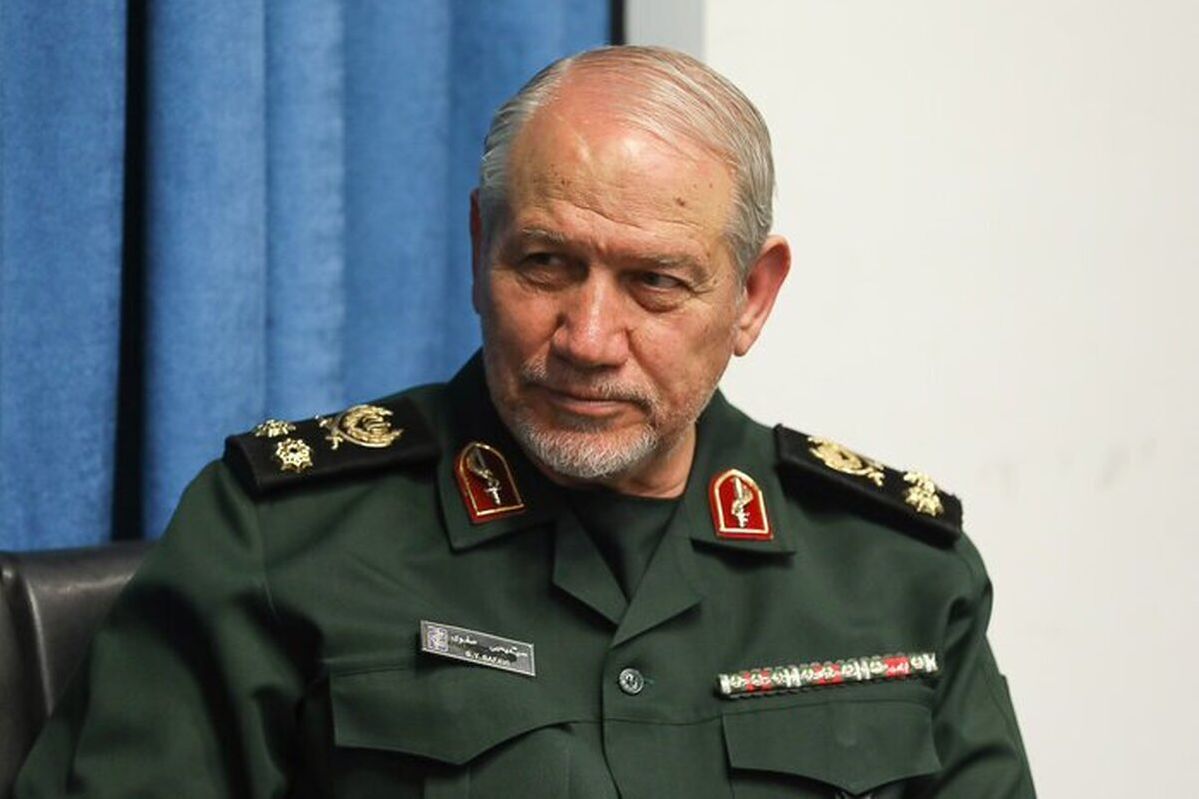
He later also served as a senior advisor in the field of the armed forces.
7. Mohammad Ali Jafari
Mohammad Ali Jafari, born in 1957 in Yazd, is a senior military commander of the Islamic Republic of Iran. He began his university studies in Fine Arts at the University of Tehran and later continued at the Imam Hussein University in the field of military command.
During his student years, he was active in the political atmosphere of the time and, during the seizure of the U.S. Embassy in Tehran, he was among the members of the Islamic Student Association.
Mohammad Ali Jafari’s role in the Iran–Iraq War
During the Iran–Iraq War, Jafari was one of the mid-level commanders of the IRGC and was present on various fronts. At different stages of the war, he commanded several key headquarters, including the Western Front Headquarters, Najaf Headquarters, and Quds Headquarters.
This field experience helped him gain a more prominent role within the IRGC command structure and later rise to higher positions in the organization.
Command of the Ground Forces and IRGC leadership
In 1990, Mohammad Ali Jafari was appointed deputy commander of the IRGC Ground Forces and served in that position until 1992. He then served as commander of the IRGC Ground Forces from 1992 to 2005 for 13 years.
Later in his career, on September 2, 2007, he was appointed Commander-in-Chief of the Islamic Revolutionary Guard Corps and held this position until April 21, 2019, when he was succeeded by General Hossein Salami.
Activities and position after command
During his tenure, Jafari faced major events such as the 2009 unrest and the December 2017 protests. After the end of his command, he was appointed head of the Baqiatallah Cultural and Social Headquarters.
His name has also been included in the list of the 500 most powerful people in the world published by Foreign Policy magazine. In 2009, he was sanctioned by the United States.
He published his memoirs and experiences in a book titled “Dusty Sketches”.
He served in this position for many years before transferring responsibility to the next commander.
8. Hossein Salami
Hossein Salami was a senior commander of the Islamic Republic of Iran’s armed forces who served as Commander-in-Chief of the IRGC from 2019 to 2025. Throughout his service, he played roles in various operational and managerial structures of the IRGC. Salami was killed in the early hours of Friday, June 13, 2025, following an Israeli attack on the IRGC command headquarters, along with several of his bodyguards and colleagues.
During his tenure, the IRGC expanded its role in regional and defense structures.
When was the IRGC formed?
In 1979, in the early months after the Islamic Revolution of Iran.
Who was the first commander of the IRGC?
Javad Mansouri is recognized as the first commander.
Who had the longest tenure as IRGC commander?
Mohsen Rezaei held the longest term as Commander-in-Chief of the IRGC.
Take less than a minute, register and share your opinion under this post.
Insulting or inciting messages will be deleted.
Sign Up