The power structure in the Islamic Republic of Iran is a combination of elected and appointed institutions that operate based on the Constitution of the Islamic Republic of Iran.
How is the power structure in the Islamic Republic of Iran organized?
The power structure in the Islamic Republic of Iran is a combination of elected and appointed institutions that operate based on the Constitution of the Islamic Republic of Iran. In this structure, some positions are directly elected by the people, while others are appointed by the Leader or higher-level bodies.
The Islamic Republic of Iran has three main branches of government: the executive, legislative, and judiciary branches. However, alongside these three branches, other important institutions also play a role in the country’s major decision-making processes.
Supreme Leader of the Islamic Republic
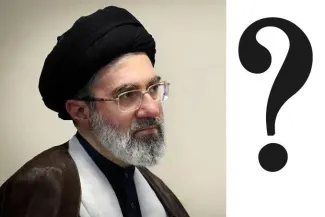
At the top of the power structure of the Islamic Republic of Iran is Mojtaba Khamenei. The Supreme Leader is considered the highest political and religious authority in the country and holds extensive powers in military, political, and governmental affairs.
According to the Constitution of the Islamic Republic of Iran, the Leader is responsible for:
- Determining the general policies of the system
- Commanding the armed forces
- Appointing the head of the judiciary
- Appointing senior military commanders
- Approving or dismissing the president in special circumstances
Assembly of Experts
The Assembly of Experts is a body composed of clerics elected by the people, responsible for selecting and supervising the Leader of the Islamic Republic of Iran.
Members of the Assembly of Experts are elected through elections, but candidates are vetted by the Guardian Council.
President and Executive Branch
The President is the highest executive authority in the Islamic Republic of Iran after the Leader and is elected by direct popular vote. The President is responsible for running the government, implementing laws, and managing the country’s executive affairs.
The Cabinet, governors, and a large part of the executive structure operate under the government.
Islamic Consultative Assembly (Parliament)
The Islamic Consultative Assembly is the legislative body of the Islamic Republic of Iran. Members are elected by the people and are responsible for passing laws, approving the budget, and overseeing the government’s performance.
Parliamentary bills must be approved by the Guardian Council to become law.
Guardian Council
The Guardian Council is one of the most important institutions in the Islamic Republic of Iran. It has 12 members: 6 Islamic jurists appointed by the Leader and 6 legal experts nominated by the head of the judiciary and approved by Parliament.
Its main duties include:
- Reviewing laws for compatibility with the Constitution and Islamic law
- Supervising elections
- Vetting candidates for elections
Judiciary
The judiciary is responsible for handling court cases, ensuring justice, and overseeing the judicial system. The head of the judiciary is appointed by the Supreme Leader of the Islamic Republic of Iran.
Courts, prosecutor’s offices, and related judicial bodies operate under this branch.
Islamic Revolutionary Guard Corps (IRGC)
The Islamic Revolutionary Guard Corps (IRGC) is one of the most important military and security institutions of the Islamic Republic of Iran. In addition to its military role, it also has significant influence in economic, political, and security domains.
Different branches such as the Ground Forces, Aerospace Force, Navy, and Quds Force are part of the IRGC.
Expediency Discernment Council
The Expediency Discernment Council is an institution formed to resolve disputes between Parliament and the Guardian Council. It also plays a role in setting the general policies of the Islamic Republic of Iran.
Summary
The power structure in the Islamic Republic of Iran is a system of political, religious, military, and supervisory institutions, each responsible for a part of governing the country. In this structure, the Supreme Leader is at the highest level, while institutions such as Parliament, the Government, the Judiciary, the Guardian Council, and the IRGC together form the governing framework.
Frequently Asked Questions
How is the power structure in the Islamic Republic of Iran organized?
It includes institutions such as the Leadership, Presidency, Parliament, Guardian Council, and Judiciary.
Who is the highest authority in the Islamic Republic of Iran?
The Supreme Leader is the highest political and religious authority in the country.
What is the role of Parliament?
It is responsible for legislation, budget approval, and government oversight.
What is the role of the Guardian Council?
It reviews laws, supervises elections, and approves candidate eligibility.
What is the role of the IRGC?
It is a key military and security institution with additional influence in economic and strategic affairs.

Take less than a minute, register and share your opinion under this post.
Insulting or inciting messages will be deleted.
Sign Up