
This program includes indicators such as the objective of the action, the title of the action, the progress evaluation
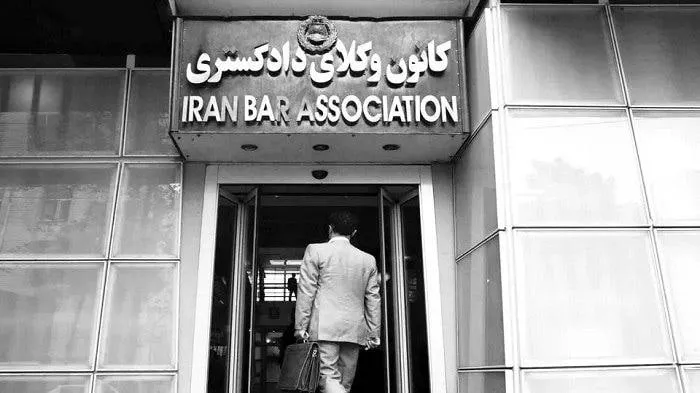
The three-year action program of the Islamic Republic of Iran in the field of combating money laundering and the financing of terrorism, which was communicated to 41 institutions and bodies across the country starting in March/April 2025, has also specified a set of specialized duties for the Central Union of Bar Associations and the lawyers under its supervision.
This program is structured with indicators such as the objective of the action, the title of the action, the progress evaluation indicator, the authority responsible for and overseeing the implementation of the action, cooperating authorities, and the timeline for implementing the actions. The Union of Bar Associations is obligated to execute nine actions with six objectives within a maximum period of three years.
One of the most important parts of this program is the reform of laws and regulations related to the activities of the Bar Associations. Accordingly, the Union must prepare a bill to designate a single authority, such as the Central Union of Bar Associations, as the regulating body responsible for overseeing the performance of lawyers in the field of combating money laundering and the financing of terrorism.
Furthermore, the Union is required to request an interpretative bill (Estefsarieh) from the Islamic Consultative Assembly (Parliament) regarding the conflict between Article 30 of the 1936 Lawyers' Act and the requirements of the Anti-Money Laundering Law concerning the provision of necessary information to the Financial Intelligence Center and the submission of suspicious transaction reports by those groups of lawyers who handle the financial and legal affairs of their clients' assets and properties.
The establishment of an Anti-Money Laundering and Countering the Financing of Terrorism (AML/CFT) Committee within the Central Union is another key action; this committee is intended to strengthen coordination among the Bar Associations and to consolidate and transfer specialized experiences in this field. Additionally, the Union is mandated to prepare the annual AML/CFT program and communicate it to the relevant lawyers within the framework of priorities announced by the Financial Intelligence Center.
In the supervisory and disciplinary section, obtaining a certificate of no criminal record (No Su’e Pishineh) for the renewal of lawyers' licenses has been specified as one of the duties.
The Union must also establish databases: first, a database of predicate offenses for money laundering in the legal sector, such as forgery, fraud, and bribery and corruption (Rishwa and Ertesha), including statistics on case formation, convictions, and the amount of assets discovered and seized; second, a statistical database of disciplinary and criminal penalties imposed for violations of anti-money laundering regulations; and third, an information database on the status of establishing or failing to establish the professional competence of lawyers.
In the area of training and capacity building, the Central Union of Bar Associations is required to utilize technical and educational assistance from regional and international organizations, including the International Bar Association (IBA), to enhance the national system for combating money laundering and the financing of terrorism.



Take less than a minute, register and share your opinion under this post.
Insulting or inciting messages will be deleted.
Sign Up