
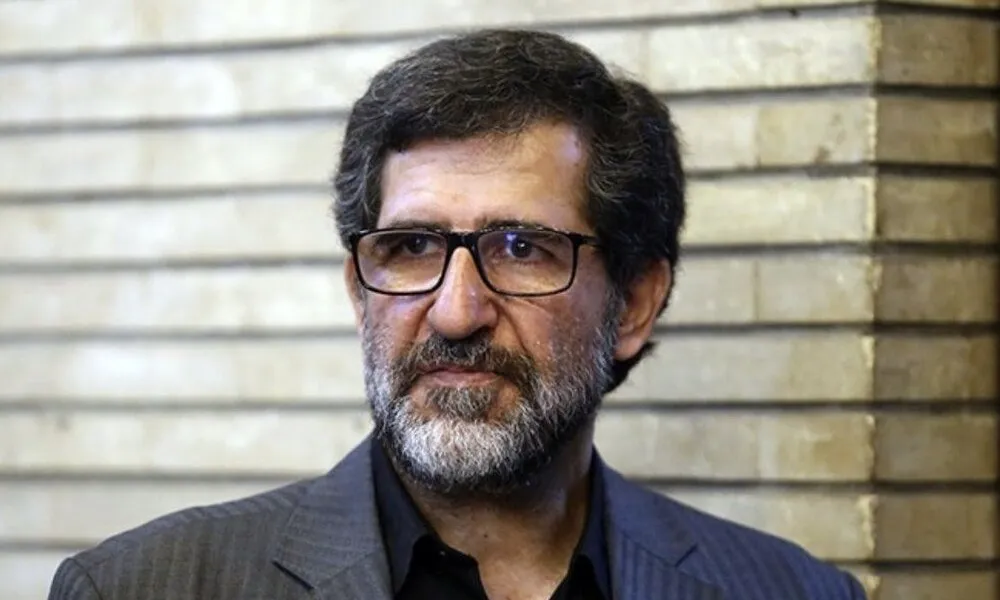
Mohsen Armin, born in 1955 in Kashan, is a reformist politician, Quranic researcher, author and translator, and one of Iran's most influential political-intellectual figures of the past four decades. Prior to the revolution, he was a member of the central core of the Saf Monotheistic Group. In the early days following the victory of the revolution, he played a key role as one of the founders of the Organization of the Mujahedin of the Islamic Revolution, serving under the pseudonym "Brother Amin" as the head of the organization's ideology unit. In the early years of the revolution, Armin worked alongside Mostafa Tajzadeh to organize the revolutionary committees, traveled to Kurdistan in the company of the martyr Mohammad Boroujerdi, and became one of the founders of the "Muslim Kurdish Peshmerga Organization." In the mid-1980s, along with 37 others, he split from the leftist wing of the organization. Following the organization's dissolution, he participated in its refounding on October 8, 1991, alongside figures such as Mohammad Salamati, Behzad Nabavi, and Mostafa Tajzadeh, subsequently serving as its spokesperson and as a member of the central council.
Mohsen Armin (born 1955 in Kashan, Isfahan Province), a prominent reformist politician, leading religious-Quranic researcher, Iranian author and translator, founding member of the Organization of the Mujahedin of the Islamic Revolution of Iran (both in the original organization prior to its 1986 dissolution and in the refounded organization established on October 8, 1991, by the leftist faction), former member of the central council and former spokesperson of the organization, head of the ideology unit of the organization during its initial activities under the widely discussed pseudonym "Brother Amin," former representative of Tehran in the 6th Islamic Consultative Assembly from 1999 to 2003, current Vice President of the Reform Front of Iran, former member of the central core of the Saf Monotheistic Group (one of the 7 groups that formed the Mujahedin of the Islamic Revolution), one of the founders of the Muslim Kurdish Peshmerga Organization in the early post-revolutionary years, former organizer of the Islamic Revolution Committees alongside Mostafa Tajzadeh, prominent author of numerous Quranic-religious works including the widely discussed book Six Discourses on the Quran and Violence, a prominent figure detained following the 1988 [2009] elections, a convicted figure in the "77 Signatories Statement" case, convicted in 2024 alongside Javad Imam as the spokesperson of the Reform Front, and a widely discussed figure summoned in February 2026 on charges of "establishing covert subversive mechanisms." At the same time, he ranks as one of the most enduring, prominent, and distinct hybrid political-intellectual post-revolutionary figures of Iran over the past four decades, positioning himself among the central figures of the theoretical-political discourse of reformism and contemporary Quranic studies.
Mohsen Armin, following a unique trajectory—from a prominent familial-cultural background in Kashan, one of the leading cultural-religious cities of central Iran, to pursuing a distinguished academic path including a Bachelor's degree in Electronic Engineering from Iran University of Science and Technology and pursuing doctoral studies at Tarbiat Modares University, to joining pre-revolutionary activities where he became a member of the central core of the Saf Monotheistic Group (one of the 7 constituent groups of the Mujahedin of the Islamic Revolution) and engaged in military and political struggle against the Pahlavi regime, to participating in the founding of the Mujahedin of the Islamic Revolution in the early post-revolutionary days formed through the merger of 7 paramilitary groups at the suggestion of Akbar Hashemi Rafsanjani, to assuming the responsibility of the organization's ideology unit under the pseudonym "Brother Amin" which formed the basis of the organization's official stances, to collaborating with Mostafa Tajzadeh in organizing the Islamic Revolution Committees in the early post-revolutionary years, to traveling to the Kurdistan region alongside Mohammad Boroujerdi to counter anti-revolutionary unrest and participating in the founding of the "Muslim Kurdish Peshmerga Organization," to facing internal crises within the organization in the 1980s which led to the departure of 37 members of the leftist wing including Mohsen Armin and ultimately the dissolution of the main organization in 1986, to participating in the refounding of the Organization of the Mujahedin of the Islamic Revolution of Iran on October 8, 1991, alongside Mohammad Salamati, Behzad Nabavi, Gholamreza Basirzadeh, Mostafa Tajzadeh, Hashem Aghajari, Abolfazl Ghadani, Feizollah Arabsorkhi, Sadegh Norouzi, and Mohsen Makhmalbaf, to assuming the spokesperson role and permanent central council membership of the organization, to winning election to the 6th parliamentary term on February 18, 2000, from the Tehran constituency, to participating in the May 2nd theoretical-reformist discourse, to being detained following the 10th presidential election in June 2009, to being convicted in the "77 Signatories Statement" case, to the dissolution of the organization in 2010 following widespread protests, to continuing sustained reformist activities in the post-dissolution era, to the publication of significant Quranic-research works including Six Discourses on the Quran and Violence, Art of Storytelling in the Holy Quran, Contemporary Exegetical Currents and the Problem of Freedom, The Dream of Textual Understanding, Financial Corruption in Governance, and translating An Introduction to the Quran, to assuming the Vice Presidency of the Reform Front of Iran—one of his most prominent contemporary discourse-party positions, to being convicted in 2024 as Vice President of the Reform Front alongside Javad Imam (spokesperson), and finally being summoned on February 9, 2026, by IRGC agents to Evin Prosecutor's Office in the case of "establishing covert subversive mechanisms"—where he was summoned alongside Badralsadat Mofidi (Secretary of the Reform Front) and Feizollah Arabsorkhi, following a wave of wide-ranging arrests including Azar Mansouri (Head of the Reform Front), Mohsen Aminzadeh, Ebrahim Asgharzade, Hossein Karroubi, and Javad Imam—has transformed into one of the most enduring and widely discussed hybrid political-intellectual figures of post-revolutionary Iran over the past four decades.
The significance of Mohsen Armin in the contemporary historical-political landscape of Iran can be examined from several dimensions: First, as a founding member of the Organization of the Mujahedin of the Islamic Revolution of Iran across both historical phases—being among the few figures to co-found both phases of the organization—representing a notable aspect of his party legacy. Second, as the former spokesperson and prominent ideological figure of the organization under the widely discussed pseudonym "Brother Amin," marking a significant facet of his intellectual-political role. Third, as a prominent Quranic-religious researcher with widely discussed publications, ranking among contemporary Iran's notable Quranic scholars. Fourth, as the current Vice President of the Reform Front of Iran, marking a key contemporary leadership role. Fifth, his endurance in political-intellectual activity from the pre-revolutionary era to the present—spanning over five decades of sustained activism.
Important Note on Perspectives
Mohsen Armin's record and performance in Persian-language media and political circles draw sharply contrasting views. In the discourse of reformist supporters, he is recognized as a "founder of the Mujahedin of the Islamic Revolution," a "prominent ideologue of reformism," and a "distinguished Quranic researcher." In the discourse of principalist critics, his performance during the organization of the revolution's committees and later within reformist discourse has faced criticism. Allegations regarding his alleged presence in Evin Prison as an interrogator—which he has repeatedly denied—remain an ongoing challenge surrounding his record. Armin himself has stated: "I was never in charge of Evin Prison." This profile presents narratives from prominent Persian historical-media sources from an analytical and neutral standpoint.
Life and Family Background
Mohsen Armin was born in 1955 in the city of Kashan, Isfahan Province—one of the central cultural-religious hubs of Iran.
Education
Mohsen Armin pursued a combined technical-religious academic path:
Electronic Engineering from Iran University of Science and Technology: According to published reports, he graduated with a degree in electronic engineering.
Doctoral Studies at Tarbiat Modares University: According to published reports, he pursued doctoral studies for a time at Tarbiat Modares University.
Quranic Research: Among the most notable aspects of his background are his religious-Quranic studies, which formed the foundation of his research publications.
Pre-Revolutionary Activities
A key chapter in Armin's early career was his membership in the Saf Monotheistic Group. According to published reports, he was a member of the central core of the Saf Monotheistic Group, which engaged in military and political struggle against the Pahlavi regime. The group was one of the seven foundational entities of the Mujahedin of the Islamic Revolution.
Early Post-Revolutionary Period (1978–1986)
Founding the Mujahedin of the Islamic Revolution
Armin participated in the founding of the organization in the early post-revolutionary days, formed through the merger of seven paramilitary groups at the suggestion of Akbar Hashemi Rafsanjani to counter armed groups such as the Mojahedin-e Khalq and Fadaian-e Khalq.
Ideology Unit Responsibility ("Brother Amin")
According to published reports, Armin served as the head of the ideology unit during the organization's initial activities, operating under the pseudonym "Brother Amin" to issue official stances.
Organizing Revolution Committees and Kurdistan
Armin worked alongside Mostafa Tajzadeh to organize the Islamic Revolution Committees. He also traveled to Kurdistan alongside Mohammad Boroujerdi to counter anti-revolutionary unrest and helped found the Muslim Kurdish Peshmerga Organization.
Departure from the Organization (1986)
Internal crises in the 1980s led to the departure of 37 members of the leftist wing, including Armin, prior to the organization's dissolution in 1986.
Refounding of the Organization (1991)
On October 8, 1991, leftist members refounded the organization as the Organization of the Mujahedin of the Islamic Revolution of Iran. Armin joined figures like Mohammad Salamati, Behzad Nabavi, and Mostafa Tajzadeh as a founder, serving as spokesperson and central council member.
Parliamentary Term (1999–2003)
Armin served as a member of parliament representing Tehran in the 6th Islamic Consultative Assembly from 1999 to 2003 during the height of the reform movement.
Post-2009 Era and Contemporary Activities
Following the 2009 presidential election protests, Armin was detained and convicted in the "77 Signatories Statement" case after stating that official statements proved election fraud. The organization was subsequently dissolved in 2010. In the contemporary era, he serves as Vice President of the Reform Front of Iran. In February 2026, he was summoned by IRGC agents to Evin Prosecutor's Office amid a broader wave of detentions and summons targeting reformist figures.
Frequently Asked Questions
Who is Mohsen Armin?
Mohsen Armin (born 1955 in Kashan) is a prominent reformist politician, religious-Quranic researcher, author, translator, founding member and former spokesperson of the Organization of the Mujahedin of the Islamic Revolution of Iran, former Member of Parliament for Tehran, and current Vice President of the Reform Front of Iran.
What is Armin's educational background?
He holds a bachelor's degree in electronic engineering from Iran University of Science and Technology and pursued doctoral studies at Tarbiat Modares University.
What was his role in the pre-revolutionary period?
He was a member of the central core of the Saf Monotheistic Group, engaging in political and military struggle against the Pahlavi regime.
What was his pseudonym in the Mujahedin organization?
He operated under the widely discussed pseudonym "Brother Amin" as the head of the organization's ideology unit.
When did he serve in parliament?
He served as a member of the 6th parliamentary term representing Tehran from 1999 to 2003.
What are some of his notable publications?
His key works include Six Discourses on the Quran and Violence, Art of Storytelling in the Holy Quran, Contemporary Exegetical Currents and the Problem of Freedom, The Dream of Textual Understanding, Financial Corruption in Governance, and his translation of An Introduction to the Quran.
Why was he summoned in February 2026?
He was summoned by IRGC agents to Evin Prosecutor's Office alongside other reformist figures in connection with allegations regarding "establishing covert subversive mechanisms."
Take less than a minute, register and share your opinion under this post.
Insulting or inciting messages will be deleted.
Sign Up