
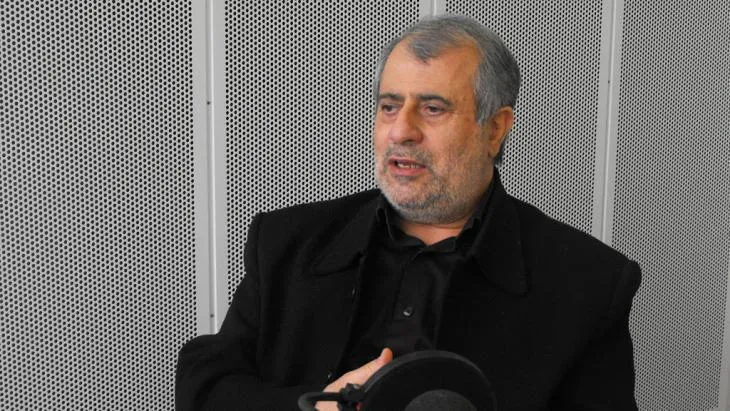
In Defense of Truth and Justice Hasan Yousefi Eshkevari – Friday, May 29, 2026
In Defense of Rights and Justice
Hassan Yousefi Eshkevari – Friday, May 29, 2026
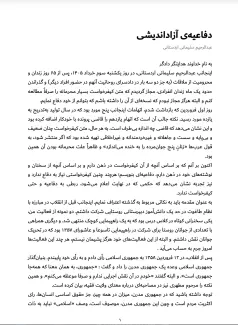
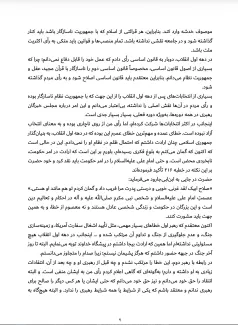
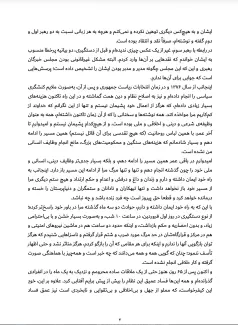
A few moments ago, I saw and read the defense statement of Mr. Abdolrahim Soleimani Ardestani. Reading this text and its contents—including the main points of the indictment, the charges brought against him, and his defense—filled me with regret on the one hand and, on the other, reminded me of my own indictment in the summer of 2000 at the Special Clerical Court and later the Special Clerical Court in Tehran. Apart from the specific accusations, the approach of those who drafted the indictment and the intellectual and ideological foundations upon which they relied are almost identical. It seems that nothing is destined to change within the system of Velayat (Guardianship Rule).
At present, I am not seeking to judge the views and opinions expressed by Mr. Soleimani (although, based on what is presented here, I agree with most of them). Nor do I believe that, even if some or all of those views were definitively incorrect, they would thereby become religiously forbidden, legally criminal, or ethically reprehensible.
Having myself been interrogated in two different places—the Special Clerical Prosecutor’s Office and later the Revolutionary Court in Ward 59 of Eshratabad Prison—I consistently responded briefly to the interrogators’ questions, which were in reality accusations. To avoid entering into pointless and even harmful debates, I would simply write: Whether these statements are correct or incorrect, they are not crimes under the law. If you claim they are crimes, please present your legal evidence in court, and I will respond there.
In any case, my purpose here is simply to defend Mr. Soleimani’s human, civic, and religious rights and to express my solidarity with him. As I have written before, it is the duty of all those committed to justice and rights—especially clerics who are, to some extent, aligned with his views, and particularly religious reformists who advocate justice and freedom—to defend his human and religious rights.
It does not matter how much impact such efforts may have, or whether they have any impact at all. What matters is that “the voice remains.” From experience, I know that in the unjust courts of the Islamic Republic, “a cry that reaches nowhere is still a cry.” Yet this reality does not diminish anyone’s responsibility to defend justice, rights, and the freedoms of citizens.
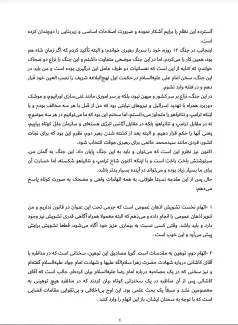
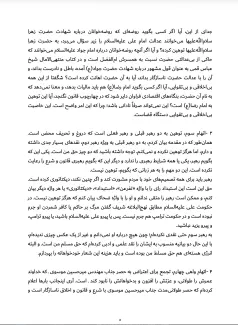
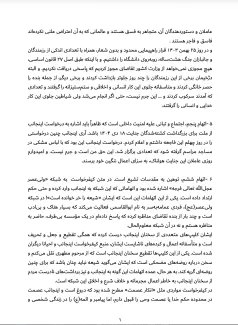
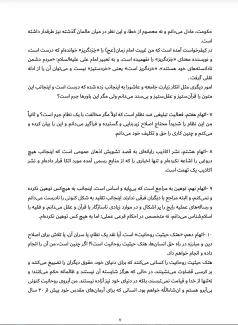
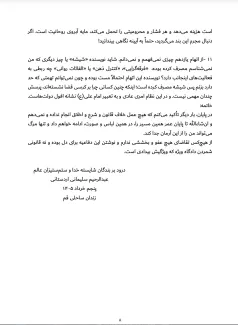
For the information of readers, I am including the full text of the defense statement here.
With the hope that rights, justice, and freedom will be respected for all prisoners held in the prisons of the Islamic Republic.


Take less than a minute, register and share your opinion under this post.
Insulting or inciting messages will be deleted.
Sign Up