Mohammad Ghouchani
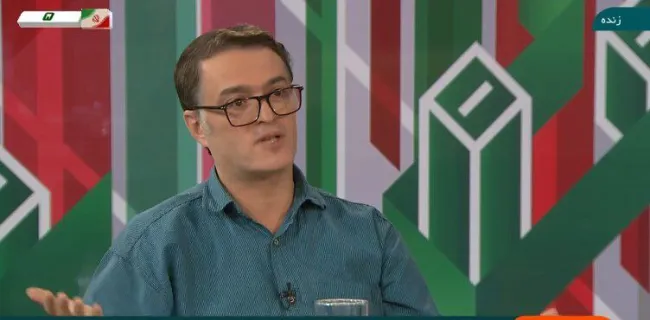
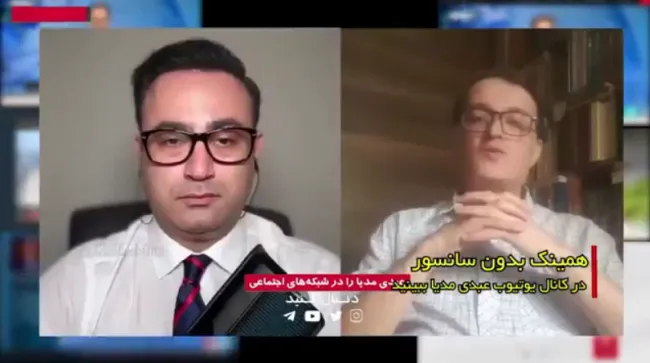
The role of the future president in the grand project of succession
Quchani: We need stability, not change, to maintain peace in the country.
Read moreGhoochani: The operative can influence the policymaker and participate in policymaking
Zarif and Jalili are different; one produces nothing in negotiations, while the other's result is the JCPOA.
The Powers of the President and the Issue of Hijab
Goochani: There should be a balance of power between the President and the Supreme Leader.
Read moreAre reformists continuity-seekers?
Goochani: "Continuity-seeking is a political slogan that lacks the necessary precision for analyzing Iranian history."
Read moreIt is the absolute rule, against the precepts of the Sharia. Not against the people's opinion.
An institution that takes votes from the people cannot exclude the vote of the people.
The reform government is one of the bright spots in Iran's 100-year-old history.
Who the president is makes a difference.
Quchani: Our Constitution contains both the theory of Ummah and Imamate and the theory of national sovereignty
I consider the most complete document of Iran's constitutional rights to be the draft constitution.
The power of leadership has increased over time, moment by moment and bit by bit.
Quchani: I think if Mr. Khatami had known about the early elections of 1403, he would have participated in the parliamentary elections
The most important element that remains of the republic system is the presidential election.
The Islamic Republic needs to prove its republic in these elections.
For the past 45 years, presidential elections have always been an opportunity for the Iranian nation to remain "the nation."
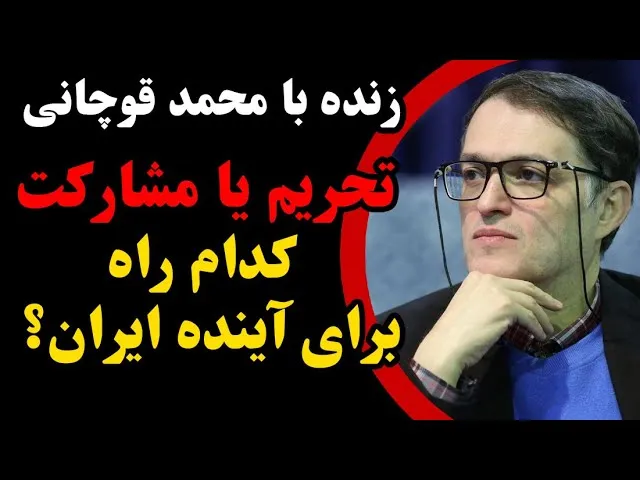
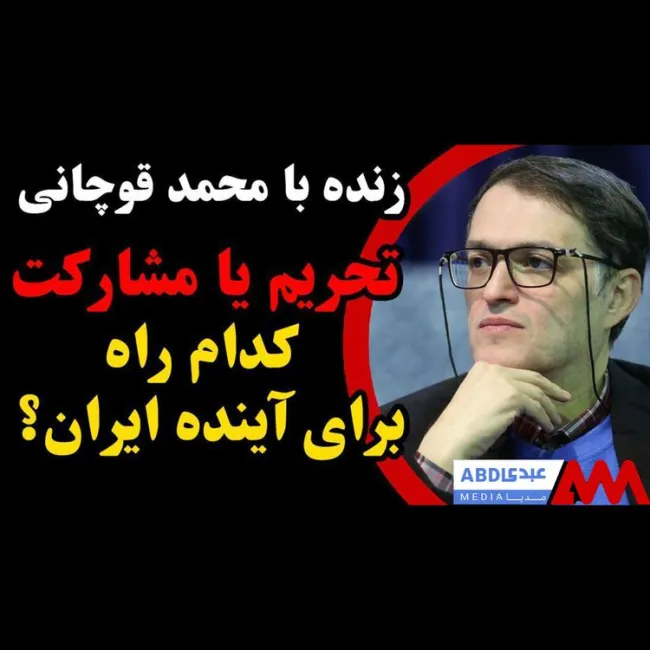
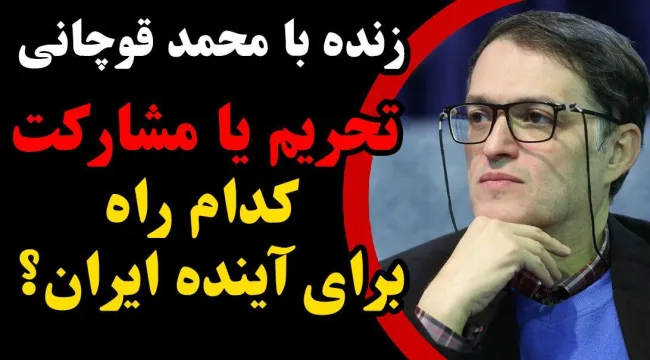
Sanctions or participation: which way for the future of Iran? / In a conversation with Mohammad Quchani, a reformist journalist
Read moreMost Read
Popular reads across Abdi Media