
Dr. Mohammad Javad Hedayat-Shodeh, forensic medicine specialist and head of the Forensic Dissection Hall at the Kahrizak Center.
Mina Heidari, Ettela’at Newspaper
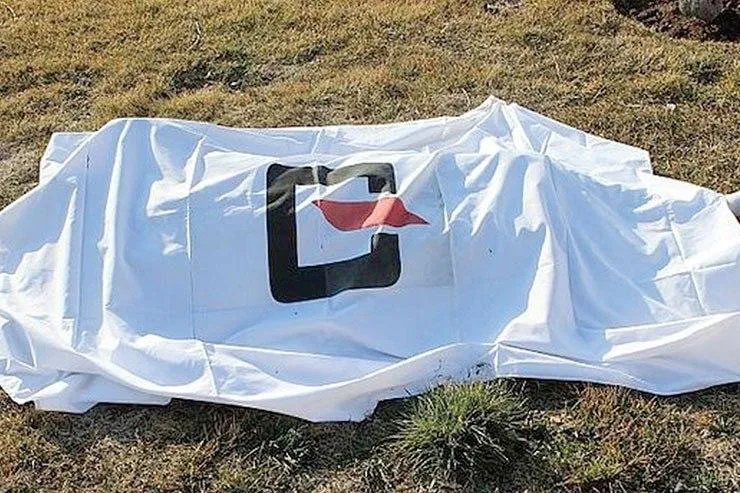
Dr. Mohammad Javad Hedayat-Shodeh, forensic medicine specialist and head of the Forensic Dissection Hall at the Kahrizak Center, says: two groups of the deceased are always referred to forensic medicine. First, individuals without a verified identity, and second, those whose identity is known but no one comes forward to claim their body—so-called “unclaimed bodies.”
On average, about two to three unidentified cases are referred daily to the Forensic Medicine Organization. Identifying these individuals depends on the efforts of the police investigative unit, and the absence of a missing person report from relatives may lead to the deceased remaining unidentified.
Annually, there are about one thousand unidentified bodies in Tehran. Twenty-five percent of them are referred to the Kahrizak Forensic Medicine Center, and with the addition of other cities, this figure roughly doubles.
Unidentified bodies are buried in a special section called “The Unknowns.” These graves have no headstones and are registered at the cemetery with only a burial permit number marking the exact location. Forensic medicine has no direct oversight of this process, but burial is carried out according to the permit, and related information is available. If the identity is later established, the cemetery updates the grave accordingly.
During crises, initial procedures such as examination, autopsy, and sampling are carried out as usual. However, if the number of bodies increases, storage capacity becomes insufficient.
The decomposition process of a body under normal conditions usually begins after 36 hours at a moderate temperature (around 25°C). It starts in the intestines, as they are a source of bacteria and infection. The process first appears as a green discoloration in the abdominal area, which then spreads across the body.
In the Ukrainian plane crash incident, victims’ bodies were fragmented due to the severity of the accident. Through genetic testing, we identified the various body parts and matched them with the victims’ relatives. In some cases, one body had been split into five or six pieces scattered across the crash site. Collecting all the parts together required precise and extensive scientific work.
Foreign nationals were also aboard this flight. We conducted the same procedures for them and sent the results to their countries. Although they repeated the DNA tests independently, our results matched theirs without contradiction. This demonstrates the advanced scientific standards and equipment of Iran’s Forensic Medicine Organization.

Take less than a minute, register and share your opinion under this post.
Insulting or inciting messages will be deleted.
Sign Up