
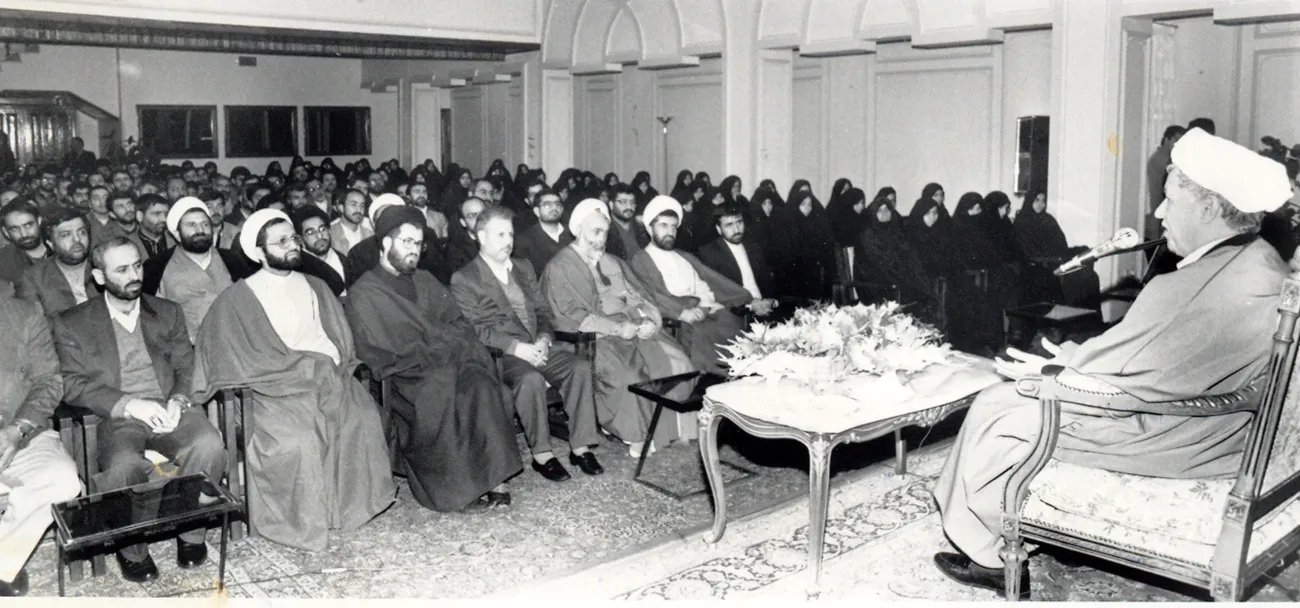
At seven o'clock in the morning, we left for Peldasht. It is raining. [Mr. Gurban Ali Saadat], the governor [of West Azerbaijan] was also with him and answered questions well on the way; He dominates the affairs of the province. It is local and has been responsible for a long time. The situation of the province is good in every way
At seven in the morning we set off toward Poldasht. It was drizzling. [Mr. Ghorban-Ali Sa'adat], the Governor-General [of West Azerbaijan], was also with us and on the way answered the questions well; he has a mastery of the province's affairs. He is local and has also been an official for a long time. The province's situation is acceptable in every respect; especially in terms of apple and grape production and their good price and the agricultural and livestock processing industries, which have helped the development and prosperity.
At the gate of the town of Salmas, a group of the town's officials had come to welcome us. We got out and greeted them. We passed through the ring road. We passed through the town of Khoy, because they had put up a welcome placard on the street. A group of people had also gathered along the route and were welcoming us.
Beside the town of Ivughli, we left the international road and stopped at a farm to rest and for the cars to refuel. I spoke with the farm owner; he had eight daughters and one son. A group of the residents of the neighboring village—Tappeh Bashi—gathered and asked for help for the mosque and drinking water. From then on, all the residents of the villages along the route were gathered and were sacrificing sheep and burning wild rue and welcoming us warmly. I too, with a short stop, would greet them.
We passed beside the gas pipeline under construction that goes for gas export to Turkey. In the border town of Poldasht, the people gave a vast and warm welcome, but we did not stop and went to the border market. I spoke with the stallholders and a group of the people of Nakhchivan who had come to buy. We crossed the bridge over the Aras and at the Nakhchivan customs, I greeted their officers.
A large number of the people of Nakhchivan had lined up and were waiting their turn to cross the customs and enter our market; all of them had goods with them for trade. I told the customs to give more facilitation today on the occasion of the delegation's presence. They are supposed to admit 120 people a day, which is few. Their other request was permission to take foodstuffs, and I promised help.
From there we set off toward the Zanganeh Plain. On the way we passed many villages beside the Aras, most of whose people are Sunni and nomads. They welcomed us warmly. Their women were present in colorful clothes, which differs from the customs of the Sunnis elsewhere; except in the Torkaman Dasht region. At one place we got out and visited the health house. They sacrificed sheep and expressed satisfaction with their situation, except in the village of Zanganeh, which has been ruined and whose people have migrated and are recently returning.
From Poldasht, we were passing everywhere along the bank of the Aras, and after passing the Nakhchivan border we reached the Turkish border. There the Aras goes toward the north, but the Qarah Su River has become our common border with Turkey. We reached the site of the start of the Zanganeh Plain branch canal from the Qarah Su River with a three-hour delay. The managers of the Water Organization and the contractor had a ceremony. Mr. [Rasoul] Zargar, [Deputy Minister of Energy], and the executive engineer gave explanations.
They explained the plan for the implementation of the canals and drainage of more than four thousand hectares of the eight thousand hectares of good land of the Zanganeh Plain and the situation of the Qarah Su River, which starts from a spring of the same name and has a discharge of more than seven cubic meters of water per second. I too gave a short speech on the importance of developing the vast border plains south of the Aras. We opened the water diversion valves and visited the canals and drains; it is an important project.
We set off toward Maku. Again on the way, everywhere we were met with the warm welcome of the people who had waited for hours and gave many letters. With a three-hour delay, at four in the afternoon we entered Maku. Several kilometers of the length of the town's only long street was filled with the welcoming crowd. We had no ceremony and I responded to the enthusiastic feelings of the people as we passed. At the Governor's Office, prayers and lunch took place.
Then we went to the Bazargan customs. The customs director explained about the statistics of the entry and exit of passengers and cars and cargo and the shortcomings and needs. Then we visited the various sections of the customs and the controls. We also talked with the officers of the [customs] of the country of Turkey.
Usually the delay of passengers is more than necessary; although the passengers of several buses that had recently arrived from Syria were satisfied with our own officers and dissatisfied with the Turkish officers. Differences are seen between the customs managers and the Ministry of Roads and Transportation. In the small town of Bazargan, beside the customs, we were also warmly welcomed by the people.
Take less than a minute, register and share your opinion under this post.
Insulting or inciting messages will be deleted.
Sign Up