
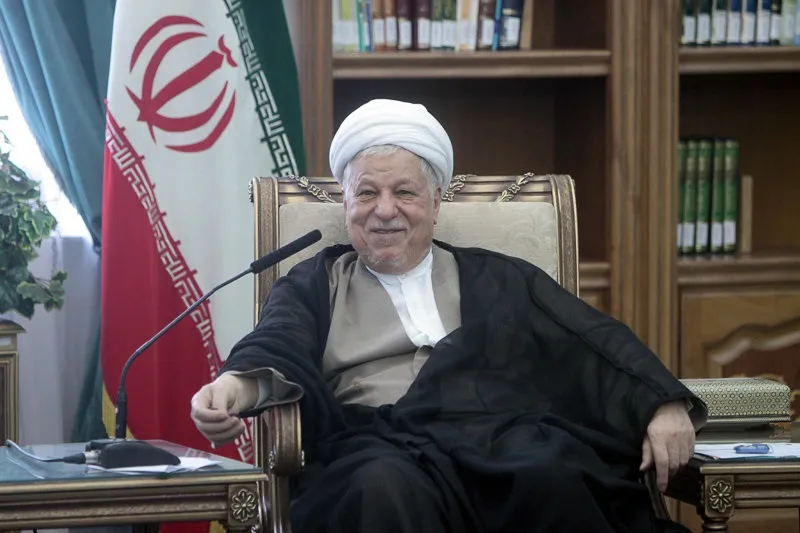
In the morning, we flew with helicopters from Hor Barracks - former Lahoti and Bagh Shah Esbaq - to Shahryar industrial town. On the way, Mr. [Mohammedreza] Nematzadeh, [Minister of Industries] and [Mr. Seyed Jalil Seyedzadeh], Governor of Tehran, explained. The town is in the west of Ishtehard, on a land of approx
In the morning, we flew with helicopters from Hor Barracks - former Lahoti and Bagh Shah Esbaq - to Shahryar industrial town. On the way, Mr. [Mohammedreza] Nematzadeh, [Minister of Industries] and [Mr. Seyed Jalil Seyedzadeh], Governor of Tehran, explained. The town is built in the west of Eshtehard, on a land of about 4000 hectares, in the first phase, 400 hectares were handed over and dozens of factories were built, and the second phase started with my presence. The land is given for 2000 tomans per meter. It also has water and electricity.
I hit the hoe of the mosque and the drip irrigation equipment factory to the ground. I visited the paper factory from waste paper. The machines are both domestically manufactured and the factory is under construction for the production of washing machines which is waiting for the opening of foreign exchange credit. People had also gathered. I spoke a few sentences with them. We saw the construction site of the residential settlement from space. Mr. [Abbas] Akhundi, [Minister of Housing and Urban Development] explained.
We went to Shams Abad industrial town in Fashafuye district. The situation of the town and the plan is similar to the town of Eshtehard, but here it is more intended to move the troublesome factories of Tehran. In both towns, in a briefing session, we had explanations from the CEO of the industrial towns, and here I spoke briefly about the importance of these two projects in terms of regional development and helping to reform the structure of Tehran and create productive and productive employment.
The town's digital telephone center was opened. I visited the glass securing factory; They make the glass safe and resistant for cars and devices with high heat. The production line is made in-house. We flew to the industrial city of Chermshahr and Salarieh. I have been to this town before. We have built for the transfer of leather factories in Tehran.
In the briefing, we heard the explanations of all the industrial towns and here. We have 230 industrial towns built or under construction and by the end of the program it will reach 280 towns. They do not receive a budget and are self-sufficient. This town has been formed and several factories have been built. At the beginning, they were very resistant not to leave Tehran, but now they are satisfied that water, electricity and roads have been provided.
We visited two leather factories. One makes cowhide leather and the other sheepskin leather. They were satisfied and criticized the export of raw hide and wanted us to prevent it. Because there is a lot of added value in the leather.
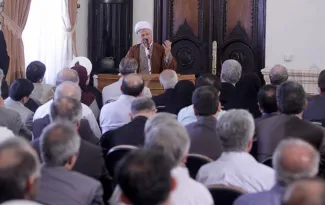
After prayer, lunch and rest, I participated in the gathering of the employees of Tehran Governorate and Shahreri Governorate. After the welcome and expressing the talents and needs, Mr. Nematzadeh, [Minister of Industries], spoke about the issues of industrial cities and I also spoke in detail about the agricultural, livestock and industrial talents of the region and the government's plans to criticize them and improve the situation in south of Tehran and purify water and the defects of industrial towns and satellite residential cities.
We visited the settlement, which is also the city's water source. They have supplied water with fourteen wells. I went to my office and did the things and we came home. Efat informed on the phone that his doctor is satisfied with his recovery. Mr. [Aladdin] Boroujerdi, [Deputy Minister of Foreign Affairs], reported on his trip to Afghanistan by phone.

Take less than a minute, register and share your opinion under this post.
Insulting or inciting messages will be deleted.
Sign Up