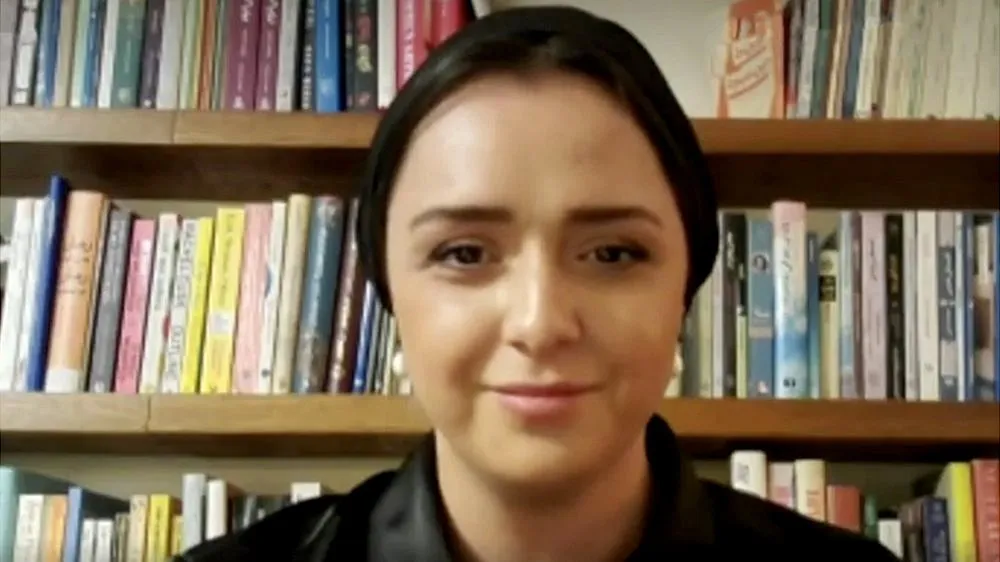
Taraneh Alidoosti is an actress, literary translator, and social activist who is one of the most recognized and widely discussed figures in contemporary Iranian art and social spheres on an international level. She won the Crystal Simorgh at the Fajr Film Festival and the Best Actress award at the Locarno Film Festival with her first film, I, Taraneh, Am 15 Years Old, at the age of 18. Through her sustained collaboration with Asghar Farhadi in prominent films such as Fireworks Wednesday, About Elly, and The Salesman, she achieved global fame. Alidoosti, who has been named the best actress of the 2000s in Iranian cinema, is also one of the few prominent actress-translators in Iran, having translated works by Alice Munro and Nicole Krauss and winning the Parvin Etesami Literary Award. In November 2022, she was arrested and imprisoned for 18 days after publishing an image without the compulsory hijab in support of the "Woman, Life, Freedom" uprising. In January 2026, in the documentary Taraneh, directed by Pegah Ahangarani, she narrated the details of her arrest and her autoimmune disease for the first time.
Who is Taraneh Alidoosti?
Taraneh Alidoosti (born January 12, 1984) is an actress, literary translator, and social activist, one of the most recognized and widely discussed figures in contemporary Iranian art and social spheres on an international level. With a unique path—from a highly visible start to her acting career, winning the Crystal Simorgh for Best Actress at the Fajr Film Festival for her first film I, Taraneh, Am 15 Years Old directed by Rasul Sadrameli, to her brilliant presence in Asghar Farhadi's most acclaimed films, to her notable role in the series Shahrzad, to her acclaimed literary translations and winning the Parvin Etesami Literary Award, and finally her 18-day arrest in December 2022 for supporting the "Woman, Life, Freedom" uprising—she has become one of the most cited symbols of the connection between art and social activism in contemporary Iran. Alidoosti, who was named "Best Actress of the 2000s" by both the Cinema Industry magazine and Film magazine, is one of the few Iranian actresses who, in addition to a distinguished artistic career, is also recognized as a literary translator—translations that include prominent works such as Alice Munro's The Mother's Dream and Nicole Krauss's The History of Love.
The importance of Taraneh Alidoosti in Iran's contemporary artistic-social sphere can be examined from several angles. First, her highly visible start to her acting career in adolescence—with her first film, at the age of 18, for which she won the Crystal Simorgh for Best Actress, the Golden Palm from Abadan's Social Festival, the Critics and Writers Award, and the Best Actress award at the Locarno Film Festival—a series of awards that made her one of the most widely discussed new faces of Iranian cinema at the beginning of the 2000s. Second, her sustained collaboration with Asghar Farhadi—the most prominent Iranian director of the past two decades and a two-time Oscar winner for Best Foreign Film—reflected in several prominent films. Third, her unique ability to combine art and literature, reflected in her literary translations and her winning of the Parvin Etesami Literary Award. Fourth, her highly visible presence in iconic roles in Iranian series—particularly the role of "Shahrzad" in the series Shahrzad, which made her one of the most recognized television-cinema actresses in Iran. Fifth, her prominent position in the discourse on women's rights and social activism, which began with her highly visible stance after Trump's executive order banning Iranians from entering the U.S., continued with her support for the November 2019 protesters, and ultimately reached its peak with her publication of an image without the compulsory hijab in support of the "Woman, Life, Freedom" uprising in November 2022 and her subsequent arrest.
In January 2026, in the widely discussed documentary Taraneh directed by Pegah Ahangarani, broadcast by BBC Persian, Alidoosti addressed the details of her arrest and the autoimmune skin disease she has been struggling with in recent years for the first time—a documentary that became one of the most viewed videos of 2025 on Persian-language Instagram news pages.
Life and Background
Taraneh Alidoosti was born on January 12, 1984, in Tehran. Her father, Hamid Alidoosti, was one of the most prominent football players in Iran in the 1970s and 1980s—a background that made her family environment one of Iran's recognized cultural-sports families.
Born in the 1980s, Alidoosti belongs to a generation that coincided with the Iran-Iraq war in its early years and entered the public sphere in adolescence, during the Reform Era.
Loss of Brother (2004)
One of the notable personal events in Alidoosti's life was the death of her brother, Pouyan Alidoosti, during the Chaharshanbe Suri celebrations in 2004, due to an explosion of fireworks. This event, which marked a turning point in her personal life, coincided with her role in Asghar Farhadi's film Fireworks Wednesday—a symbolic coincidence that was reflected in the media of that period.
Beginning of Her Cinematic Career: "I, Taraneh, Am 15 Years Old" (2001)
The central moment of the beginning of Alidoosti's artistic career was her role in the film I, Taraneh, Am 15 Years Old, directed by Rasul Sadrameli in 2001.
Role and Awards
At the age of 18, Alidoosti played the lead role of "Taraneh Parnian." This film, which tells the story of a teenage girl facing complex social challenges, formed the foundation of her entry into professional cinema.
For this role, Alidoosti received a remarkable collection of domestic and international awards:
Crystal Simorgh for Best Actress from the 20th Fajr Film Festival.
Golden Palm from the 3rd Abadan Social Festival.
Critics and Writers Award of Iranian Cinema.
Best Actress award from the 55th Locarno Film Festival in Switzerland.
This collection of awards, in the first cinematic experience of a teenage actress, is relatively unique in the history of Iranian cinema.
Collaboration with Prominent Iranian Film Directors
Throughout her artistic career, Alidoosti has collaborated with the most prominent Iranian film directors.
Asghar Farhadi
The central professional collaboration of Alidoosti's career has been her sustained work with Asghar Farhadi—the most prominent Iranian director of the past two decades and a two-time Oscar winner for Best Foreign Film. This collaboration has included several prominent films:
Fireworks Wednesday (2005).
About Elly (2008)—winner of the Silver Bear at the Berlin Film Festival.
The Salesman (2016)—winner of the 2017 Oscar for Best Foreign Film.
This collaboration, in which Alidoosti became one of the most prominent actors in Farhadi's cinema, formed the foundation of her international fame.
Rasul Sadrameli
After I, Taraneh, Am 15 Years Old, Alidoosti continued her collaboration with Rasul Sadrameli.
Hassan Fathi
Alidoosti also had a significant collaboration with Hassan Fathi. The most important of these was the series Shahrzad, in which Alidoosti played the lead female role. This series, produced in three seasons and considered one of the most widely discussed Iranian series in the 2010s, made Alidoosti one of the most recognized television-cinema actresses in Iran.
Other Prominent Directors
Alidoosti has also collaborated with Varouj Karim-Masihi, Mani Haghighi, and Saeed Roustayi.
Some Notable Films
Among Alidoosti's notable films are:
I, Taraneh, Am 15 Years Old (2001)—Rasul Sadrameli.
Fireworks Wednesday—Asghar Farhadi.
About Elly—Asghar Farhadi.
Simple Reception—Mani Haghighi.
The Salesman (2016)—Asghar Farhadi.
Shahrzad (series)—Hassan Fathi.
Leila's Brothers—Saeed Roustayi.
Membership in International Festival Juries
In addition to her acting career, Alidoosti has also served on the juries of international festivals:
Vesoul International Film Festival of Asian Cinema in France (2014): Jury member.
Hanoi International Film Festival in Vietnam (2012): Jury member.
This position, in which an Iranian actress serves as a jury member at international festivals, is one of the notable aspects of her professional credibility.
Literary Translation
The central distinguishing aspect of Alidoosti among Iranian actresses is her literary translation activity. Fluent in English, she is also one of Iran's most prominent literary translators.
Notable Translations
Among Alidoosti's most important translations are:
Alice Munro's The Mother's Dream (Markaz Publishing, 2011)—Munro is the winner of the 2013 Nobel Prize in Literature.
Nicole Krauss's The History of Love (Markaz Publishing, 2016).
Parvin Etesami Literary Award
Alidoosti won the Parvin Etesami Literary Award in its fifth edition, in the fiction literature category for her translation of The Mother's Dream. This award, which is among Iran's most prominent literary awards in the field of women's literature, is one of the notable aspects of her literary background.
Named Best Actress of the 2000s
The most prominent aspect of Alidoosti's professional credibility in Iran's cinema sphere is her selection as Best Actress of the 2000s by two prominent Iranian cinema criticism references:
Cinema Industry monthly magazine (in its 100th special issue, selected by 130 writers and cinema critics).
Film magazine (in 2011).
These selections, issued by the most important Persian-language cinema criticism references, placed Alidoosti among the most prominent actresses in contemporary Iranian cinema.
Absence from the 2017 Oscars
The most prominent aspect of the beginning of Alidoosti's socio-political activism was her absence from the 2017 Oscars.
Background
After Donald Trump was elected President of the United States and issued an executive order banning citizens of seven Muslim-majority countries from entering the U.S., Alidoosti, who had starred in the Oscar-nominated film The Salesman, announced that she would not attend the Oscars in protest. This position, in line with Asghar Farhadi's position, was one of the most widely discussed cases of Oscar boycott by Iranian artists.
Symbolic Message
The Salesman ultimately won the Oscar for Best Foreign Film—a victory that, in the absence of Alidoosti and Farhadi, became one of the most symbolic events surrounding the intersection of art and politics in world cinema.
Arrest Following the "Woman, Life, Freedom" Uprising (2022)
The most prominent chapter of Alidoosti's social activism was her arrest following her support for the "Woman, Life, Freedom" uprising in December 2022.
Publication of an Image Without Compulsory Hijab
On November 9, 2022, Alidoosti, to show solidarity with protesting women and Iran's 2022 uprising, posted an image of herself without compulsory hijab on Instagram, holding a sign with the Kurdish slogan "Jin, Jiyan, Azadi" (Woman, Life, Freedom). This image, posted in the tense atmosphere following Mahsa Amini's death, was one of the most widely discussed positions taken by Iranian artists in support of the uprising.
Arrest
On December 17, 2022, security forces arrested Alidoosti at her home in the presence of her young daughter. This arrest, which occurred in the context of widespread arrests of civil activists and artists, received widespread international coverage.
According to the judiciary, the reason for the arrest was "unsubstantiated claims about recent events in Iran and the publication of provocative content in support of street riots."
Asghar Farhadi's Support
On the third day of Alidoosti's arrest, Asghar Farhadi expressed his support on Instagram, writing: "I stand with Taraneh and call for her release." This position, expressed by Iran's most prominent film director, received widespread coverage in Persian-language media.
Release After 18 Days
Alidoosti was released on January 4, 2023, after 18 days of detention, on a bail of 1 billion tomans. The images of her return from prison, with her father and cinema actors present outside Evin Prison, were among the most widely discussed images of that period.
Post-Arrest Restrictions
After her release, Alidoosti faced extensive restrictions:
Travel ban.
Commercial ban.
Limited cinematic activity.
An active judicial case.
According to published reports, over 300 Iranian filmmakers and artists have open cases and restrictions following the wave of arrests in 2022—including Asghar Farhadi, who was also placed under a commercial ban.
The Documentary "Taraneh" (January 2026)
The most prominent recent development in Alidoosti's career was the broadcast of the documentary Taraneh, directed by Pegah Ahangarani, on BBC Persian.
Broadcast and Scope
This documentary was broadcast on January 3, 2026, on BBC Persian. The documentary was 51 minutes long and directed by Pegah Ahangarani.
Content of the Documentary
In this documentary, Alidoosti addressed the details of these matters for the first time:
Her decision to join the protest movement after Mahsa Amini's death.
The day of her arrest at home in the presence of her young daughter.
Details of psychological torture and prison conditions.
The autoimmune disease that caused her skin to deteriorate.
Widespread Reactions
This documentary became one of the most viewed videos of 2025 on Persian-language Instagram news pages and received various reactions in Iranian media.
On the one hand, media close to the principlist movement criticized her collaboration with BBC and Pegah Ahangarani.
On the other hand, critical media described the documentary as "breaking the silence after 3 years."
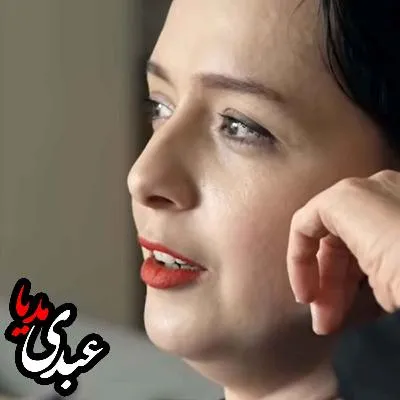
Listen | Audio file of the documentary "Taraneh" - Taraneh Alidoosti in conversation with Pegah Ahangarani.
Listen without filter in Abdi Media's cassette box
Connections with Figures and Currents
Taraneh Alidoosti is situated within a network of artistic-social connections with prominent figures in Iranian cinema and the diaspora.
Prominent Directors
At the cinematic level, her sustained relationship with Asghar Farhadi, Rasul Sadrameli, Hassan Fathi, Mani Haghighi, Saeed Roustayi, and Varouj Karim-Masihi formed her close artistic network.
Social Activists
At the social activism level, her relationship with Pegah Ahangarani forms her activist-artistic network in the diaspora.
Family
At the family level, her relationship with Hamid Alidoosti and the loss of Pouyan Alidoosti is one of the personal aspects of her career.
International Presence
At the international level, Alidoosti's sustained presence at prominent global festivals forms her international communications network.
Conclusion
Taraneh Alidoosti is one of the most widely discussed and symbolic artistic-social figures of contemporary Iran on the international stage. With a unique combination of a highly visible start to her acting career in adolescence, sustained collaboration with Asghar Farhadi in five prominent films, a notable role in the series Shahrzad, being named Best Actress of the 2000s by two prominent Iranian cinema criticism references, significant literary translation activity, membership in international festival juries, her symbolic absence from the 2017 Oscars in protest of Trump's executive order, her highly visible support for the "Woman, Life, Freedom" uprising, her 18-day arrest in December 2022, and finally, her presence in the widely discussed documentary Taraneh directed by Pegah Ahangarani in January 2026, she occupies a unique position in Iran's contemporary artistic-social structure.
Alidoosti's distinguishing feature, on the first level, is her exceptional ability to connect the realms of art and social activism—an ability in which a prominent actress with an international career is also consistently active in defending women's rights and human rights. This connection, which has other examples among Iranian actresses, has found a special reflection in Alidoosti through her frankness in expressing her positions and accepting their consequences. On the second level, her distinctive literary-translation ability—reflected in her translations of prominent works of world literature—is one of the notable aspects of her multifaceted character. On the third level, her exceptional persistence in maintaining her artistic-social identity in the face of pressures—reflected in her continued analytical-media activity even after extensive professional restrictions—is one of the notable aspects of her character.
From an analytical perspective, Alidoosti's position exemplifies the phenomenon of the "prominent actress-social activist" in contemporary Iran—a phenomenon in which an artist with international credibility, in roles beyond her artistic profession, becomes one of the prominent voices in the discourse on women's rights and human rights. This pattern, which has other examples among prominent global actresses, has found a special reflection in Alidoosti through her activity in Iran's difficult socio-political conditions and her position at the intersection of judicial-political controversies.
What is clear from today's perspective is that the topics Alidoosti has addressed in her activities and positions—from women's rights, freedom of dress, human rights, criticism of immigration-political policies, support for the November 2019 protesters, support for the "Woman, Life, Freedom" uprising, narration of her personal experience of arrest, and support for the right to treatment—remain among the most debated topics in contemporary Iranian social-artistic discourse. In a situation where Iran is in one of its most tense periods of social discourse—particularly after the 2022 uprising, the 12-day Iran-Israel war in June 2025, and increasing internal challenges—Alidoosti's voice, with a combination of international artistic credibility, a prominent personal experience, and persistence in expressing her positions, is one of the main references for this discourse in Persian-language media.
Frequently Asked Questions
Who is Taraneh Alidoosti?
Taraneh Alidoosti (born January 12, 1984) is an Iranian actress, literary translator, and social activist. She is a winner of the Crystal Simorgh for Best Actress from the Fajr Film Festival and the Best Actress award from the Locarno Film Festival in Switzerland, and is considered one of the most prominent actresses in contemporary Iranian cinema.
What was the beginning of Alidoosti's cinematic career?
In her first cinematic experience, for the film I, Taraneh, Am 15 Years Old (2001) directed by Rasul Sadrameli, Alidoosti won the Crystal Simorgh for Best Actress from the 20th Fajr Film Festival, the Golden Palm from the 3rd Abadan Social Festival, the Critics and Writers Award of Iranian Cinema, and the Best Actress award from the 55th Locarno Film Festival in Switzerland.
What are Alidoosti's most important films?
Among Alidoosti's most important films are: I, Taraneh, Am 15 Years Old (2001), Fireworks Wednesday, About Elly, Simple Reception, The Salesman (2016, winner of the 2017 Oscar for Best Foreign Film), the series Shahrzad directed by Hassan Fathi, and Leila's Brothers directed by Saeed Roustayi.
Why did Alidoosti not attend the 2017 Oscars?
In protest of Donald Trump's executive order banning citizens of seven Muslim-majority countries from entering the U.S., Alidoosti announced that she would not attend the 2017 Oscars—the ceremony at which the film The Salesman, starring her, won the Oscar for Best Foreign Film.
Why was Taraneh Alidoosti arrested in 2022?
On November 9, 2022, Alidoosti posted an image of herself without compulsory hijab on Instagram, holding a sign with the Kurdish slogan "Jin, Jiyan, Azadi" (Woman, Life, Freedom) to show solidarity with the "Woman, Life, Freedom" uprising. On December 17, 2022, security forces arrested her at her home. Alidoosti was released after 18 days, on January 4, 2023, on a bail of 1 billion tomans.
What was Asghar Farhadi's reaction to Alidoosti's arrest?
On the third day of Alidoosti's arrest, Asghar Farhadi expressed his support on Instagram, writing: "I stand with Taraneh and call for her release." This position received widespread coverage in Persian-language media.
What is the documentary "Taraneh"?
The documentary "Taraneh," directed by Pegah Ahangarani, was broadcast on BBC Persian on January 3, 2026. This 51-minute documentary, in which Alidoosti addressed the details of her arrest, the day of her arrest in the presence of her young daughter, and her autoimmune skin disease for the first time, became one of the most viewed videos of 2025 on Persian-language Instagram news pages.
What is Alidoosti's literary translation activity?
Fluent in English, Alidoosti is one of Iran's most prominent literary translators. Her most important translations include Alice Munro's The Mother's Dream (Markaz Publishing, 2011) and Nicole Krauss's The History of Love (Markaz Publishing, 2016). She won the Parvin Etesami Literary Award in its fifth edition for her translation of The Mother's Dream.
Where was Alidoosti named Best Actress of the 2000s?
Alidoosti was named Best Actress of the 2000s in Iranian cinema by two prominent Iranian cinema criticism references: Cinema Industry monthly magazine and Film magazine.
Is Alidoosti still active?
Despite extensive restrictions following her 2022 arrest, Alidoosti remains present in Iran's cultural-social arena. The documentary "Taraneh" (January 2026), in which she broke her 3-year silence and addressed the details of her arrest and autoimmune skin disease, was one of the most widely discussed Persian-language media events at the end of 2025. Alidoosti has regained her health and remains one of the most widely discussed figures in Persian-language social media.
Take less than a minute, register and share your opinion under this post.
Insulting or inciting messages will be deleted.
Sign Up